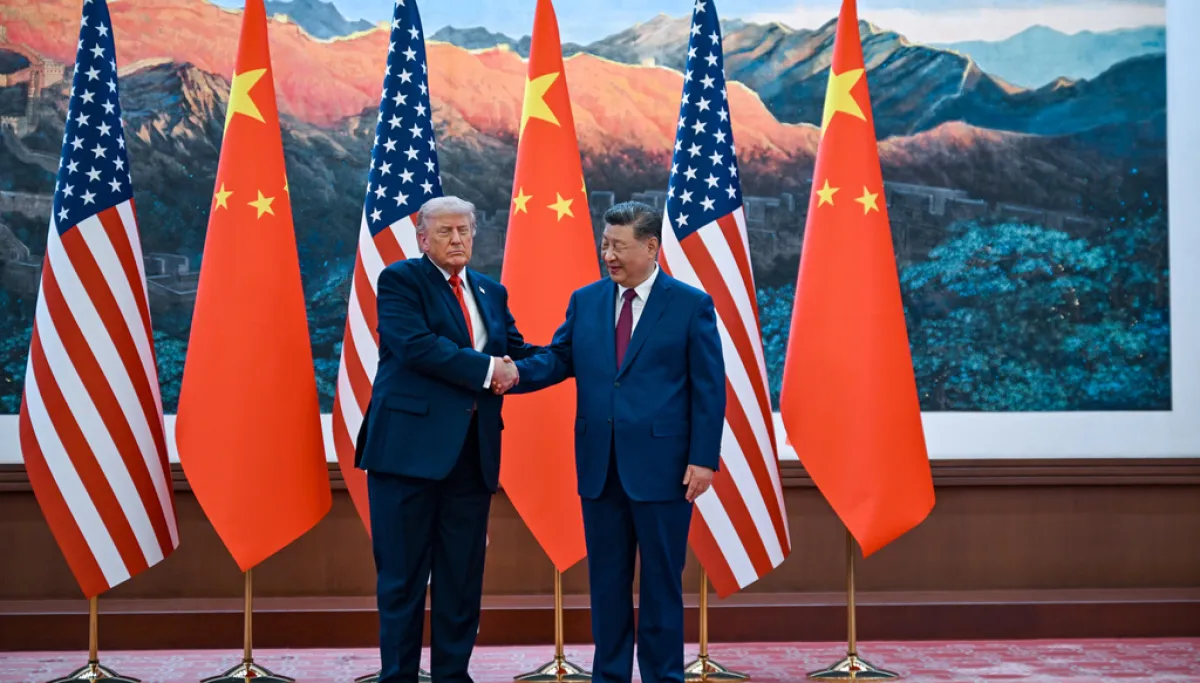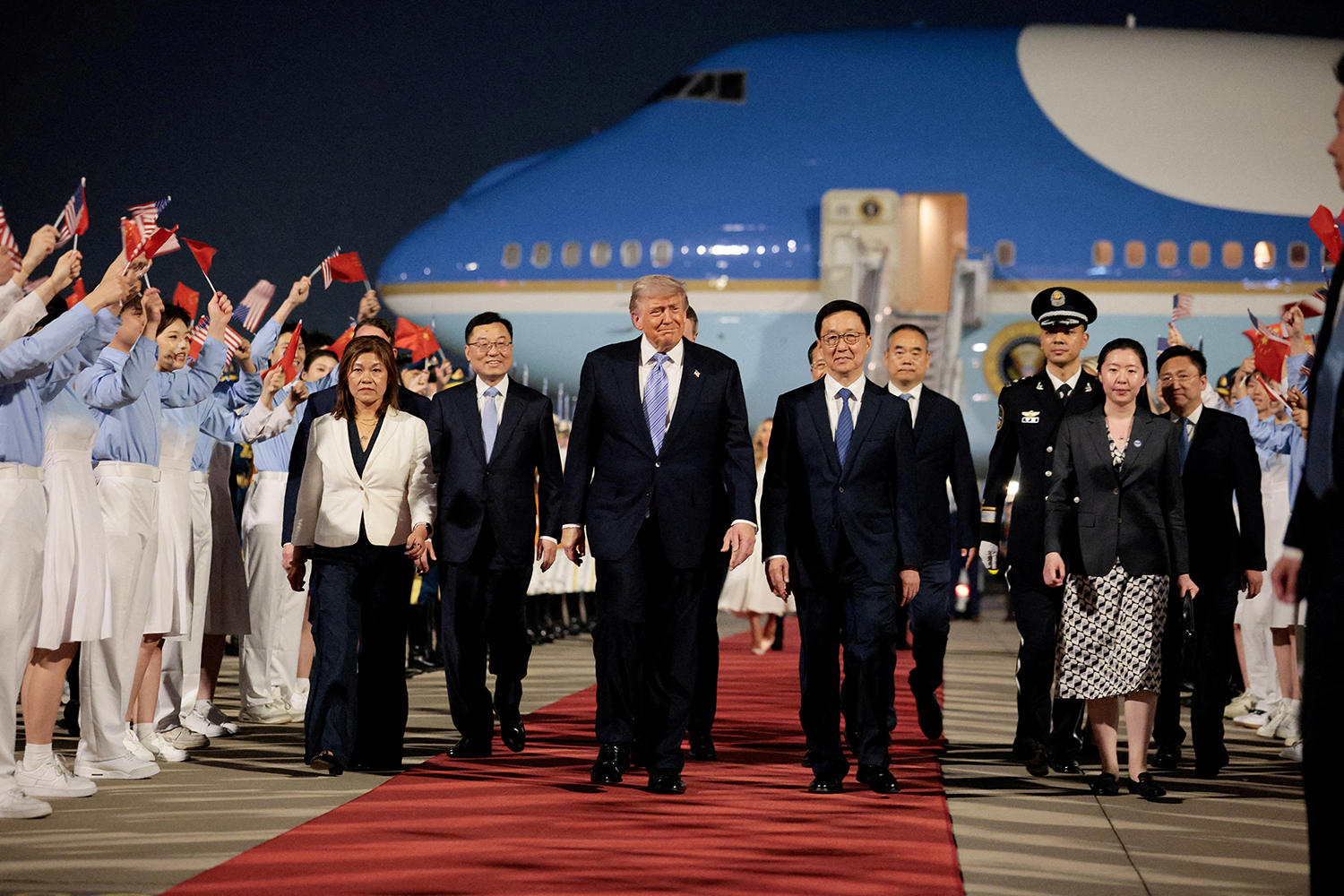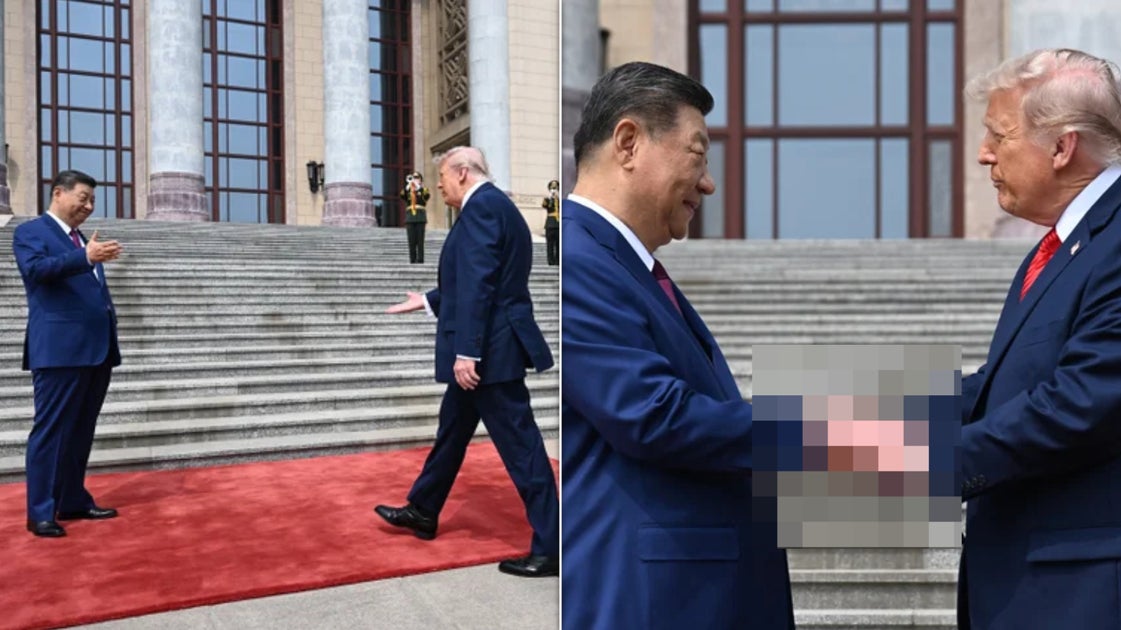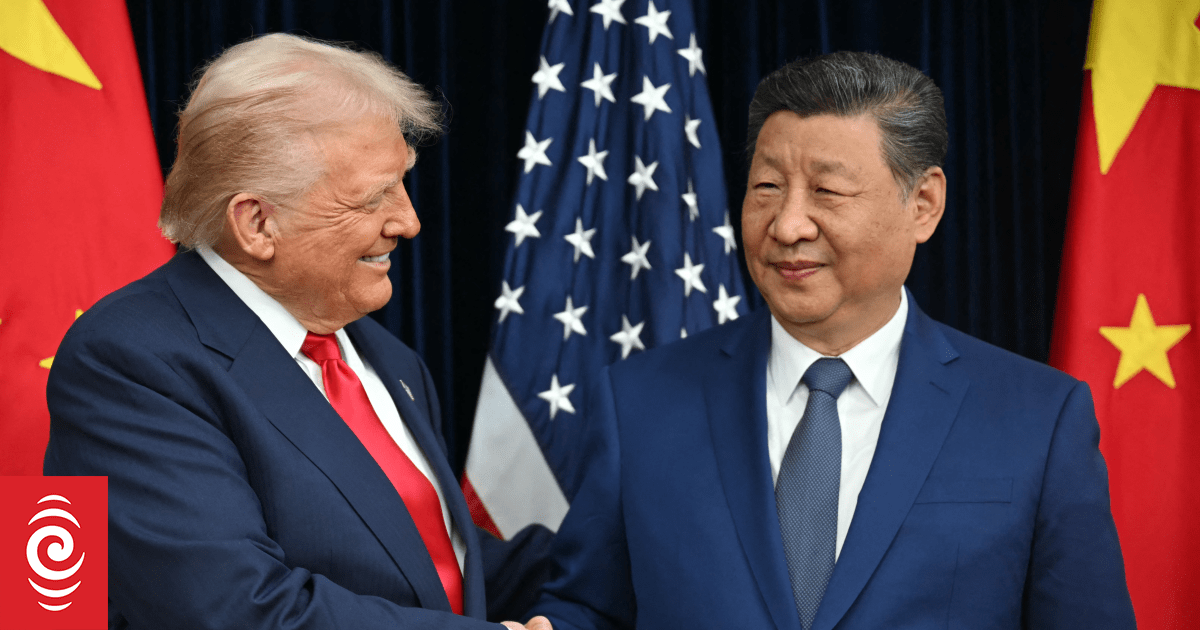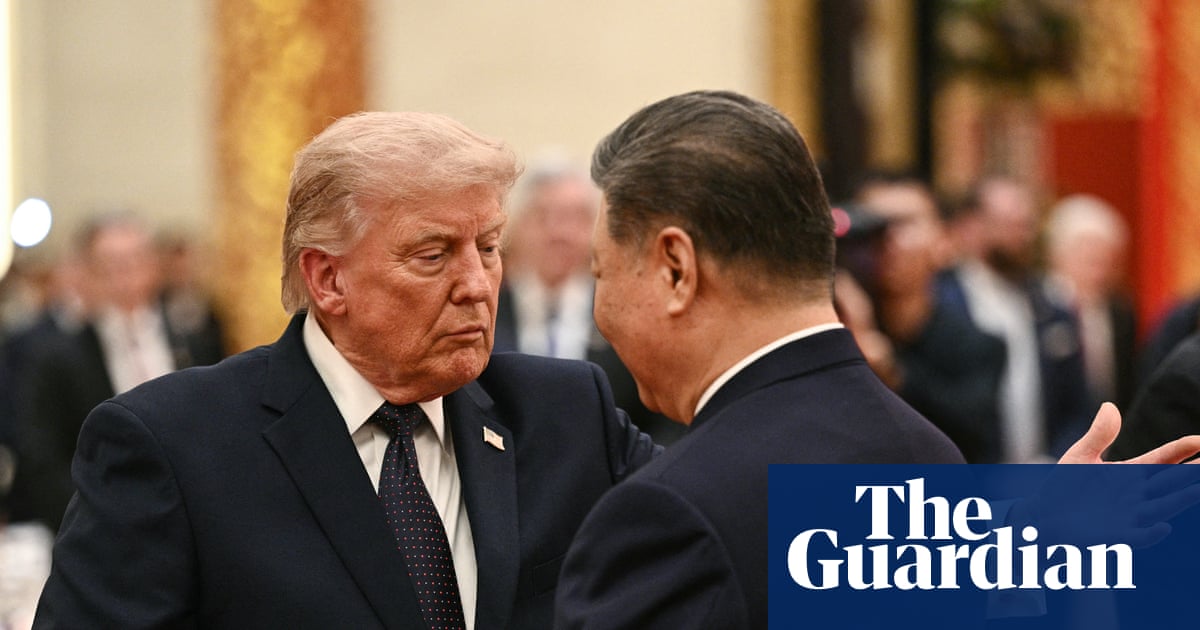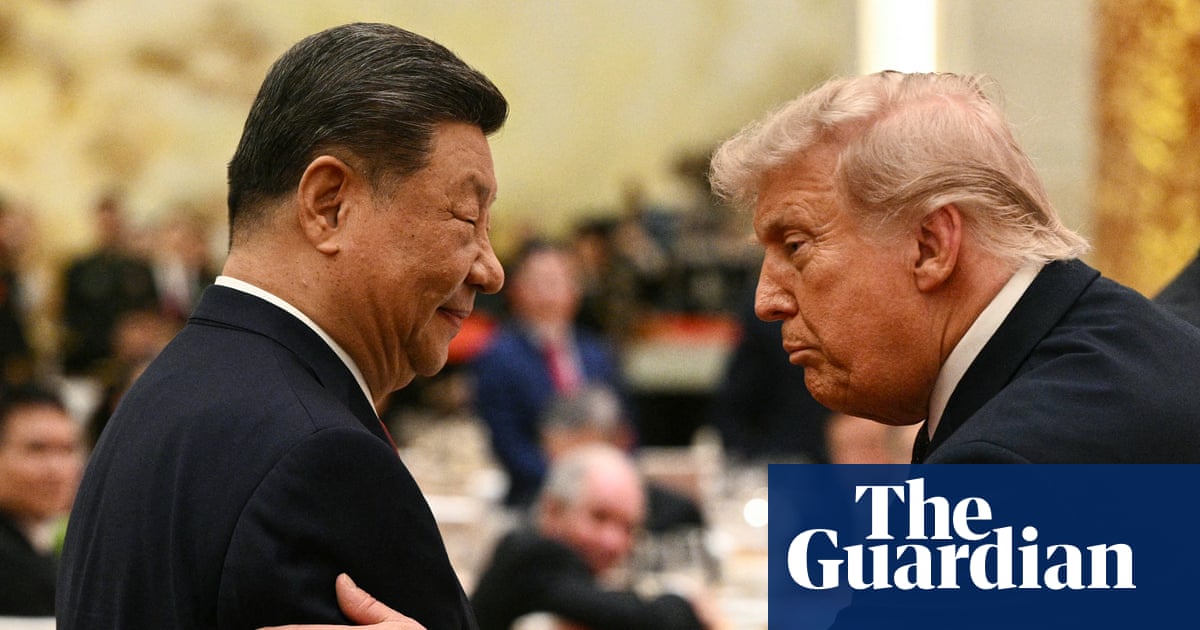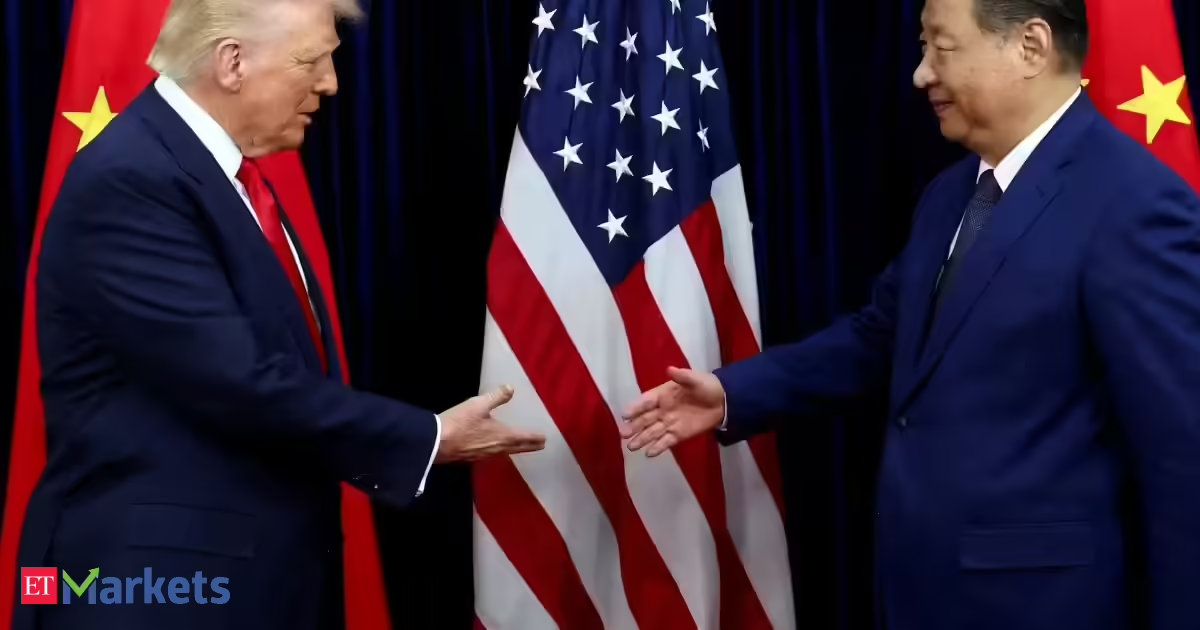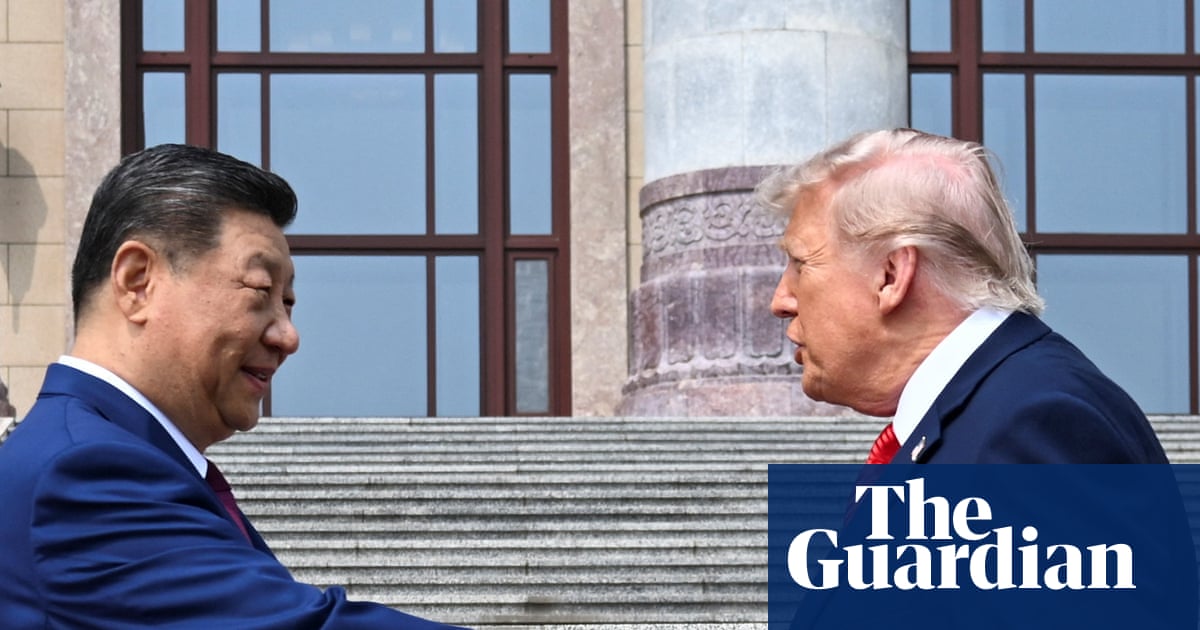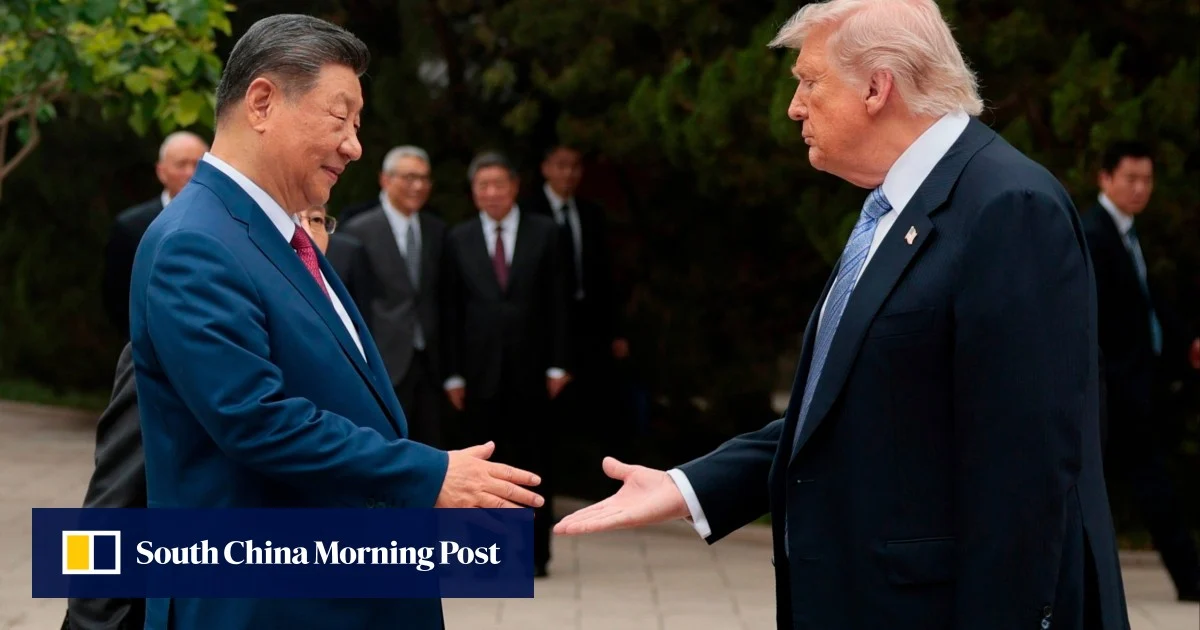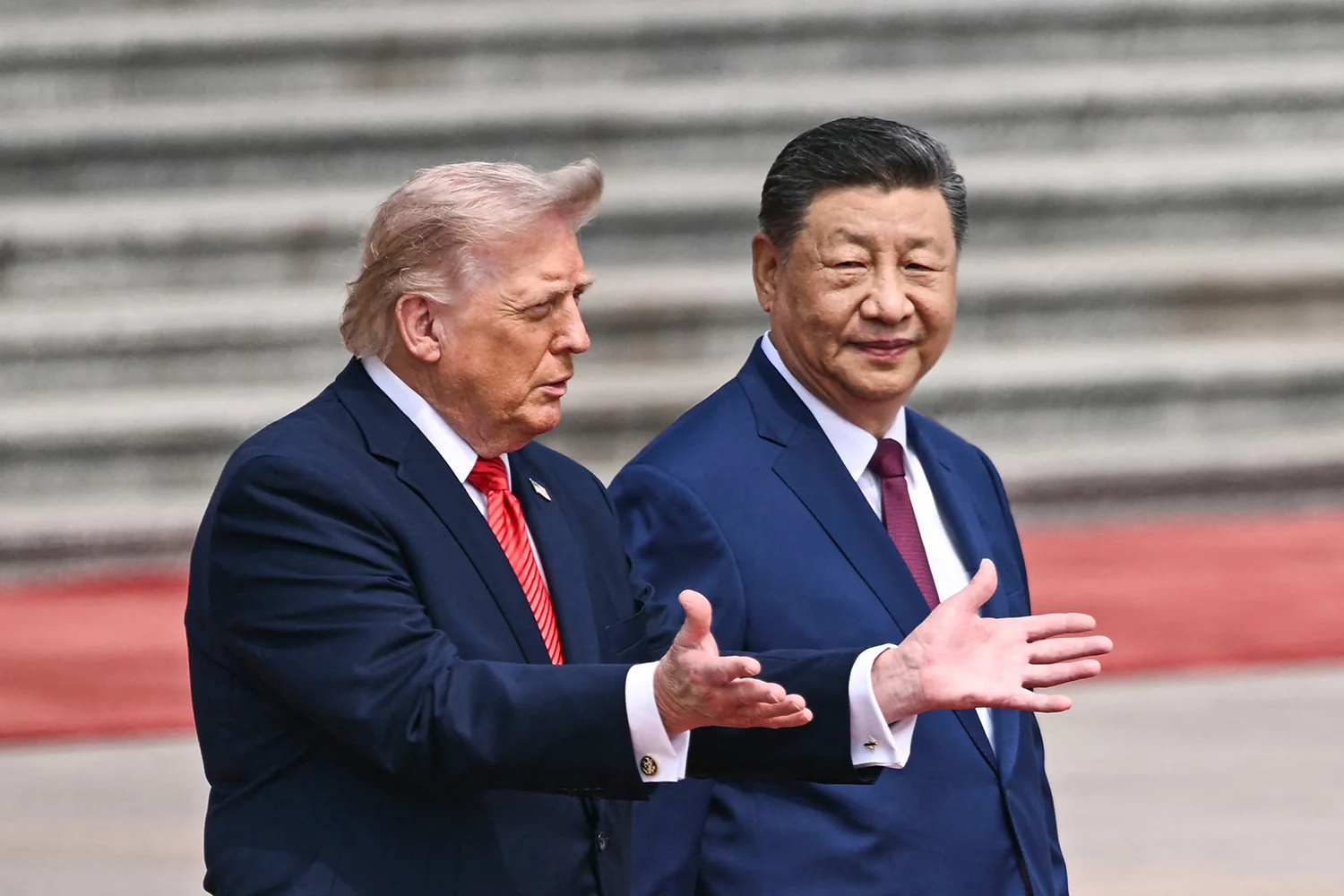
There are two ways to understand this week’s summit in Beijing between China’s leader, Xi Jinping, and U.S. President Donald Trump.
The first, and most tempting, is to see it as a meeting between two figures commonly described as the most powerful men on Earth, with all of the personal chemistry and theatrics surrounding their second-ever summit in China. The second centers on the encounter between the nations they incarnate—and although this is the harder one to parse, it is also the more important.
There are two ways to understand this week’s summit in Beijing between China’s leader, Xi Jinping, and U.S. President Donald Trump.
The first, and most tempting, is to see it as a meeting between two figures commonly described as the most powerful men on Earth, with all of the personal chemistry and theatrics surrounding their second-ever summit in China. The second centers on the encounter between the nations they incarnate—and although this is the harder one to parse, it is also the more important.
The most common narratives about the contrasting trajectories of the two countries are often superficial and misleading. The United States under Trump is said to be a decadent and declining superpower, heedless of its own drift, or at least powerless to arrest it. China, by contrast, is often imagined to be a nation on the march, one full of purpose and hell-bent on progress. And this is not just how outsiders imagine China; at the level of national discourse, at least, it seems to be how Chinese leaders imagine themselves.