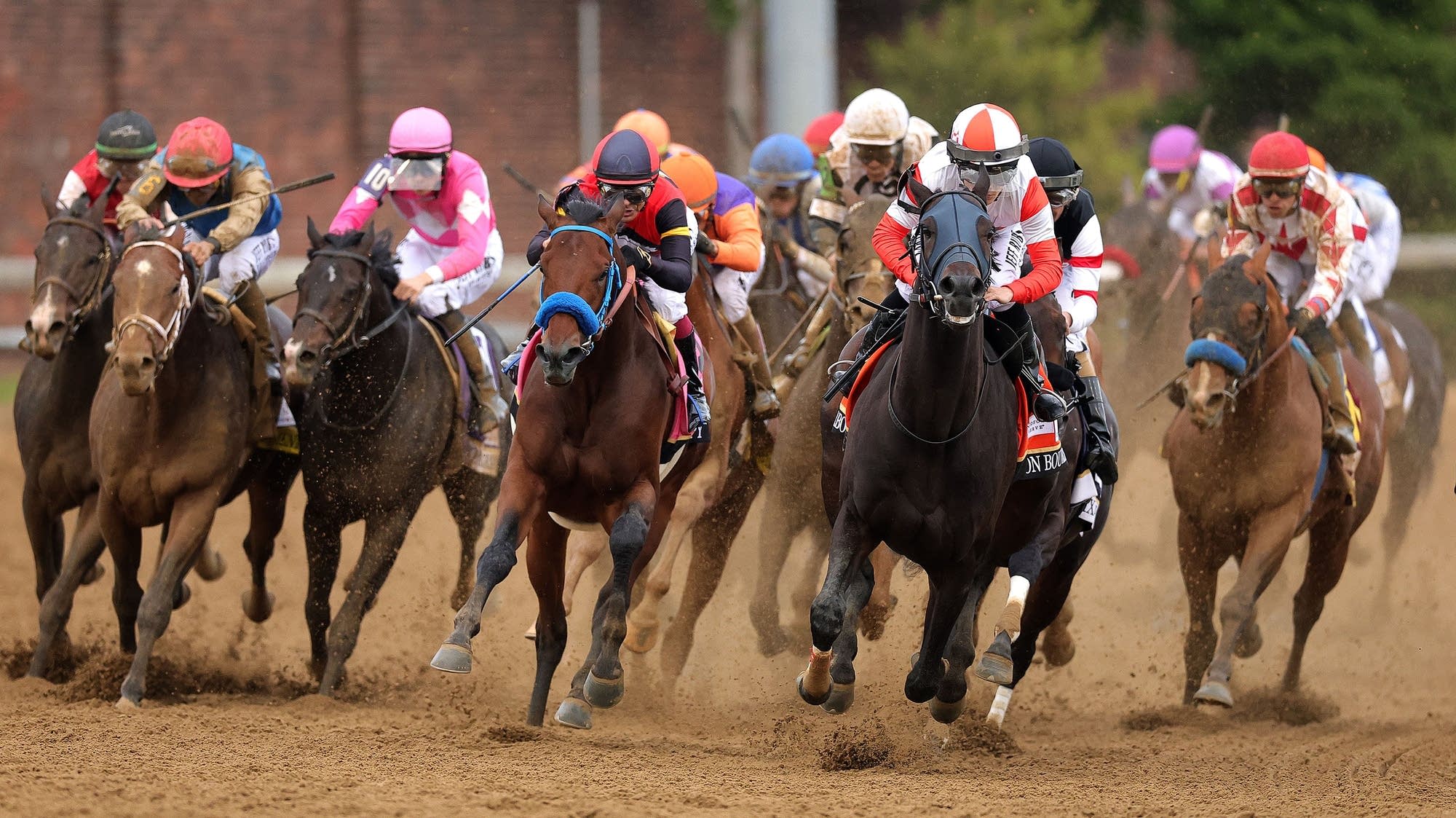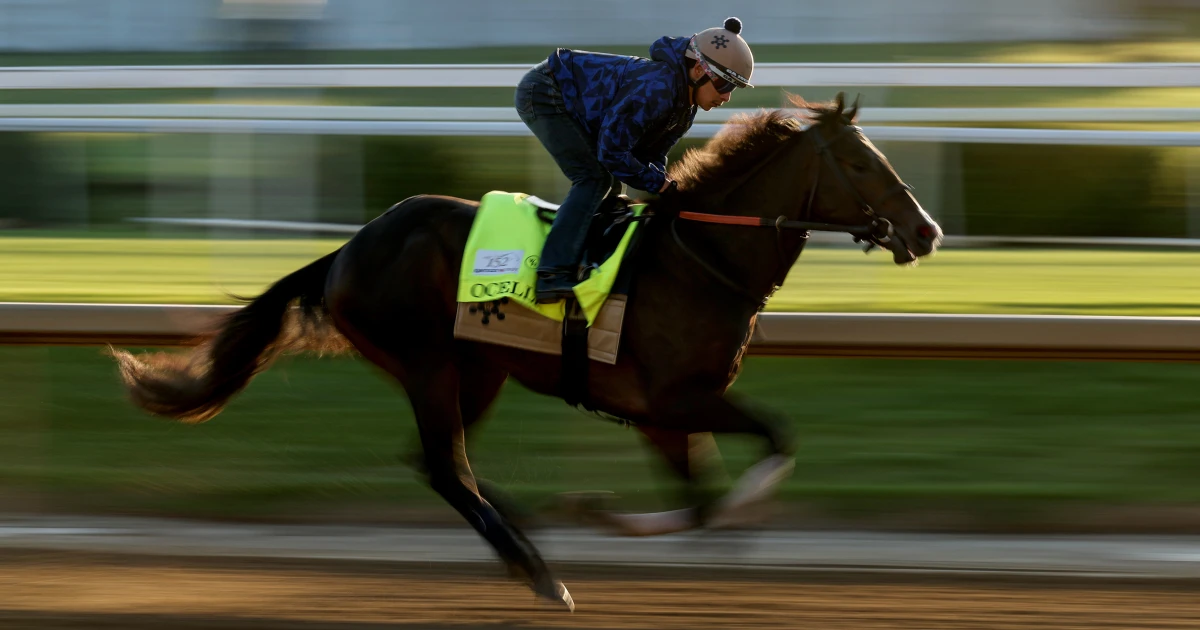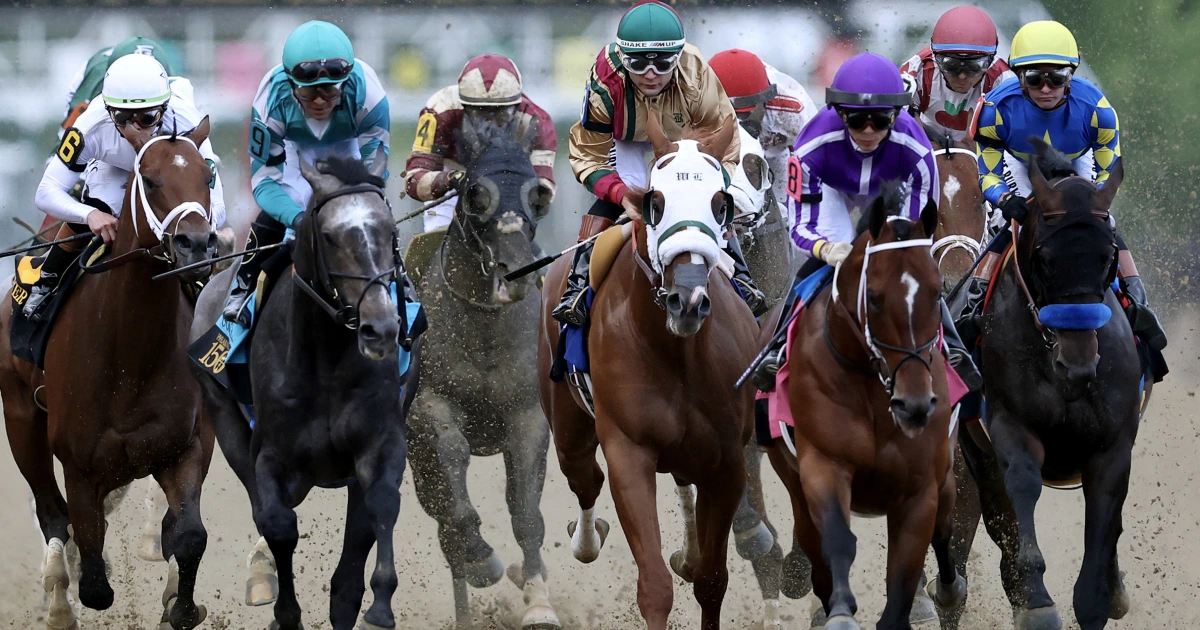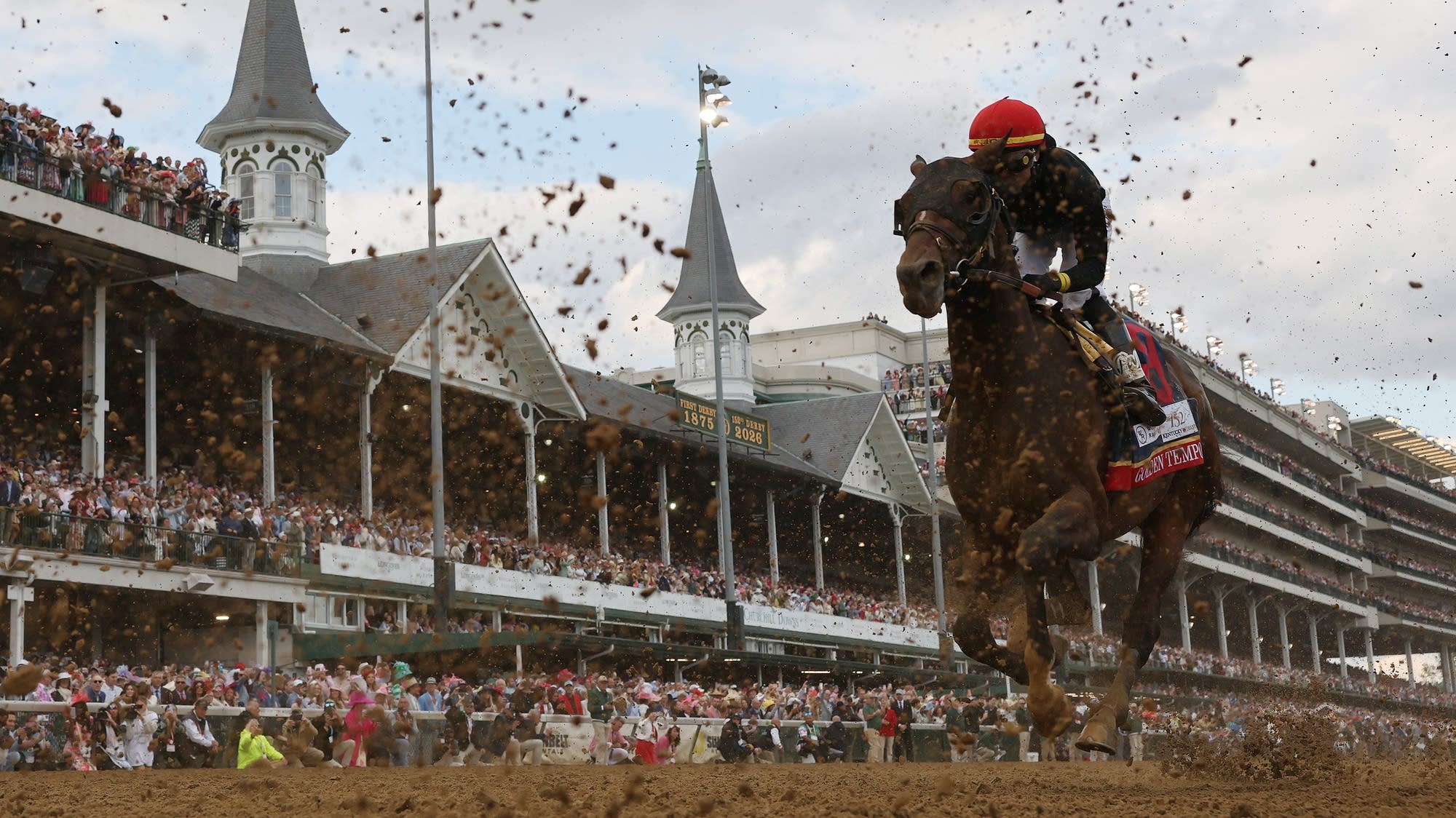
Pat Cummings remembers his favorite Preakness race. “Smarty Jones winning in 2004. I grew up in Philadelphia, and it was just such incredible that because a Philadelphia horse had won it.”Cummings is executive director of the National Thoroughbred Alliance. He bets on horses all the time. So does Jon Stettin, founder and publisher of Past the Wire. “My mom was at the racetrack the day before I was born and at the racetrack about four or five days after I was born with me in a stroller,” he said.Back then, you bet in person. Now, you don’t even have to be at the track; you can bet online, but all through platforms okayed by the racing industry. That doesn’t include prediction markets. Saturday is the Preakness Stakes, the second event in the “Triple Crown” (which also includes the Kentucky Derby). Americans have been able to bet on horse racing longer than any other sport, but interest has waned. Over the last couple of decades, betting on racing has declined by more than 50%. You might think prediction markets would see this as fertile ground. Even though sports betting on platforms like Kalshi and Polymarket is surging, they have not made inroads in horse racing.“For the industry, it's better to lock them out and just keep all the money for themselves and restrict where I wager,” Stettin explained. Racetracks and horsemen control their product — the race — because of a 1978 federal commerce law. “That still could face legal tests, but for now, the prediction markets haven't gone that route,” said Marshall Gramm, a Rhodes College economics professor and horse breeder. He’s looking to Saturday’s lineup. “Since I'm on the spot here, let's see … I will go with The Hell We Did. It'll be my long shot pick.”But for now, that bet’s not likely on Kalshi or Polymarket.
Horse racing has fended off prediction market betting — here's how
While betting on horse racing has dipped by more than 50% over the last couple of decades, prediction markets haven’t made inroads in the sport.
309 words~1 min read