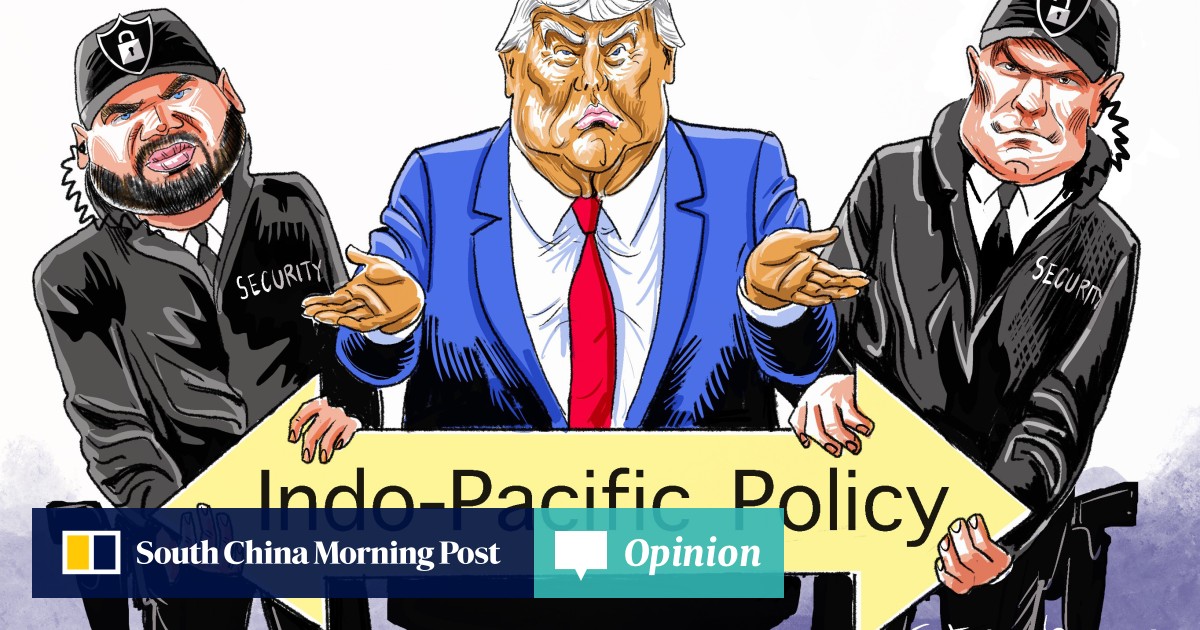
President Donald Trump’s abiding foreign policy is aptly named “America First.” It asserts that the post-World War II, American-led “rules-based order” had been accomplished. It was time to stop enriching “allies” and former enemies that had been rebuilt and were now competitors, and could, at the very least, help pay for their own defense. Bluntly, Americans were done “taking one for the team.” But the Trump administration was not heralding a return of isolationism or the end of the Pax Americana. It declared the people’s interests would be paramount in U.S. international relations. If other nations’ interests were accorded with clearly defined and articulated American interests — be it economically or militarily — a mutually advantageous arrangement could ensue. After all, every other nation conducts its foreign policy by putting its own citizens’ interests first. The novelty, then, was not the Trump administration putting America first, but how past administrations relegated our citizens to a second-class status in international arrangements.
RUBIO’S WHITE HOUSE MOMENT OFFERS GLIMPSE OF AMERICA FIRST AFTER TRUMP
Yes, putting American interests first in foreign affairs has discombobulated our allies. Accustomed to the United States beneficently subordinating our interests to theirs, they have decried America First. This is most notable among signatory nations to ossifying defense and economic arrangements.