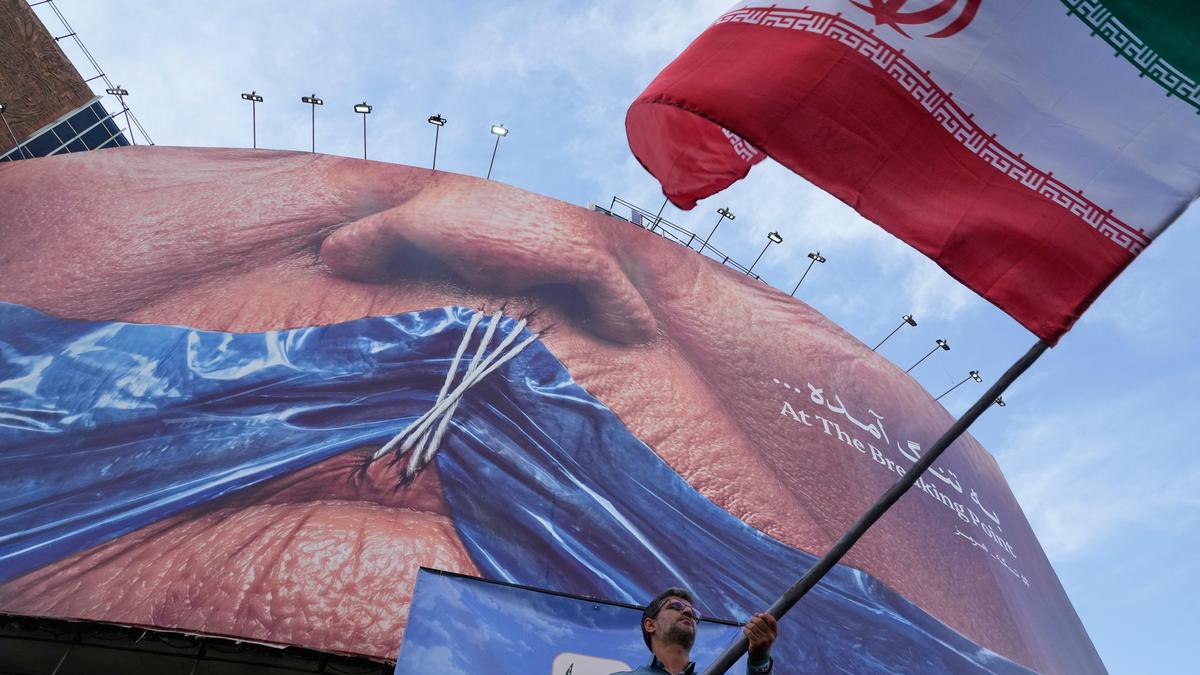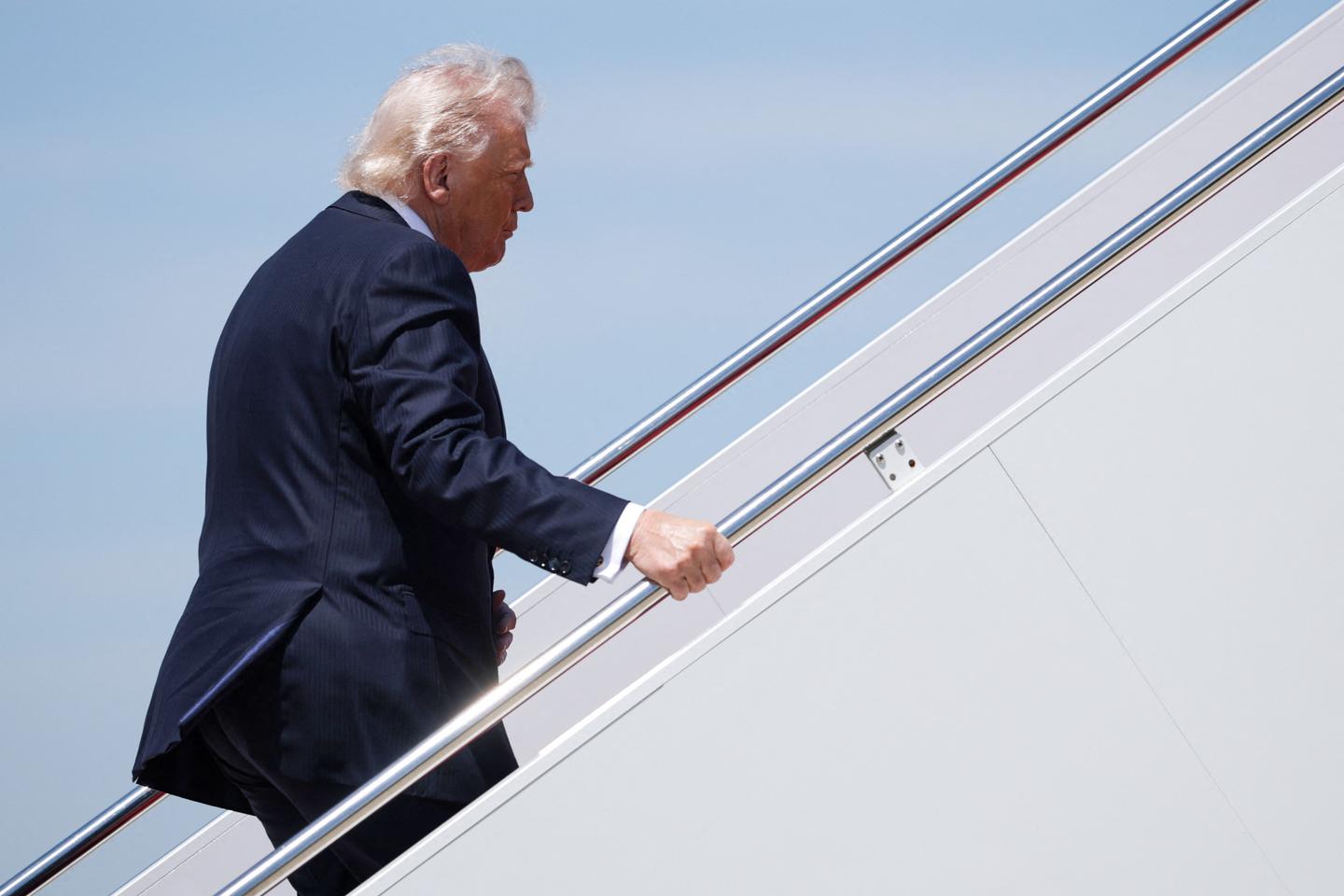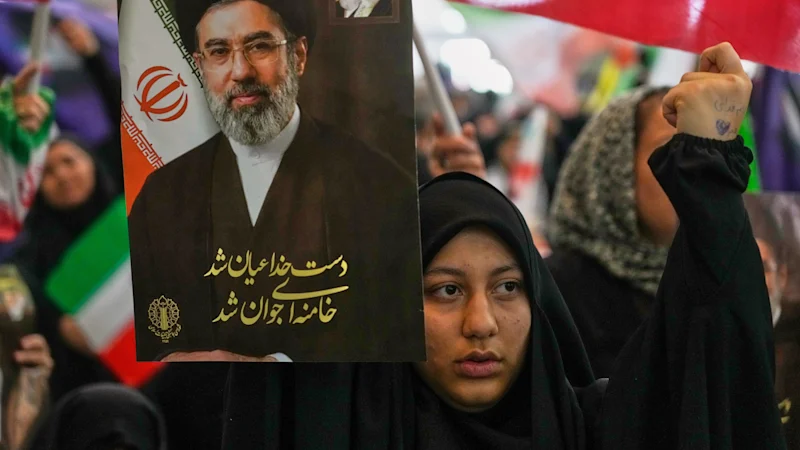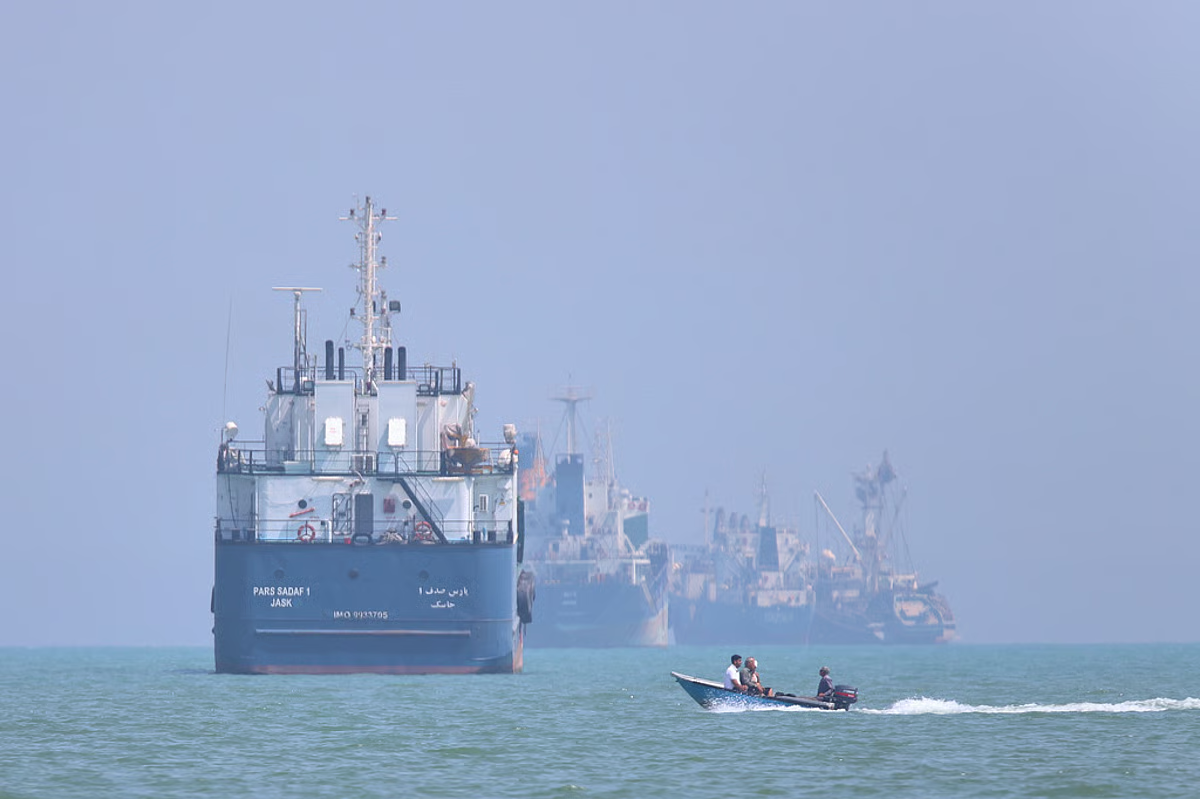
Ahead of his visit to China next week, US President Donald Trump is racing to nail down memorandum of understanding to end the war with Iran. However, with internal backlash in Iran, meddling from Israel, and sharp disagreements between Washington and Tehran over the export of Iran’s highly enriched uranium, many obstacles will need to be overcome for the two sides to reach a final deal. Rather than a final peace agreement, the one-page, 14-point MOU the two countries are discussing outlines a framework for negotiating issues surrounding the blockade of the Strait of Hormuz, Iran’s nuclear program, and the lifting of US sanctions on Iran over 30 days. The primary goal of the MOU negotiations is to resolve the crisis in the Strait of Hormuz. American public broadcaster PBS cited several sources when reporting that the two sides are discussing Iran lifting its restrictions on transit through the strait and the US ending its blockade of Iranian ports. If this first phase of negotiations is successful, all parties would reportedly declare an end to the war, including Israel and the pro-Iranian proxy Hezbollah. The second phase of negotiations will deal with Iran’s nuclear program, lifting of sanctions, and the unfreezing of Iranian assets. The crux of this issue lies in Iran’s nuclear program, which will be addressed in the second phase of negotiations. In an interview, Trump confirmed that part of the deal involved Iran’s highly enriched uranium “[going] to the US,” and another point in the deal delineated Iran’s pledge not to operate its underground nuclear facilities. Meanwhile, an Iranian official told PBS that the highly enriched uranium would not be exported to the US, but to the International Atomic Energy Agency, which would also be granted access to Iranian nuclear sites for unannounced inspections. The US demanded that Iran agree to a moratorium on its uranium enrichment for 20 years, which Iran reportedly countered with an offer of five years with a possible five-year extension. Some reports claim that a compromise of 12 to 15 years is being discussed, but it is uncertain whether Iran will agree to freeze uranium enrichment and allow the export of nuclear material, given its insistence that its nuclear program is non-negotiable. The US is also said to have demanded a clause that would automatically extend the moratorium if Iran violates its terms. Mohammad Bagher Ghalibaf, the speaker of the Iranian parliament, dismissed an Axios report claiming that the US and Iran were nearing an agreement to end the war, calling the report “Operation Fauxious.” Ebrahim Rezaei, a spokesperson for the Iranian Parliament’s National Security and Foreign Policy Committee, also slammed the US’ proposal as an unrealistic “wish list.” However, these moves could also be interpreted as last-minute jockeying for an advantage as negotiations near an end. While hard-liners in Iran are railing against the US’ terms, it would be hasty to conclude that the entire Iranian leadership is intent on derailing negotiations. The quickened pace of negotiations is in part due to Trump’s upcoming visit to China, where he will meet with Chinese President Xi Jinping for a bilateral summit on May 14-15 in Beijing. Finding an exit ramp from the war before setting off for China would take a considerable weight off his shoulders, as it would allow him to focus on key agendas such as trade, advanced technology, and the Taiwan problem during the US-China summit, instead of being bogged down by issues related to Iran. Israel is also a significant variable in the equation. On Wednesday, Israel launched an airstrike on Beirut, the capital of Lebanon, targeting the commander of Hezbollah’s special forces unit, the al-Hajj Radwan Force. This was the first time Israel targeted Beirut since it began its ceasefire with Lebanon on April 16. Israel’s strike was apparently coordinated in advance with the US. Israeli Prime Minister Benjamin Netanyahu reportedly spoke over the phone with Trump multiple times that day, emphasizing their shared goal of removing all of Iran’s highly enriched uranium and dismantling all its enrichment capabilities, while also continuing to pressure the US not to make last-minute concessions.By Kim Won-chul, Washington correspondent; Kim Ji-hoon, staff reporter; Kwak Jin-san, staff reporter
Israel and Iranian nukes remain biggest variables as US and Iran near deal to end war
Iran has called the US proposal a “wish list,” but still appears to be engaged in negotiations
696 words~3 min read