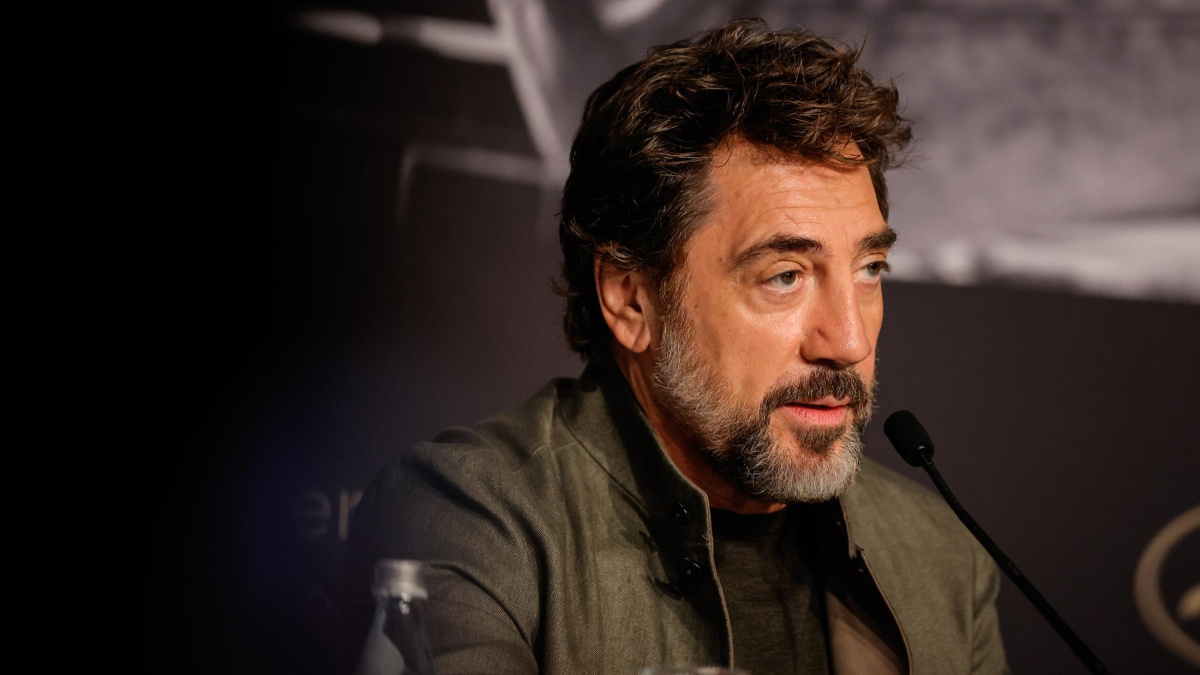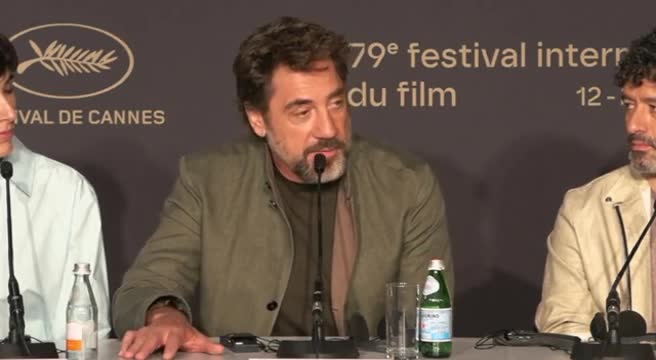
As Javier Bardem was preparing to present at this year’s Oscars, one very famous incident loomed large in his mind. “Vanessa Redgrave, back in the ’70s,” he recalls recently. When the British actress won a supporting actress Oscar for “Julia” in 1978, she referred to critics of her producing a documentary about Palestine as “Zionist hoodlums.” Watching the clip now, the scattered boos from the crowd are striking. Later in the ceremony, the screenwriter Paddy Chayefsky, there as a presenter, condemned Redgrave from the stage. Bardem was prepared for similar opprobrium. And he didn’t mind. “I was ready,” he says, miming a lusty sort of disapproval, “for the ‘Boo!’”
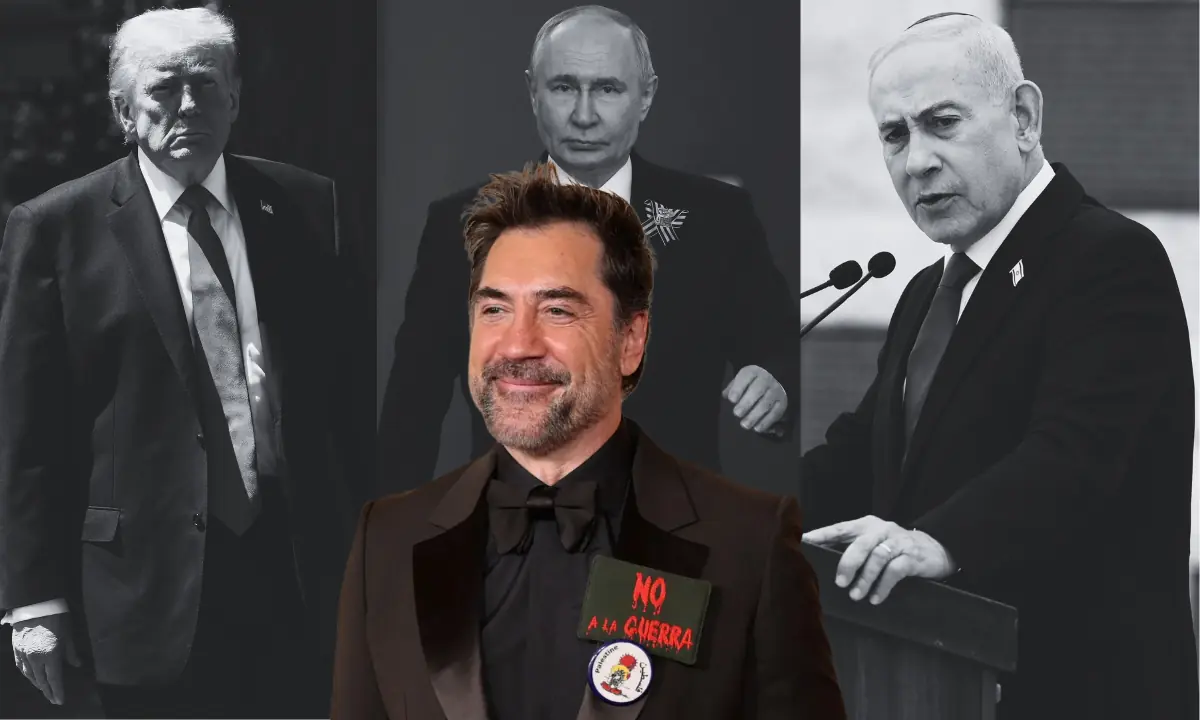
Presenting the award for international feature alongside Priyanka Chopra Jonas, though, Bardem got the precise opposite reaction. “No to war, and free Palestine,” Bardem declared simply. The crowd erupted. The previous September, the Spanish actor had worn a keffiyeh at the Emmys, where he was nominated for his supporting role in “Monsters: The Lyle and Erik Menendez Story.” On the red carpet before the ceremony, he told Variety that he “cannot work with someone who justifies or supports the genocide” in Gaza.
Bardem’s outspokenly activist language is potentially risky in the context of an industry where, for instance, Paramount Skydance CEO David Ellison — who may soon control Warner Bros. too — has condemned boycotts of Israel. In Trump’s second term, most of Hollywood has been silent at best or actively contorting itself to please the president at worst. Which means that Bardem has stood out all the more — making activism a cornerstone of his persona.