Many Bosnian Muslim women want to attend mosque on Fridays and to play a greater role in decision-making. Slowly the official structures of the Islamic Community are changing.
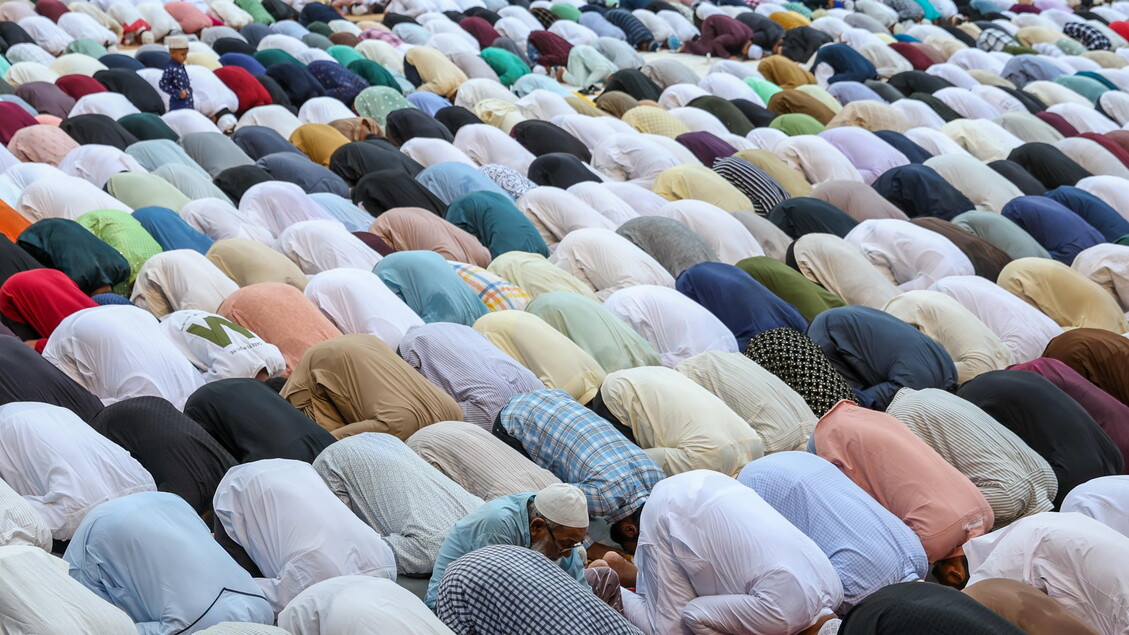
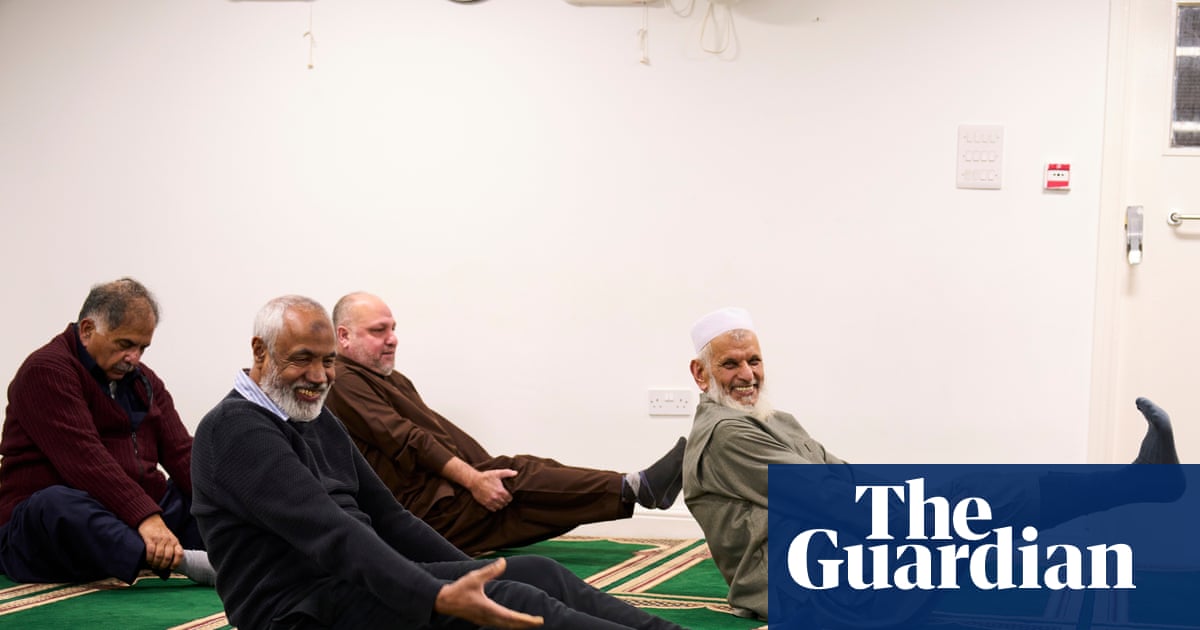
Usually, it tends to be Muslim men who go to pray on Fridays in the mosques of Bosnia and Herzegovina. As is customary in Islam, women are not required to go to the mosque to pray on the holiest day of the week. However, more and more, devout Muslim women in the Western Balkan country want to attend the mosque, too.
In the secular state of Bosnia and Herzegovina, men and women are equal before the law. In recent decades, the state has made significant efforts to eliminate gender-based discrimination and protect women from violence. However, in certain religious communities, whether these are Muslim, Orthodox or Catholic, social and cultural norms continue to stand in the way of equality.
Since the end of the Bosnian War (1992–1995), religion has played a greater role in all of the country's communities, particularly amid Muslim Bosniaks, Orthodox Serbs and Catholic Croats. In some families, very conservative notions of gender roles prevail, according to which women are expected first and foremost to be mothers and to care for the family.