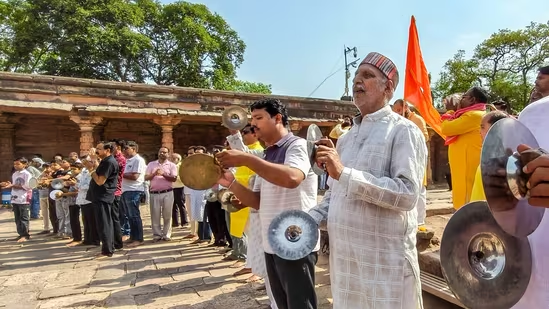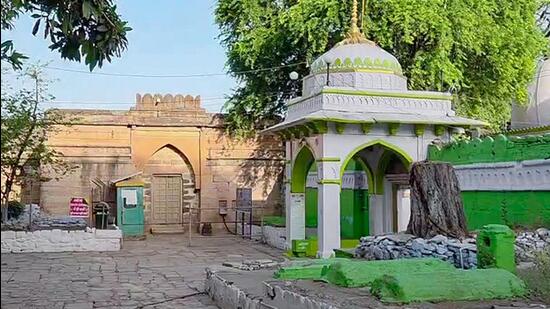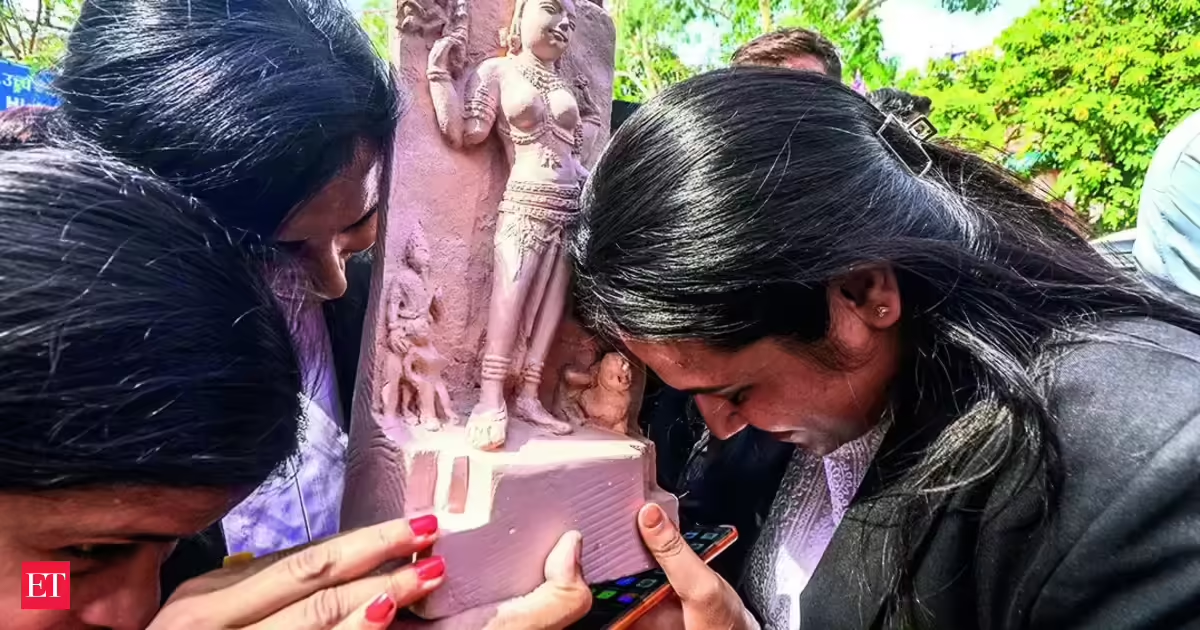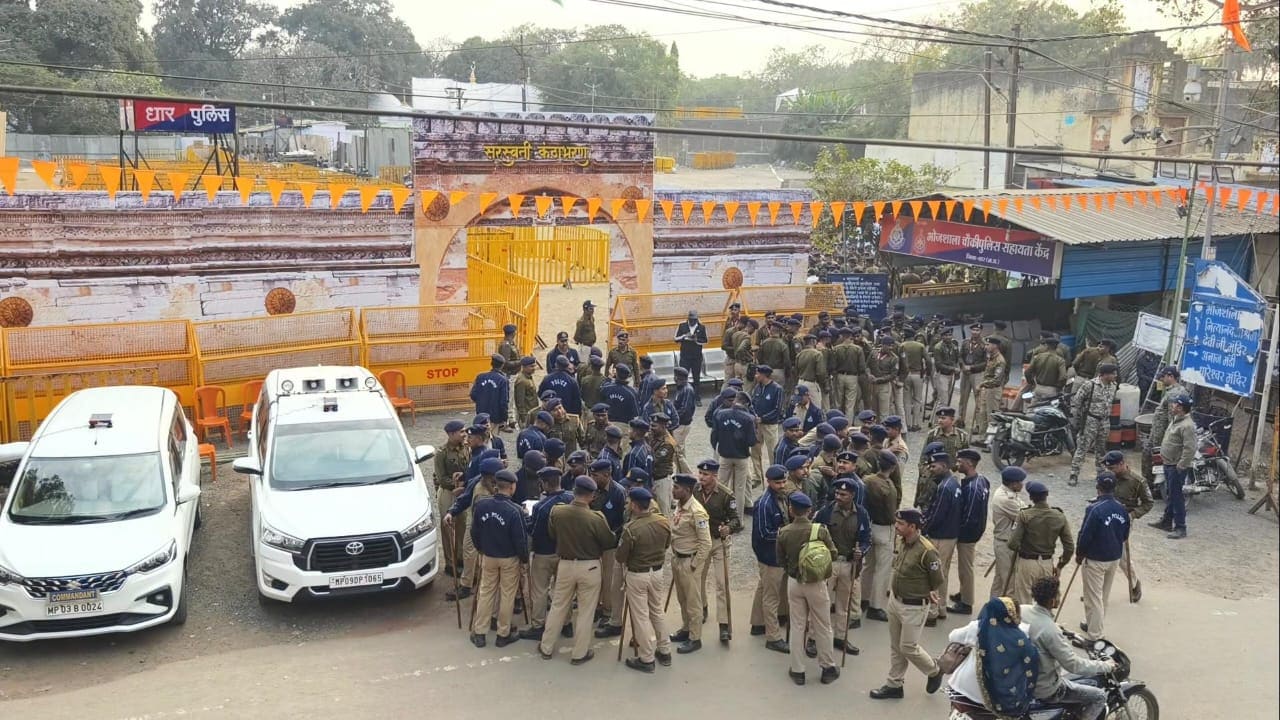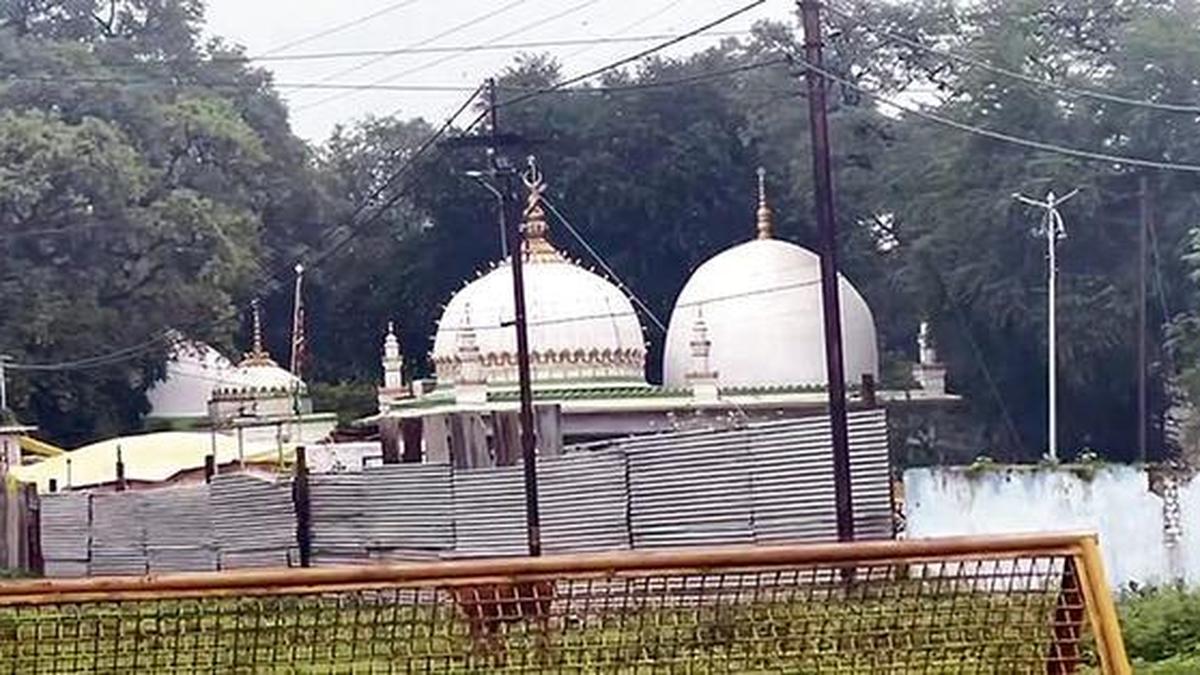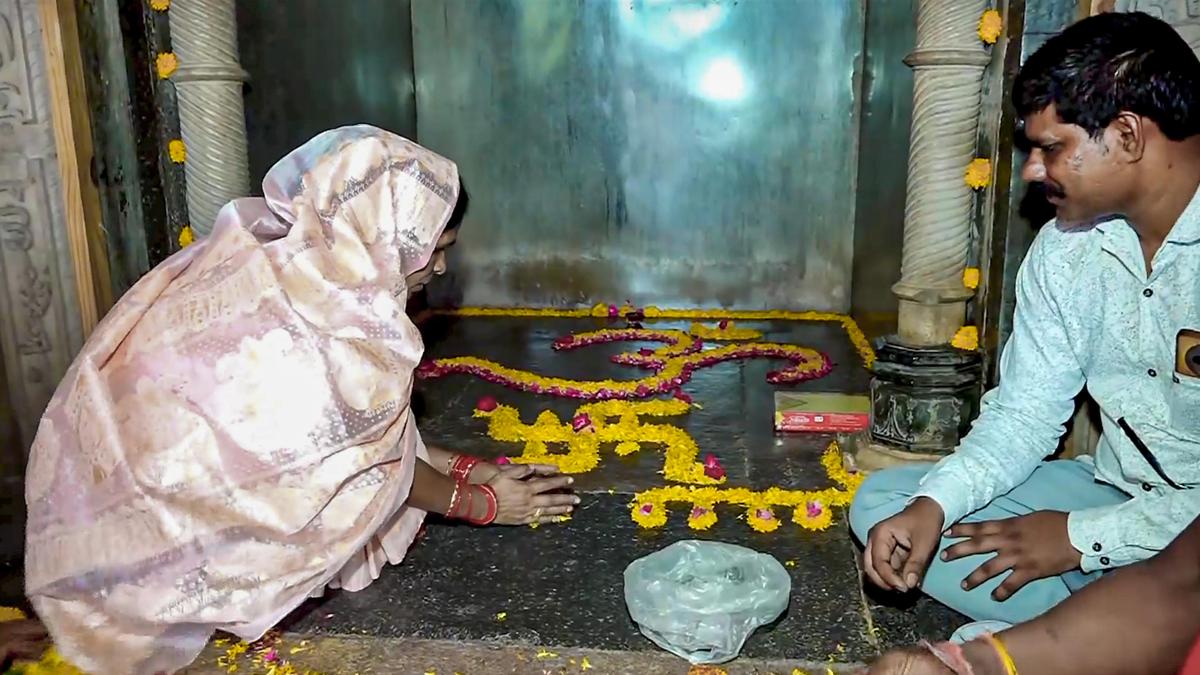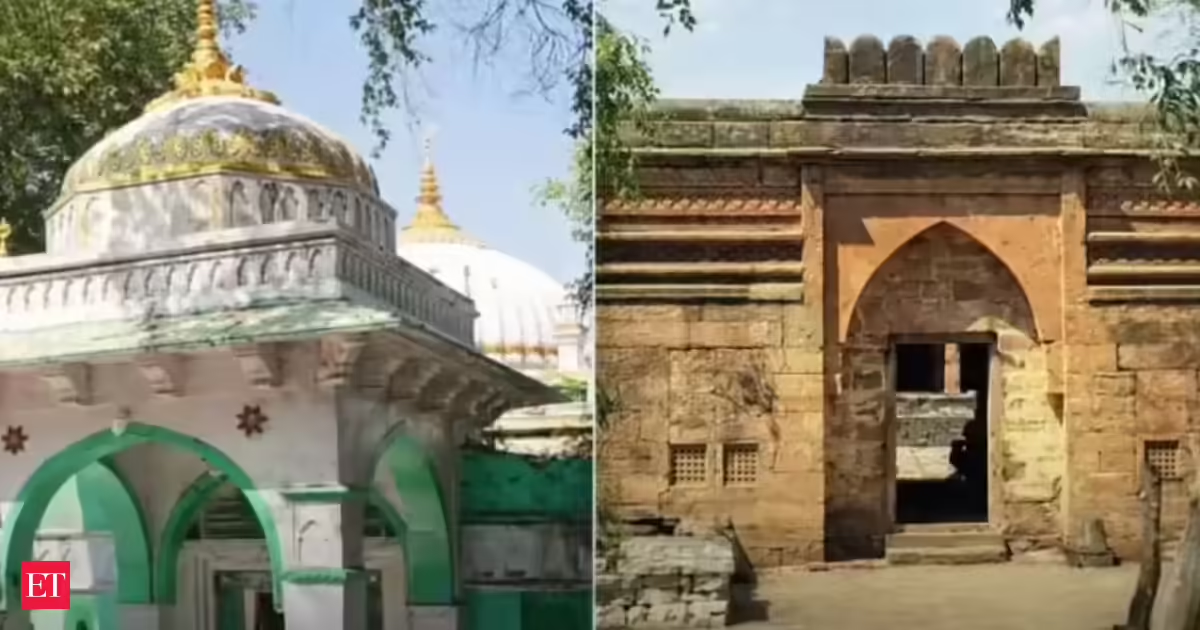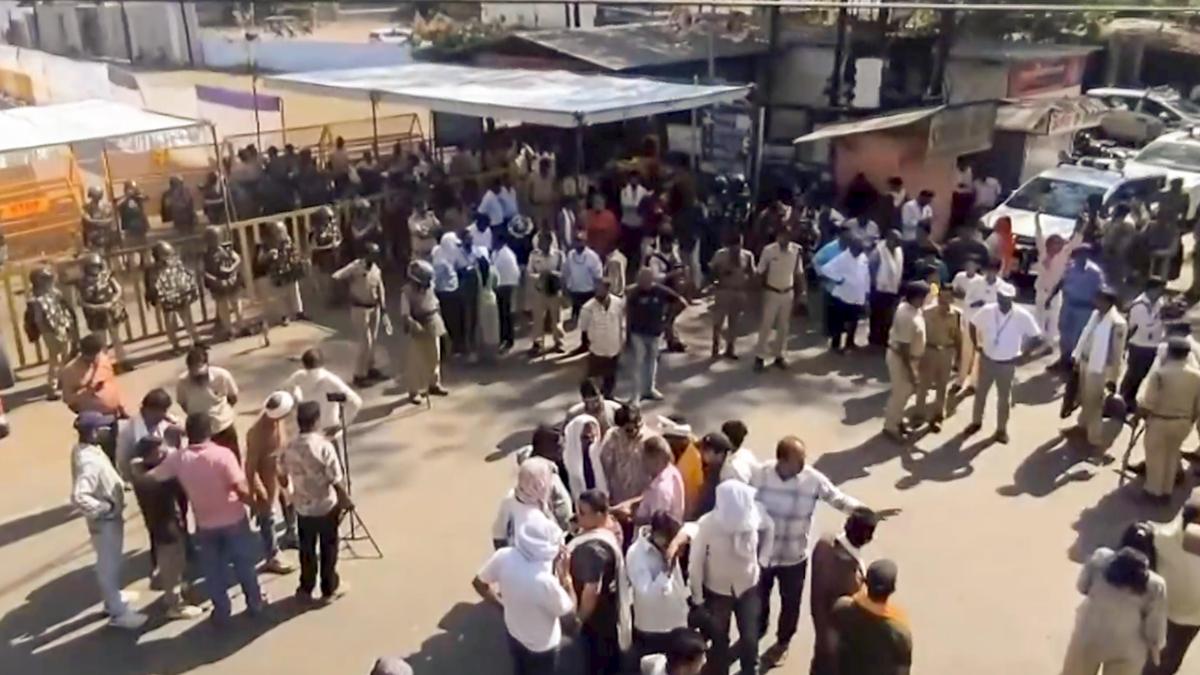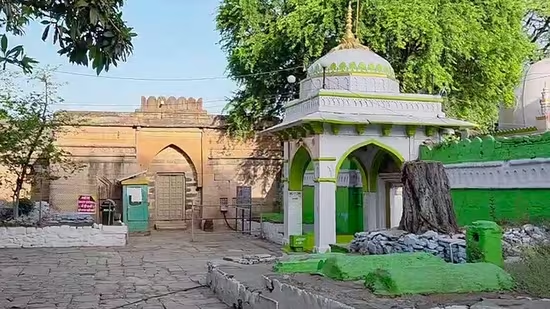
The Madhya Pradesh High Court on Friday declared the Bhojshala-Kamal Maula Mosque structure in Dhar a Hindu temple of Goddess Vagdevi (Saraswati), in a ruling built, to a notable degree, upon principles from the Supreme Court's 2019 Ayodhya judgment.
The HC bench of Justices Vijay Kumar Shukla Alok Awasthi quashed a 2003 ASI order that had regulated worship at the site between Hindus and Muslims; and instead asked the state government to consider allotting separate land within Dhar district to the Muslim community for a mosque. A Jain claim over the site could not convince the bench.
The dispute in the immediate was centred on an order of the Archaeological Survey of India in 2003 that allowed Muslims access to the complex for Friday namaz; Hindus were permitted to hold traditional ceremonies on Basant Panchami each year, and were given access every Tuesday. It was this arrangement, governing a monument that had been under ASI control since 1904, that the Hindu petitioners challenged as unconstitutional and illegal. It led to also the larger question of whether the main structure was a temple or a mosque.
Ayodhya framework drawn from 10 principles
To determine the religious character of the site, the court drew on the Supreme Court's 2019 Ram Janmabhoomi verdict. The Advocate General of the state had compiled 10 principles from that judgment and placed them before the court.