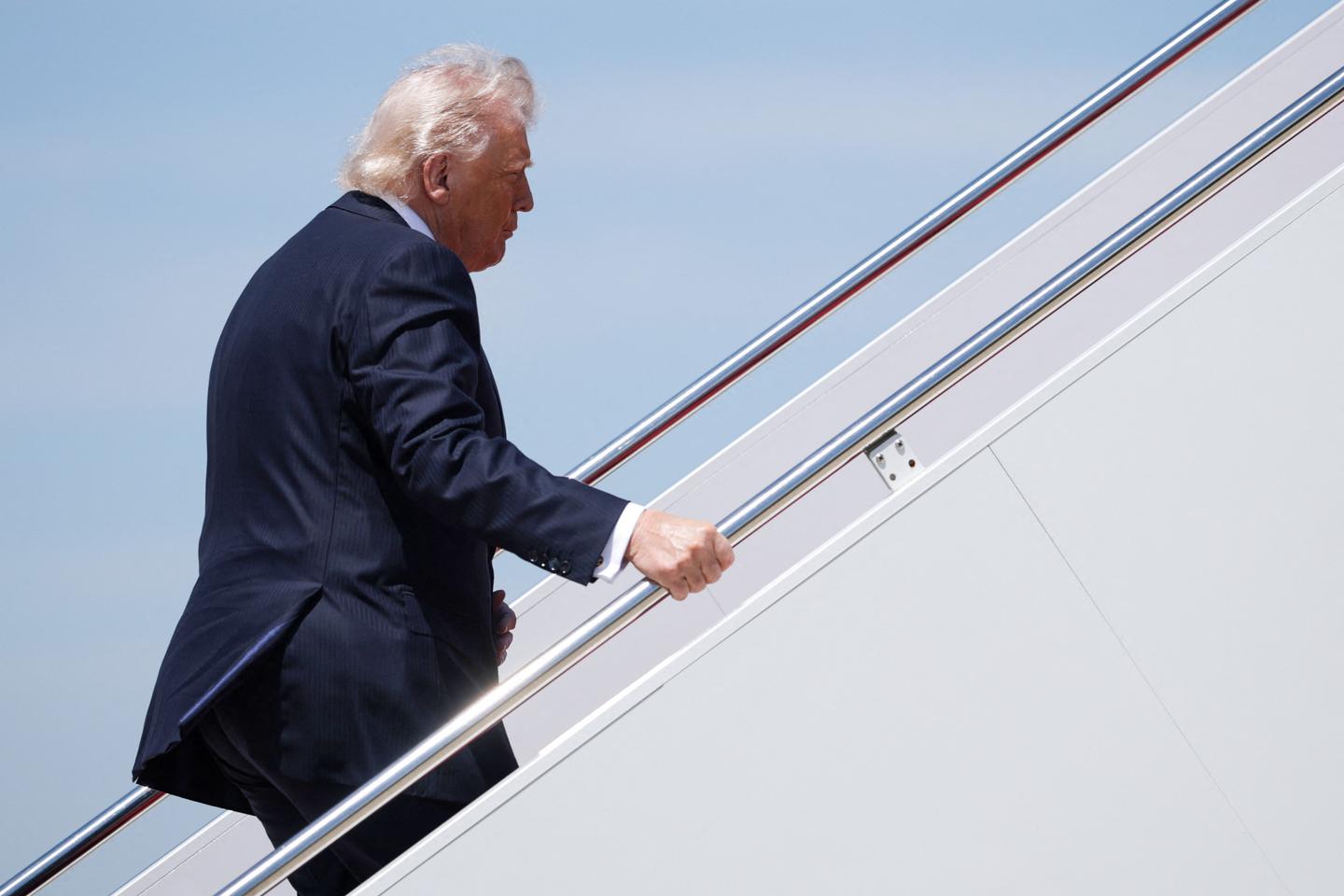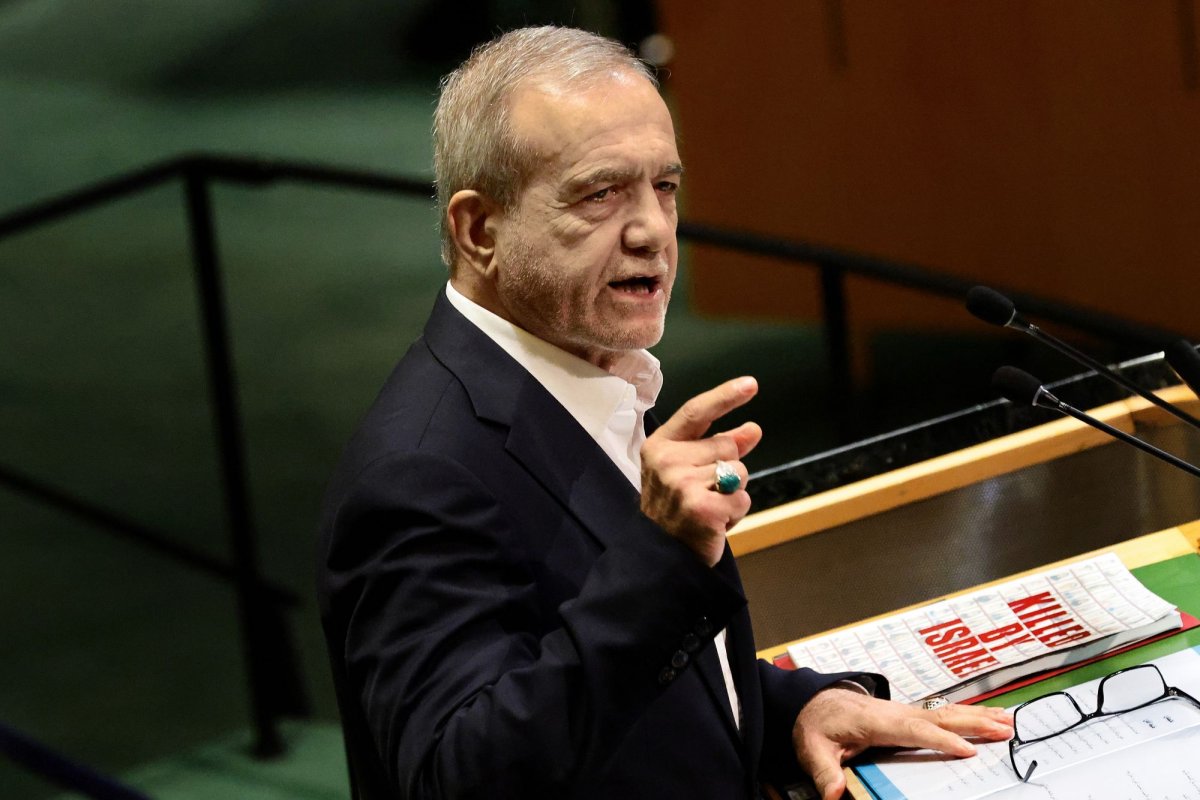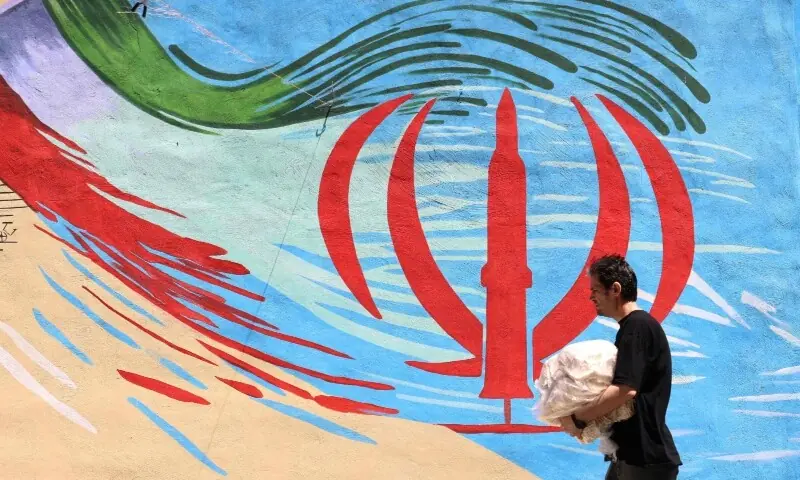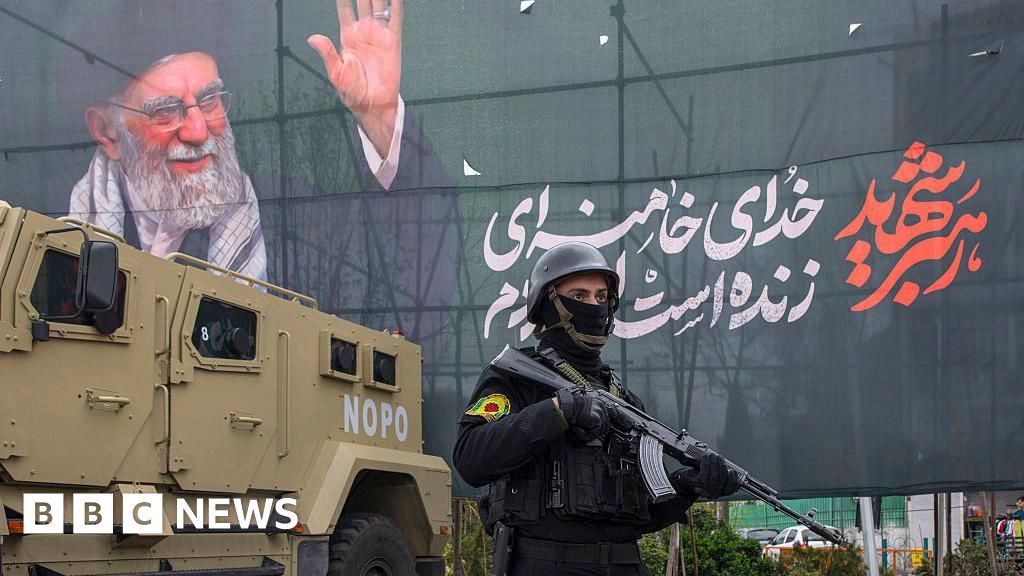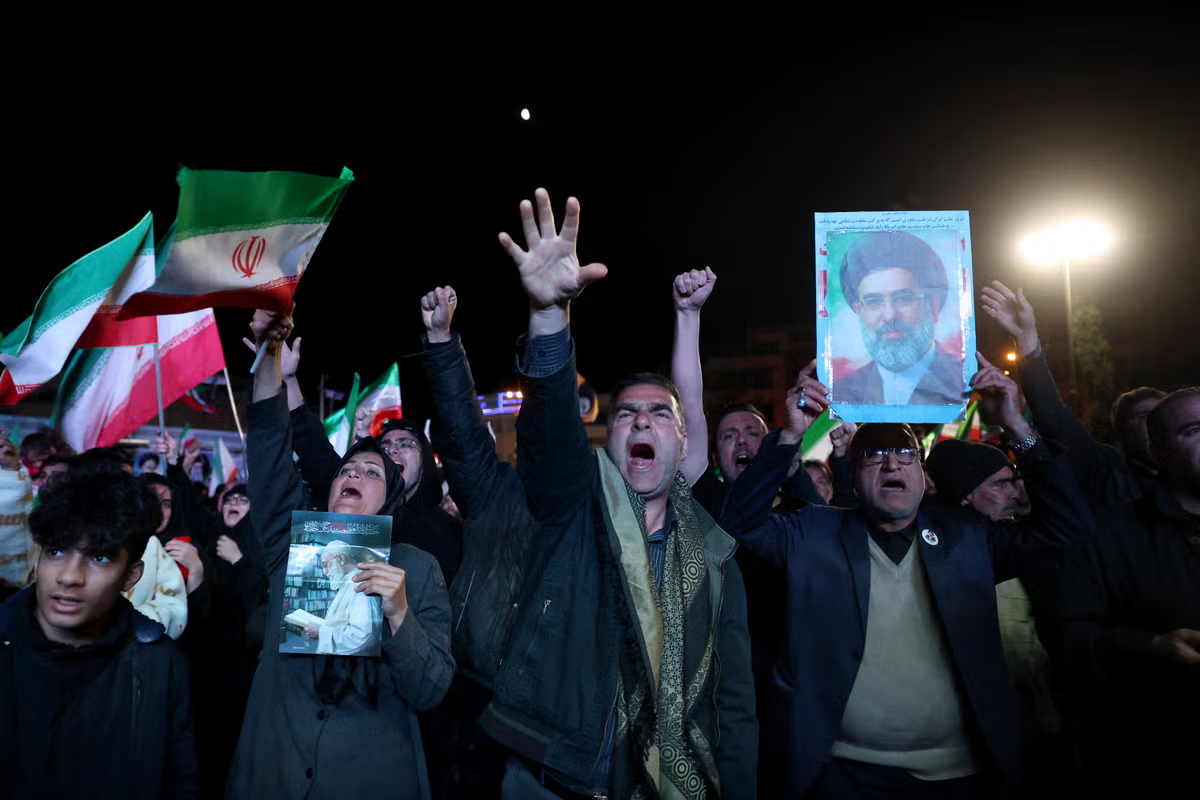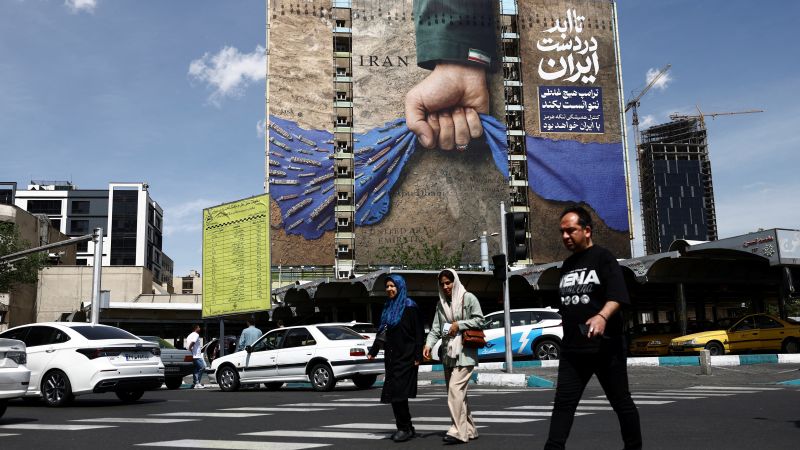
The United States waited 10 days for Iran’s response to its framework for ending the war. When Tehran’s demands arrived Sunday, they signaled that the Islamic Republic remains intent on extracting victory despite President Donald Trump’s push for regime surrender.
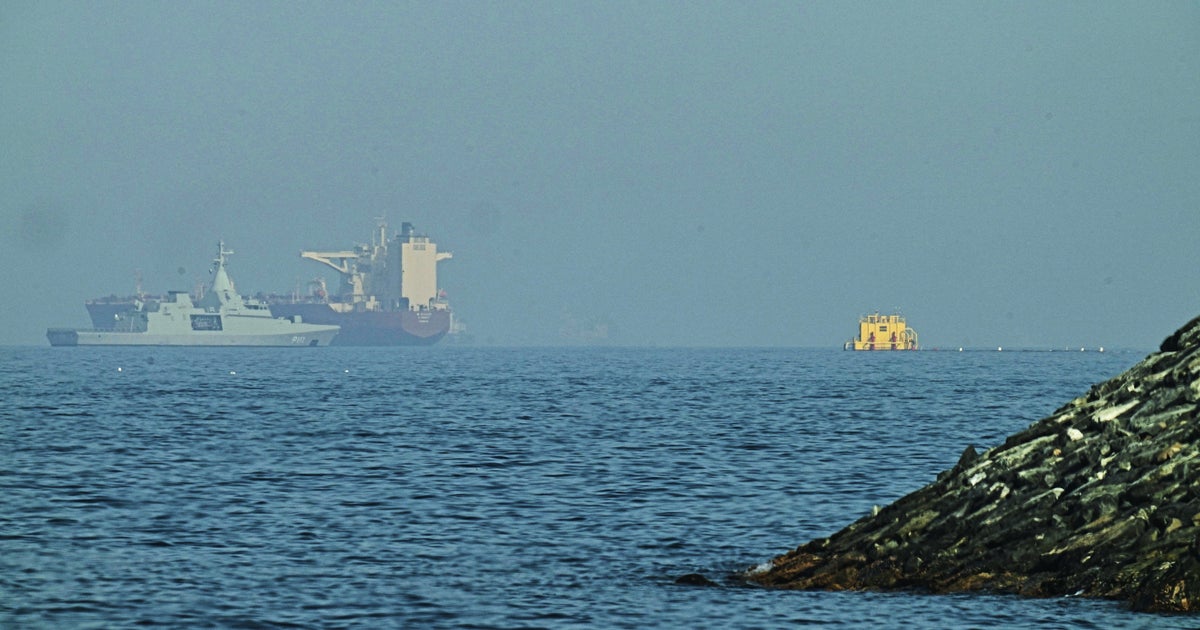
Neither side has publicly released the exact terms under negotiation, but Iranian state media reported that Tehran sought in its response a complete end to the war, formal recognition of its sovereignty over the Strait of Hormuz and full sanctions relief.
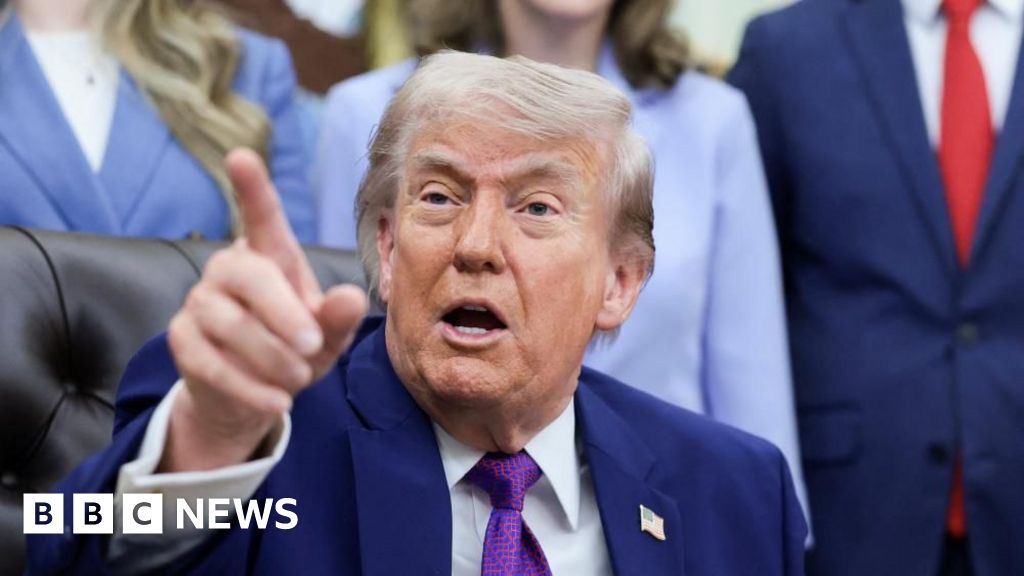
The emboldened demands formed a counterproposal that Trump swiftly rejected. He deemed it “totally unacceptable” before calling it “a piece of garbage.”
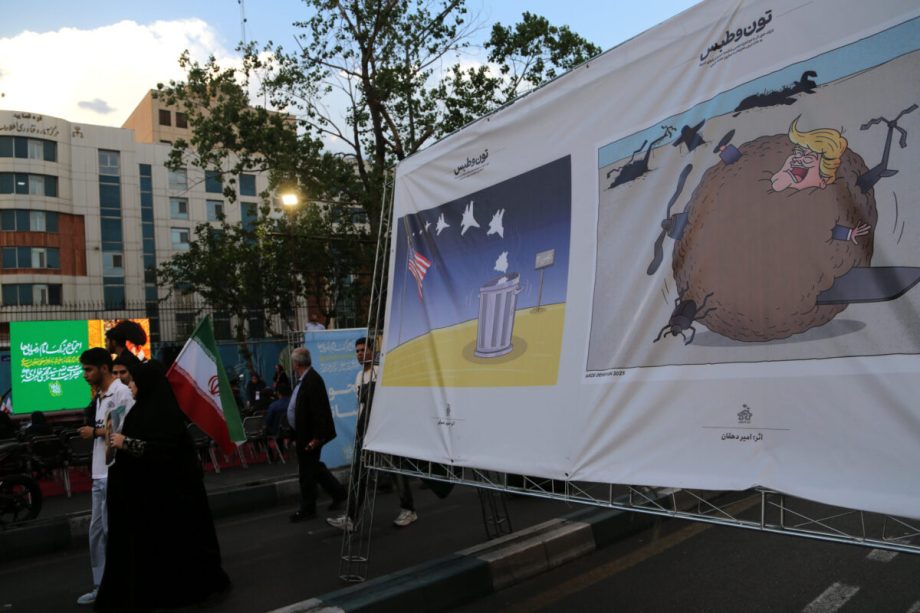
It remains unclear which specific elements Trump objected to amid the obscurity shrouding the proposal. Iranian state media have consistently framed Tehran’s position throughout the war as one of strength in keeping with the government’s apparent effort to project an Iranian victory to its domestic audience.
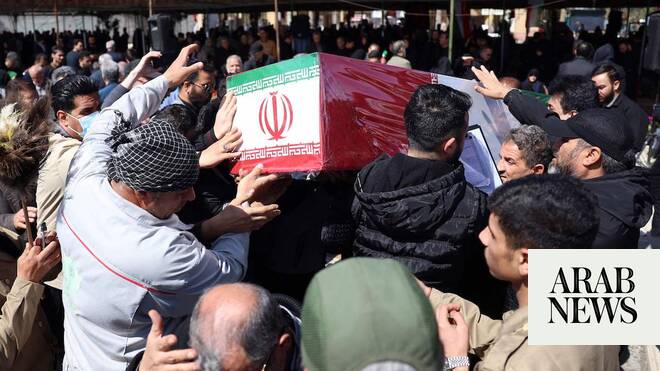
Since the US and Israel launched attacks on Iran more than 10 weeks ago, the Islamic Republic has pursued a strategy that firmly rejects any signal of capitulation. Instead, Tehran portrays a readiness to prolong the conflict if necessary to increase pressure on Washington and extract major commitments that would strengthen the regime financially and secure its long-term survival.