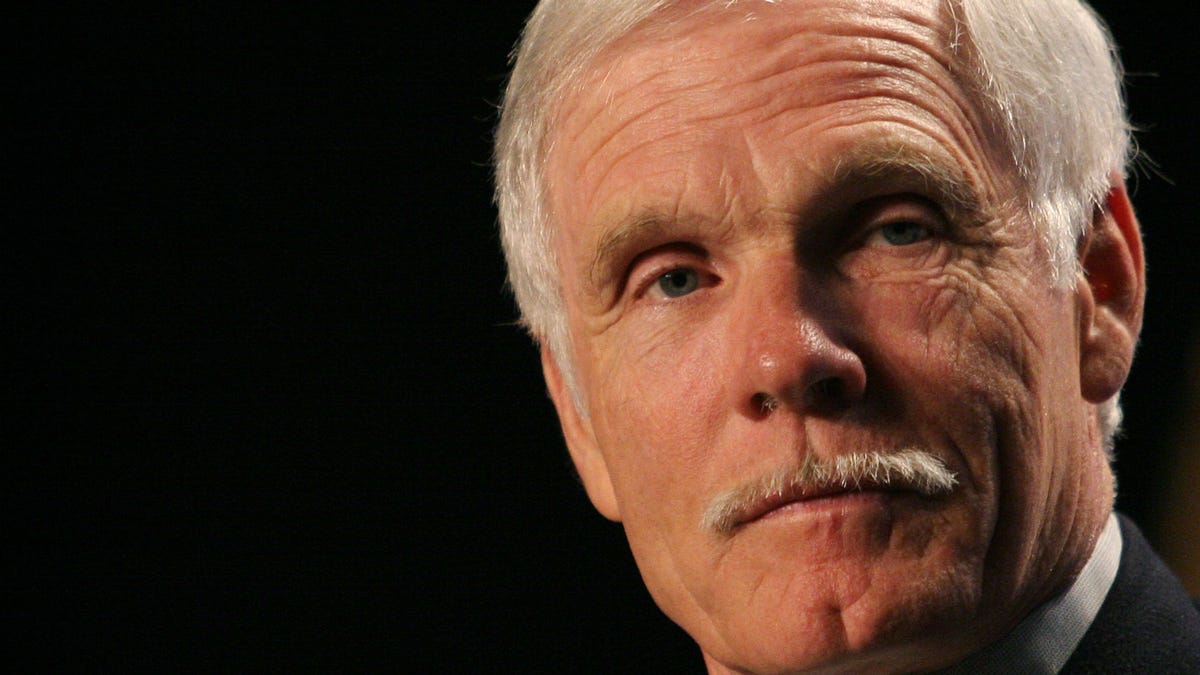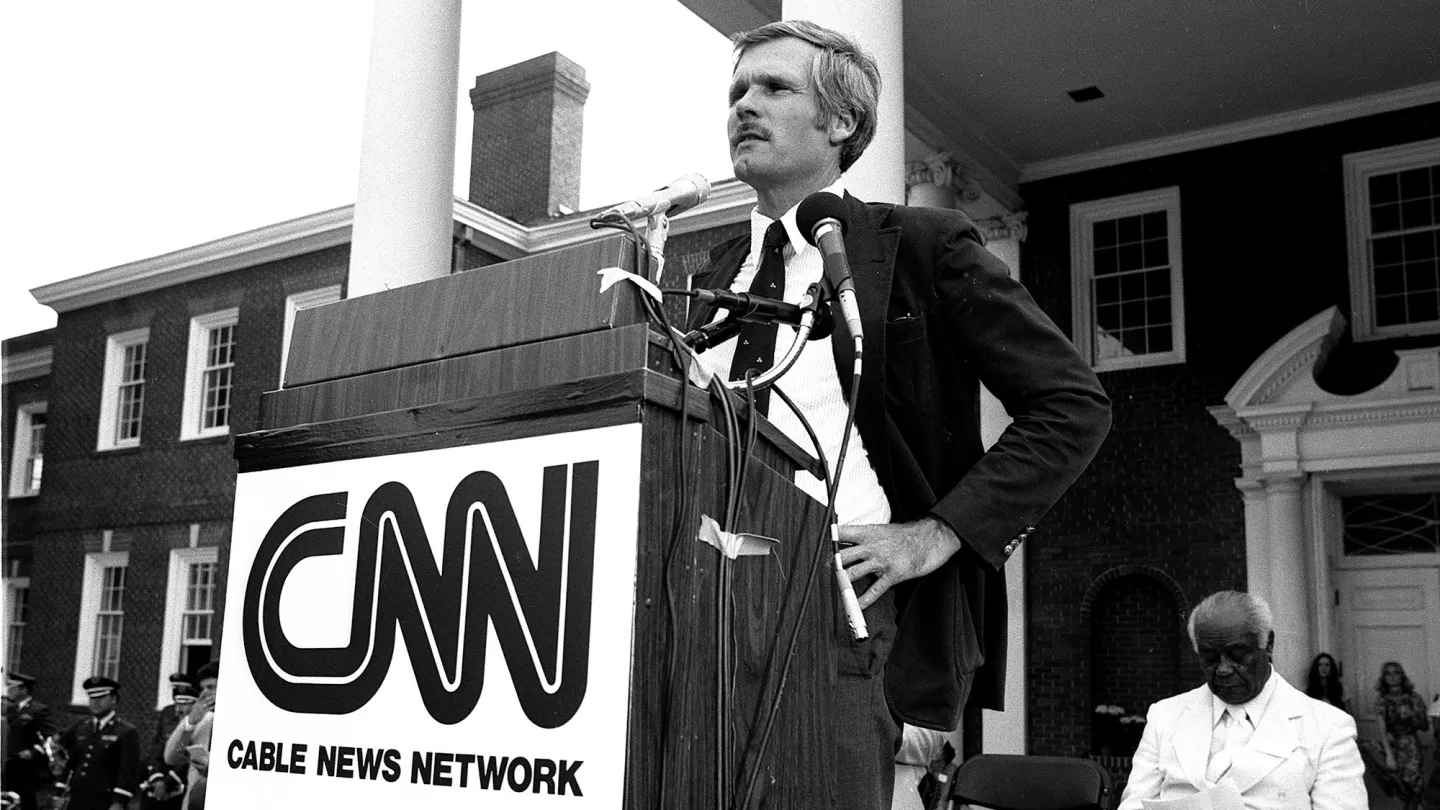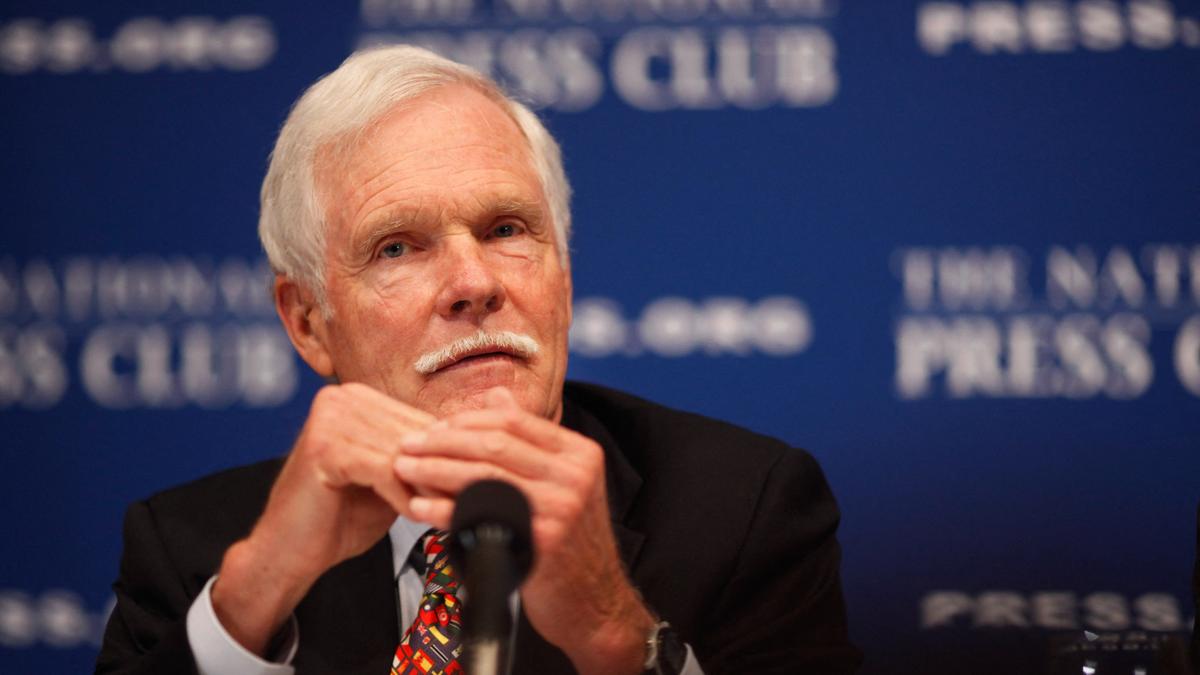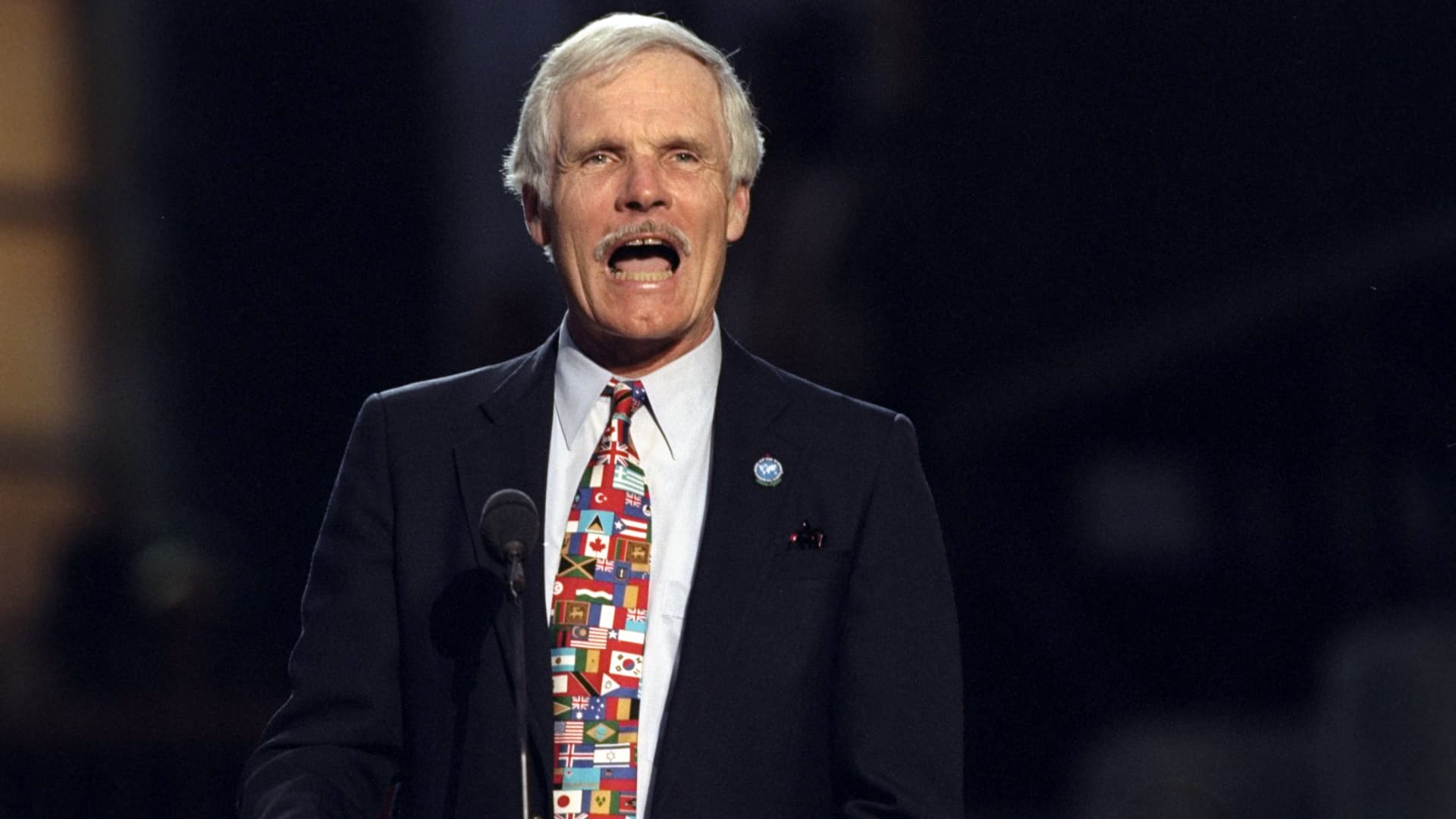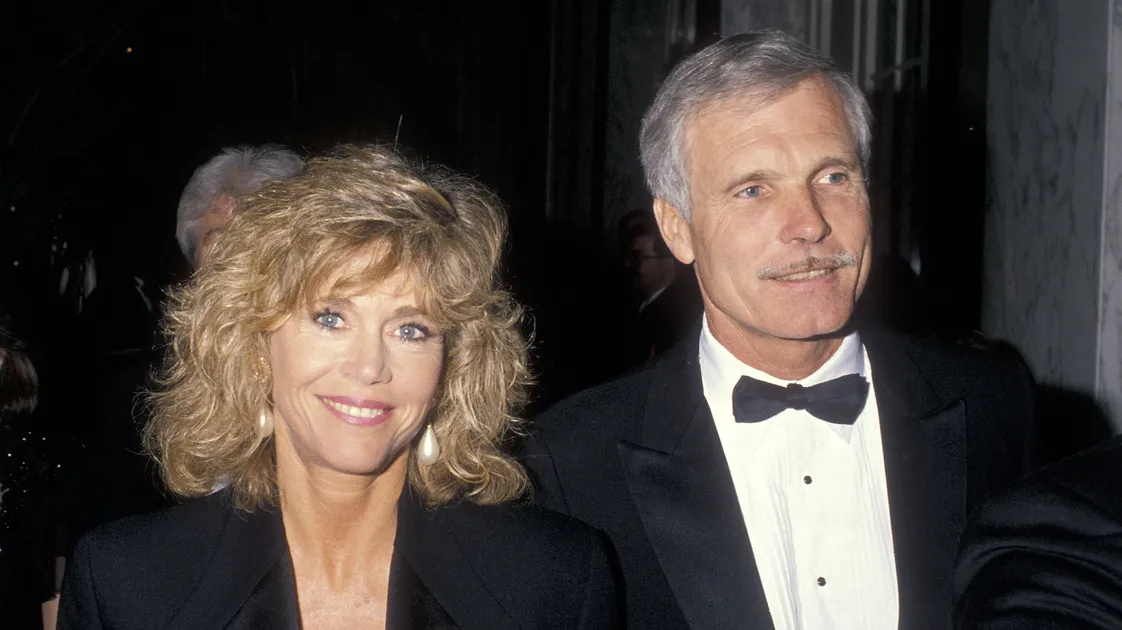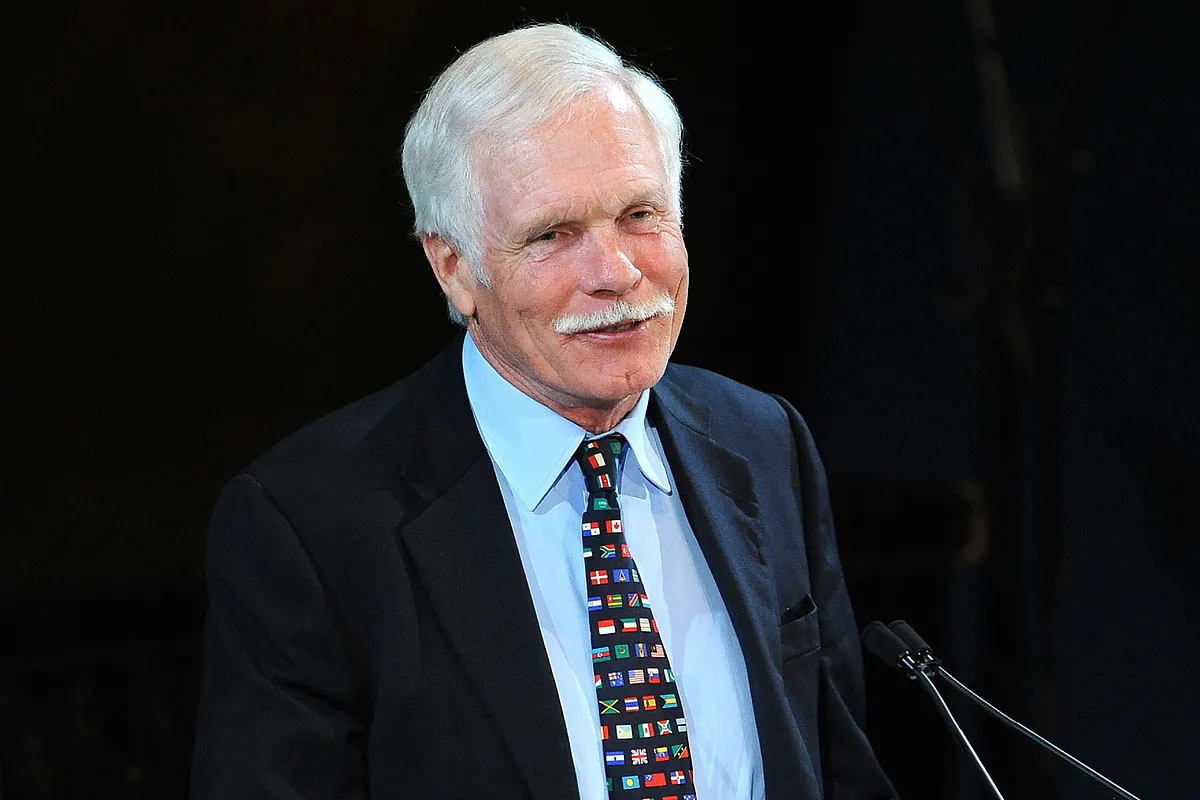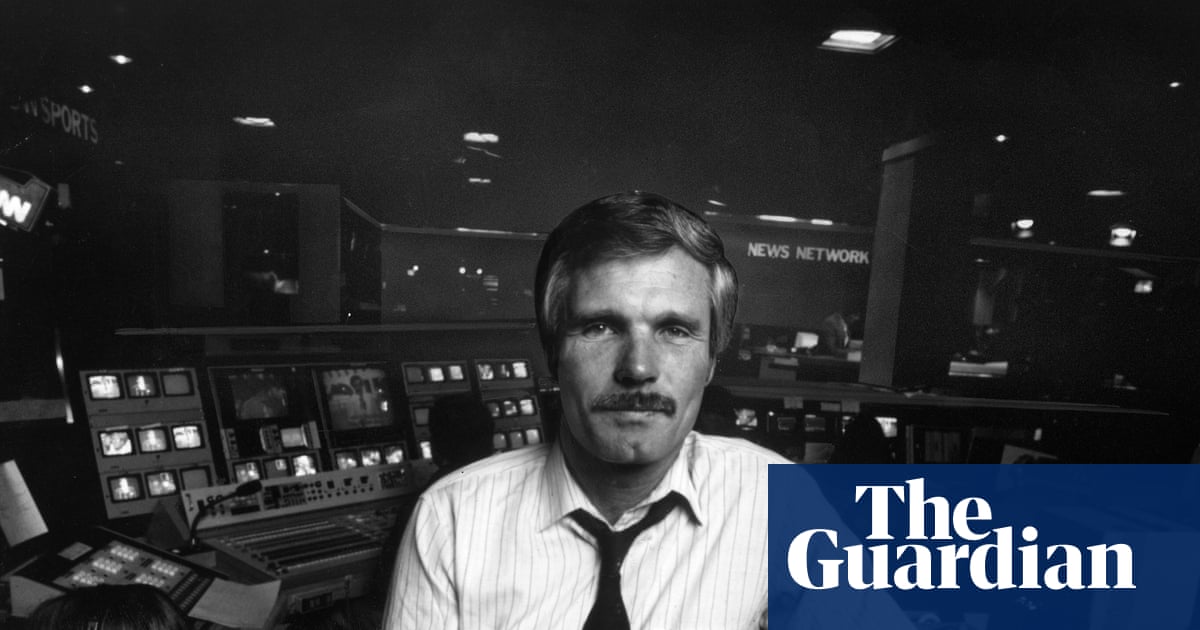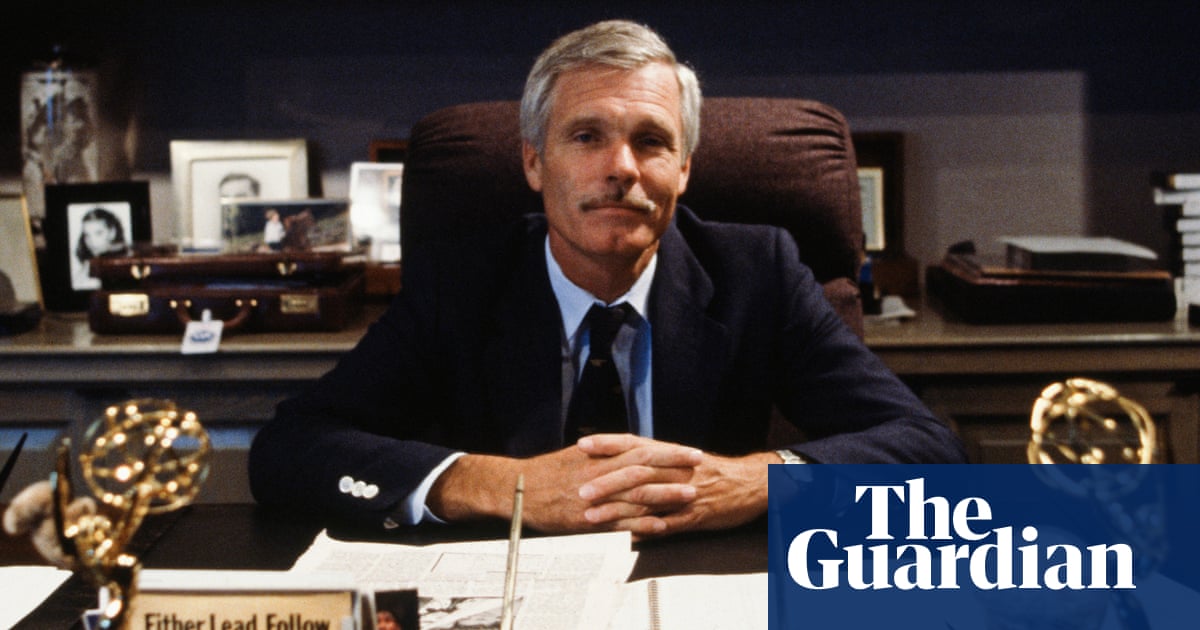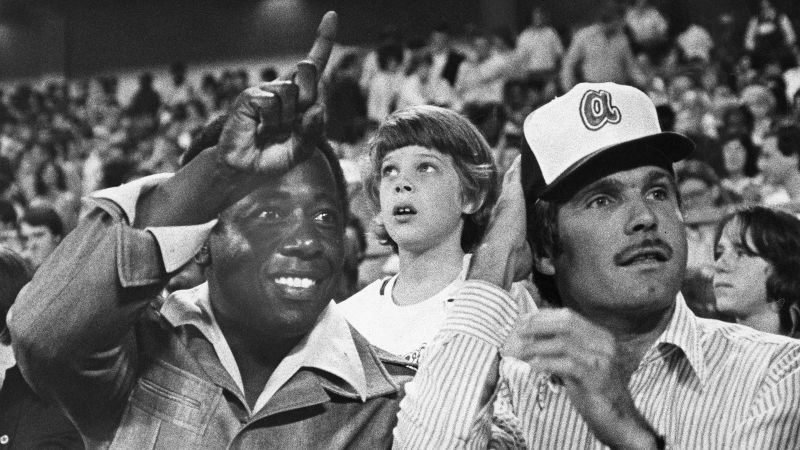
When Ted Turner bought the Atlanta Braves in 1976, he was not buying a baseball dynasty. He was buying content.
The Braves at that time were perpetually near the bottom of the league. They were not yet “America’s Team,” and on most nights they barely even looked like Atlanta’s team. A decade after relocating from Milwaukee, the team routinely played before thousands of empty seats. There were rumors of relocating once again.
But Turner, who died Wednesday at age 87, saw an opportunity: He had a national TV station in need of programming. The FCC had cleared the way for WTCG, later known as TBS, to become the first-ever “superstation,” using satellites to transmit across the country.
And so, starting in 1977, Turner turned the Atlanta Braves into a nightly content machine. Their games began beaming into households across the country, night after night, summer after summer.
It was an audacious, deeply Turner-esque media play. The Braves did not have to be good to be valuable; they just had to be on. And in an era before every MLB game could be summoned on a smartphone, being on every night mattered.