Oil prices fell Tuesday after posting sharp gains at the start of the week as fresh attacks in the Gulf raised doubts about the durability of a ceasefire between the United States and Iran.
Brent crude, the global oil benchmark, was down 1.4% to $112.9 a barrel early in the US morning, after jumping 5.8% on Monday to settle at $114.4 –– its highest closing price in 2026. West Texas Intermediate (WTI), the US benchmark, declined 2% to $104.2 a barrel, having gained 4.39% to close at $106.42 on Monday.
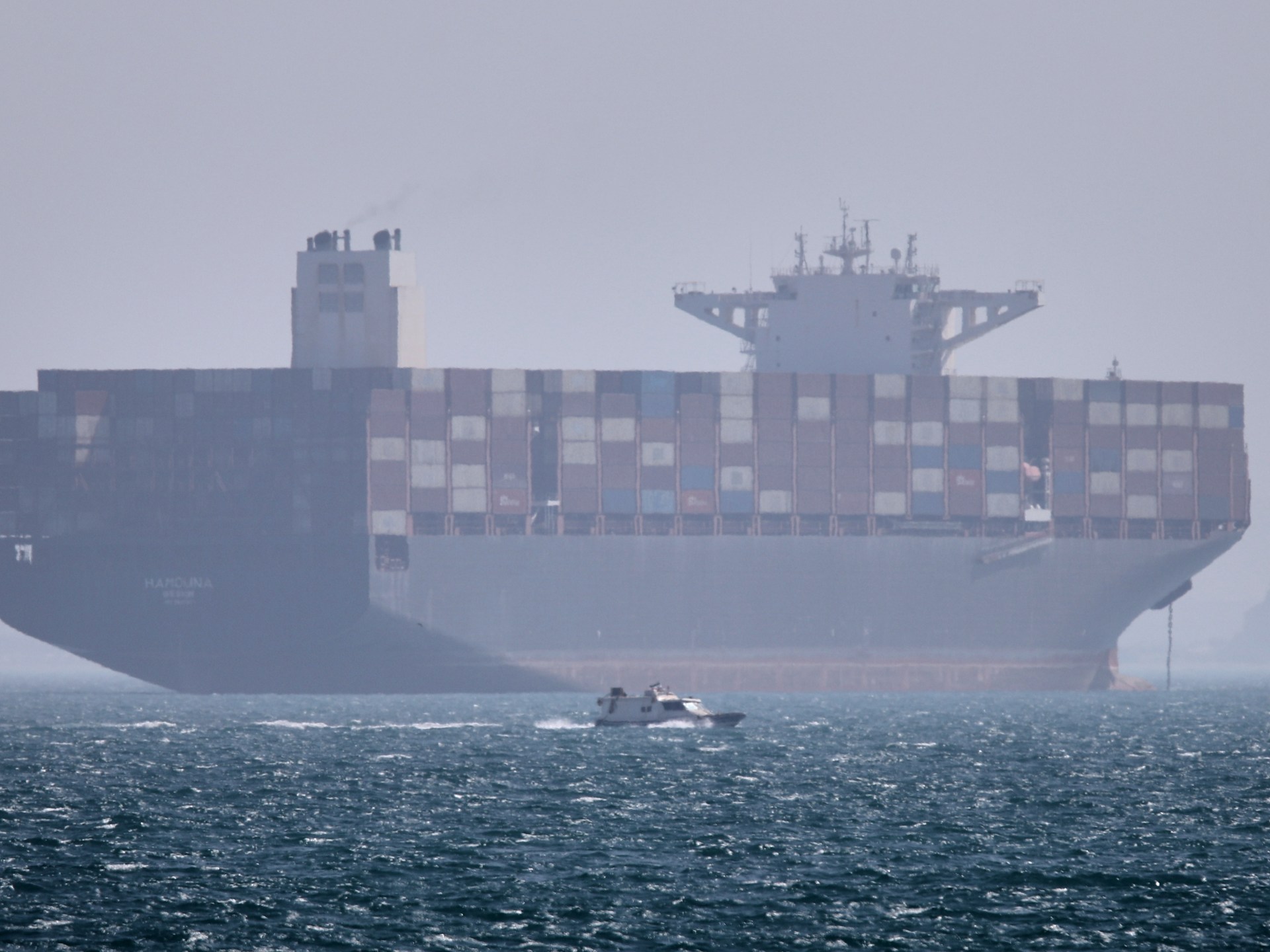
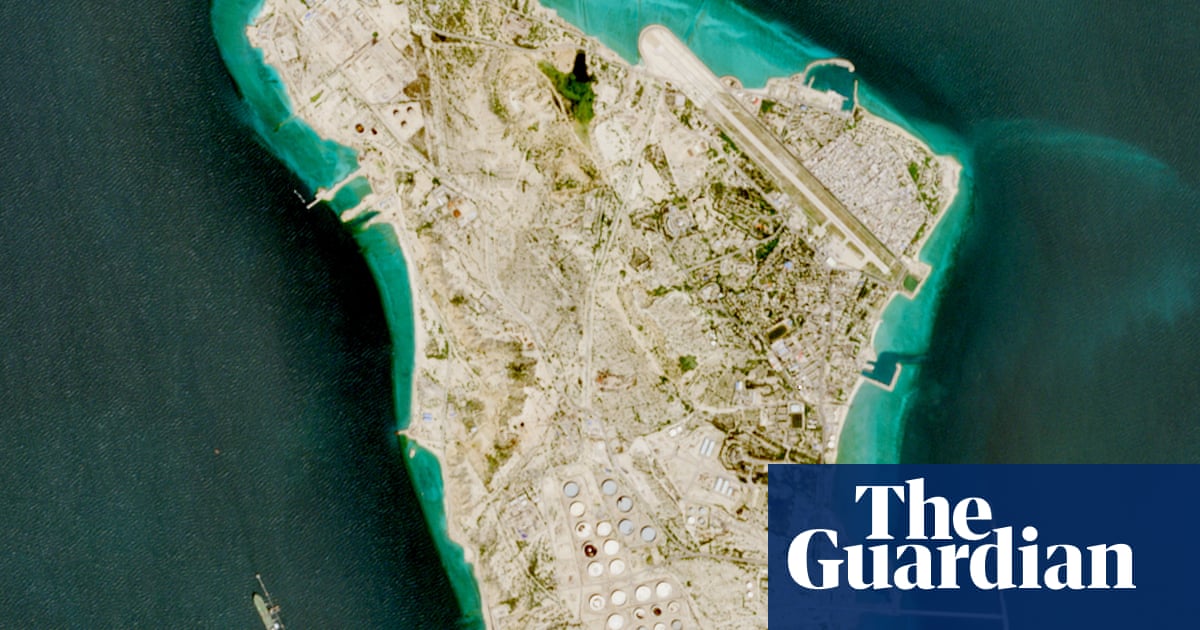
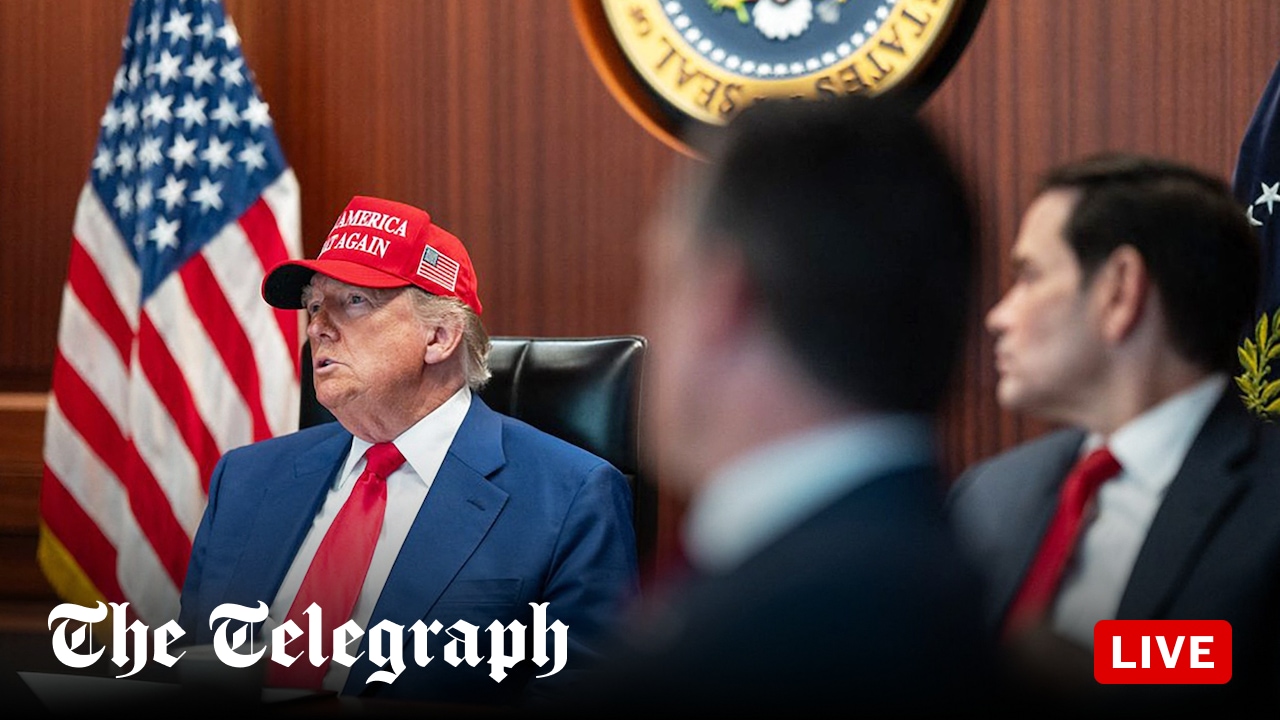
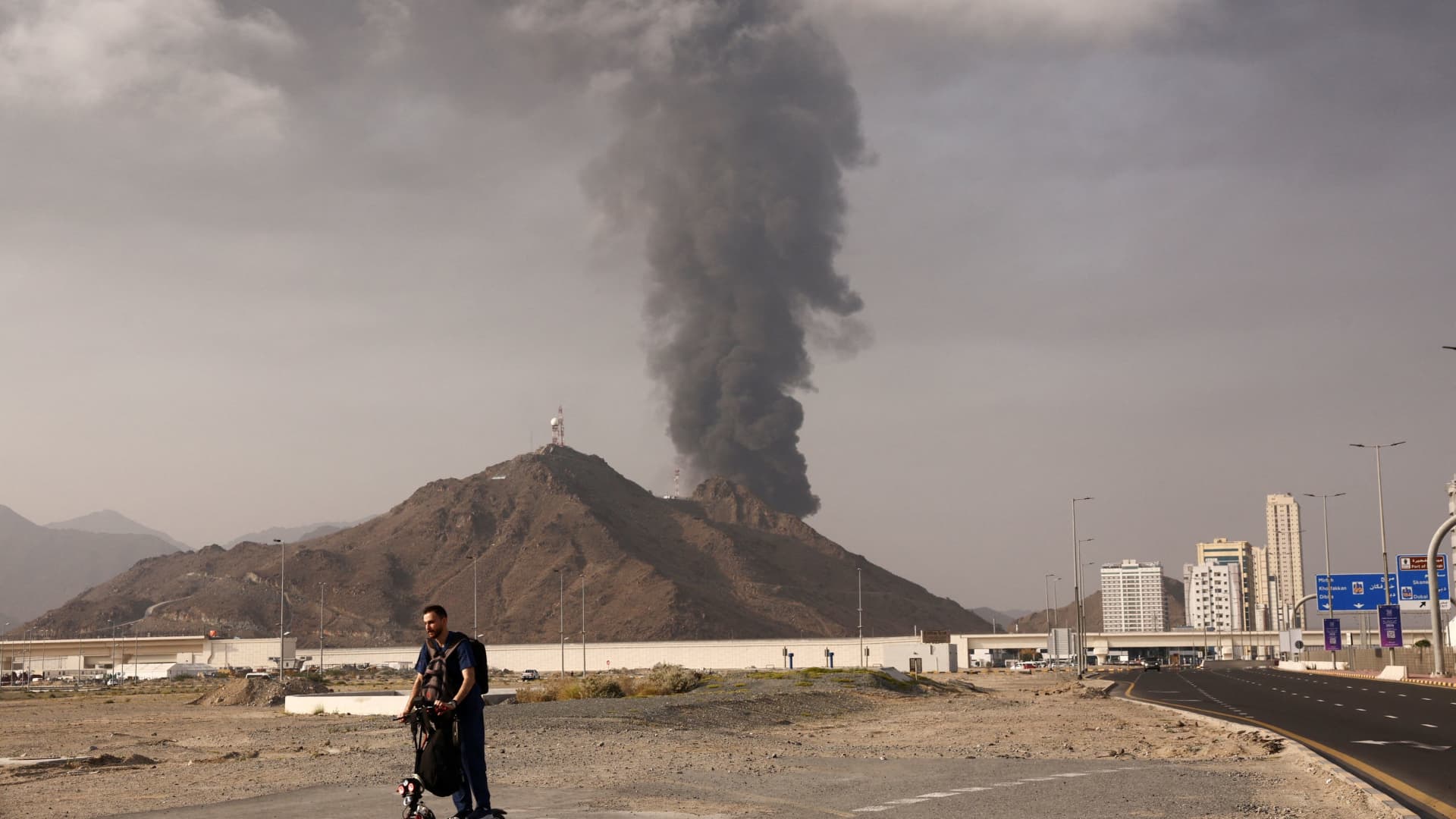
US President Donald Trump’s new plan to guide ships through the blocked Strait of Hormuz was met with renewed Iranian attacks in the Gulf, including on a major oil port in the United Arab Emirates. Both sides are looking to “exert influence” over the strait, Deutsche Bank analysts wrote in a note.
“Oil markets also moved to price rising risks of persistent disruption,” the analysts added. They noted that Brent futures contracts for delivery of physical crude in 6 months’ time posted their largest daily increase since March 2022 on Monday to reach $91.99 a barrel.
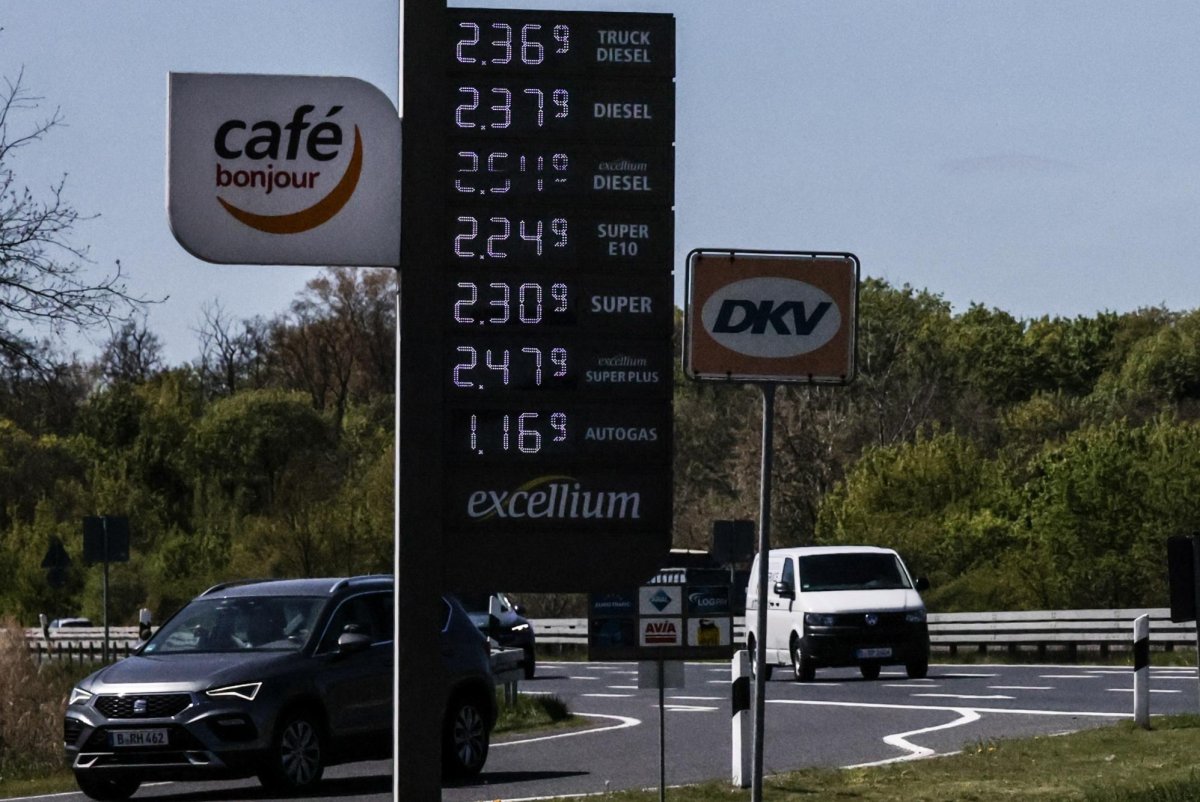
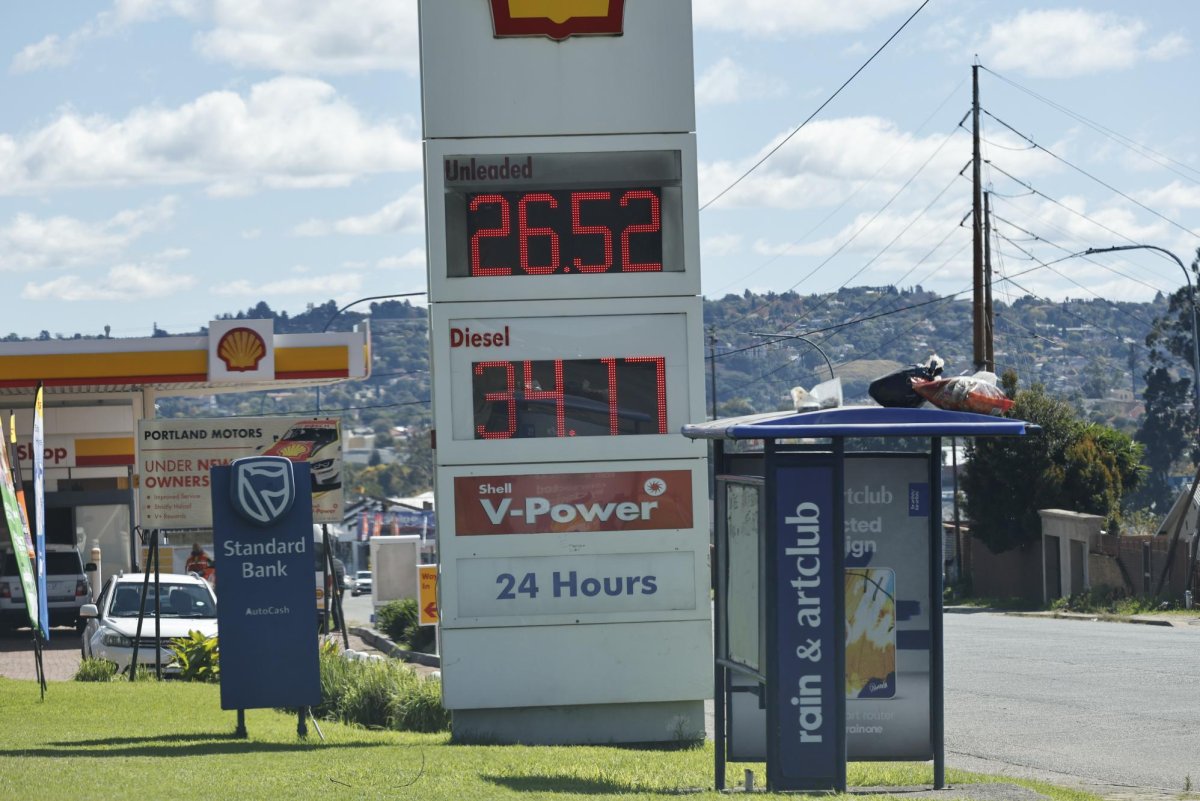
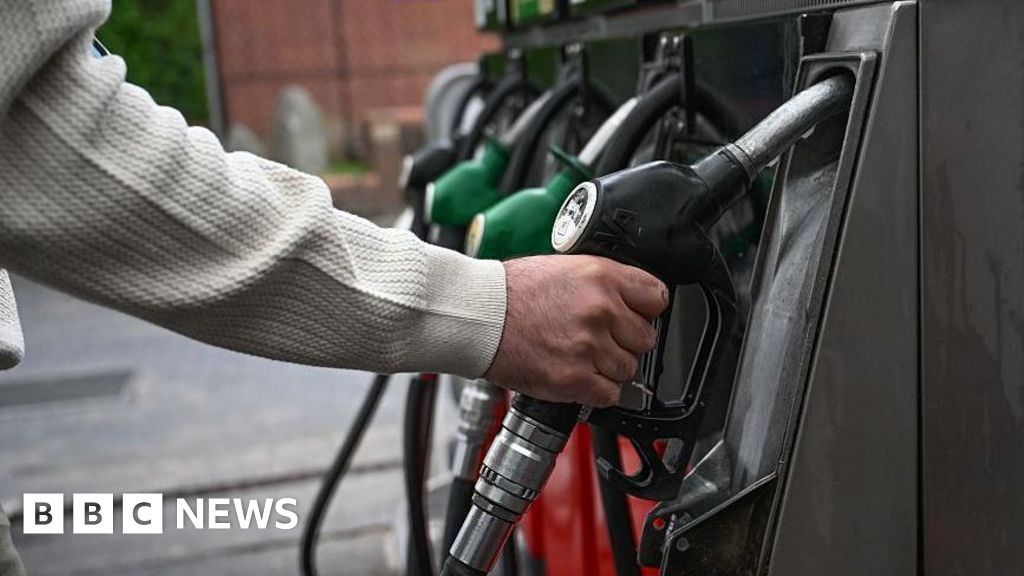
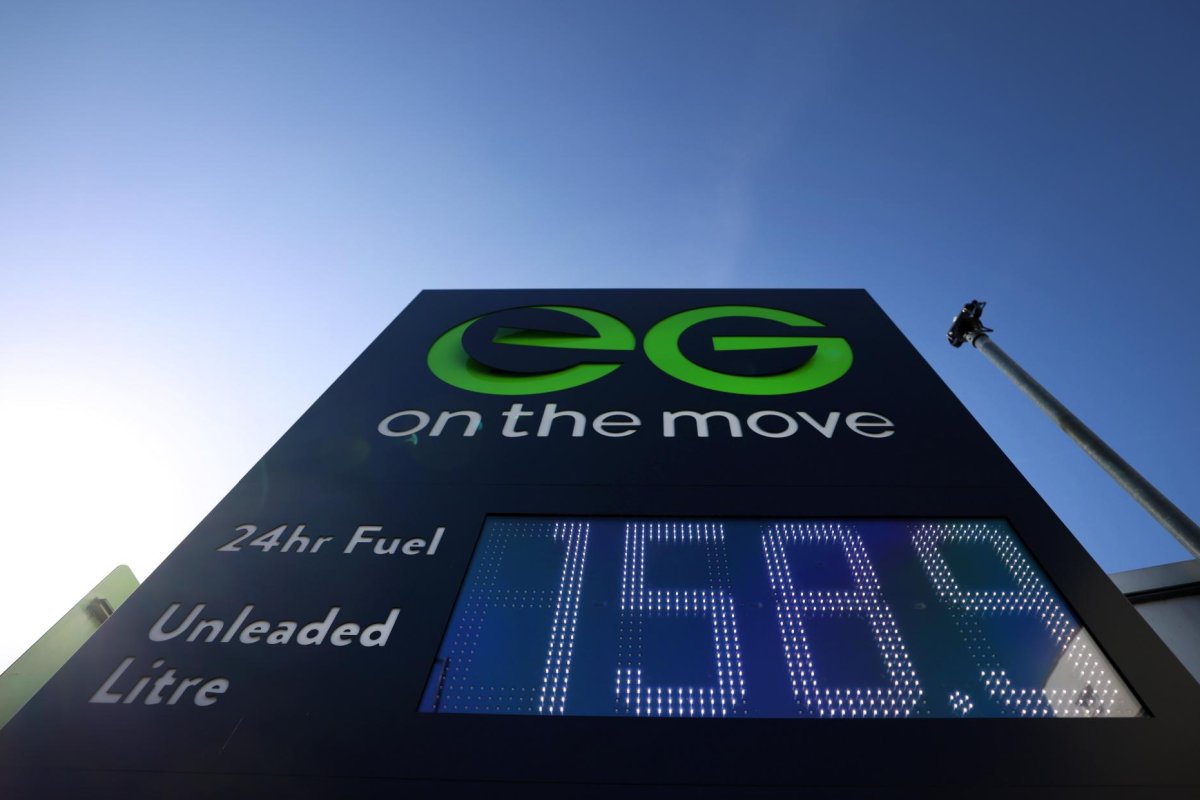
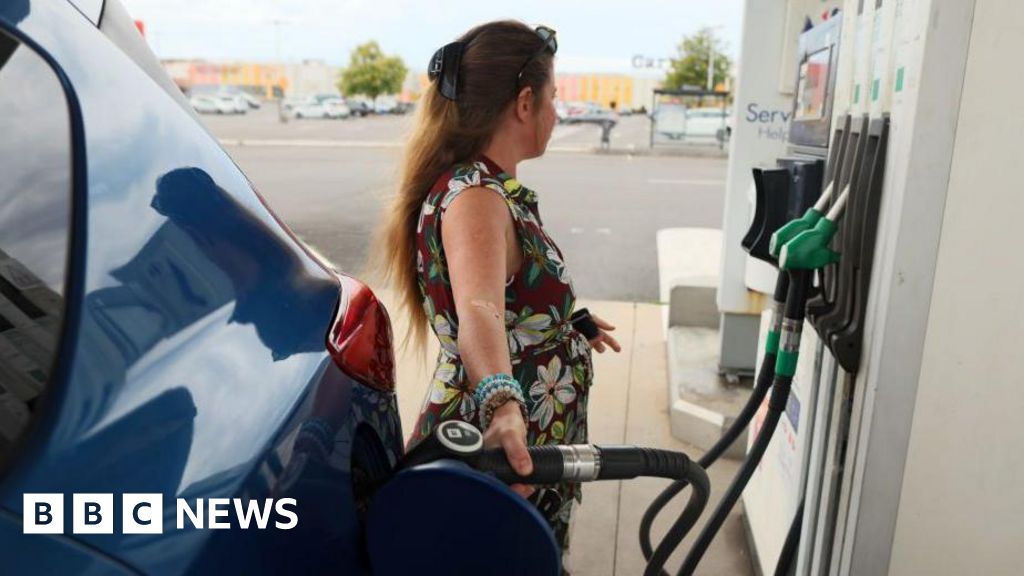
The United States is not immune from the energy shock, despite being the world’s largest oil producer. The average national price of a gallon of gasoline rose to $4.48 Tuesday, from an average of $2.98 a gallon before the war started, according to AAA.