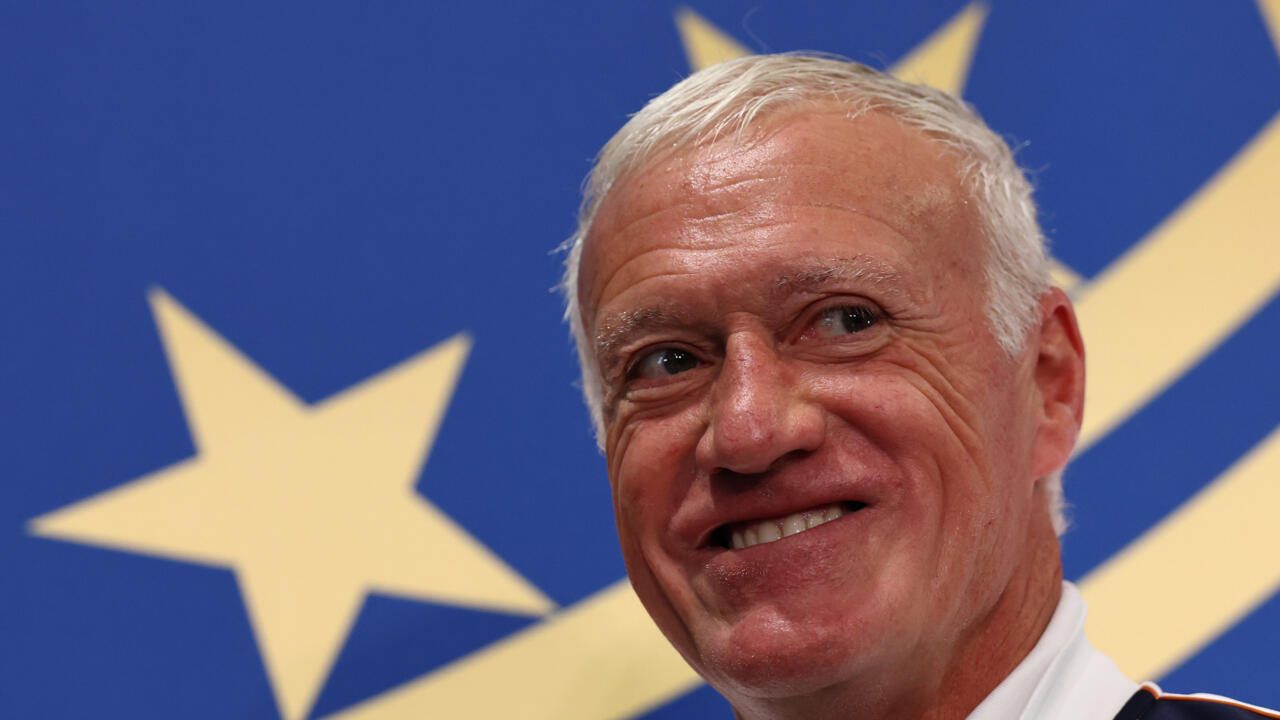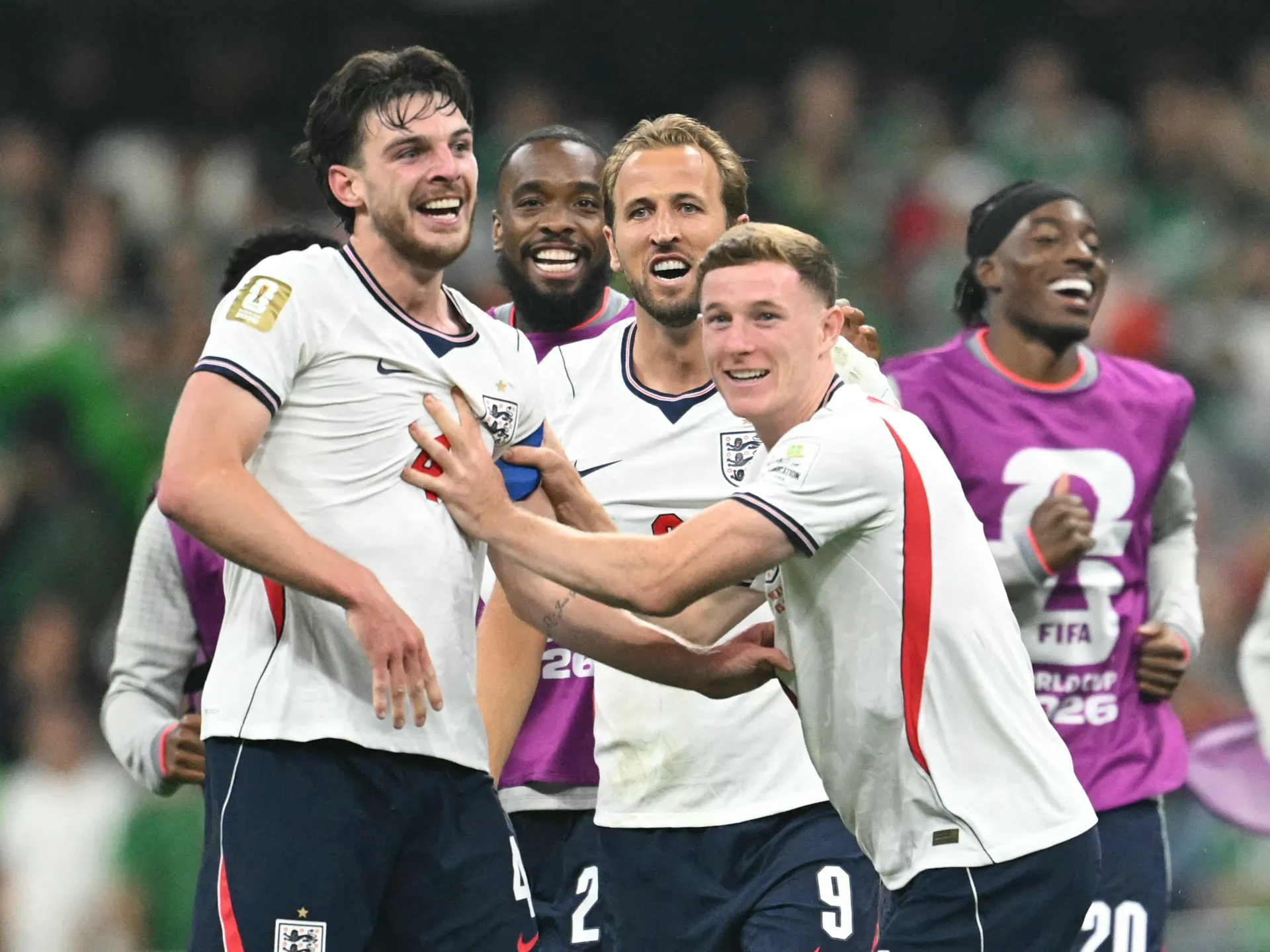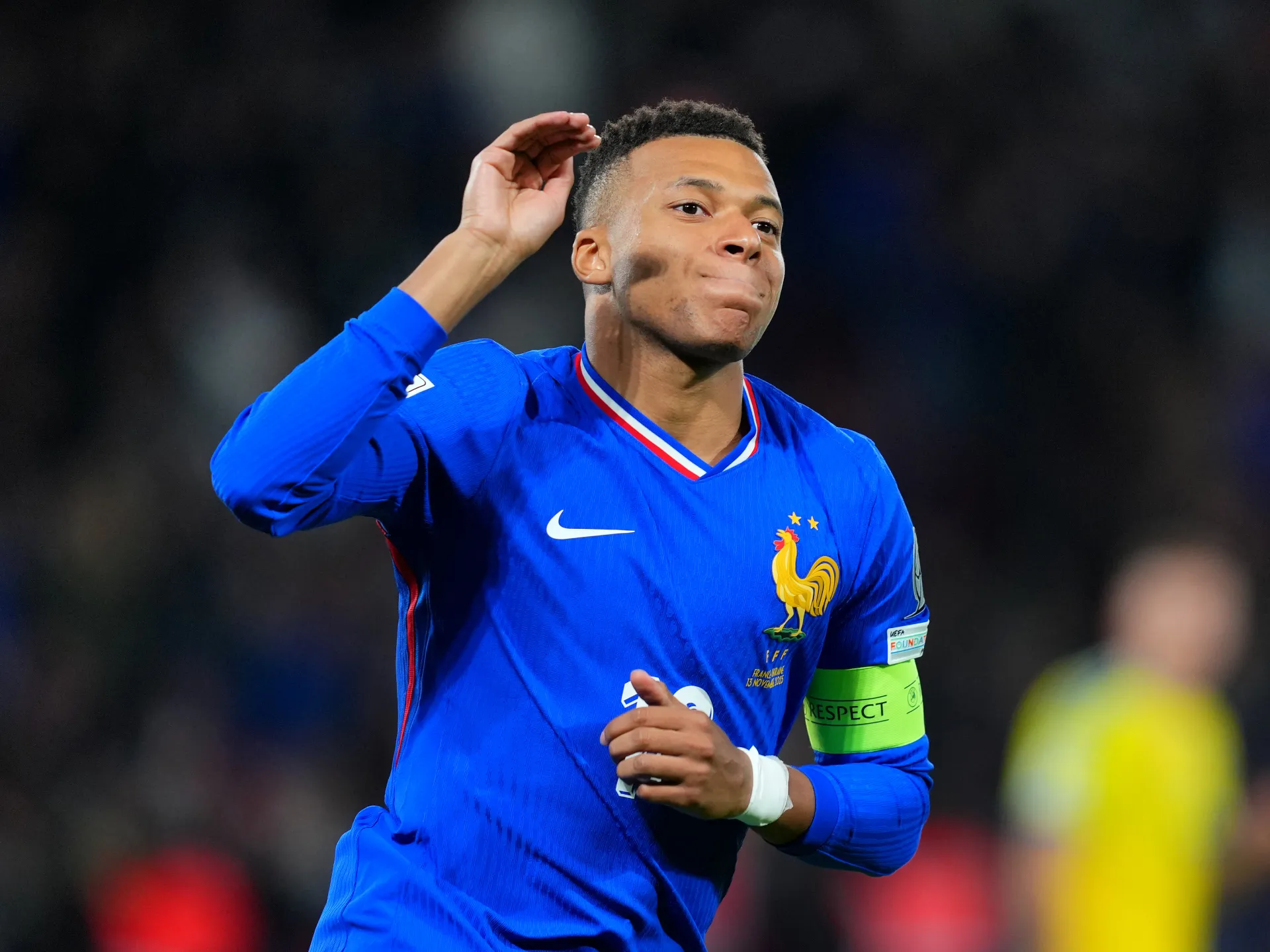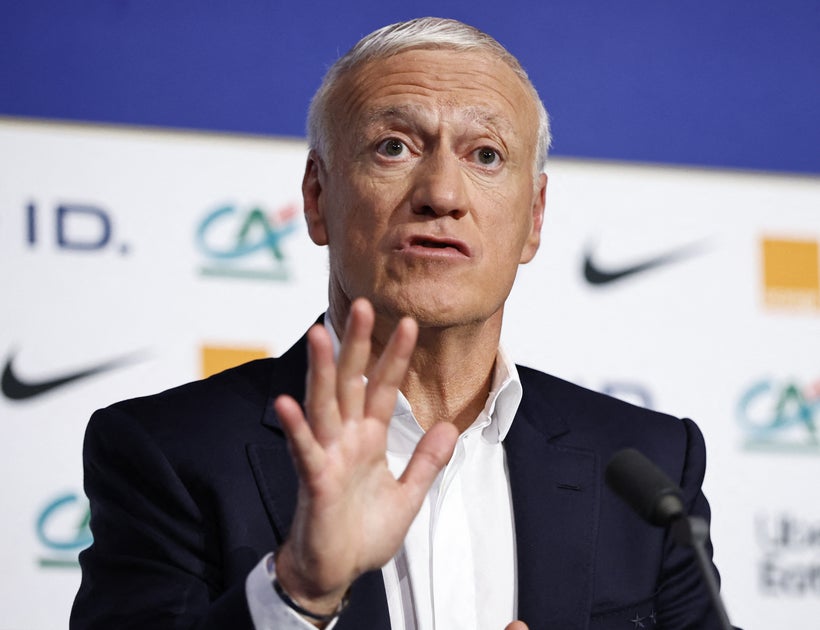
The 2026 FIFA World Cup kicks off in June — and HuffPost will be live-blogging every twist, turn and controversy from the buildup through the final of what’s widely shaping up to be the most political soccer tournament of all time.From the action on the pitch to the potential chaos off it, the storylines are already piling up: Iran’s possible non-participation amid Donald Trump’s war, the president’s close relationship with FIFA’s Peace Prize-awarding President Gianni Infantino, and simmering tensions between the U.S. and fellow host nations Mexico and Canada fueled by Trump’s tariffs and divisive rhetoric.Trump’s travel bans could keep some fans out, there’s been fury over soaring ticket prices, and Immigration and Customs Enforcement agents could be present at games as the Trump administration continues its anti-immigration crackdown.Not to mention extreme heat concerns that scorched all those involved the last time the U.S. hosted the tournament some 32 years ago, in 1994.And that’s all before a ball has been kicked.U.S. President Donald Trump received the FIFA Peace Prize from FIFA President Gianni Infantino in December.Andrew Harnik via Getty ImagesOn the field, the men’s national teams from 48 countries will compete in a record 104 matches across the three host nations in what will be the biggest World Cup in history.Mexico will take on South Africa at the iconic Mexico City Stadium in the opening game on June 11. The U.S. will play Paraguay in Los Angeles on June 12, Australia in Seattle on June 19 and Turkey back in Los Angeles on June 25, in the group games, before potentially competing in the later knockout rounds.The final will be held on July 19 at MetLife Stadium, which is being temporarily rebranded as the New York/New Jersey Stadium for the competition.Current European champions Spain are favorites to lift the trophy. Defending champions Argentina, of Inter Miami’s Lionel Messi fame, along with France, England and Brazil, are also expected to be in the mix.Check out the full games schedule on the FIFA website.Follow along with our coverage below:Coach Of World Cup Favorites Issues Stark First Round WarningFrance coach Didier Deschamps acknowledged his side are among the favourites for the World Cup but urged his players to concentrate on their opening opponents before thinking about advancing deeper into the tournament.Deschamps named his 26-man squad on Thursday for next month’s tournament, where they kick off against Senegal and also meet Iraq and Norway in their group.“France are first in the FIFA rankings, but are we more favourites than Spain, Portugal, Germany, England, Argentina, Brazil, Morocco?” he asked at a press conference after announcing the squad.“I know there are expectations. But we'll have some tough opponents in our first three matches. Let's focus on the first one.“The result is the most important thing; it’s the highest level, there are expectations. The final is a long way off,” Deschamps added.The France coach sprung only mild surprises in his selection, with an uncapped third-choice goalkeeper and the inclusion of the Crystal Palace pair of defenders Maxence Lacroix and striker Jean-Philippe Mateta.“He was very good in March after (William) Saliba’s injury,” Deschamps said of Lacroix’s debut against Brazil and subsequent outing against Colombia.“He can play on both the left and right sides of the centre. Having three options in each position is a safety net. With this squad of nine defenders, five midfielders, and nine forwards, we have different profiles, like Mateta, who has been effective with us and has good stats at his club.“He’s a good, typical centre forward, effective, with two goals in three games with us. Good in the air and a penalty-box striker, who can move around even if he won’t regularly go near the touchline. A different profile and an option that can also be useful,” the coach added about Mateta.Deschamps said he was used to working with a 23-man squad but took 26 players with him for the friendlies against Brazil and Colombia, which were hosted in Boston and Washington DC in March.“It brings more security, but also more complications in managing the players. When we have 23, there are already three or four who don't play, so 26 is going to require more attention from my staff. Everyone wants to play, but some won't necessarily play.“But the competition has changed, with more matches, the temperatures, and the recovery time in between games," he added.See All UpdatesClose
Coach Of World Cup Favorites Issues Stark First Round Warning
The 2026 FIFA World Cup kicks off in June — and HuffPost will be live-blogging every twist, turn and controversy from the buildup through the final of what’s widely shaping up to be the most political soccer tournament of all time.From the action on the pitch to the potential chaos off it, the storylines are already piling up: Iran’s possible non-participation amid Donald Trump’s war, the president’s close relationship with FIFA’s Peace Prize-awarding President Gianni Infantino, and simmering tensions between the U.S. and fellow host nations Mexico and Canada fueled by Trump’s tariffs and divisive rhetoric.Trump’s travel bans could keep some fans out, there’s been fury over soaring ticket prices, and Immigration and Customs Enforcement agents could be present at games as the Trump administration continues its anti-immigration crackdown.Not to mention extreme heat concerns that scorched all those involved the last time the U.S. hosted the tournament some 32 years ago, in 1994.And that’s all before a ball has been kicked.U.S. President Donald Trump received the FIFA Peace Prize from FIFA President Gianni Infantino in December.Andrew Harnik via Getty ImagesOn the field, the men’s national teams from 48 countries will compete in a record 104 matches across the three host nations in what will be the biggest World Cup in history.Mexico will take on South Africa at the iconic Mexico City Stadium in the opening game on June 11. The U.S. will play Paraguay in Los Angeles on June 12, Australia in Seattle on June 19 and Turkey back in Los Angeles on June 25, in the group games, before potentially competing in the later knockout rounds.The final will be held on July 19 at MetLife Stadium, which is being temporarily rebranded as the New York/New Jersey Stadium for the competition.Current European champions Spain are favorites to lift the trophy. Defending champions Argentina, of Inter Miami’s Lionel Messi fame, along with France, England and Brazil, are also expected to be in the mix.Check out the full games schedule on the FIFA website.Follow along with our coverage below:Coach Of World Cup Favorites Issues Stark First Round WarningFrance coach Didier Deschamps acknowledged his side are among the favourites for the World Cup but urged his players to concentrate on their opening opponents before thinking about advancing deeper into the tournament.Deschamps named his 26-man squad on Thursday for next month’s tournament, where they kick off against Senegal and also meet Iraq and Norway in their group.“France are first in the FIFA rankings, but are we more favourites than Spain, Portugal, Germany, England, Argentina, Brazil, Morocco?” he asked at a press conference after announcing the squad.“I know there are expectations. But we'll have some tough opponents in our first three matches. Let's focus on the first one.“The result is the most important thing; it’s the highest level, there are expectations. The final is a long way off,” Deschamps added.The France coach sprung only mild surprises in his selection, with an uncapped third-choice goalkeeper and the inclusion of the Crystal Palace pair of defenders Maxence Lacroix and striker Jean-Philippe Mateta.“He was very good in March after (William) Saliba’s injury,” Deschamps said of Lacroix’s debut against Brazil and subsequent outing against Colombia.“He can play on both the left and right sides of the centre. Having three options in each position is a safety net. With this squad of nine defenders, five midfielders, and nine forwards, we have different profiles, like Mateta, who has been effective with us and has good stats at his club.“He’s a good, typical centre forward, effective, with two goals in three games with us. Good in the air and a penalty-box striker, who can move around even if he won’t regularly go near the touchline. A different profile and an option that can also be useful,” the coach added about Mateta.Deschamps said he was used to working with a 23-man squad but took 26 players with him for the friendlies against Brazil and Colombia, which were hosted in Boston and Washington DC in March.“It brings more security, but also more complications in managing the players. When we have 23, there are already three or four who don't play, so 26 is going to require more attention from my staff. Everyone wants to play, but some won't necessarily play.“But the competition has changed, with more matches, the temperatures, and the recovery time in between games," he added.See All UpdatesClose