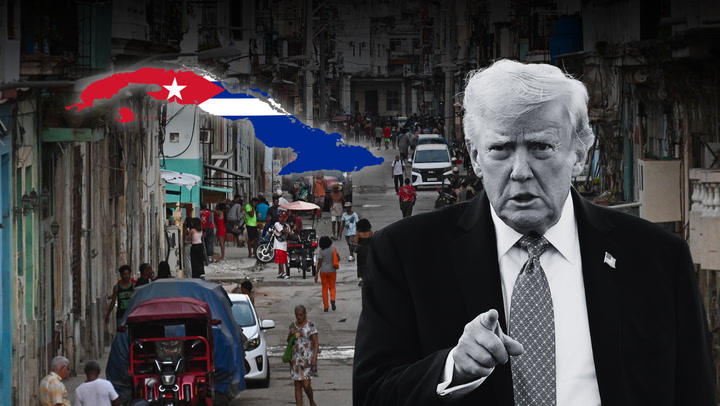
Ever since U.S. commandos successfully removed Nicolás Maduro from power in Venezuela on Jan. 3, 2026, speculation has been growing that “Cuba could be next” on the list of the Trump administration’s targets.
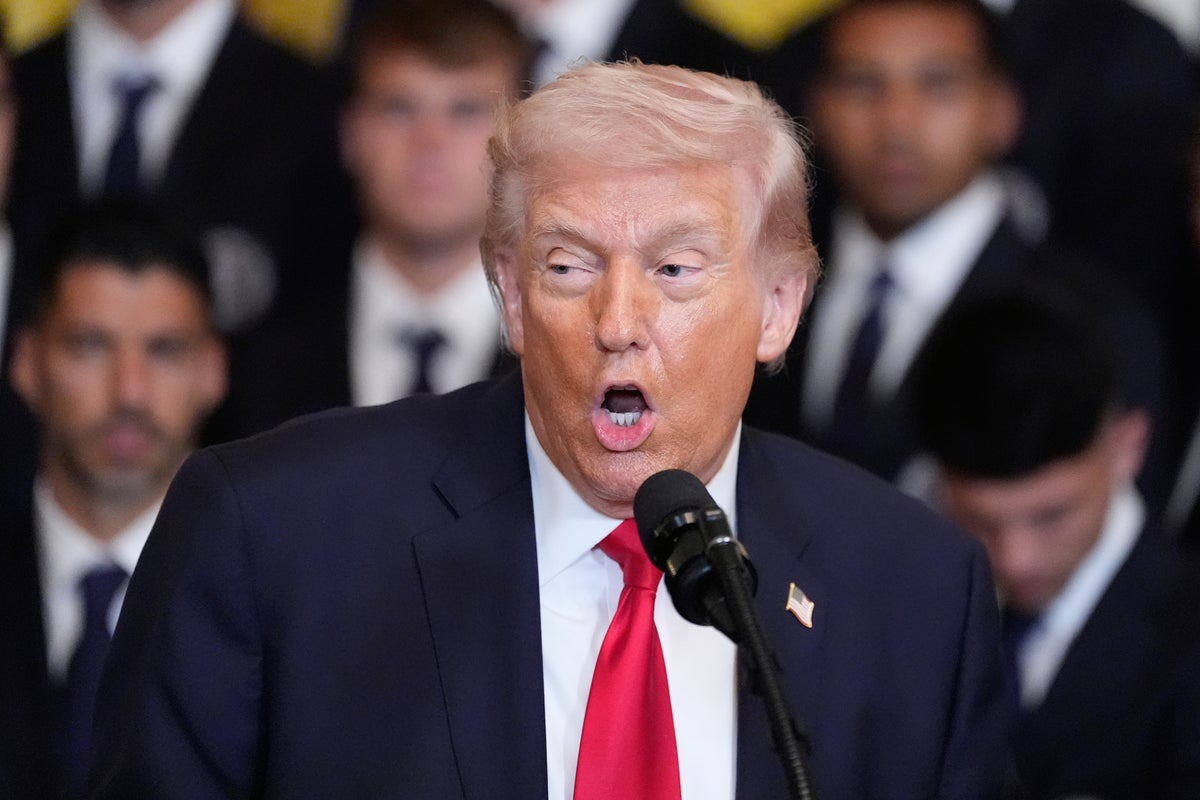
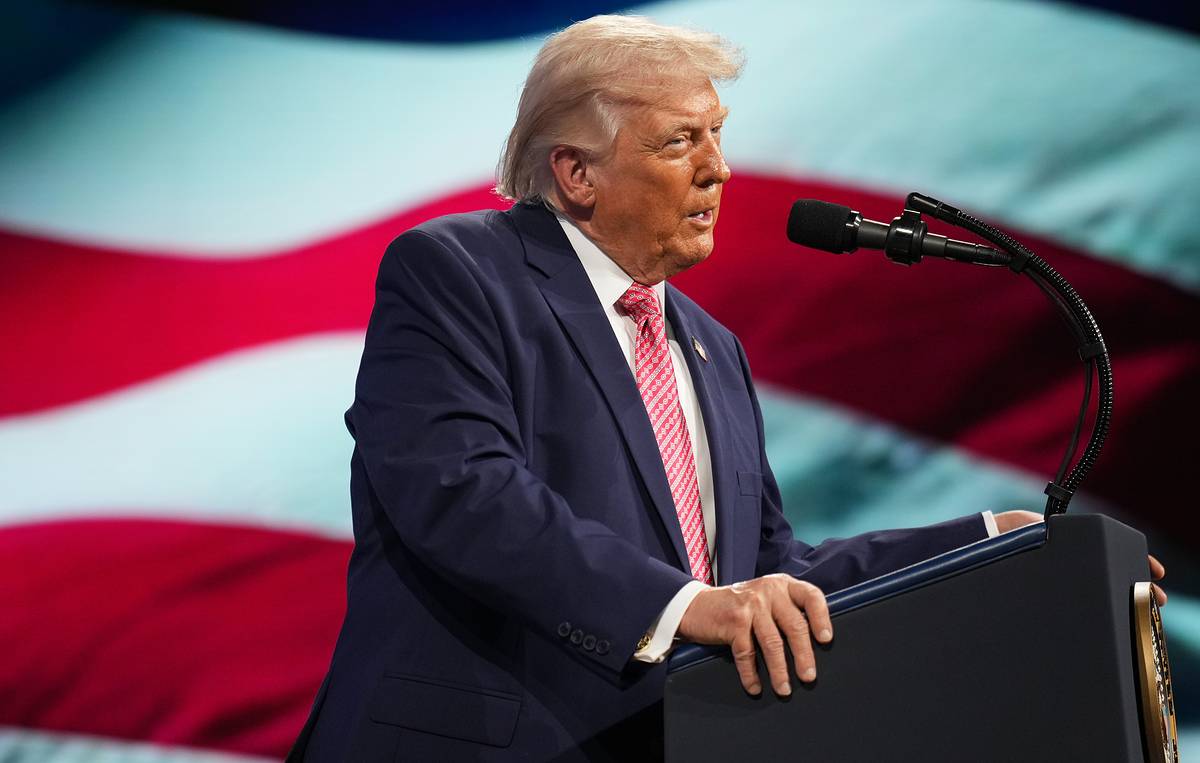
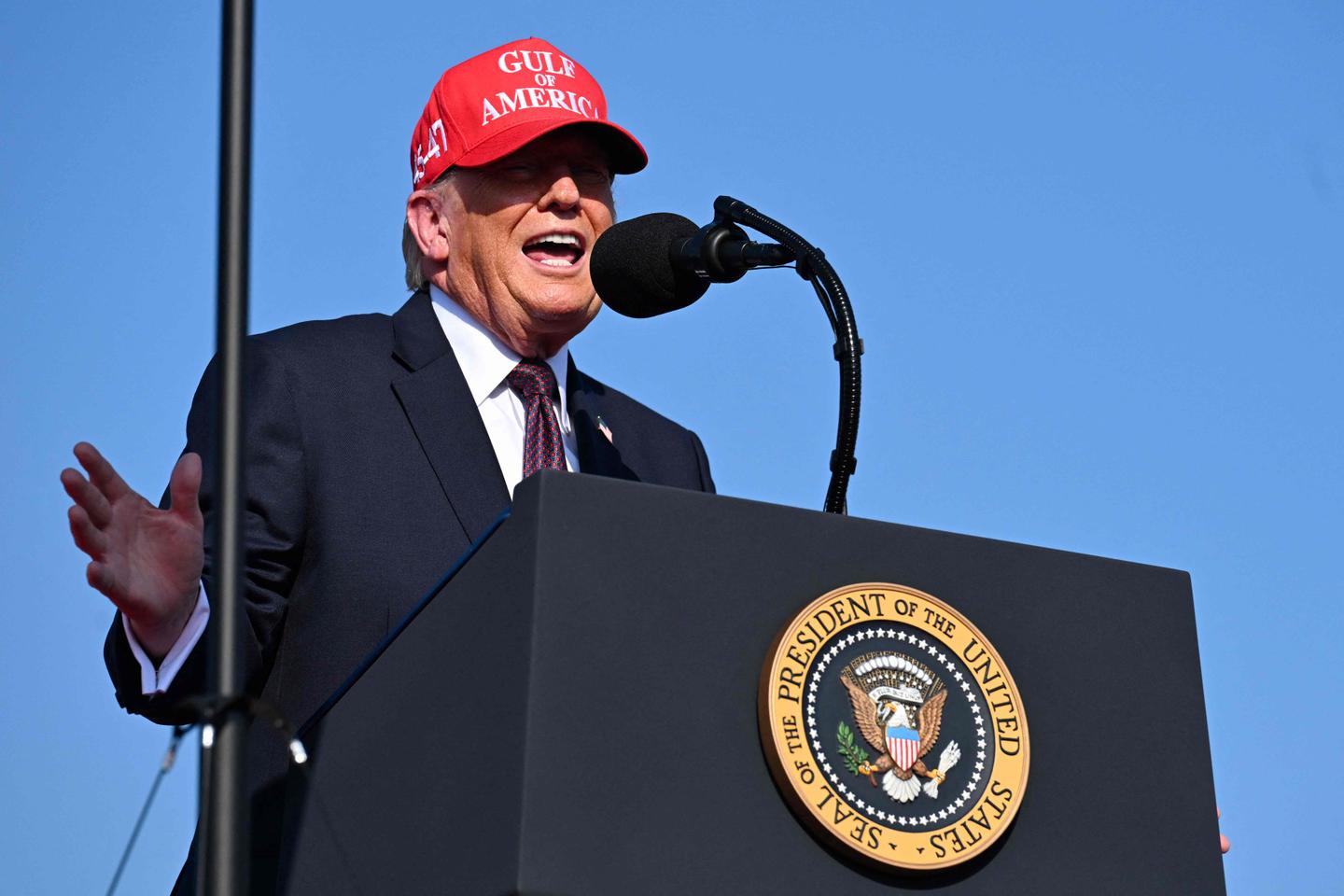
“We’ll take over Cuba almost immediately,” President Donald Trump mused during a speech in Florida on May 1. “On the way back from Iran, we’ll have … the USS Abraham Lincoln come right by Cuba, stop about 100 yards offshore, and they’ll say, ‘Thank you very much, we give up.’”
It’s hard to say whether such remarks are just bluster. While the White House has been trying to coerce Cuban authorities into negotiated political and economic concessions through a de facto oil blockade since January, Trump has also reportedly grown frustrated by the Cuban government’s ability to outlast months of sustained U.S. pressure.
That has not stopped many Cubans and Cuban Americans from eagerly predicting a military operation’s success or insisting that such a U.S. action is necessary.
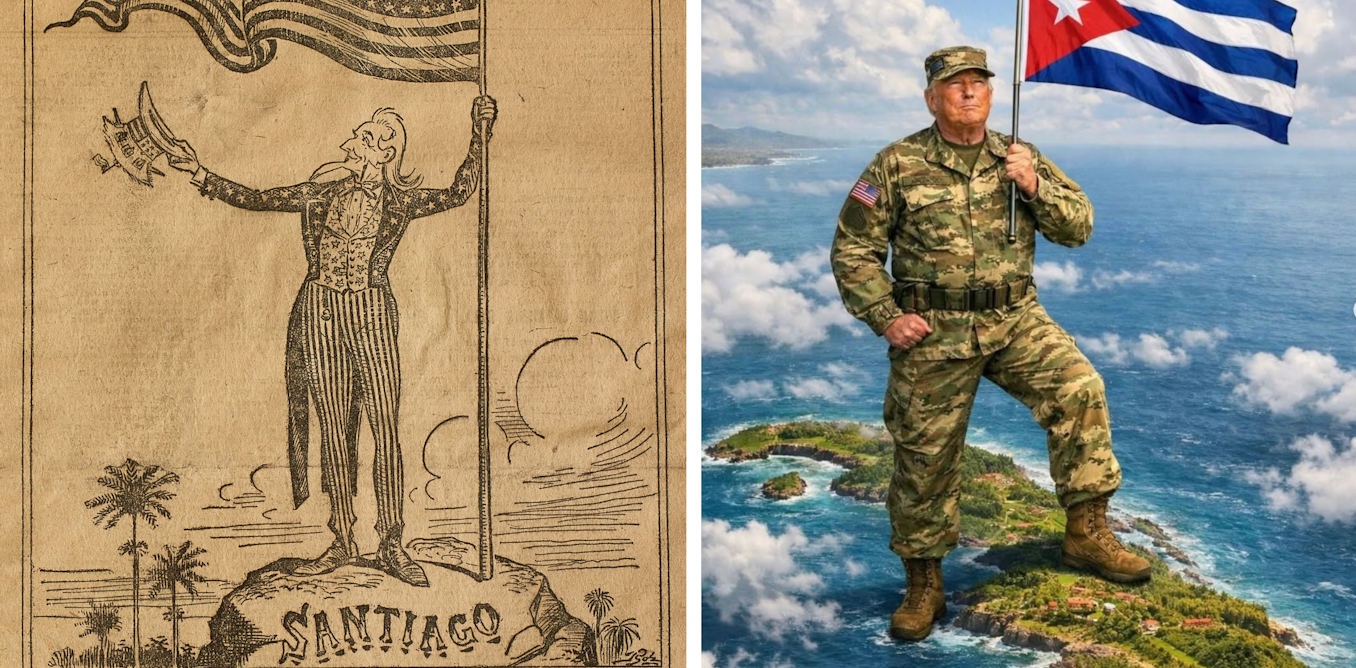
Their tool of choice? Not battle plans or political manifestos, but artificial intelligence. For weeks, Cuban social media feeds and WhatsApp groups have been filled with armchair fantasies of deliverance from communist rule made with tools like Midjourney, DALL-E, Runway and ChatGPT. In some clips and images, the island nation is represented as a female captive or a child being freed by an American protector. In others, magically renovated cityscapes feature statues and portraits erected in Trump’s honor, replacing revolutionary iconography.