DUBAI: “It’s costing me money talking to you” said Mona — not her real name — as she chuckled over a voice note she managed to send. “It’ll cost me a lot more if the boogey men find out too,” she said, referring to the Revolutionary Guards.
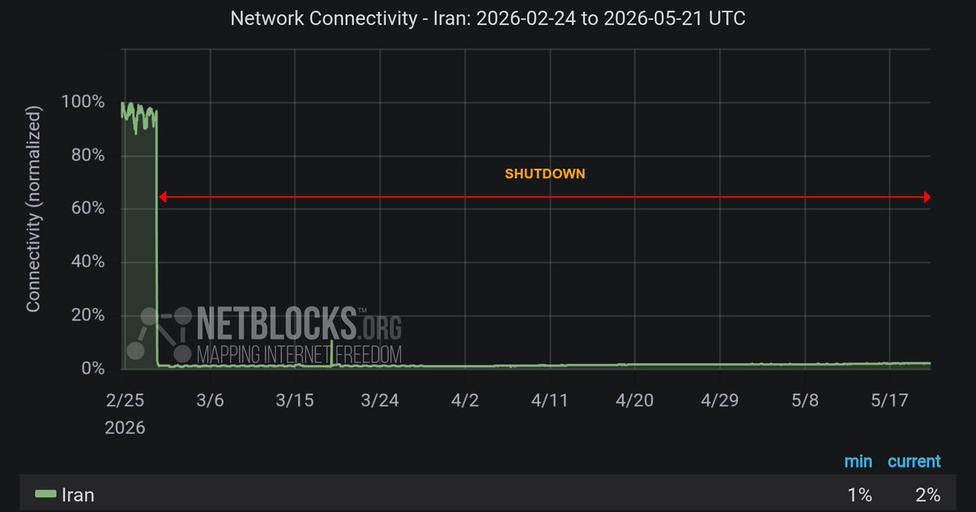
Like millions of Iranians, Mona’s life has been upended by Iran’s internet blackout, the longest in the republic’s history.
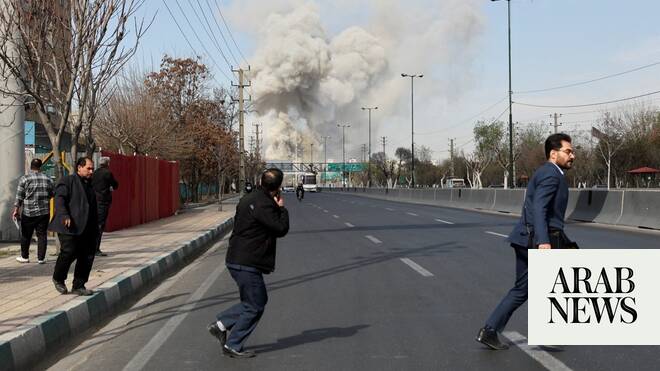
The latest shutdown came after American and Israeli airstrikes in February, weeks after authorities partially restored internet access following a brutal crackdown on nationwide protests.
While Iranian officials insist the restrictions are necessary to prevent espionage and surveillance operations during the war, critics say the country is moving toward something far deeper than temporary wartime controls: an internet no longer equally accessible to everyone.
To defend the measures, the Iranian regime has regularly cited Article 79 of Iran’s constitution, arguing that exceptional restrictions are permitted during war or emergency conditions.