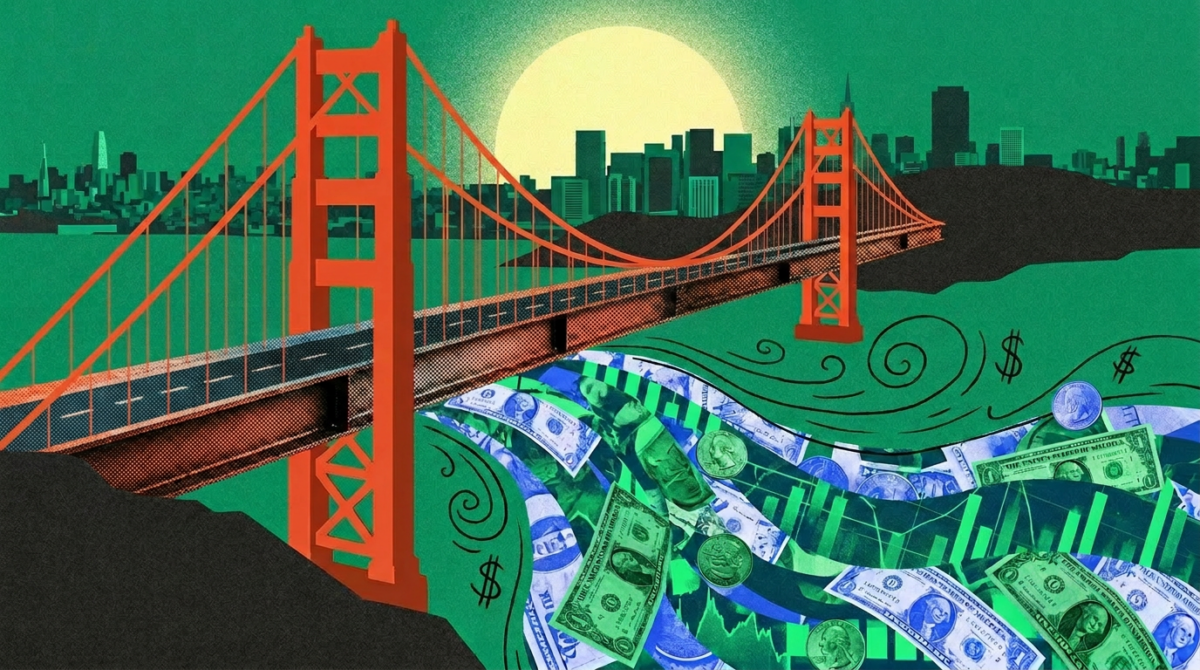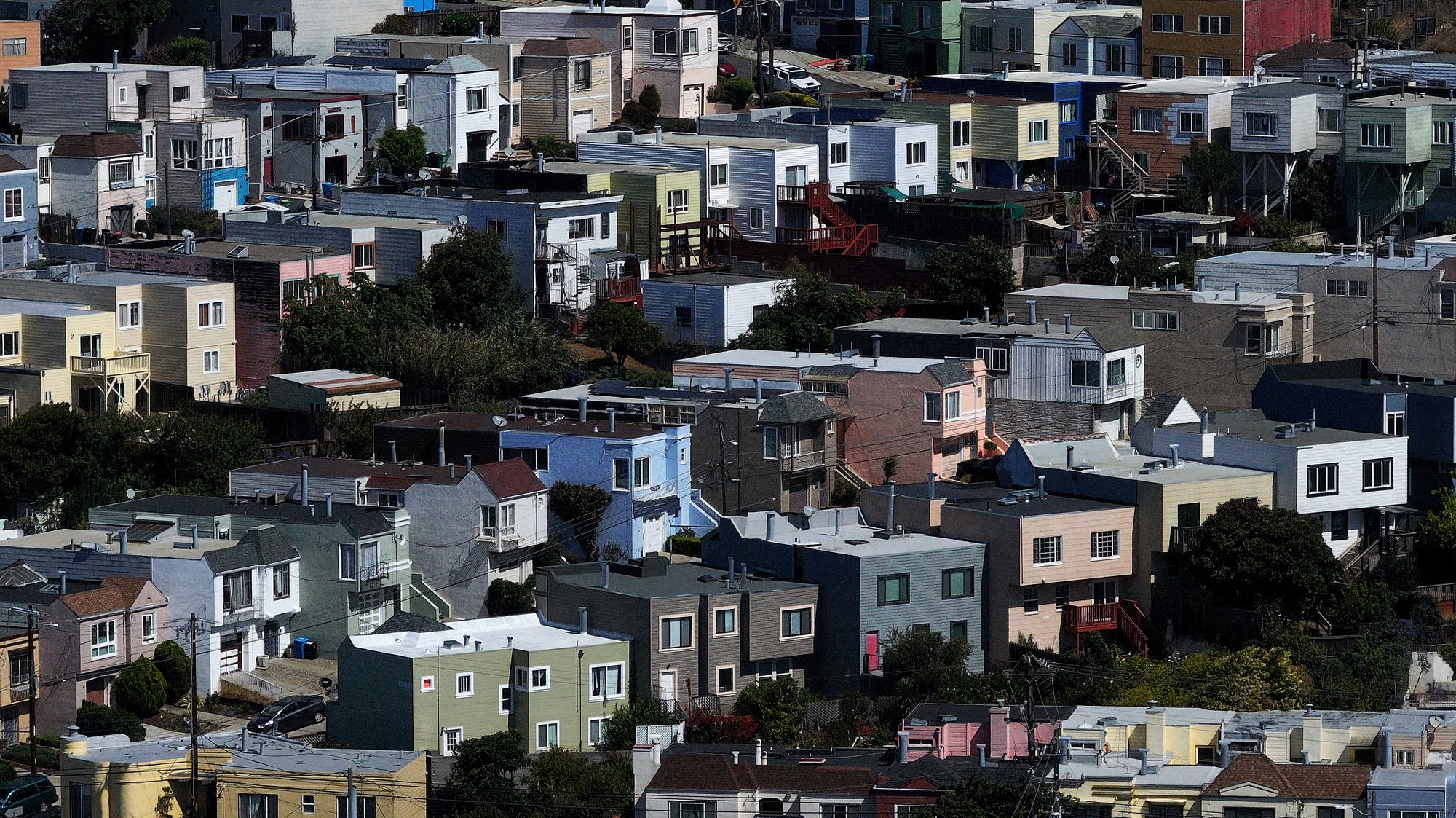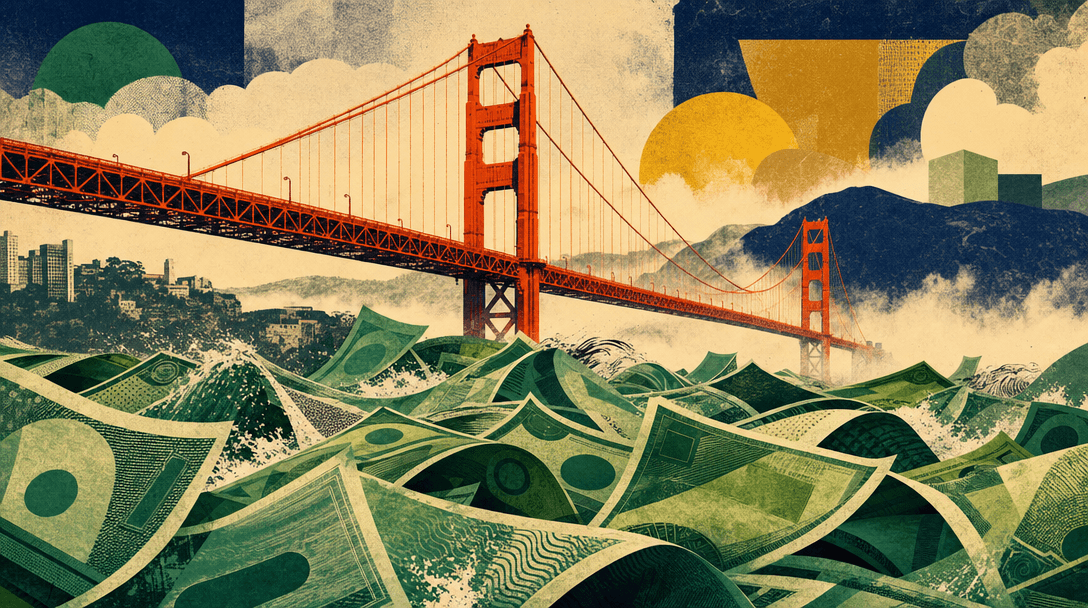
San Francisco is home to OpenAI and Anthropic, two frontier AI labs worth a combined $2 trillion, according to The Economist. Ninety-one additional AI unicorns cluster in the Bay Area, adding another $600 billion in private-market capitalization. By any measure of innovation capital, San Francisco stands as the most technologically advanced city on earth. Yet that same analysis found that AI wealth has not translated into broad urban prosperity. The middle class continues to shrink. The city holds more technology, more data, and more innovation capital than anywhere in history, and its operating systems still cannot convert any of it into adaptive economic outcomes.
This is not a San Francisco problem. It is an American city problem. CBRE’s Q1 2026 U.S. Office Market Report recorded eight consecutive quarters of positive net office absorption in New York City, with Q1 alone totaling 6.9 million square feet, the highest first-quarter figure since 2020. San Francisco posted 3.4 million square feet in new leasing during Q1 2026, up 43% year over year and its strongest quarter since 2019, according to Colliers’ Q1 2026 San Francisco Office Market Report. The predictions of urban collapse proved wrong. But the recovery exposed a deeper issue: cities equipped themselves relentlessly with sensors, dashboards, and real-time data, yet designed most of that infrastructure to measure performance rather than respond to volatility.