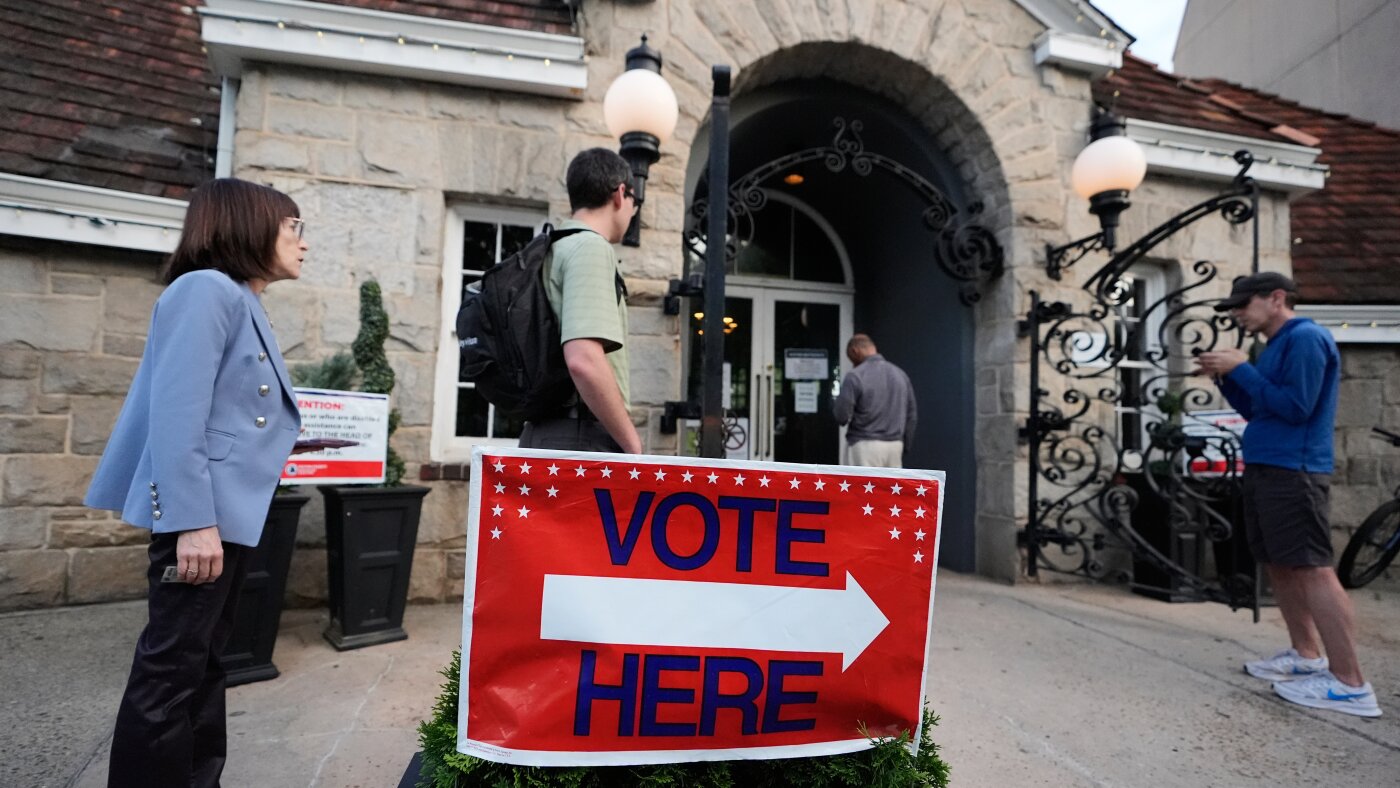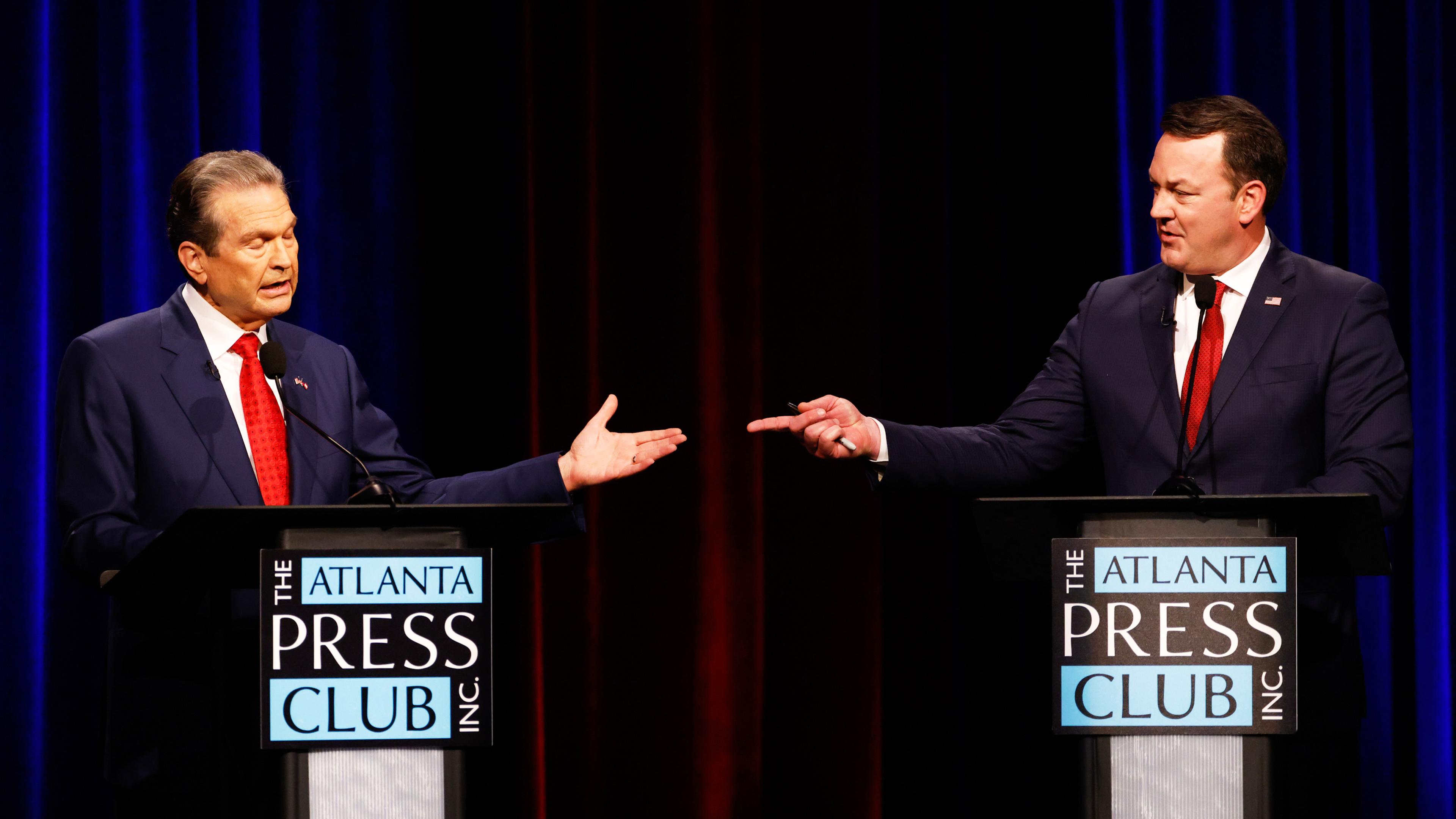
ATLANTA (AP) — The specter of the 2020 election — when President Donald Trump refused to accept his loss to Democrat Joe Biden — continues to haunt Georgia and casts a long shadow over the Republican primary for candidates vying to be the state’s top election official.
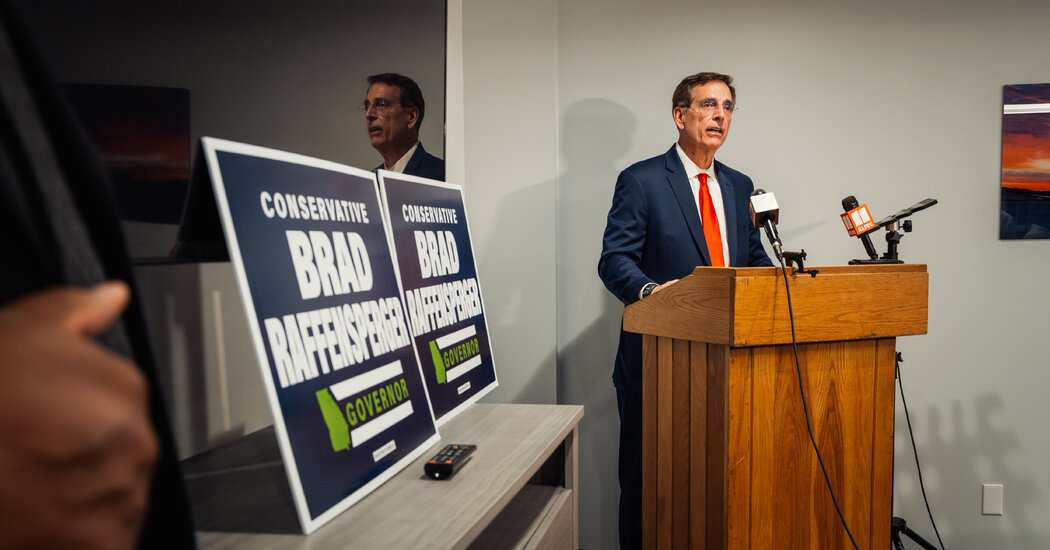
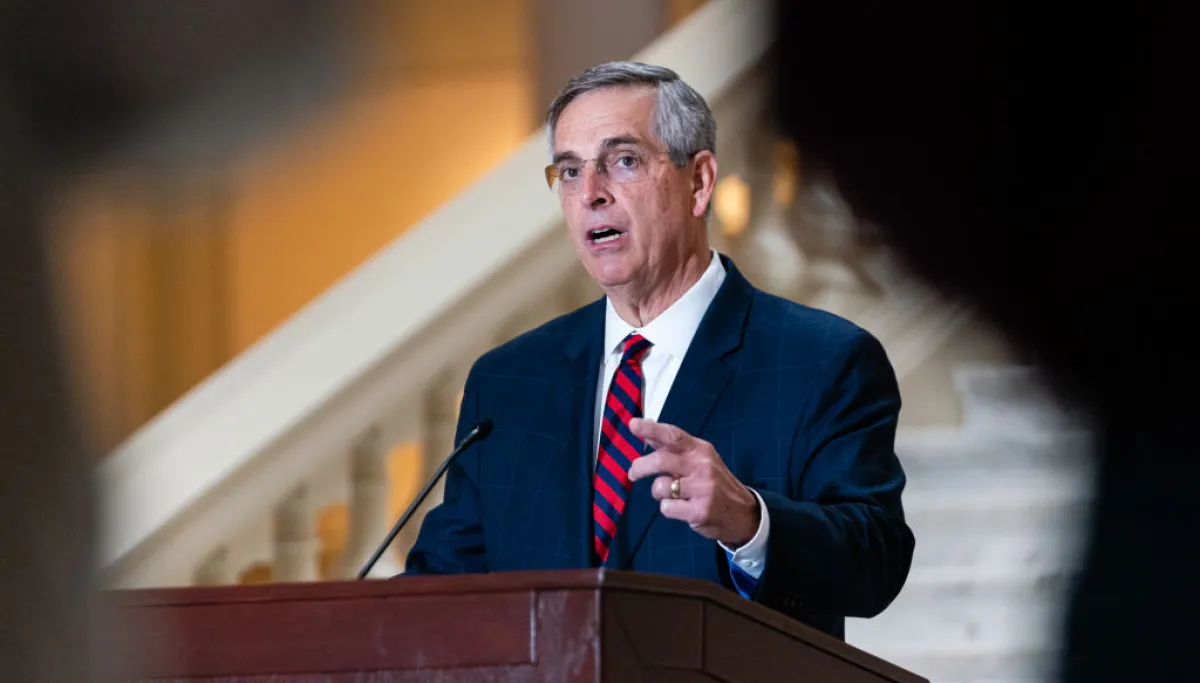
Georgia’s current secretary of state, Brad Raffensperger, became a household name when he defended the state’s election results against Trump’s false claims about widespread voter fraud and resisted the president’s urging to help “find” enough ballots to win the race.
Now that Raffensperger is stepping down to run for governor, election oversight is a key issue in the race to replace him. Some Republican candidates are endorsing the same distortions that Trump did six years ago. The president has stocked the federal government with people who echo his conspiracy theories, and election denial has spread through state offices as well.
The race comes at a time when lawmakers have made a contradictory mess of state law governing how votes are counted. Gov. Brian Kemp on Wednesday called lawmakers into special session on June 17 for redistricting but also to address a looming deadline on voting.
Georgia’s touch-screen voting machines print a paper ballot that includes a human-readable list of voters’ selections and a QR code that a scanner reads to count votes. Lawmakers two years ago passed a law saying QR codes could not be used for the official vote count after July 1 of this year.