The 2026 World Cup is weeks away, but one of the most populated countries in the world doesn't have a broadcasting deal. Why?
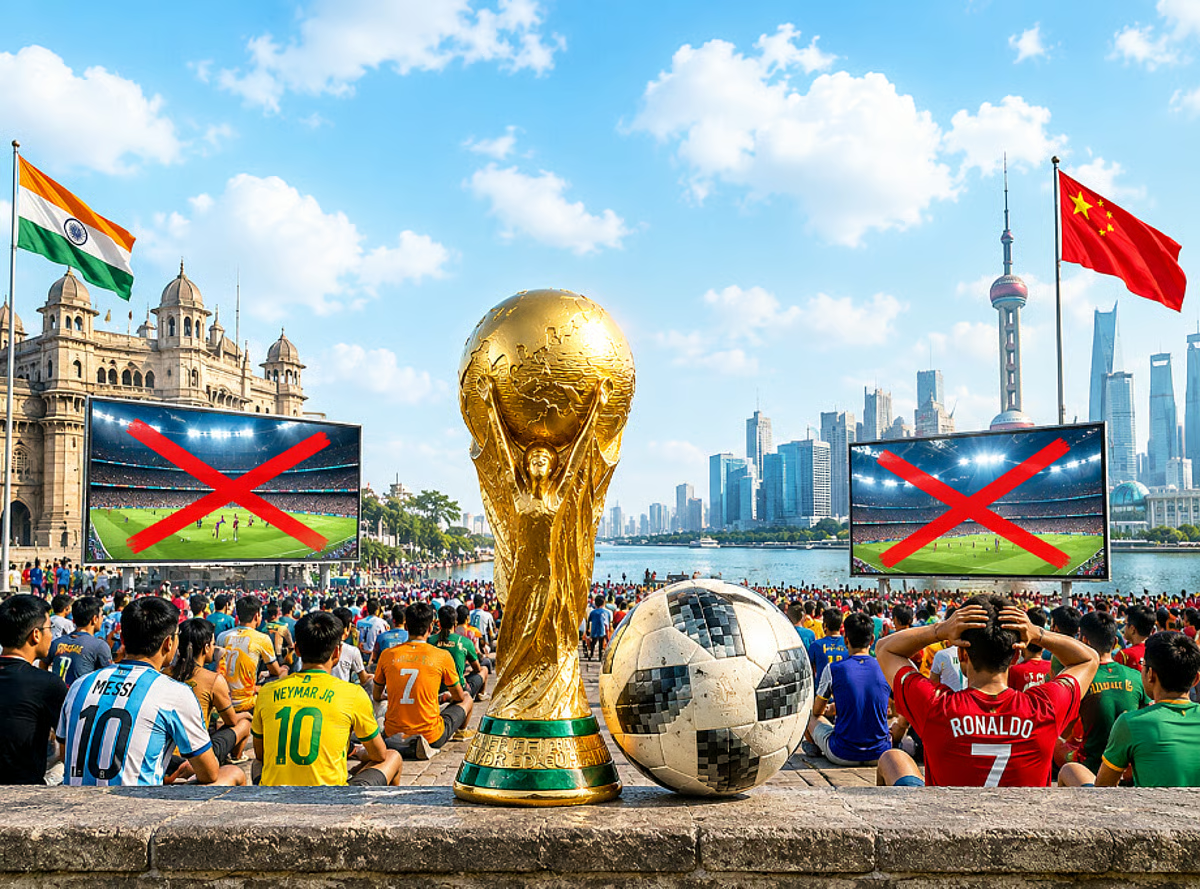
Just weeks from the start of the 2026 World Cup, India is without a broadcasting deal. Talks are reportedly ongoing, with time zones and cost expectations clear stumbling blocks, but there is also a feeling that FIFA has misunderstood its two biggest markets.
"The Indian market is a sort of a brute force market," Nandan Kamath, one of India's leading sports lawyers and a key figure in the country's sports policy, told DW. "It's the numbers rather than the willingness."
Broadcasters in India rely far more on advertising revenue than subscriptions. Viewing numbers for the tournament in Qatar were good, but they did not lead to a profit for Viacom18, the Indian media giant who owned the rights. On top of that, the premium subscriber base for most services is just too small to generate a major profit. In order for FIFA to reach the scale it wants, it will likely have to reduce its expectations.
"Everyone has had to rationalize subscriptions to get scale," Kamath said, before referencing Netflix and Formula One. Both had to change their original ideas to reach the desired audience. For example, a Netflix subscription can now cost 199 rupees a month (roughly $2.50), while F1 offers a season pass for 899 rupees ($10).