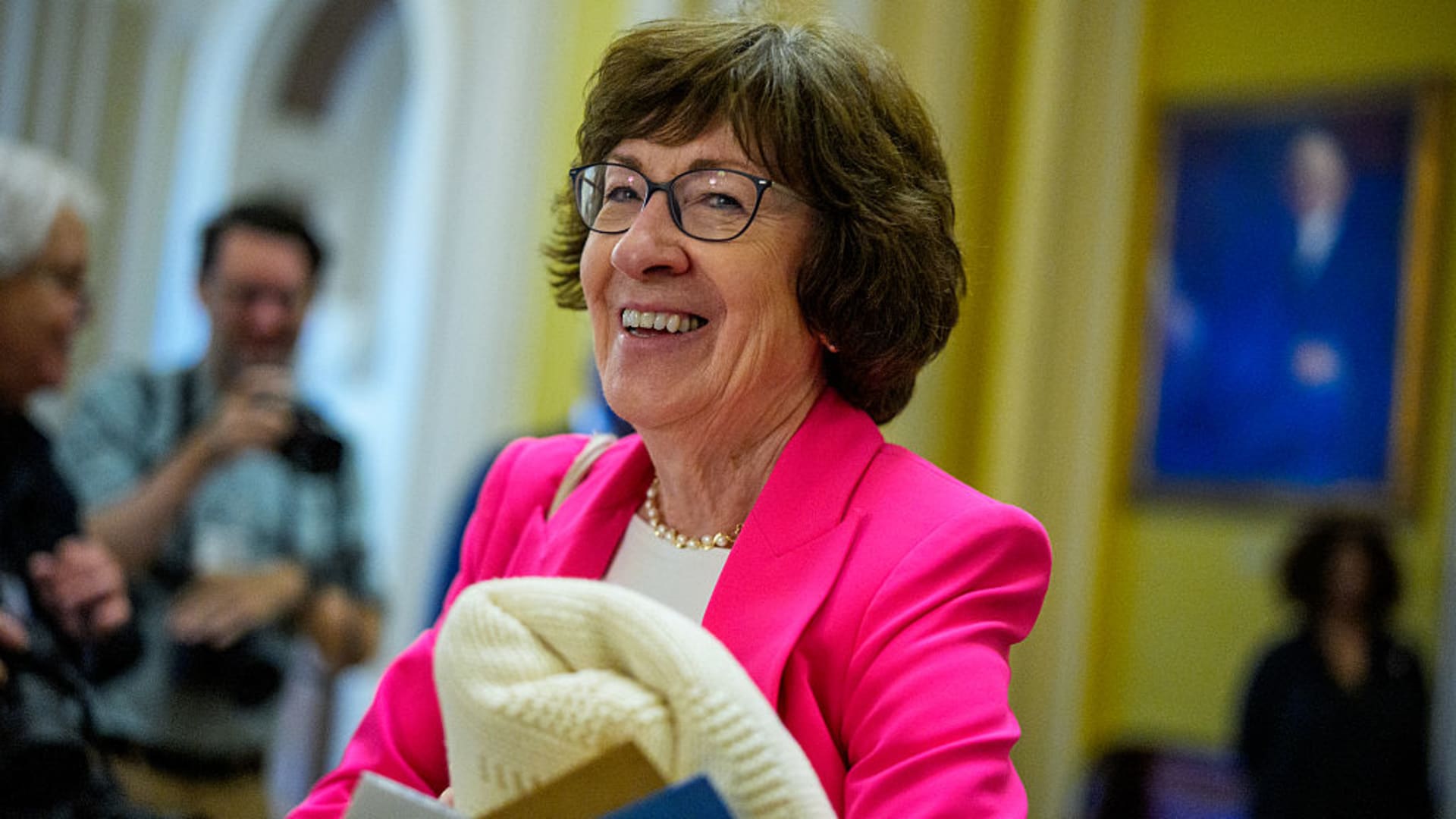
Maine might send Sen. Susan Collins packing after this year’s midterm elections. That decision could come back to bite the Pine Tree state’s balance sheet for years to come.
Collins, New England’s lone federally elected Republican, is in the fight of her political life against the Democratic progressive upstart candidate Graham Platner. Platner, an oyster farmer and military veteran, has seized on anger directed at President Donald Trump and anti-establishment animus to rocket to the Democratic nomination — forcing Democratic Gov. Janet Mills to abandon her own Senate campaign within a matter of months. His yard signs dot the state’s backroads and neighborhoods, and he leads in almost every head-to-head poll against Collins.
The race, like most midterm contests, is shaping up to be a referendum on the president, who is underwater nationally in nearly every poll. And Collins, who has repeatedly beaten the odds in stunning fashion for the GOP even as New England has shifted solidly blue, is clearly running against the tide as voters mull whether to allow Trump a Senate majority for his final two years in the White House.
Senate control is objectively important. Democrats winning the Senate would likely prevent Trump from appointing a fourth and possibly fifth justice to the Supreme Court. It would also open the door for bicameral investigations into the president should Democrats also prevail in the House. Democrats’ chances of taking control of the Senate remain slim. A May 13 report from BCA Research projected Republicans retain a narrower majority in the chamber.