Leaders in the Colorado marijuana industry have complained in recent years that intoxicating products derived from hemp are endangering consumers and creating unfair competition, threatening to upend the first regulated recreational marijuana market in the United States.
While labs have developed the technology to distinguish between hemp and marijuana, the state has been slow to implement a random testing program to check the quality of products on dispensary shelves.
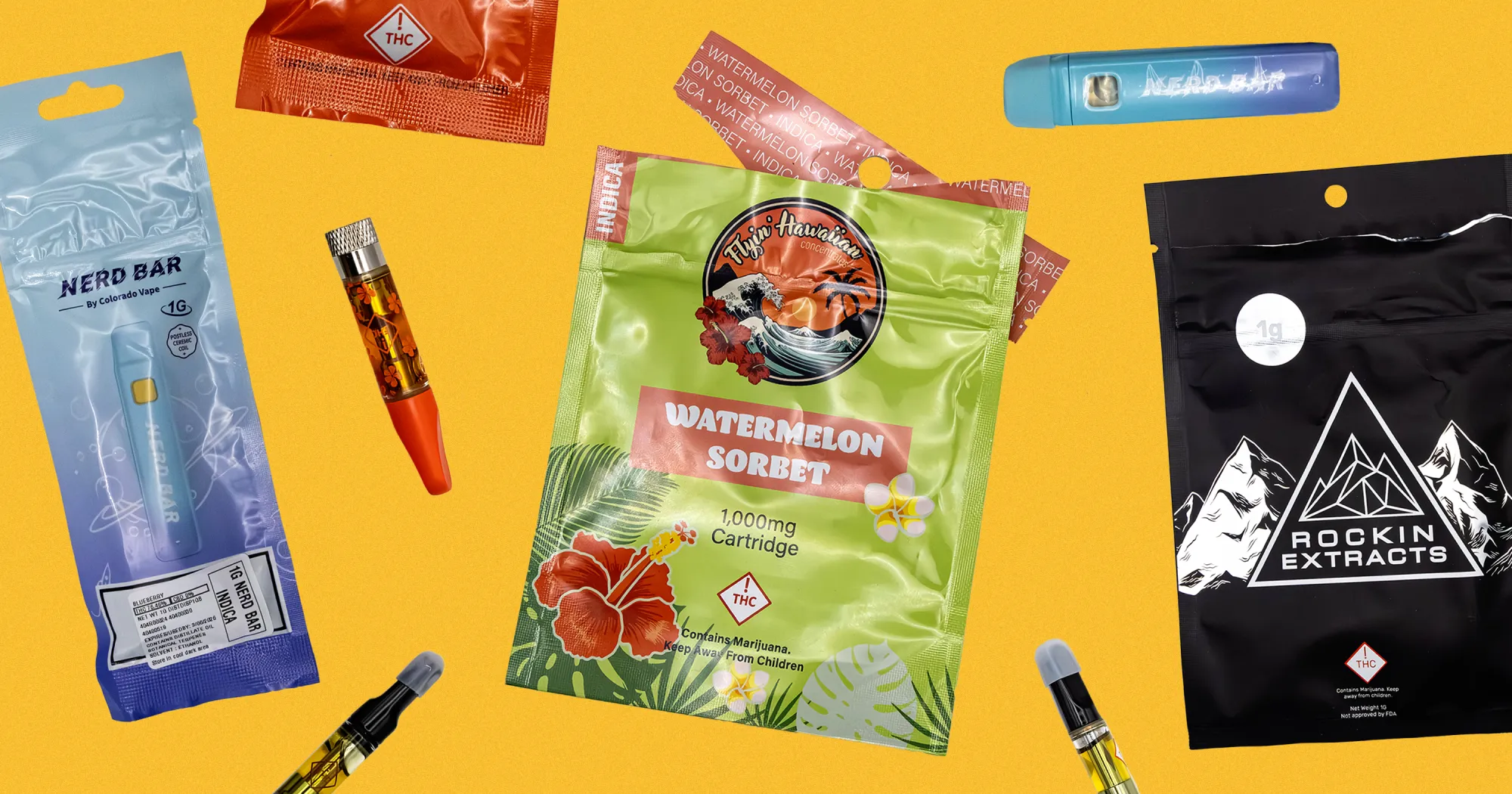
In the absence of official testing, The Denver Gazette and ProPublica set out to test whether the claims of widespread hemp substitution were accurate, purchasing 14 vapes at dispensaries across the Denver area.
Hemp naturally has high levels of the nonintoxicating compound CBD but only trace amounts of THC, the chemical in marijuana that gets people high. But some manufacturers have been caught by Colorado’s Marijuana Enforcement Division converting CBD from hemp into THC using solvents — a process banned in the state.
Labs can detect indicators of this process by looking for versions of THC known as delta-8 and delta-10, which often emerge when CBD from hemp is chemically converted to THC. They can also identify residues of solvents that are typically used in that process but not in marijuana production.