Thomas Berndorfer is the CEO of Connecting Software.
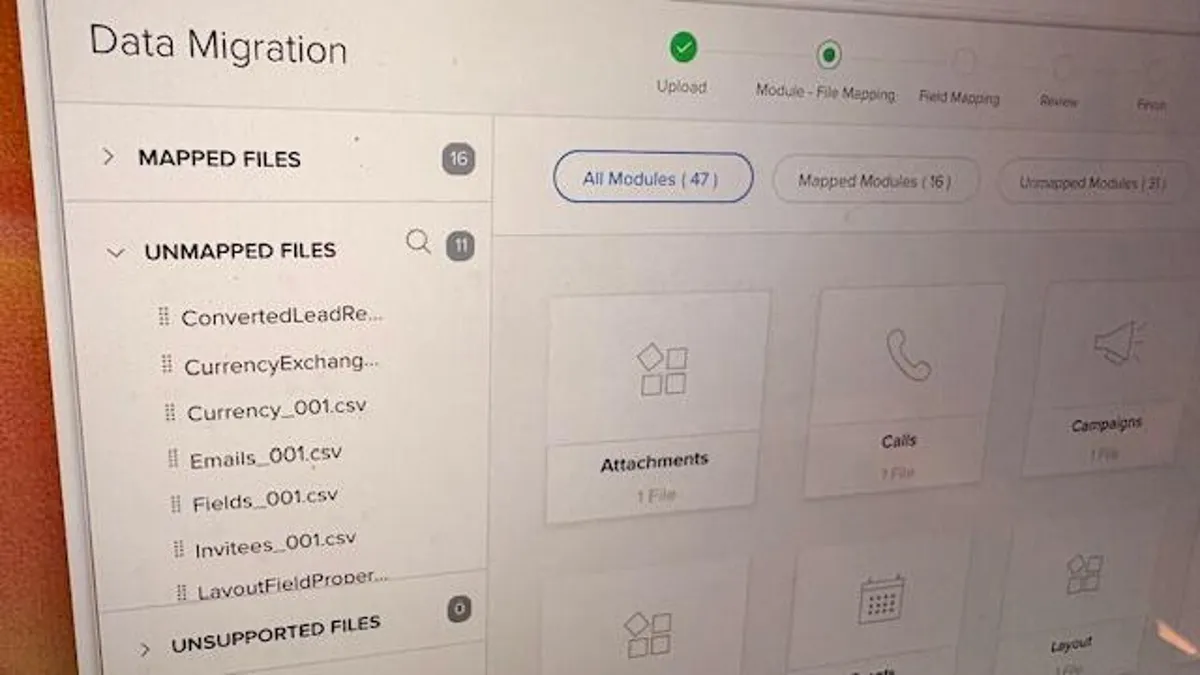
IT professionals often dread the task of migrating software—an undertaking that can require months, if not years, of work and the difficult job of gaining cultural buy-in from staff.
Migrations like these happen for many reasons—new apps and systems might have a better business case because of technological edge or cost, alternatively, a merger or acquisition might mean that new staff have to be brought into alignment with the broader company.
Misaligned systems can immediately cause problems between processes, departments and new acquisitions. When one side uses Microsoft and another uses Google, files might be saved in different formats and useful functions might not exist on a colleague’s machine. These small inconveniences can cumulatively lead to inefficiencies and breakdowns in collaboration.
It’s easy to see why companies would therefore want to migrate their systems to have greater alignment, but that is certainly easier said than done in many cases. Recent surveys show that companies with 750-1499 employees use about 116 different SaaS apps, with complex layers of interdependencies that make change difficult and frustrating.