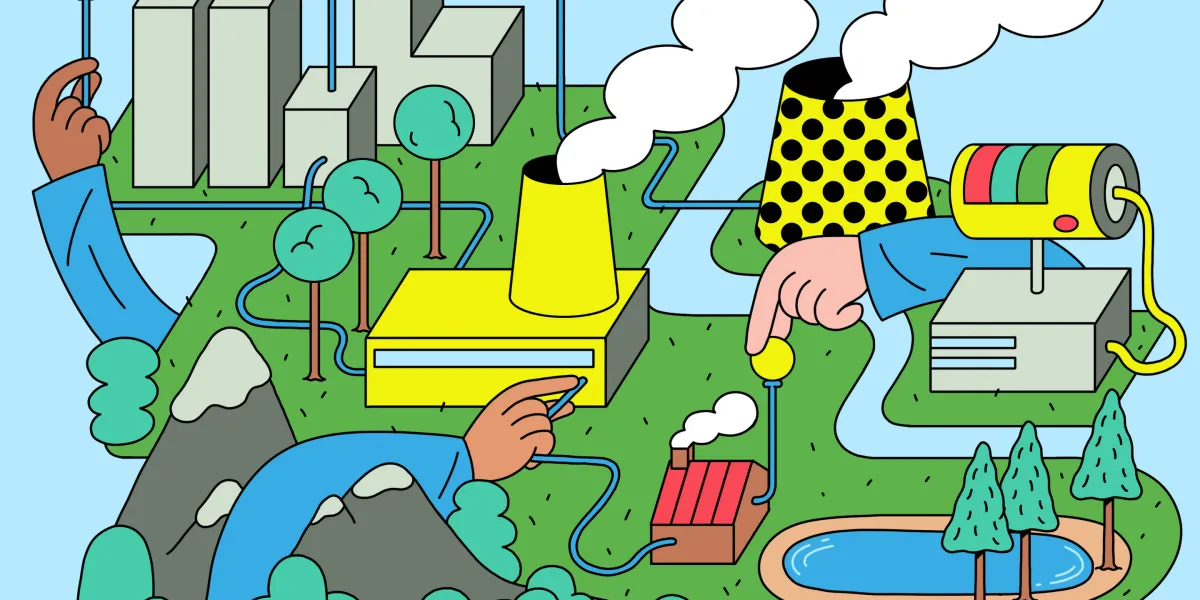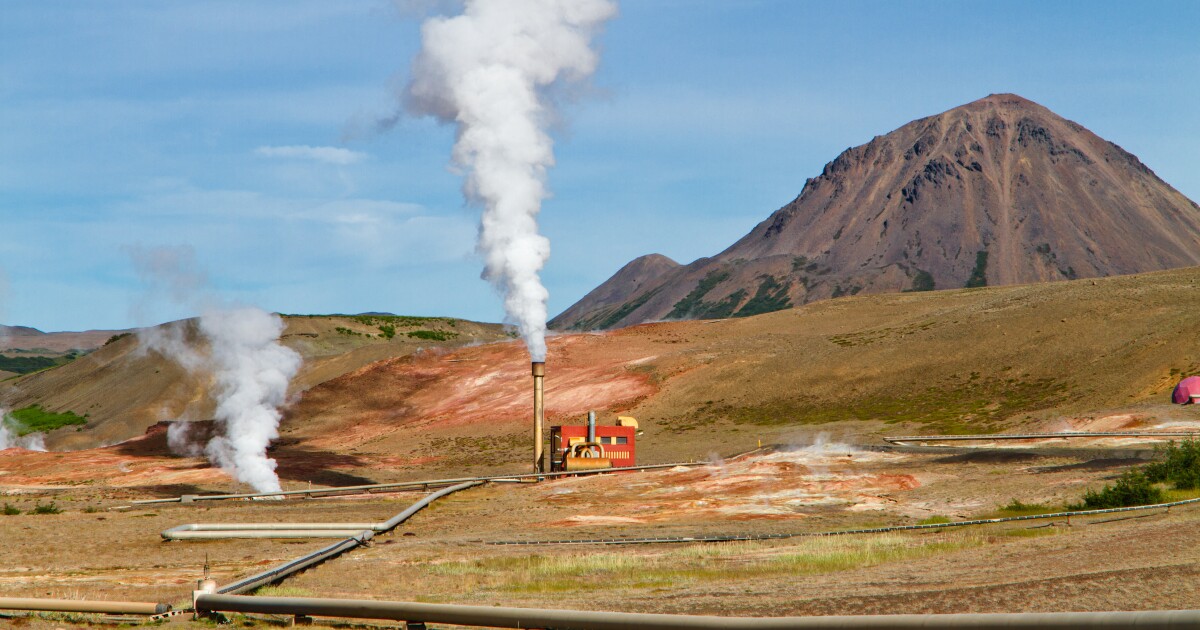
The artificial intelligence boom is creating a problem for the global energy system: The digital economy needs vast amounts of reliable electricity, but much of the clean-energy build-out is intermittent. That tension is helping revive one of the energy industry’s oldest ideas: geothermal power.
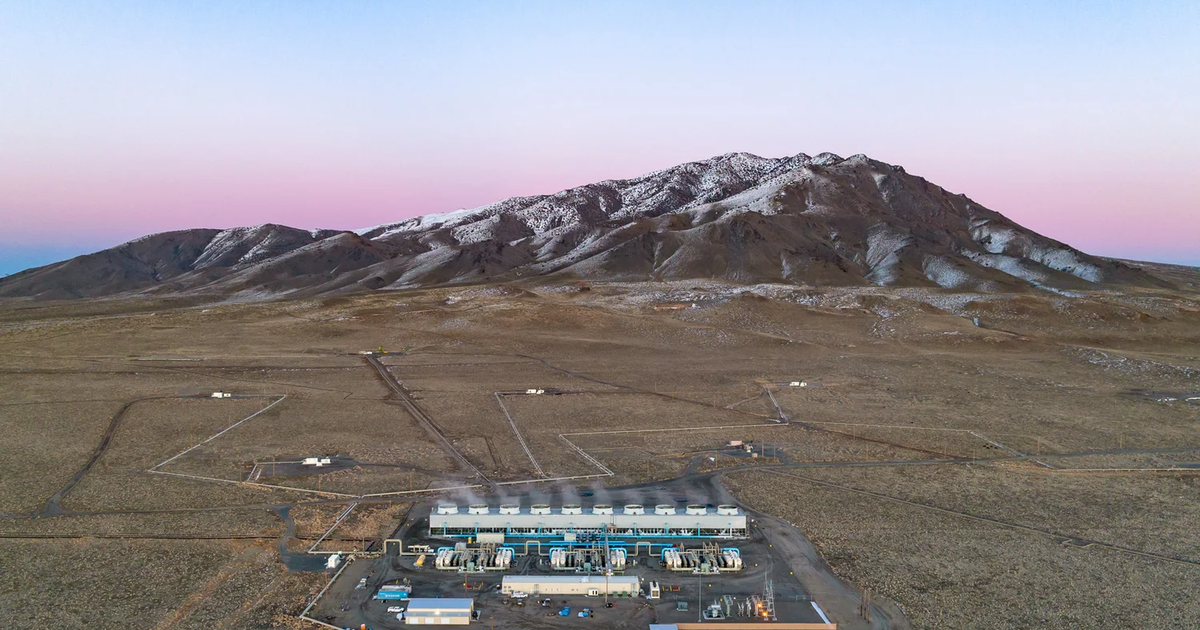
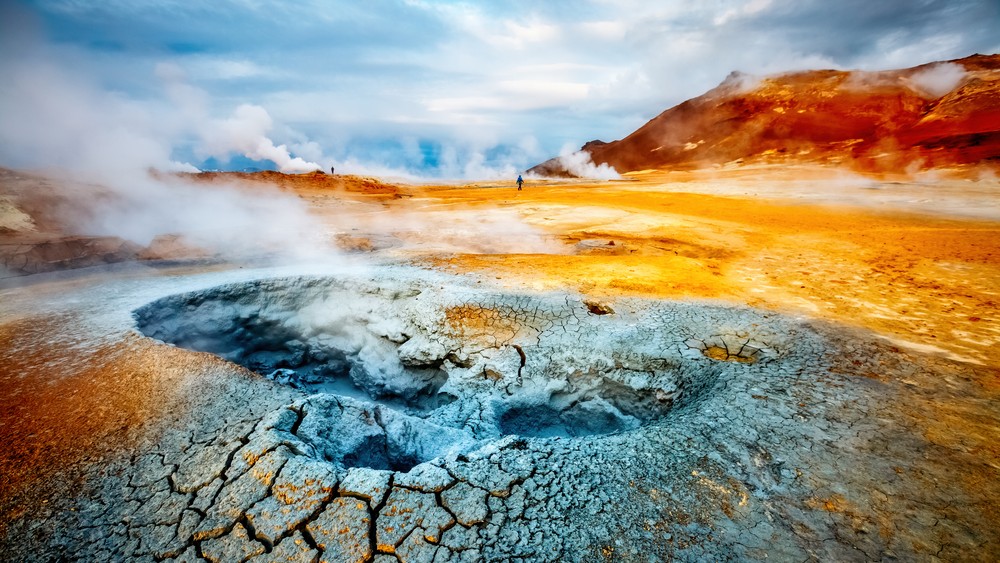
In early February 2026, enhanced geothermal developer Fervo Energy announced it had drilled its “hottest well to date” at its Project Blanford site in Utah. The well hit temperatures above 555°F (290°C) at a depth of roughly 11,200 feet (3,400 meters) — levels the Houston-based company said exceed the threshold for commercial viability. The achievement matters because it shows how geothermal is changing. For decades, geothermal was limited to volcanic regions like Iceland or California’s The Geysers. Traditional projects depended on naturally occurring underground reservoirs and fracture systems. Now, so‑called Enhanced Geothermal Systems (EGS) aim to change that model entirely.
Instead of depending on natural permeability, engineers create and optimize fracture networks deep underground to circulate fluids and extract heat from hot rock formations. The process remains technically difficult and expensive. Drilling several kilometers into ultra-hard rock historically involved significant geological uncertainty and high failure rates. However, developers are increasingly turning to AI and advanced subsurface analytics to reduce that uncertainty.