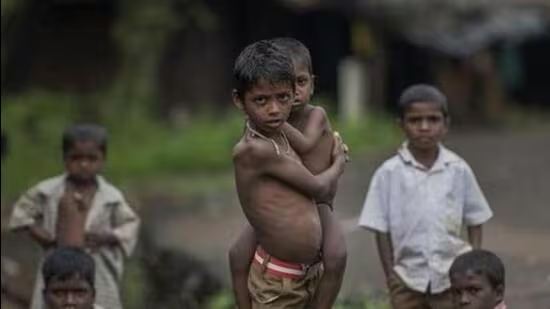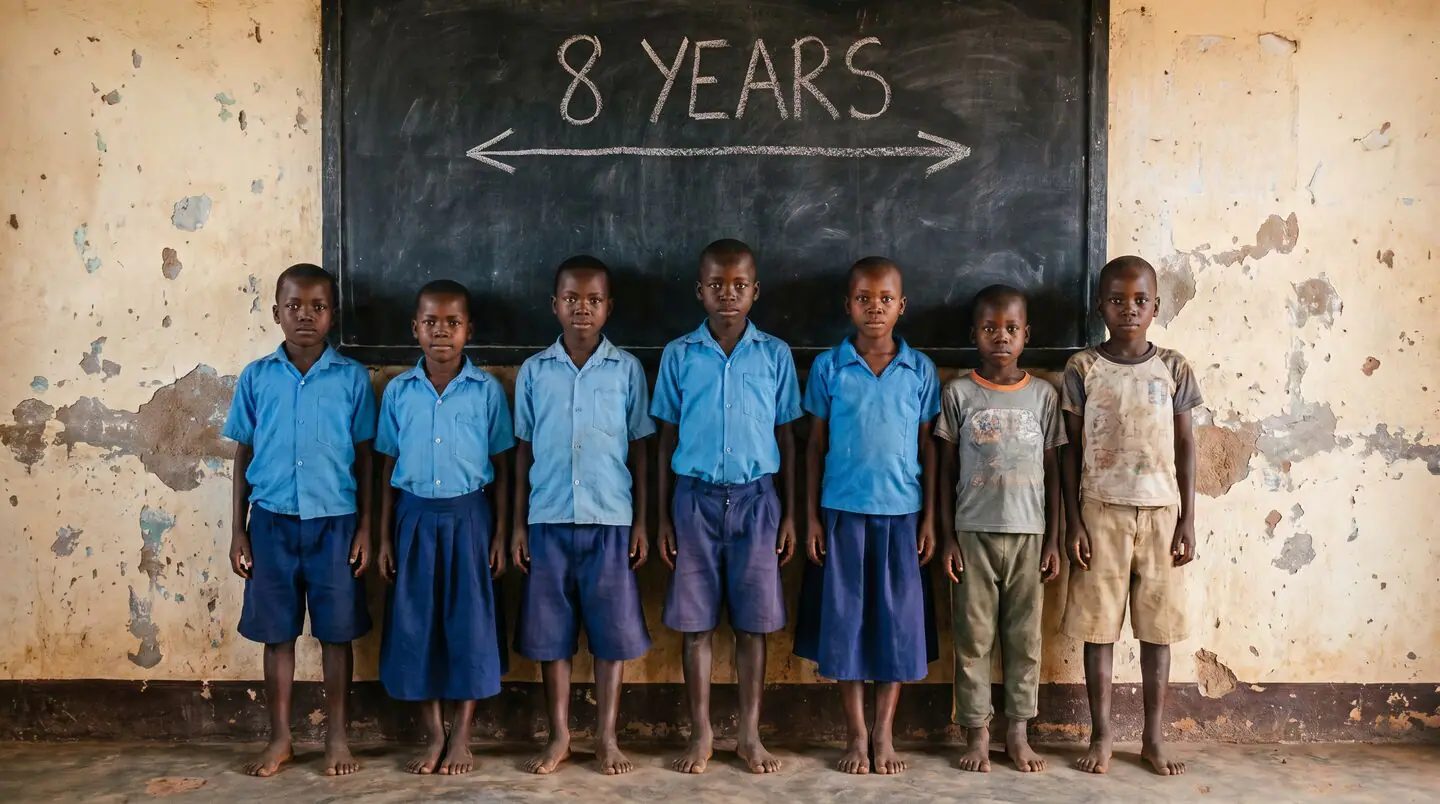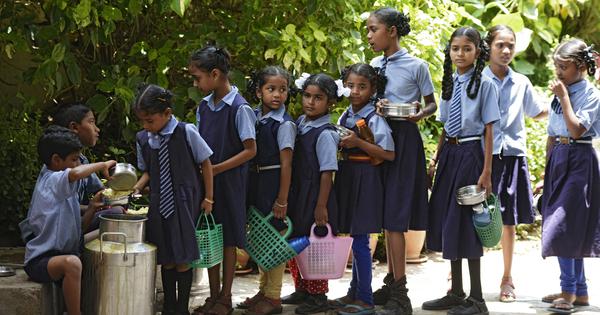
Child malnutrition remains one of the most pressing challenges in India. Nearly one-third of children under the age of five are stunted: a condition reflecting chronic undernutrition that has lasting consequences for physical growth, cognitive development, and later-life outcomes.
But these outcomes are not evenly distributed. A closer look reveals stark inequalities across social groups. In earlier work , we show that children from historically marginalised caste groups are significantly more likely to be stunted than their more advantaged counterparts. These gaps are large, persistent, and visible across the country.
What explains these gaps? A substantial body of research has pointed to factors such as poverty, sanitation, birth order, and gender bias. These are undoubtedly important. Yet, taken together, they do not fully account for the scale of the disparities we observe across caste groups.
In recent work published in the Journal of Economic Behavior & Organization, we take a step further and ask whether caste-based discrimination may be an important part of the story.
A simple comparison across a historical boundary