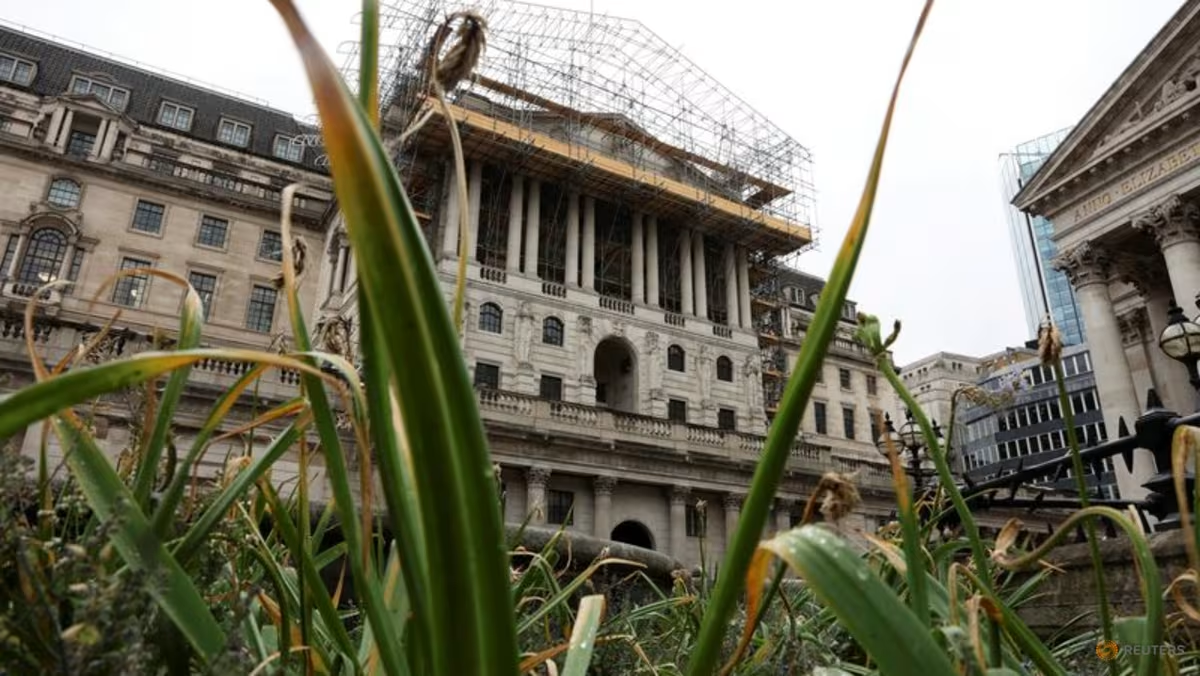
The Bank of England is walking back key parts of its stablecoin rulebook after the digital assets industry pushed back hard against proposals officials now admit may have gone too far.
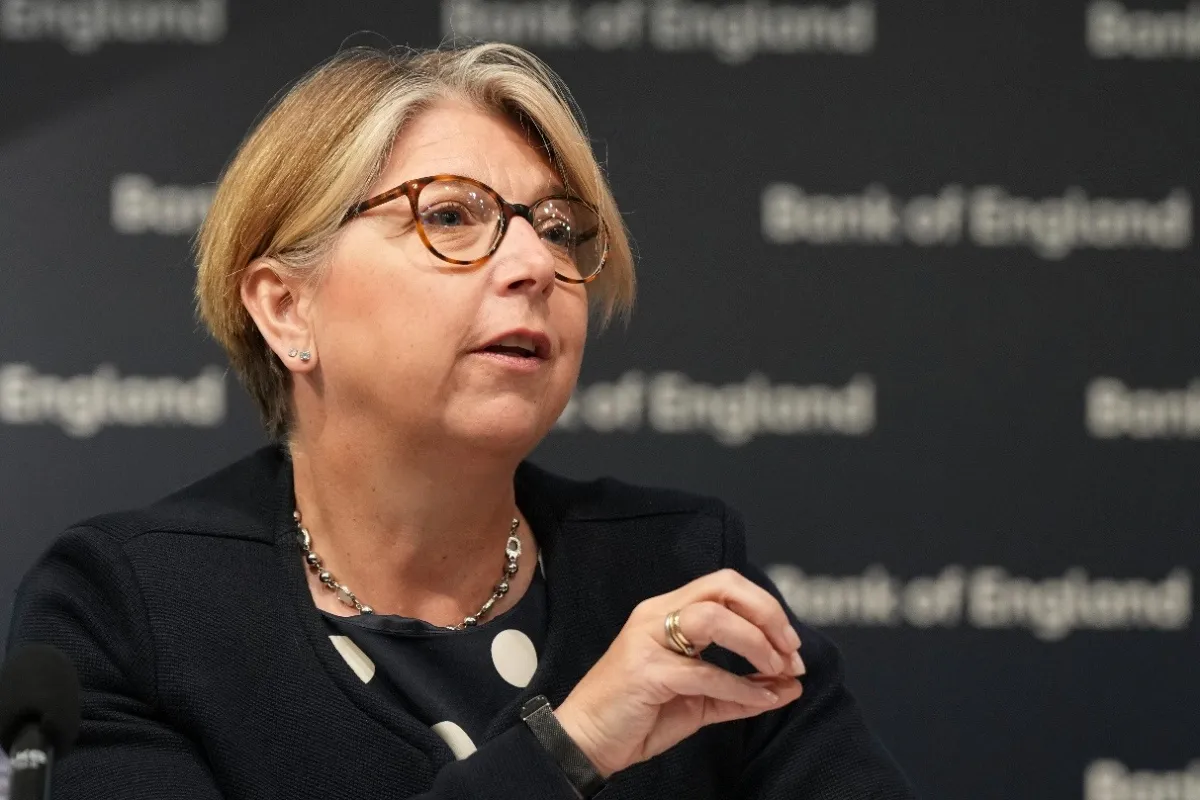
Deputy Governor Sarah Breeden, who oversees financial stability at the UK central bank, told the Financial Times (FT) the BoE is “looking very hard at whether there are different ways we can manage what we think is an important risk as stablecoins come into play.” FT journalists Martin Arnold and Sam Fleming reported on the matter.
Stablecoins are digital tokens pegged one-to-one to a fiat currency such as the U.S. dollar. The BoE had proposed capping individual ownership of UK sterling-based stablecoins at 20,000 pounds per coin, with businesses limited to 10 million pounds, as a guardrail against large deposit outflows from banks.
The report notes that industry groups called those limits operationally “cumbersome.” Breeden acknowledged the criticism directly. “We are genuinely open to thinking whether there are other ways of achieving our objective,” she told the FT.
The BoE is also reconsidering a separate rule requiring at least 40% of assets backing a UK stablecoin to sit on deposit at the central bank, earning no interest. The remainder would be held in sovereign bonds and other liquid assets. The FT editorial noted that the requirement is far stricter than rules in the United States, making UK-based stablecoins less profitable to operate.