Despite a total ban, the country has surged to 13th in global cryptocurrency adoption — and the new government may not be able to look away much longer.
The following guest post was written by Nabil Sorkar, Verse Community Member.
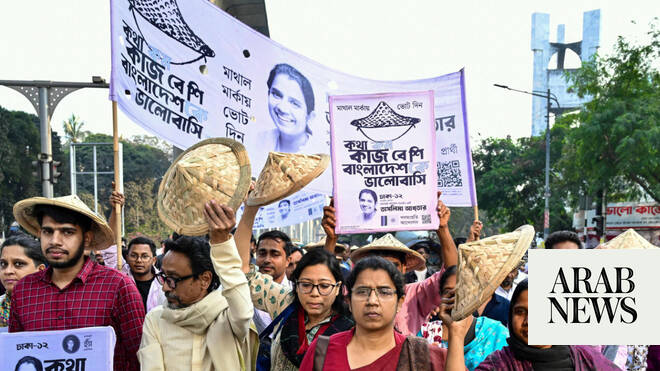
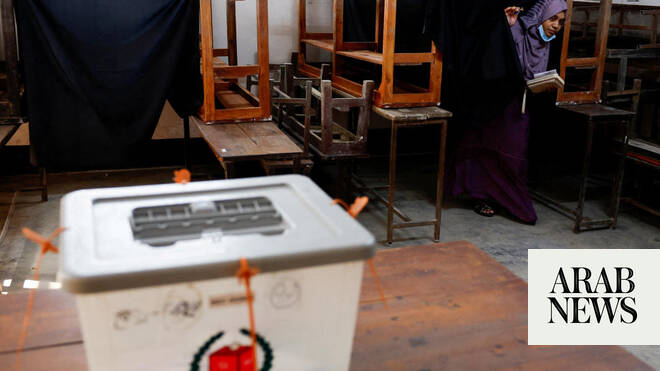
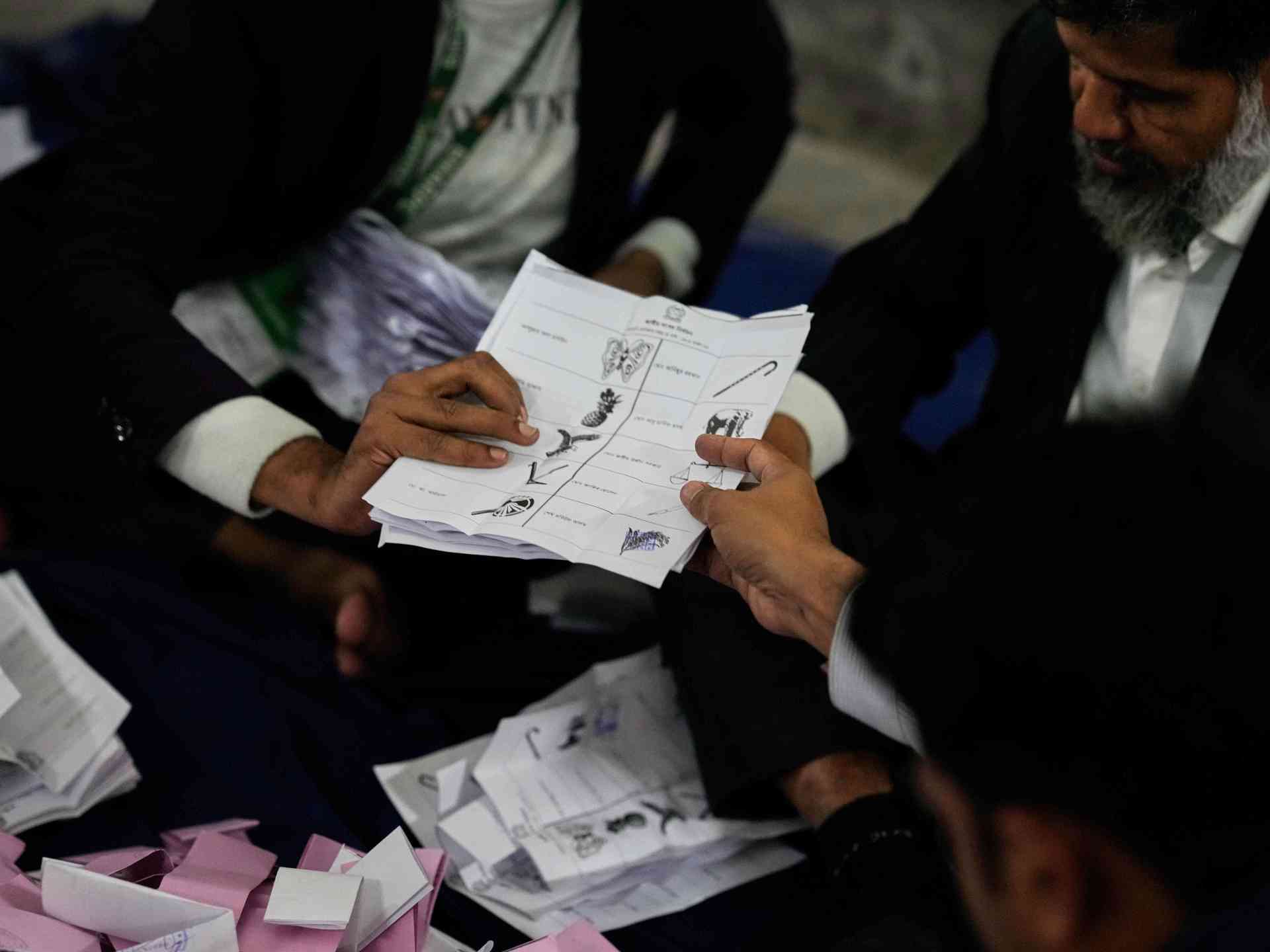
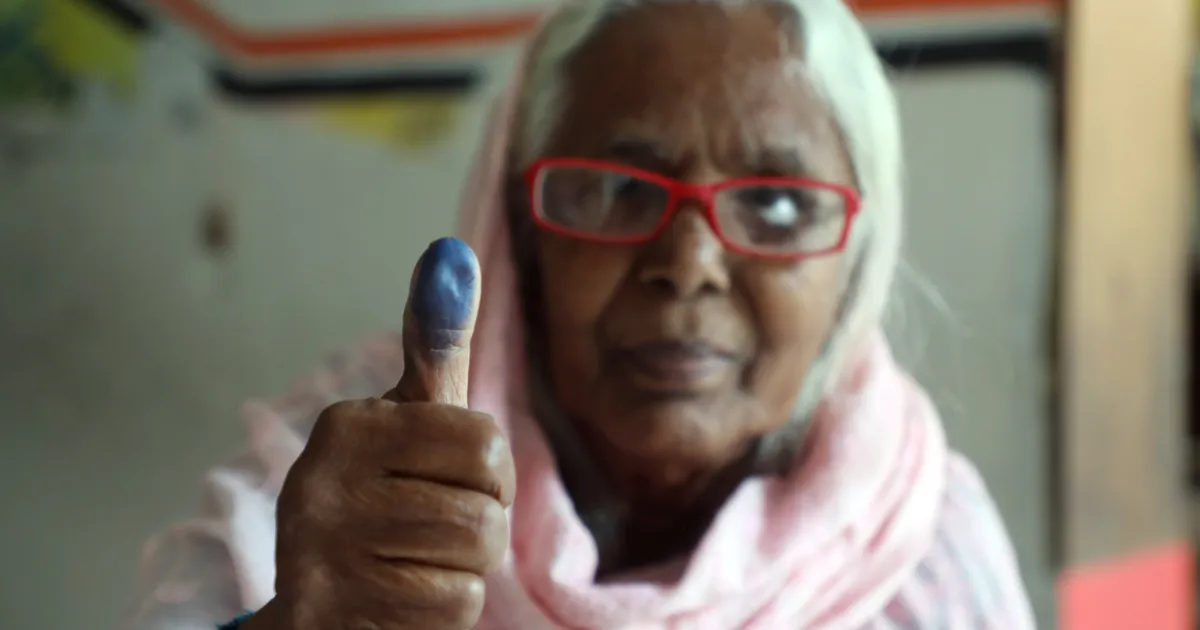
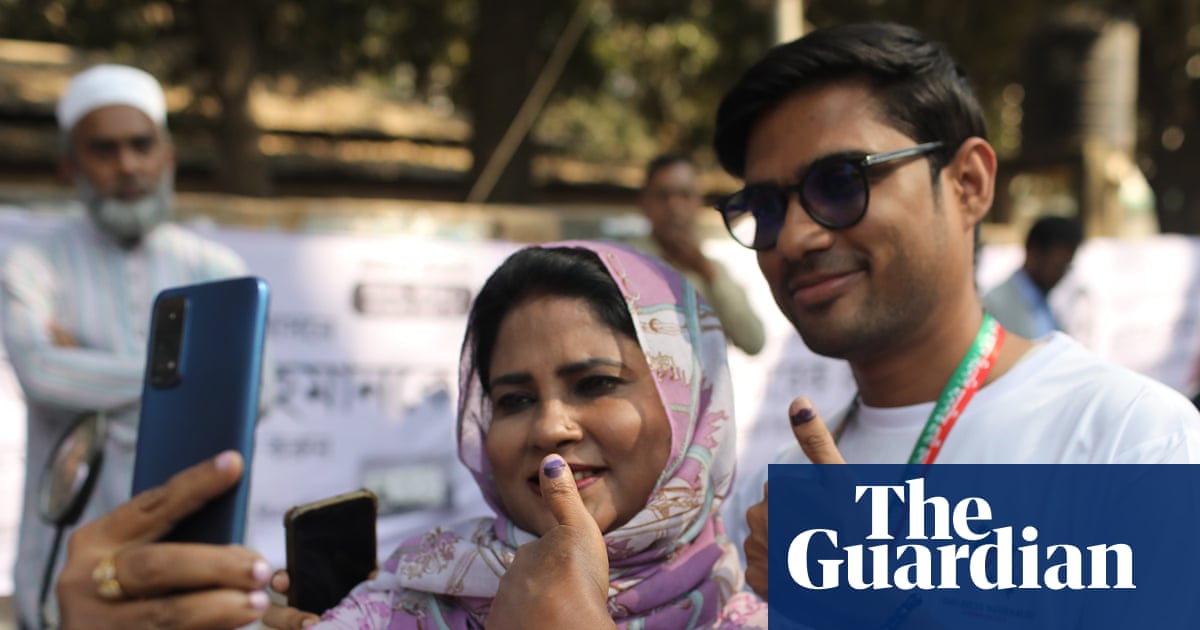
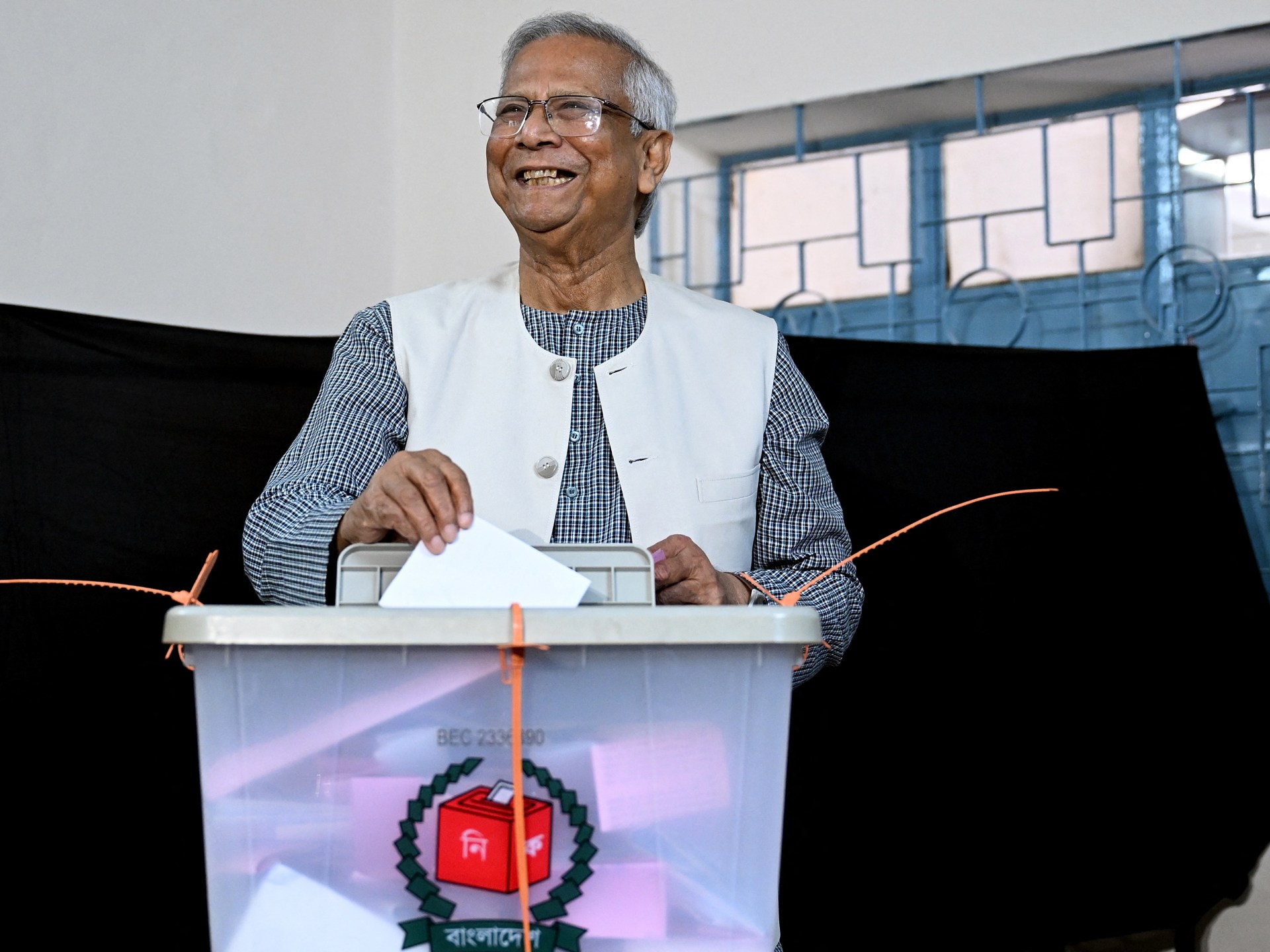
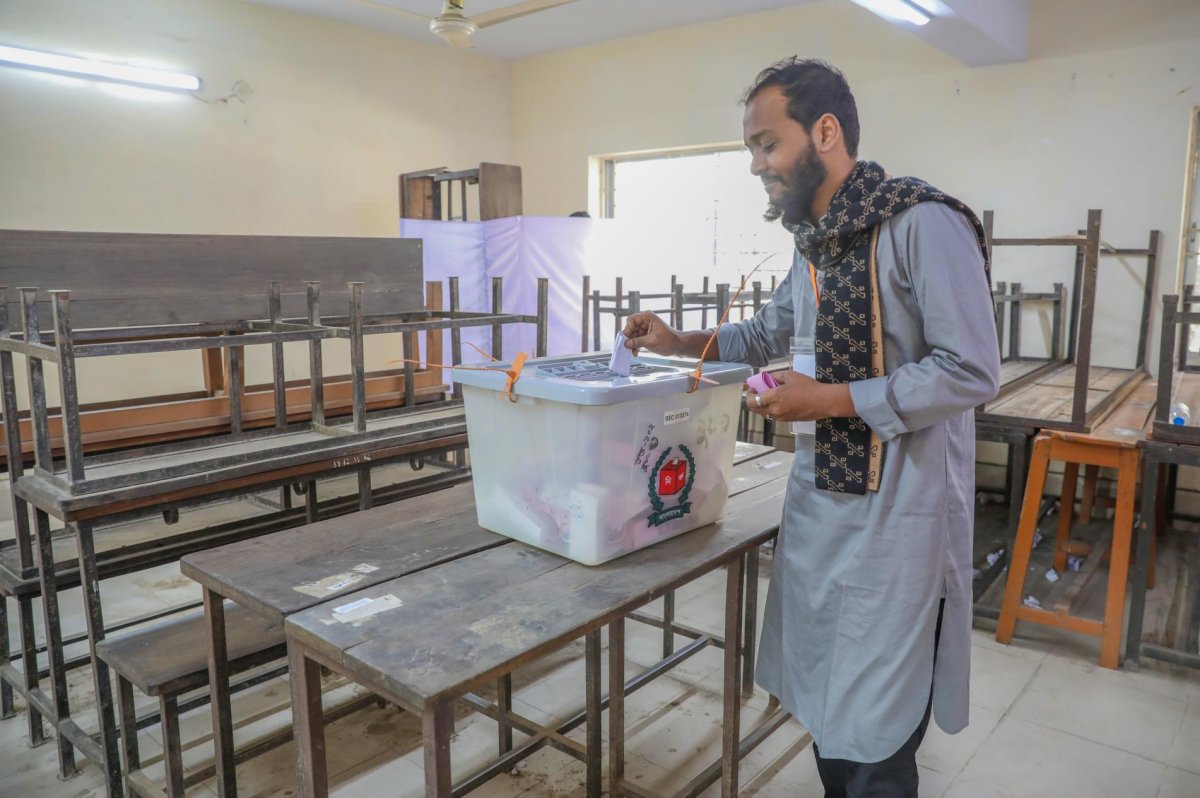
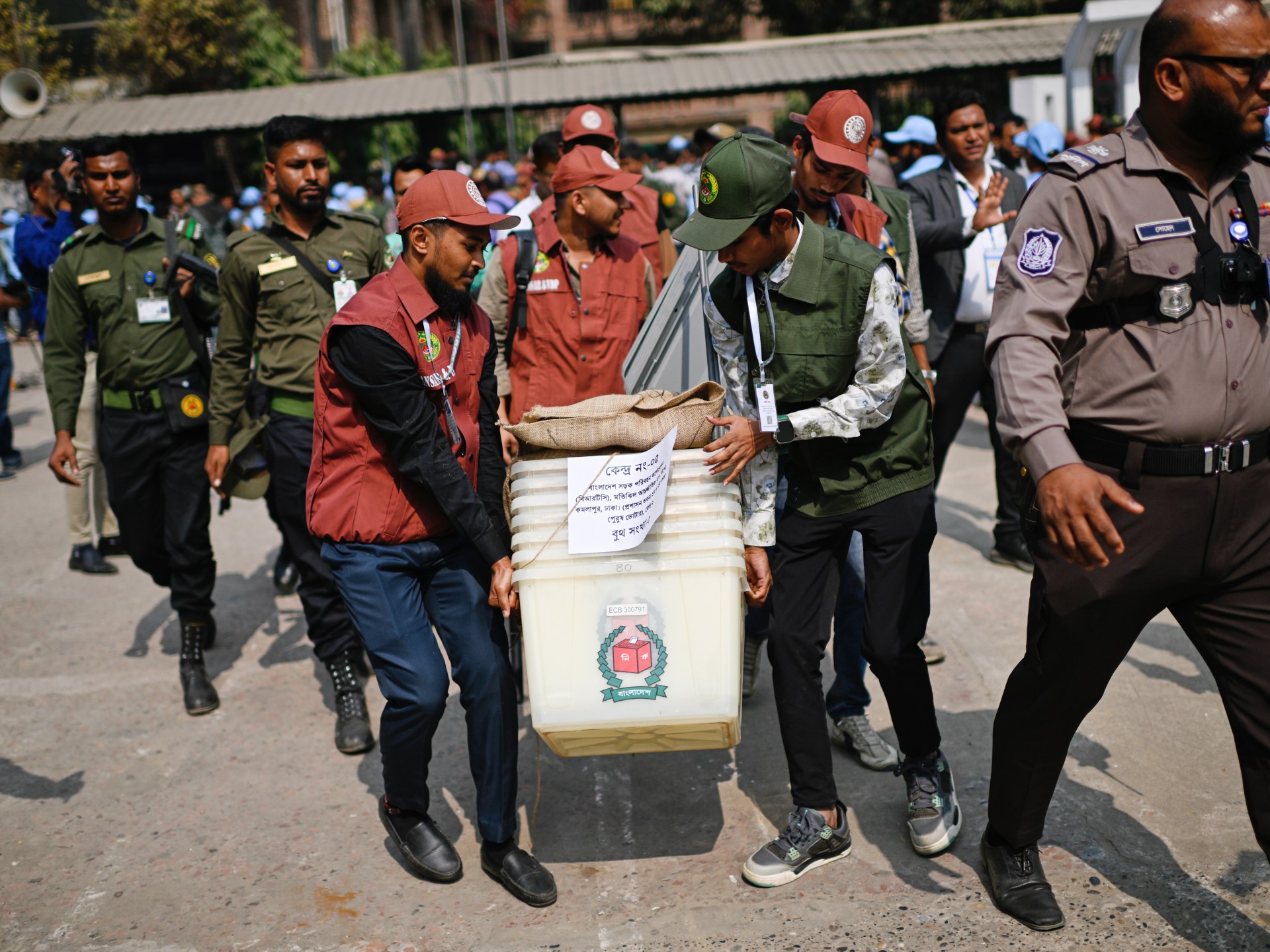
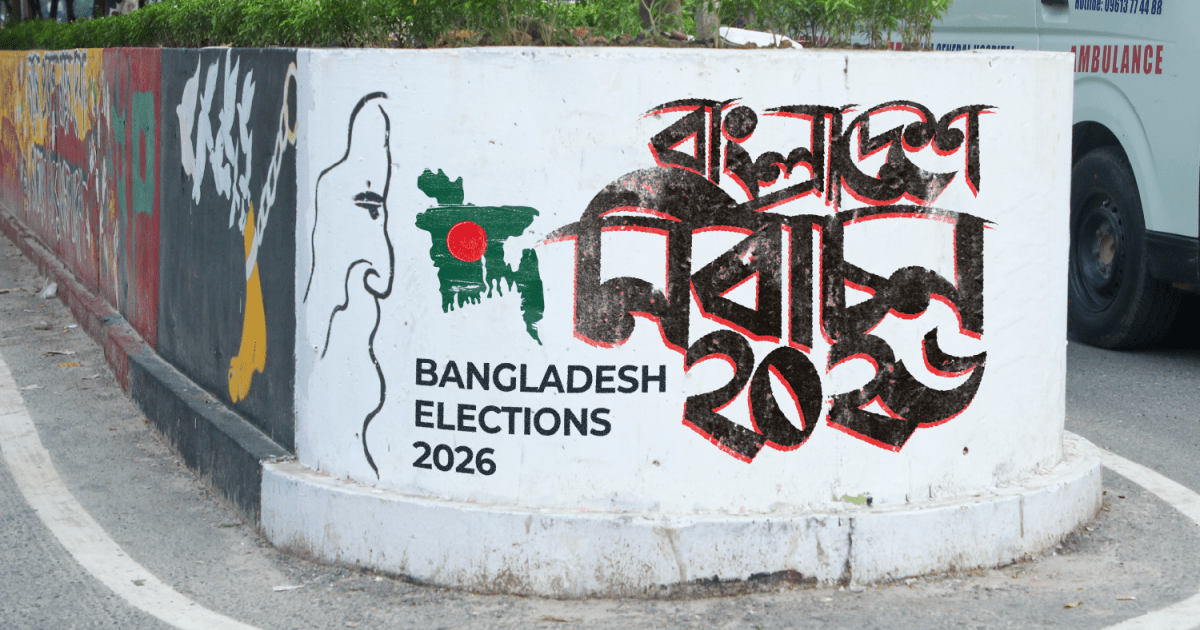
DHAKA, Bangladesh — On a sweltering Wednesday morning in Mirpur, a working-class district in the north of this capital city, Rafiq Ahmed cast his vote for the first time. He is 22 years old, a freelance graphic designer, and one of roughly 127 million Bangladeshis choosing a new parliament today in the most consequential election the country has seen in a generation.
He is also, by the government’s definition, a criminal.
Ahmed — who asked that his real name not be used — holds about $1,400 in a digital wallet on Binance, the world’s largest cryptocurrency exchange. He earns in USDT, a dollar-pegged stablecoin, from clients in Dubai and Singapore, converts it to Bangladeshi taka through a peer-to-peer network linked to his bKash mobile wallet, and uses it to pay rent. The entire process takes about nine minutes. It is also, according to Bangladesh Bank, punishable by up to seven years in prison.