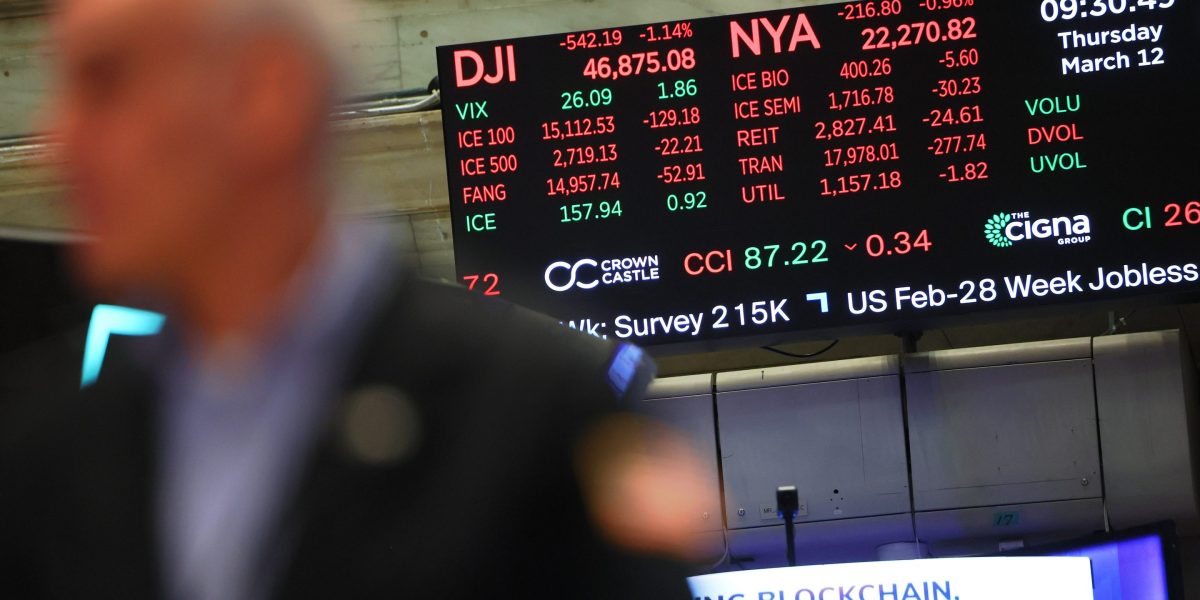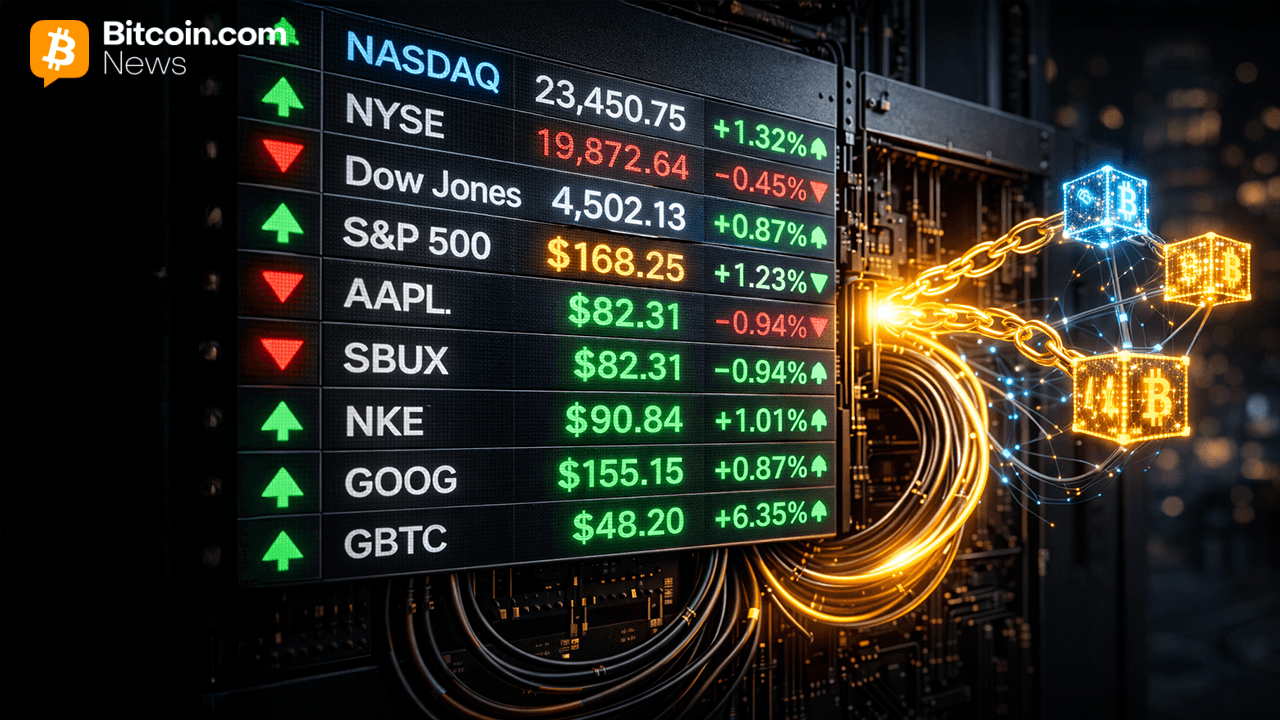
Blockchain has clearly divided the history of the stock market into “before” and “after.” For over three years, the securities market has been actively setting its sights on tokenization. An increasing number of global financial hubs are now exploring and testing this technology. This is because blockchain does not merely translate traditional securities into a new digital format; it fundamentally “rewires” the very philosophy of the stock market.
The following opinion editorial (Op-Ed) was written by Volodymyr Nosov, Fintech entrepreneur, Founder and CEO of WhiteBIT.
Thanks to tokenization, stock trading can now happen 24/7 — no more waiting for Monday morning to execute a trade. High-value assets are also ceasing to be the exclusive privilege of institutional giants. Simultaneously, numerous barriers — including brokers, time constraints, high fees, and regional boundaries — are dissolving. Furthermore, an increasing number of progressive nations and regulators are cautiously giving the green light to this trend, while institutional investors watch its evolution with palpable interest.
The stock market, which may seem technologically advanced on the surface, still relies on outdated trading models. For instance, operations are restricted to weekdays and specific hours. Funds for purchased shares can remain “stuck” in banking processes for days, as settlements effectively pause during weekends and holidays. Given that today’s business operates at maximum speed, such capital delays are inefficient and, at times, critical.