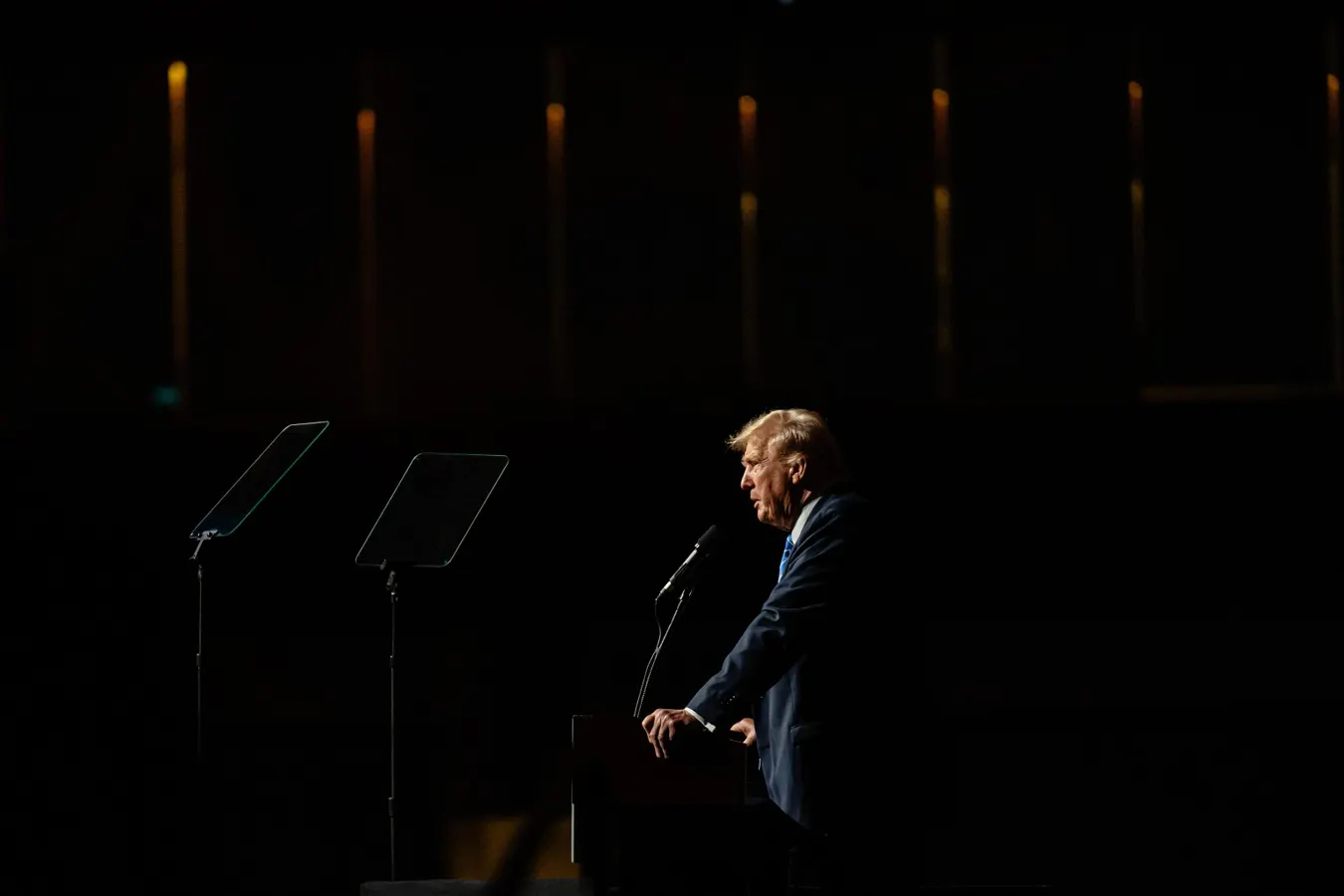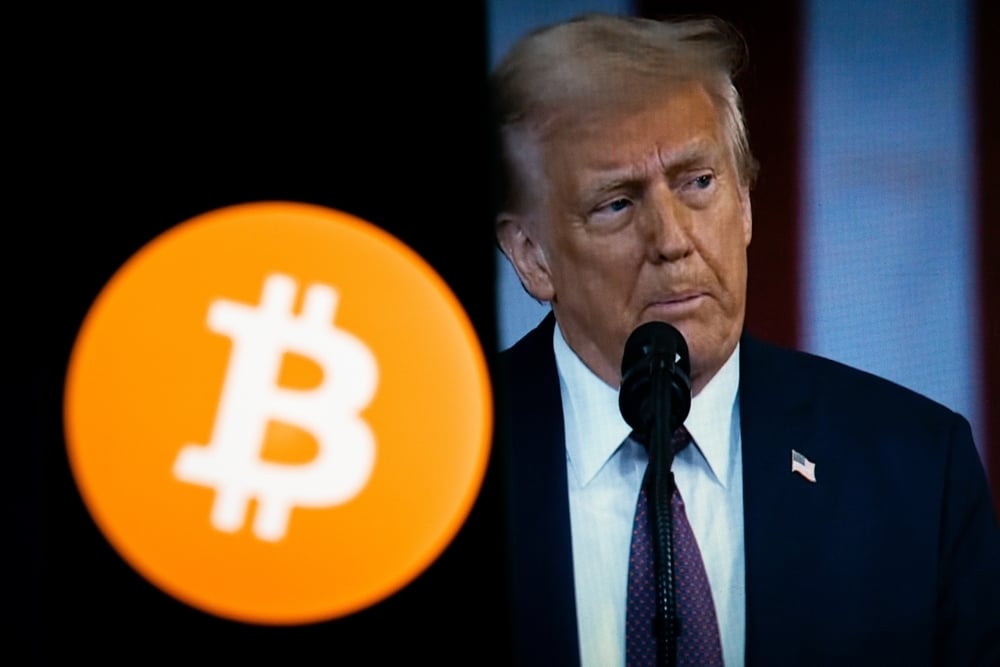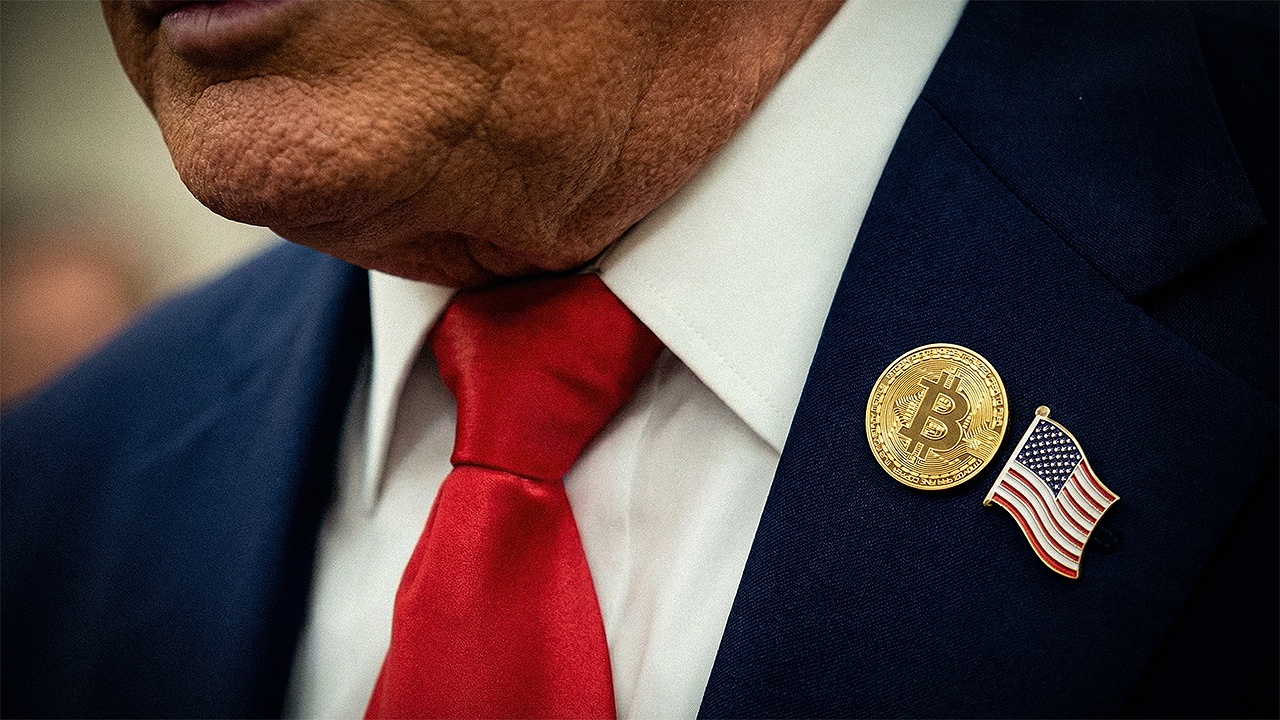
In 2024, Donald Trump did something no major party presidential candidate had done before: he courted the Bitcoin and crypto community directly, spoke at Bitcoin Nashville, and positioned himself as the industry’s champion. Millions of us who believe in financial sovereignty, decentralization, and the separation of money and state saw an opportunity. Many voted accordingly.
What a difference eighteen months makes.
As I write this, a two-week ceasefire between the United States and Iran is hours old. Whether it holds is anyone’s guess. The war that the U.S. and Israel launched on February 28 has already killed American service members, destroyed universities and elementary schools, closed the Strait of Hormuz, and sent shockwaves through every market on the planet. The president who promised to end wars threatened, in his own words, that “a whole civilization will die tonight.” Iran’s ambassador at the United Nations called it incitement to genocide. Experts are debating whether the targeting of bridges, railways, and power grids constitutes war crimes. Children in Tehran are dead.
This is not what we signed up for.
The Bitcoin community did not coalesce around a political candidate so that he could become the latest patron of the military-industrial complex. The very machine, by the way, that Bitcoin was conceptually designed to defund. Satoshi’s whitepaper was published in the wreckage of 2008, a year when the Federal Reserve printed billions to bail out banks while governments spent trillions waging wars most citizens never asked for. Bitcoin was, from its genesis block, a protest against exactly this: the unchecked power of states to debase currency in service of violence.