TL;DRFigma reported Q1 2026 revenue of $333.4 million, up 46% year on year, beating analyst expectations of $316 million. The design software company raised full-year guidance by $55 million to $1.422-$1.428 billion and issued Q2 guidance of $348-$350 million, roughly $20 million above consensus. The stock jumped more than 8% after hours. The key data point: after Figma began enforcing AI credit limits on 18 March, more than 75% of higher-tier users who exceeded their allocation continued paying for credits, though about 5% of those users left the platform entirely. Net dollar retention hit 139%, a two-year high, and paid customers grew 54% to approximately 690,000. The stock remains down more than 80% from its post-IPO peak of $142.92.
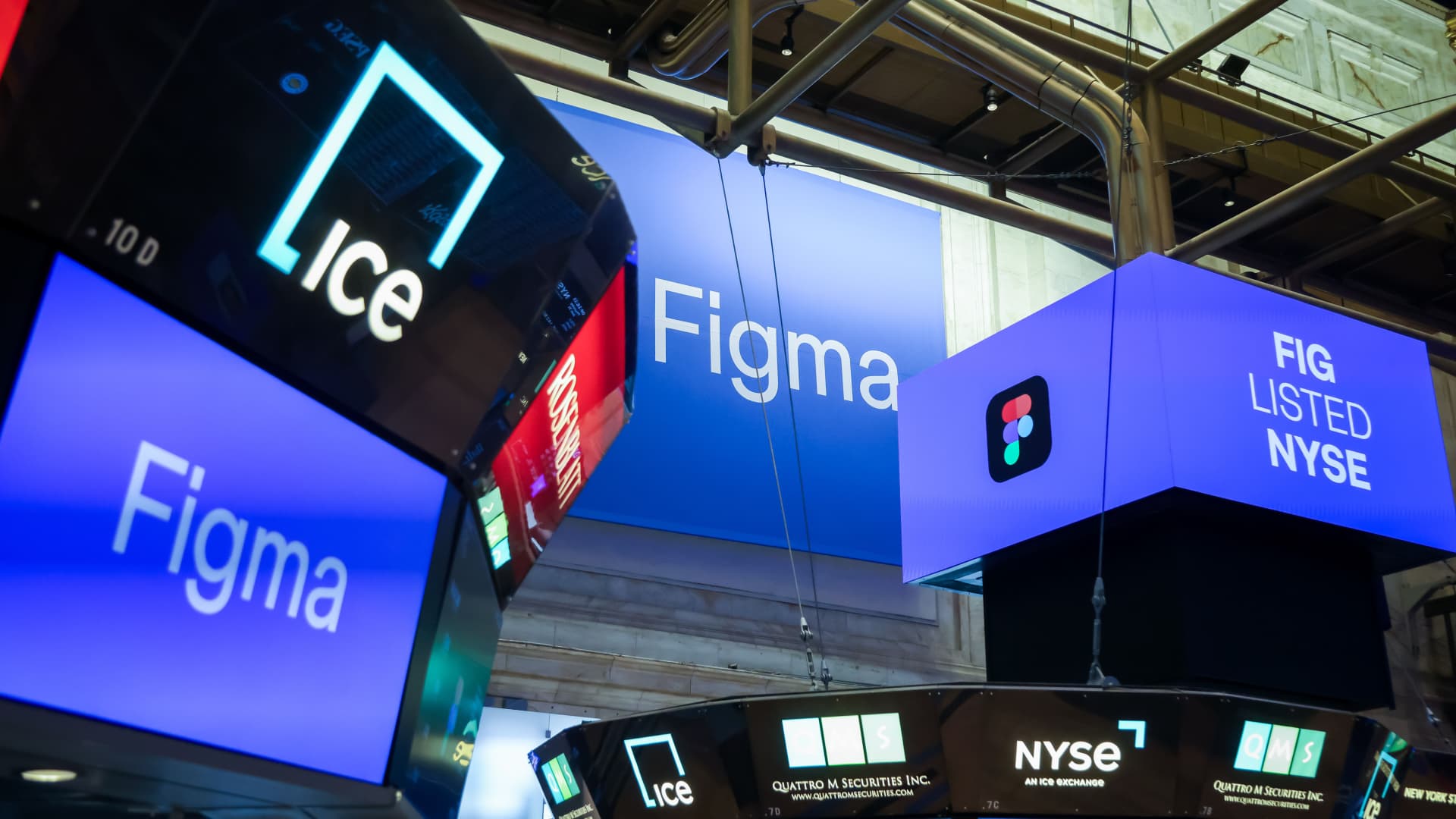
For ten months, Figma has been a case study in how quickly Wall Street can fall out of love. The company went public on 31 July 2025 at $33 a share, soared past $140 on its debut, and has spent most of 2026 in freefall, battered by Google’s free Stitch design tool, Anthropic’s Claude Design launch, a class-action investigation, and the general conviction that artificial intelligence would commoditise the very design tools Figma sells. By May, the stock was trading near its 52-week low of $16.60, down more than 80% from its post-IPO peak.