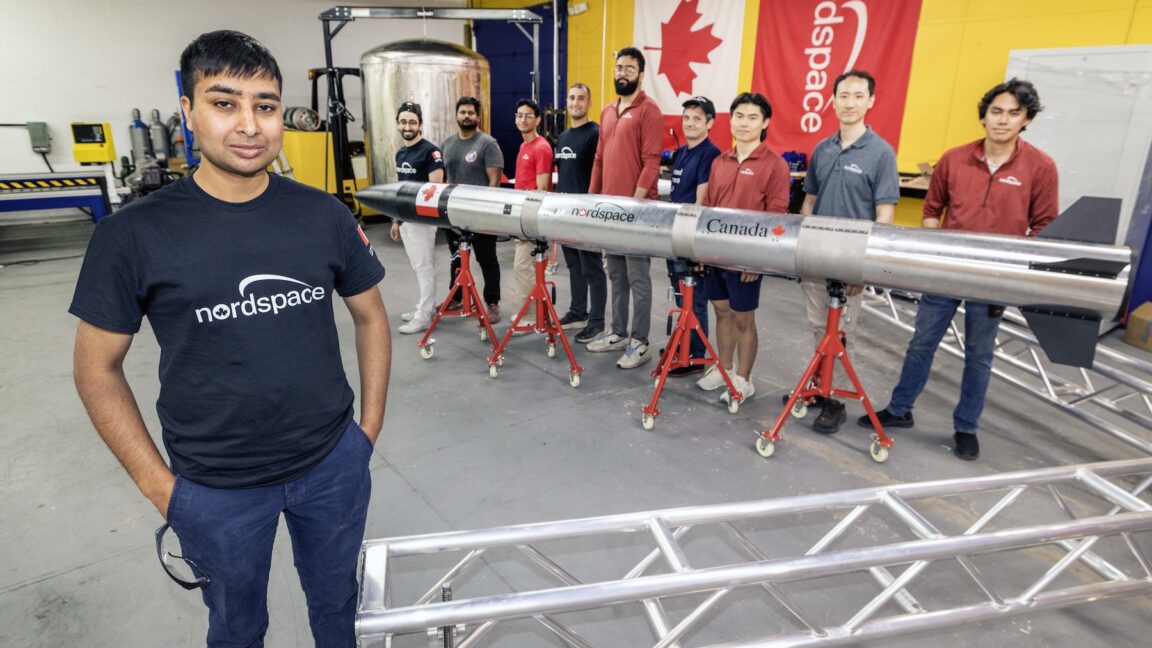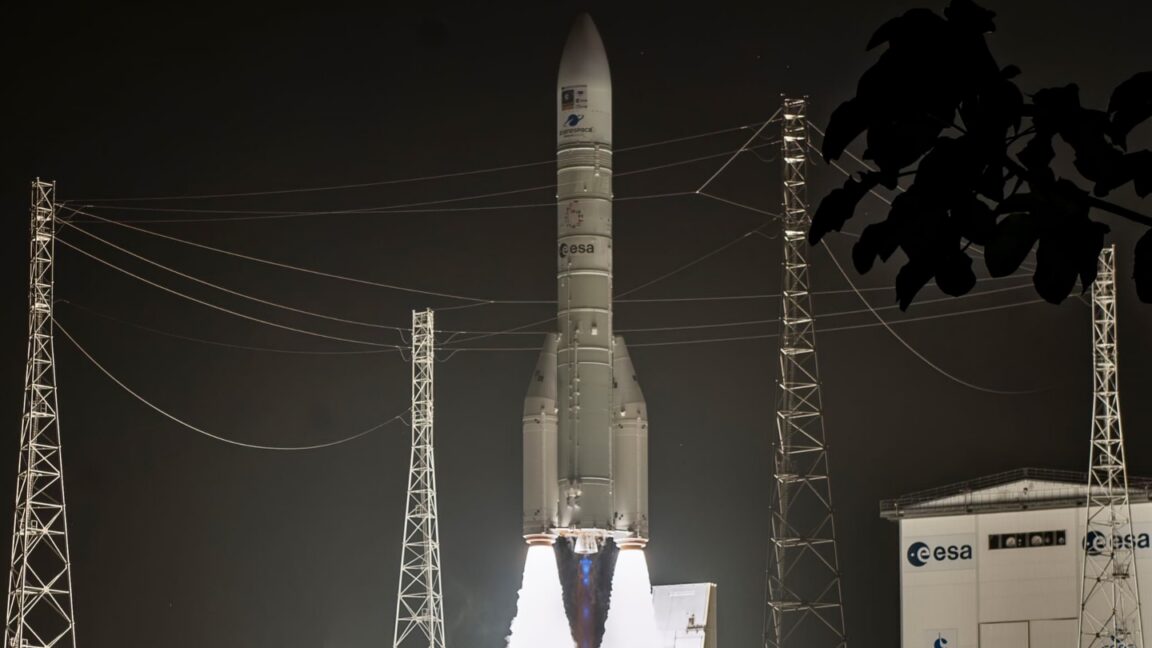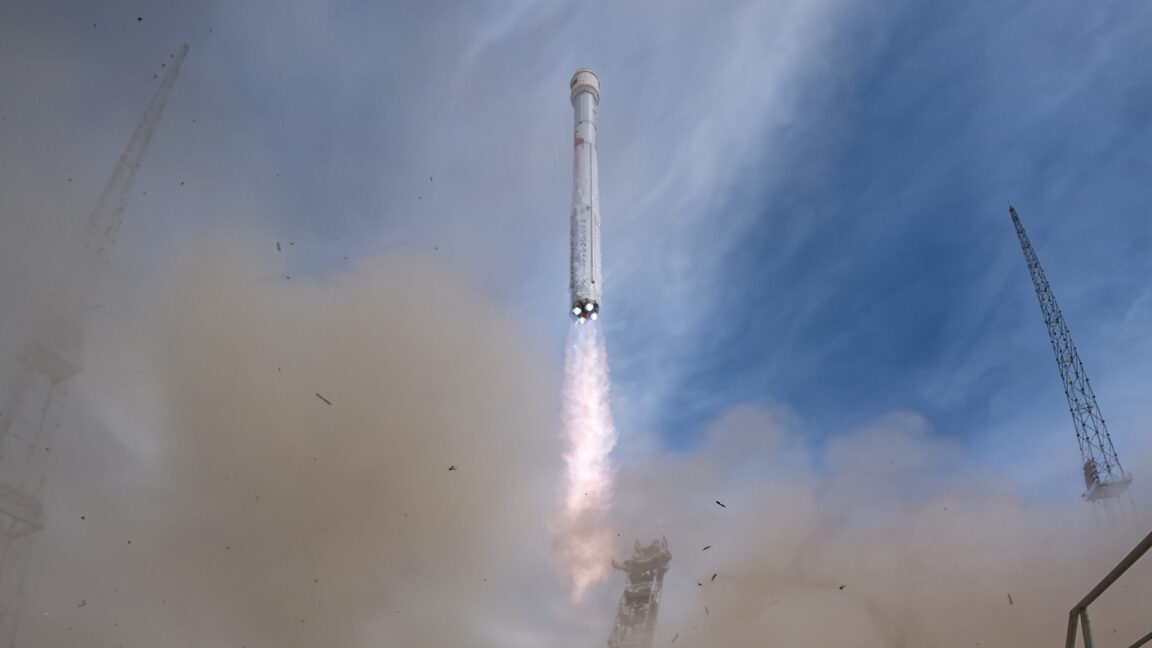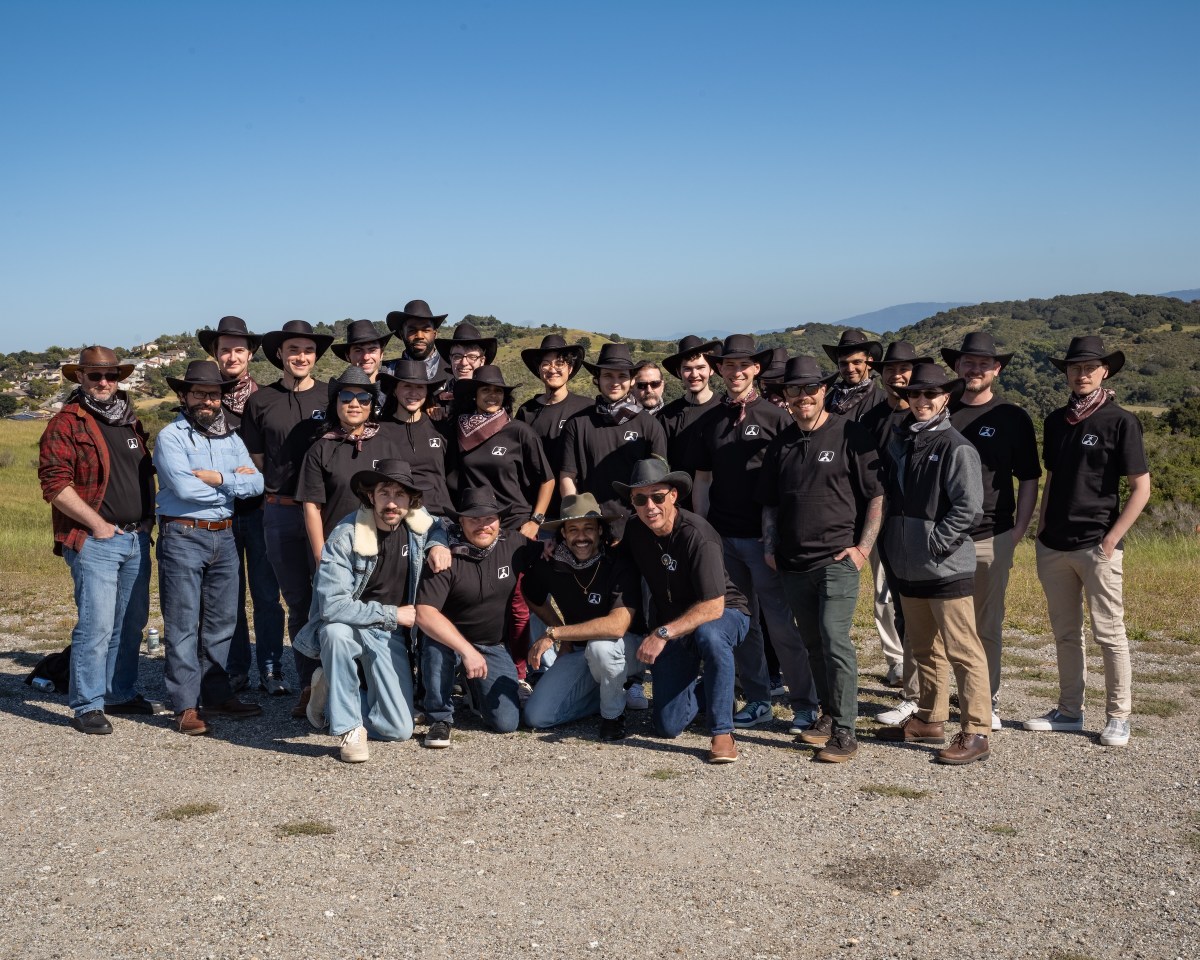
The 2026 International Rocket Engineering Competition (IREC) is rapidly approaching. Thousands of engineering students, representing 150 teams from 20+ countries, will converge at the Midland Spaceport (aka, the West Texas oil patch), near Balmorhea, Texas, to showcase the projects they have produced after 8 months of dedicated effort. The event, hosted since 2006 by the Experimental Sounding Rocket Association (ESRA), is scheduled for June 15-20, 2026.
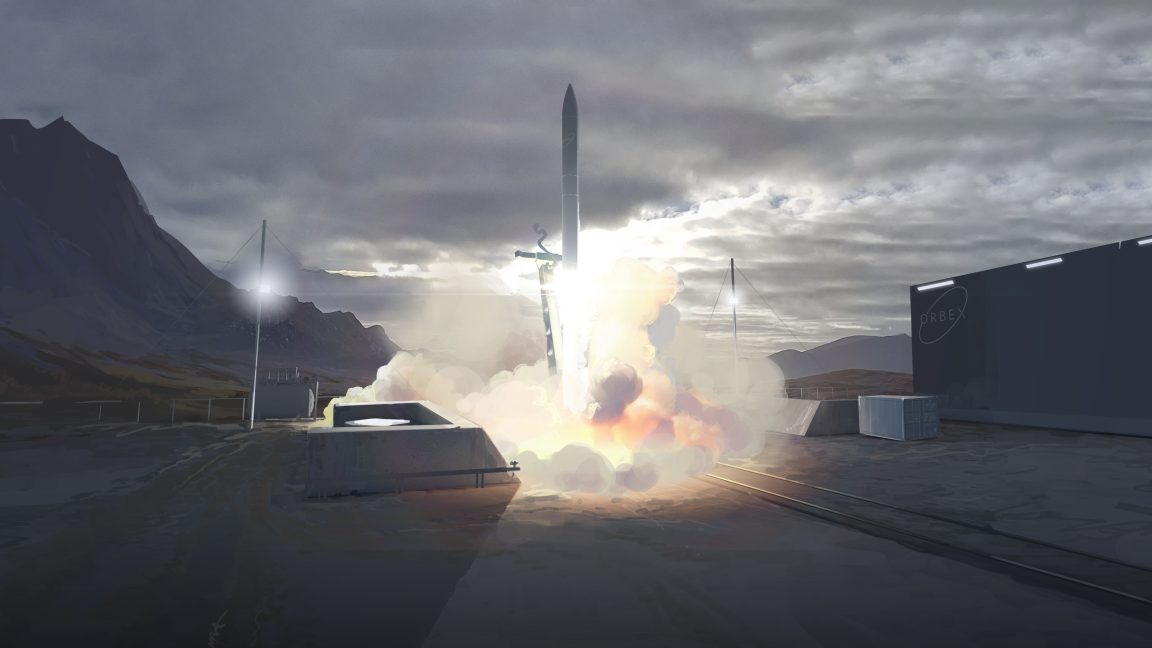
The IREC is the largest collegiate engineering rocketry competition in the world. At the launch itself, the Teams hope to “push the button”, sending their rockets to altitudes as high as 50,000 feet. These are large rockets – weighing in between 50 and 200 pounds – and seeing them soar is truly thrilling. Many carry functional scientific payloads with missions limited only by the teams’ creativity and imagination.
While the launch is the payoff, teams face numerous challenges along the way, including securing sponsors and funding, passing safety inspections, dealing with unpredictable weather, and navigating school bureaucracy. Participants gain valuable project management and teamwork skills, tackle real-world technical problems, manage tight schedules and hone the hands-on craftsmanship skills that are difficult to obtain elsewhere. The 100+ ESRA volunteers that ESRA relies on to run the event understand the importance of these skills. Indeed, many of those volunteers are former competitors who want to pass down the benefits of the IREC experience.