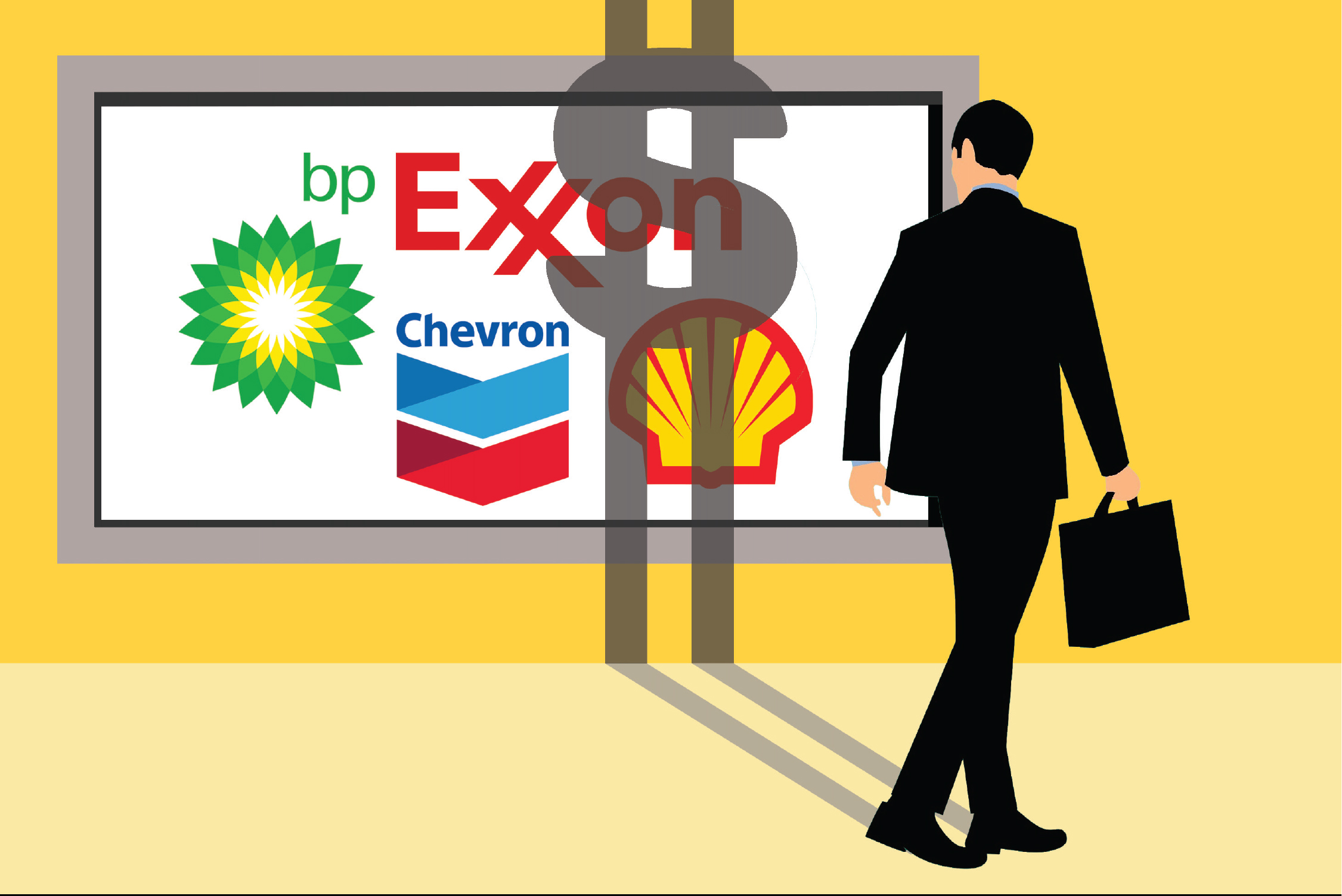
British advertising conglomerate WPP has helped oil companies ExxonMobil, Chevron, Shell, and BP spend an estimated $1 billion on ads in the United States since the 2015 Paris Agreement to tackle climate change, a new report shows.
The figure is nearly twice the respective amounts linked to U.S. rivals Omnicom and Interpublic Group (IPG), which merged in November. London-based WPP was the leading advertising group serving America’s oil industry over the past decade, according to the analysis by DeSmog.
During this period, ExxonMobil, Chevron, Shell, and BP had employed “deceptive and misleading” communications strategies designed to thwart policies to tackle the climate crisis by curbing the use of fossil fuels, a congressional investigation concluded in April 2024.
WPP’s services — from developing ideas for ads and designing logos, to securing ad space and analysing target audiences — were “crucial” to maintaining the oil industry’s public image, current and former WPP employees said. WPP is estimated to have earned millions of dollars a year from this work.
“The UK prides itself on climate leadership, and yet WPP, the supposed jewel of the British advertising industry, is facilitating dangerously misleading advertising in the U.S.,” said Victoria Harvey, holder of a PhD in the ad industry’s response to the climate crisis from the University of East Anglia, who reviewed DeSmog’s methodology.