Recently, an ordinary manuscript landed on my desk. Nothing flashy—the solid work that represents another brick in the wall of science. The hard part wasn’t deciding whether it belonged in a journal that I oversee as editor in chief. The hard part was finding anyone willing to review it. After a month of emails, I managed to uncover two helpful souls.
That experience is no longer unusual. Peer review—the quiet process in which independent experts vet scientific work—is the quality filter behind safe medicines, infrastructure standards, and daily technologies. It is imperfect, but it is the best system we have for turning raw claims into reliable knowledge. When peer review slows or weakens, science doesn’t just become slower. It becomes noisier, more error-prone, and easier to distrust.
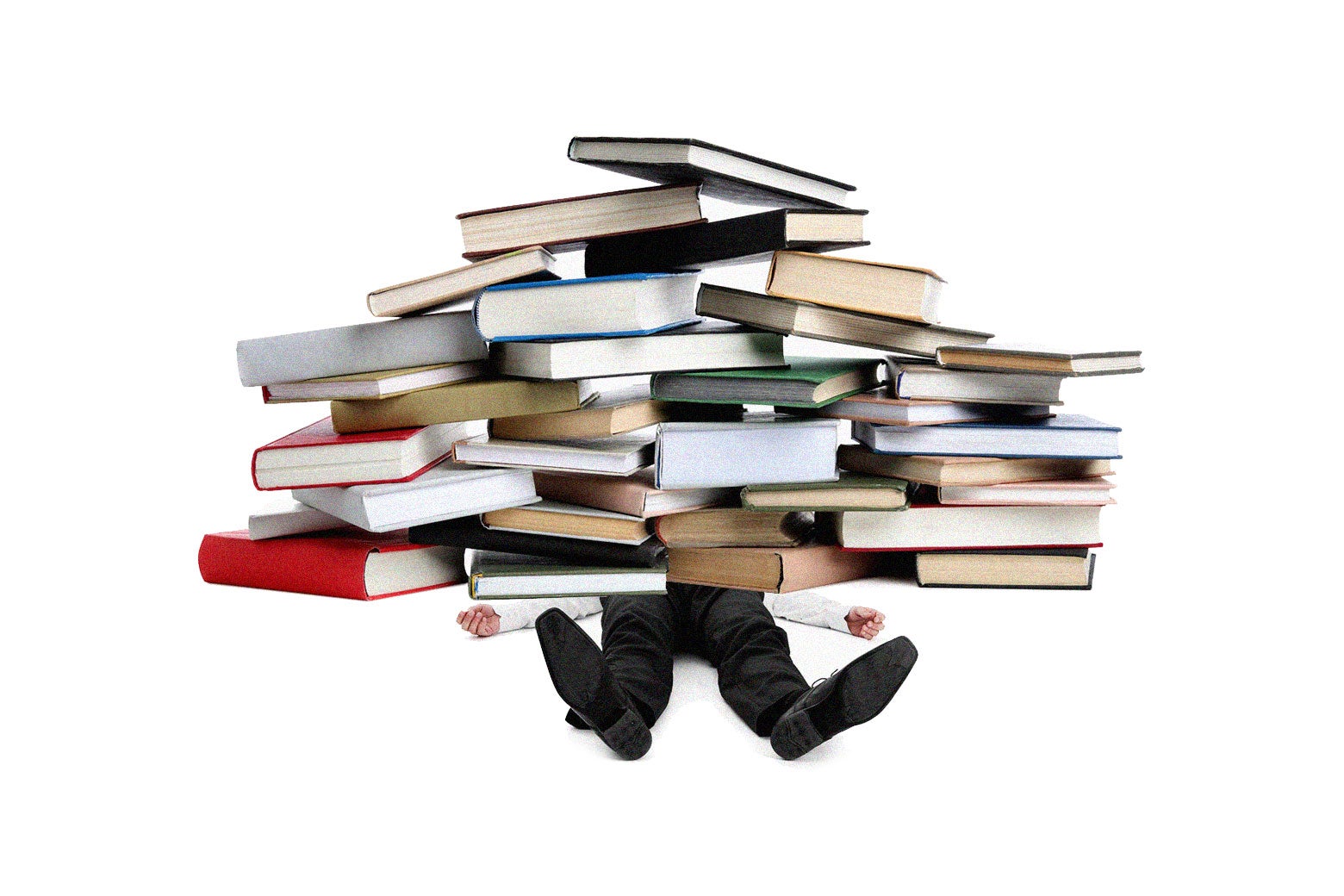
The problem is not that scientists have suddenly become less careful. Rather, the volume of manuscripts has outgrown the capacity of the people who are supposed to evaluate them. One study found that the number of published articles increased by nearly 50 percent from 2016 to 2022.
At first glance, that sounds like progress. But the publication growth is not simply a sign that we are doing 50 percent more science. Research budgets and the size of the scientific workforce have not grown at anything like the same rate. Instead, multiple incentives push in the same direction: publish more, publish faster, and publish often.