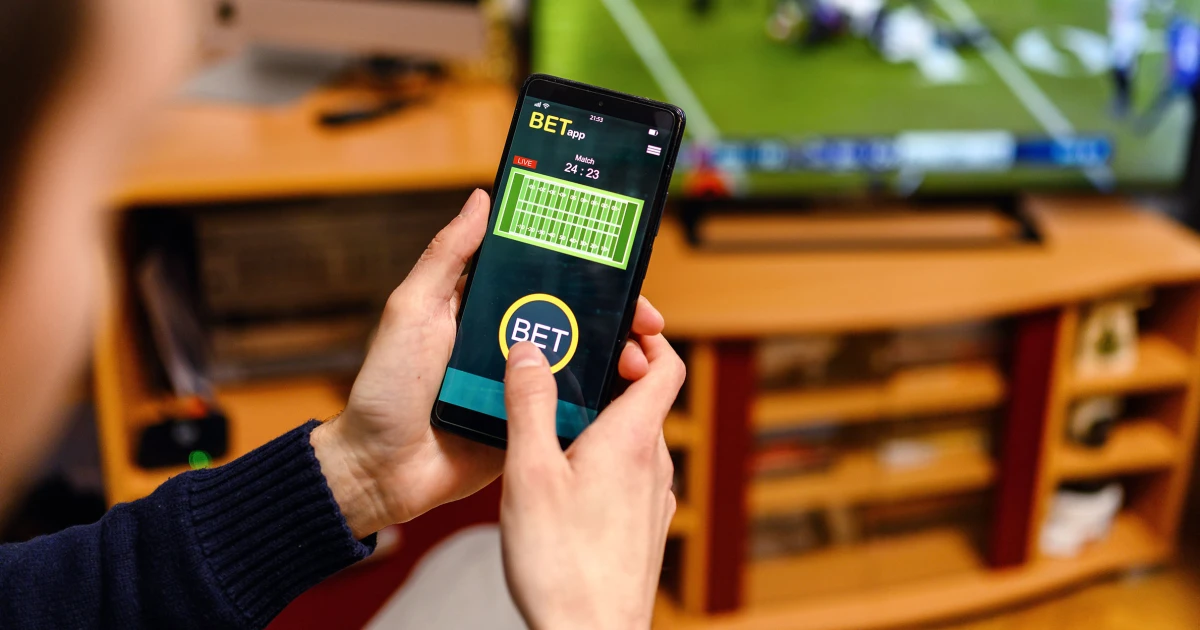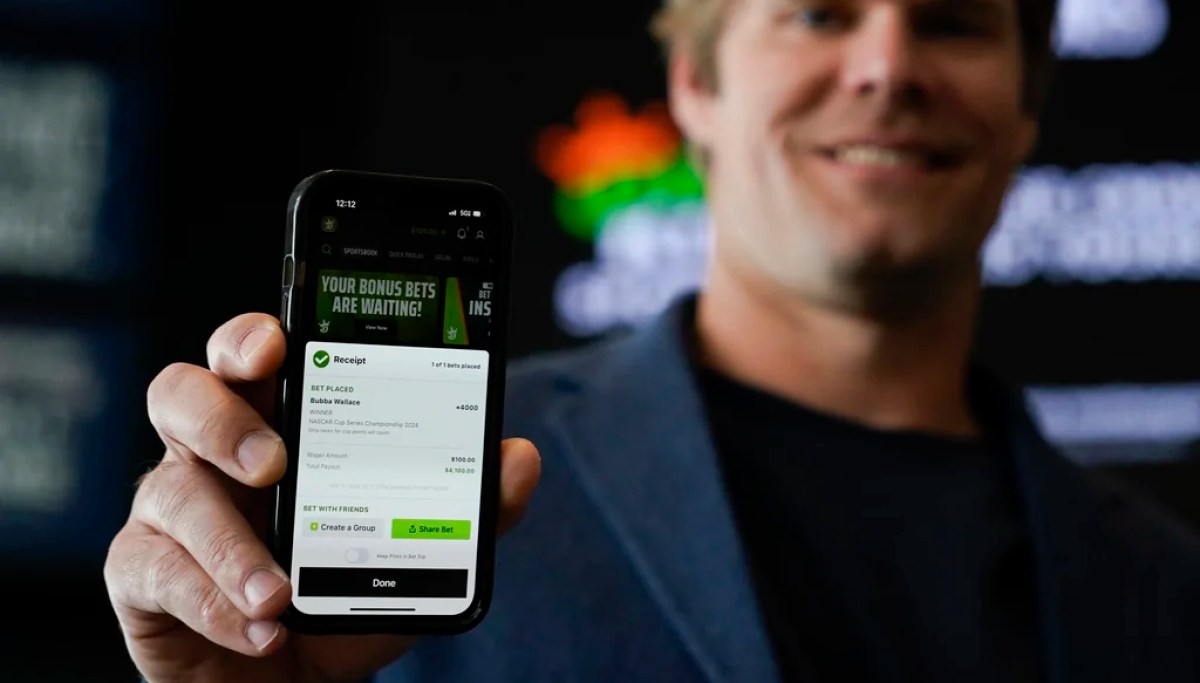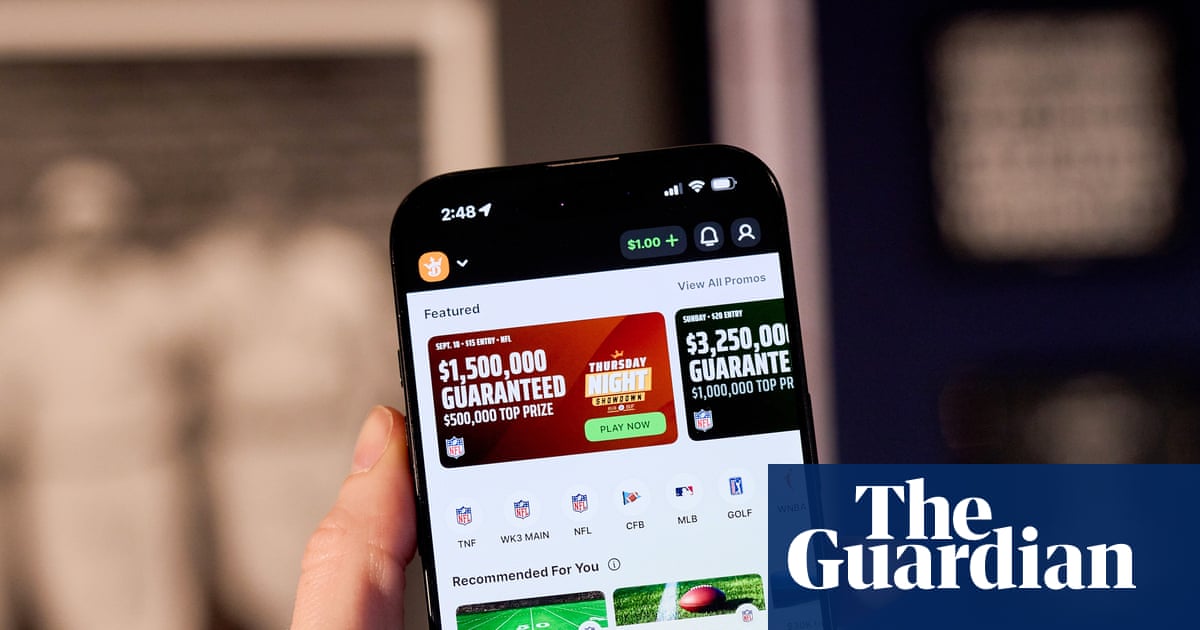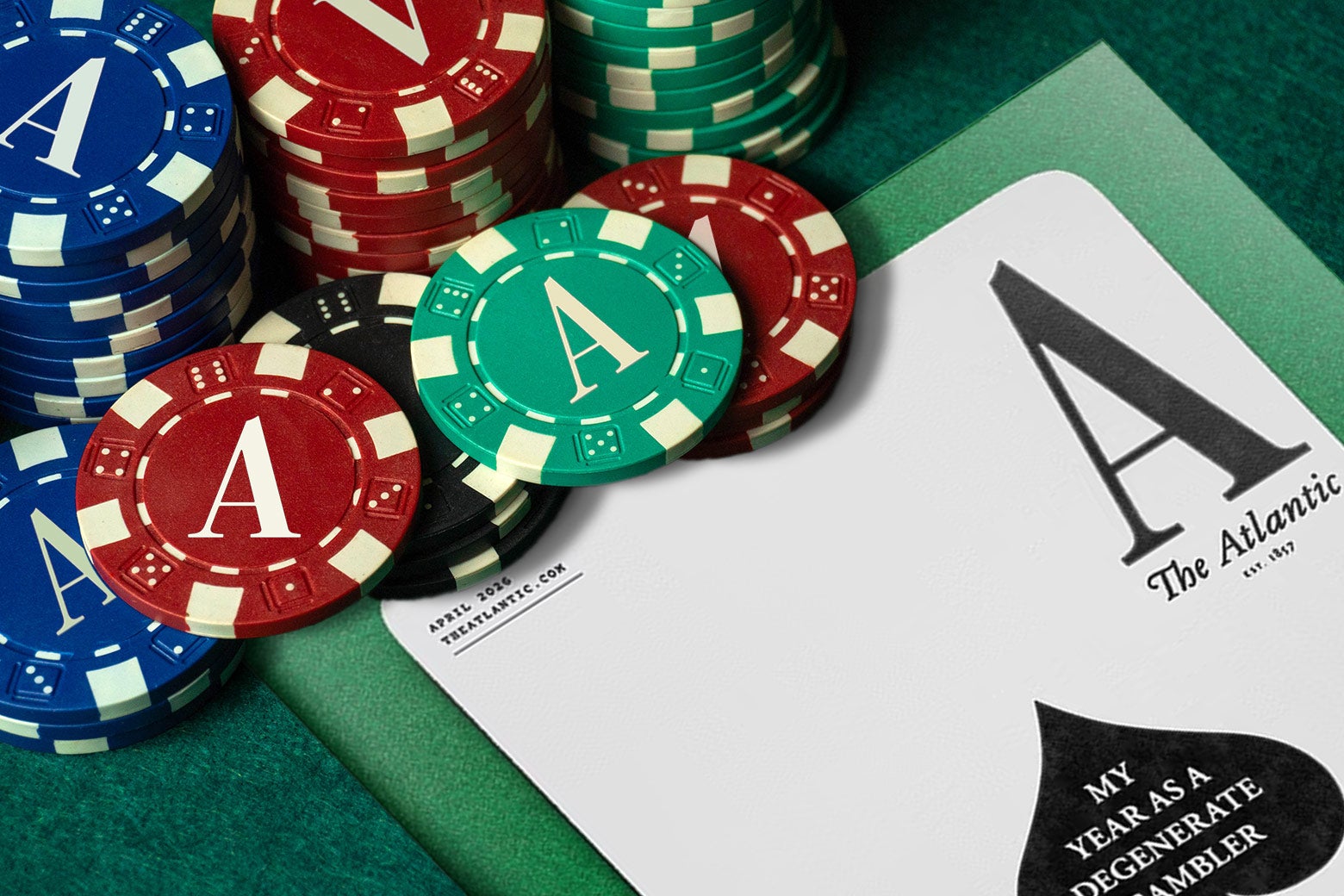
A few weeks ago, a friend sent me a text that read, “The Atlantic gave a journalist $10k to gamble on sports betting apps to see how it affected him. I’m pretty sure they just created a gambling addict.” It seemed like a weird thing for the Atlantic to do in the year 2026, like a story from a bygone era, maybe something in Vice of the “I Tried Out Herbal Club Drugs, and It Was a Nightmare” variety. Surely, I thought, there must be something to the Atlantic’s piece that made it less reckless than it sounded.
There wasn’t. Published under the headline “Sucker: My Year as a Degenerate Gambler,” Atlantic staff writer McKay Coppins chronicles his foray into the booming world of sports betting apps. A practicing Mormon, Coppins had no previous experience with gambling but quickly learned how easily the “joyful naivete” of his initial use “could curdle into delusion and compulsion.”
Coppins is an excellent writer; the story compellingly highlights the perils of having 24/7 access to tiny electronic casinos in our pockets and the seductive allure of betting on anything and everything. Ninety percent of bets are now placed on phones; the proliferation of these apps makes it easier than ever to develop a gambling addiction (or gambling disorder, as it’s called in the Diagnostic and Statistical Manual of Mental Disorders), a condition that can have catastrophic and even lethal consequences for a person’s life. As Coppins notes in the piece, 1 in 5 people with gambling disorder will attempt suicide, a higher rate than with any substance use disorder.