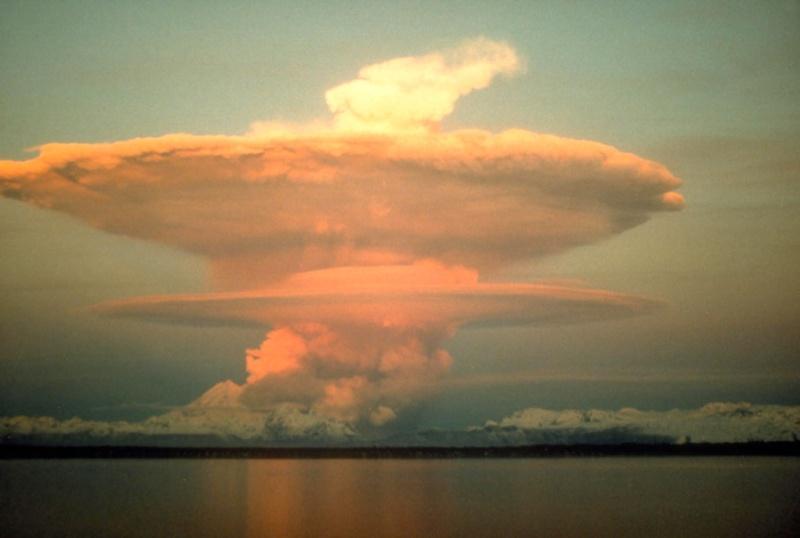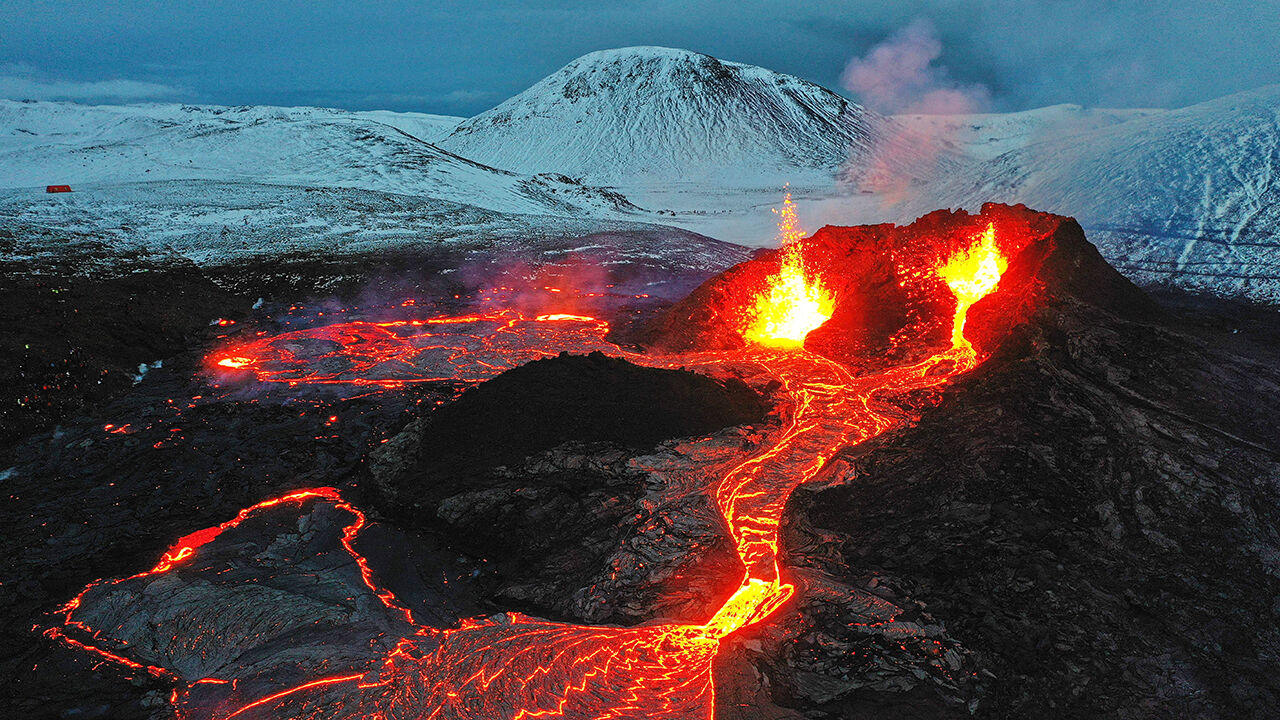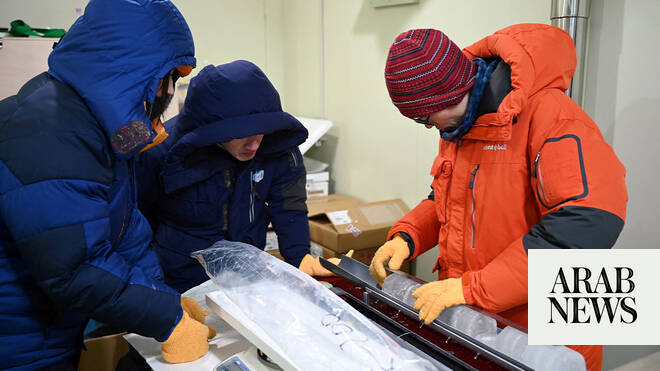
I’m looking into a freezer box at the fall of the Roman empire. “It’s right here,” glaciologist Alison Criscitiello says, pointing to a nearly invisible gray smudge behind the glass, on a 5-foot-long, 1,550-year-old bisected cylinder of ice. “This is the volcanic ash.” We’re all crowding around to see it: the barely visible blur left by the triplet of eruptions that tipped a civilization into collapse.
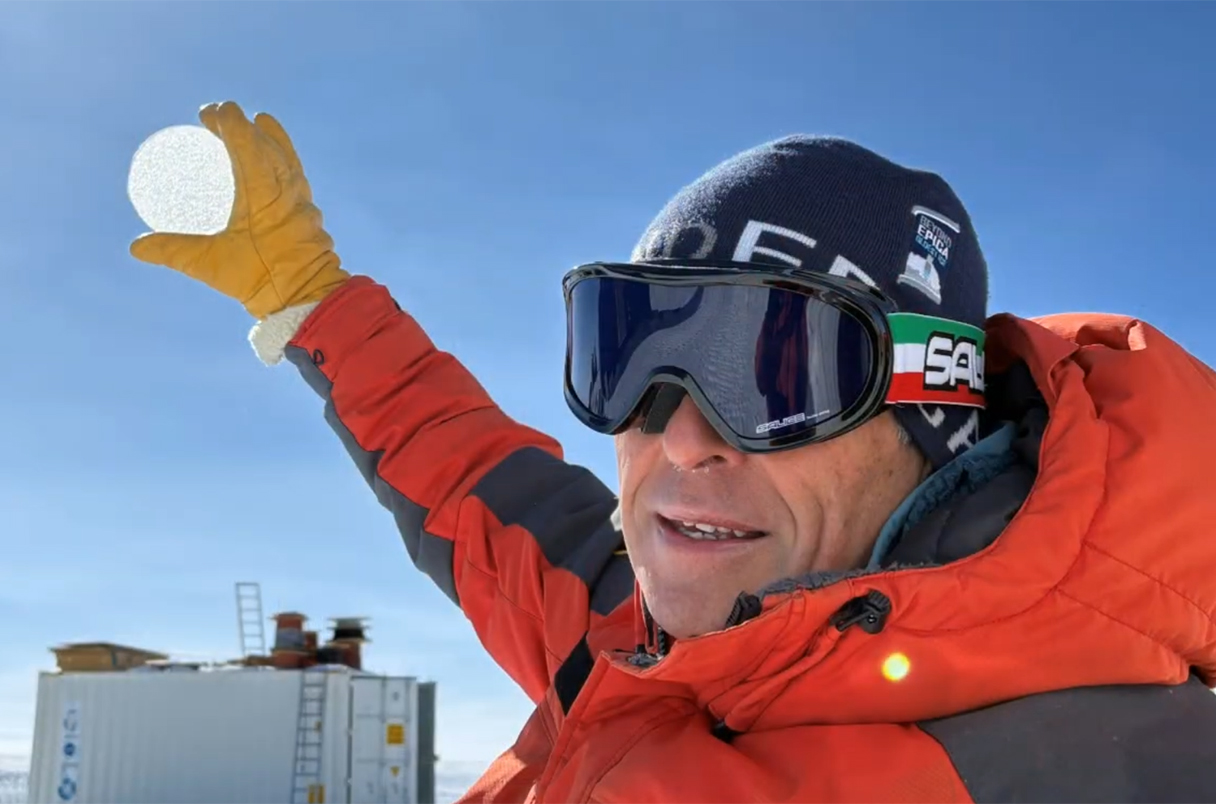
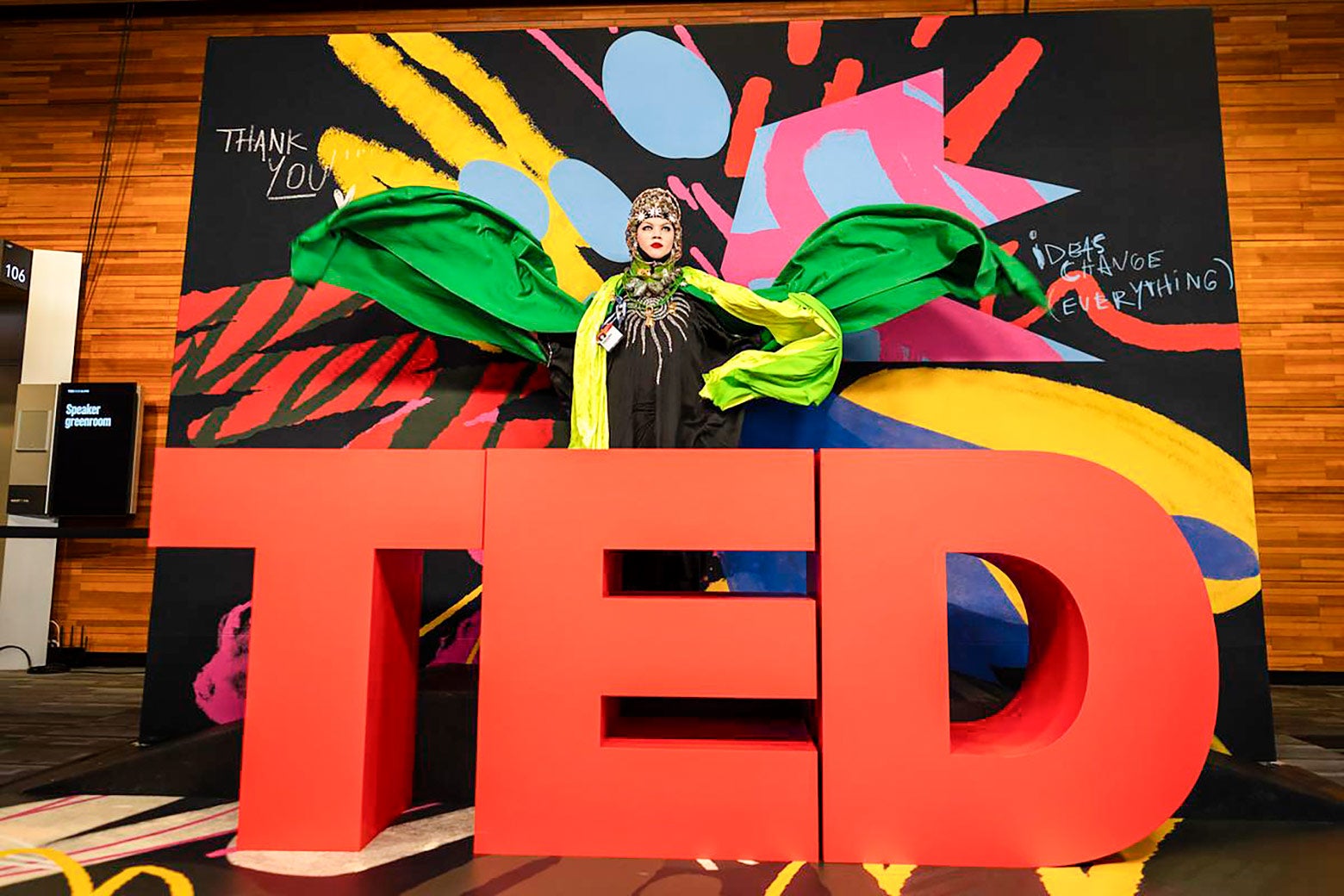
It’s Day 1 of TED2026 in Vancouver, British Columbia, and a couple dozen conference attendees from around the world are pressing their ears to water glasses, listening to the prehistoric crackle-pop of bubbles being liberated from small shards of ancient ice. Criscitiello hauled them off a glacier herself, and now she and National Geographic explorer M Jackson are dispensing them, like candy, from a Ziploc, while assuring us it’s not possible to contract a long-dormant prehistoric virus from drinking glacial melt.
My ice chunk hasn’t fully melted yet, but we have to wrap up here. It’s nearly time to join the rest of the 1,700 or so attendees and file into the theater for the opening talk of the $10,000-a-ticket, weeklong event: It’s Malala Yousafzai, the world’s youngest Nobel Peace Prize laureate. She’s 28 now—it’s been more than a decade since she wrote I Am Malala, about speaking out against the Taliban as a teenager and surviving being shot at point-blank range for it.