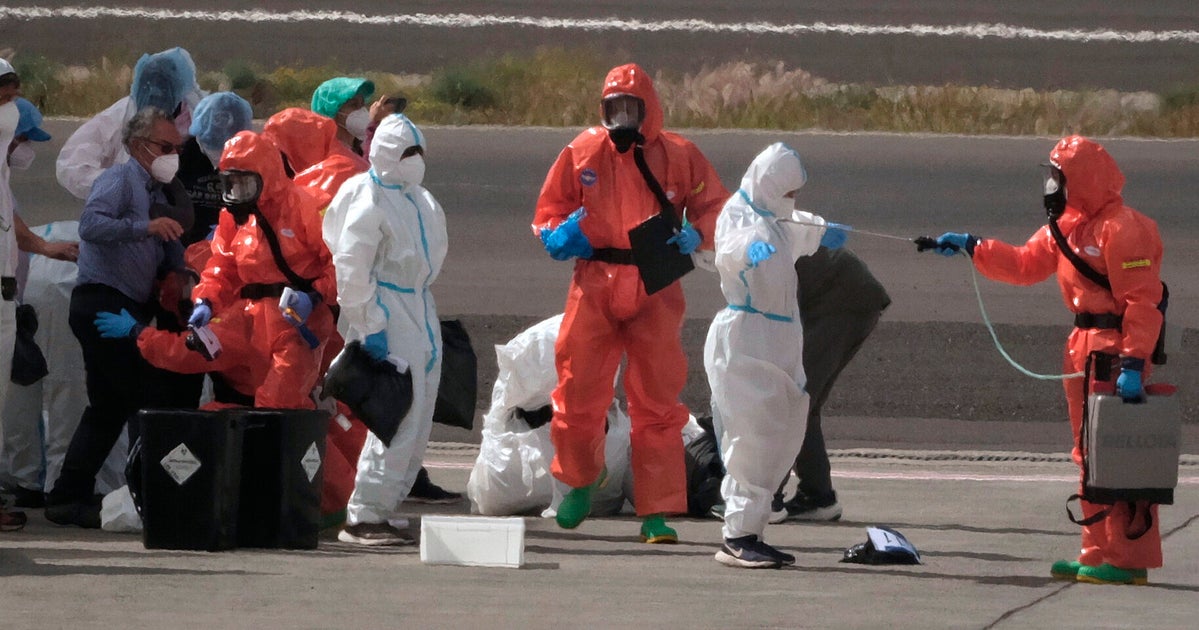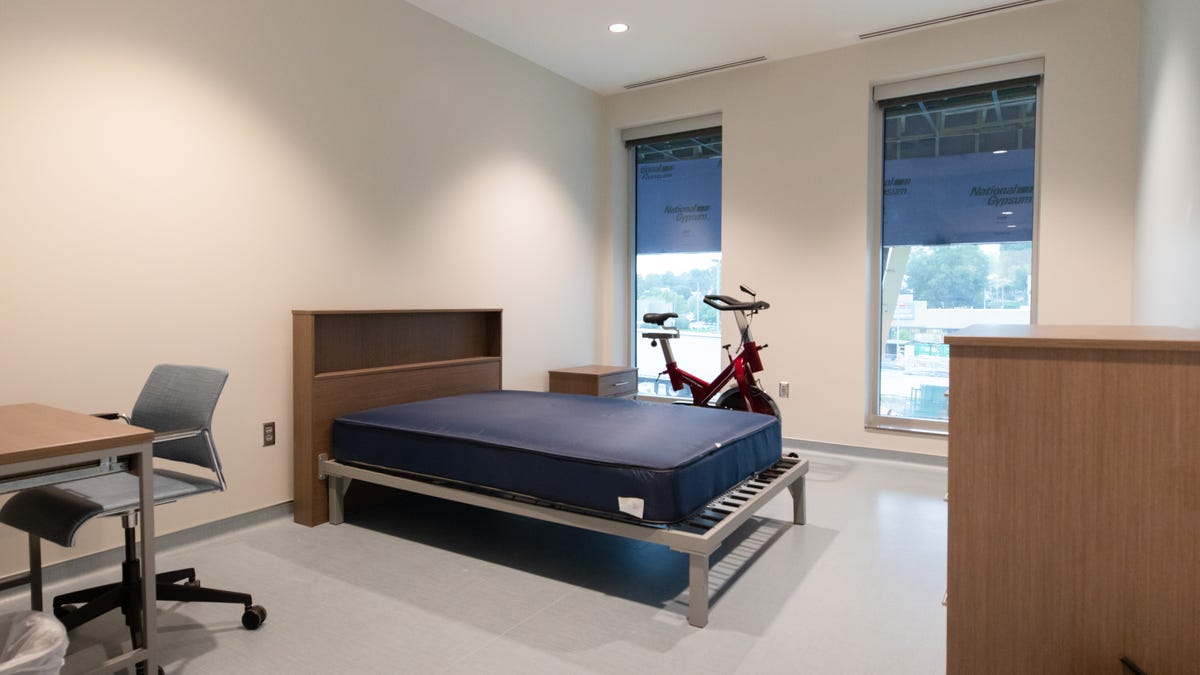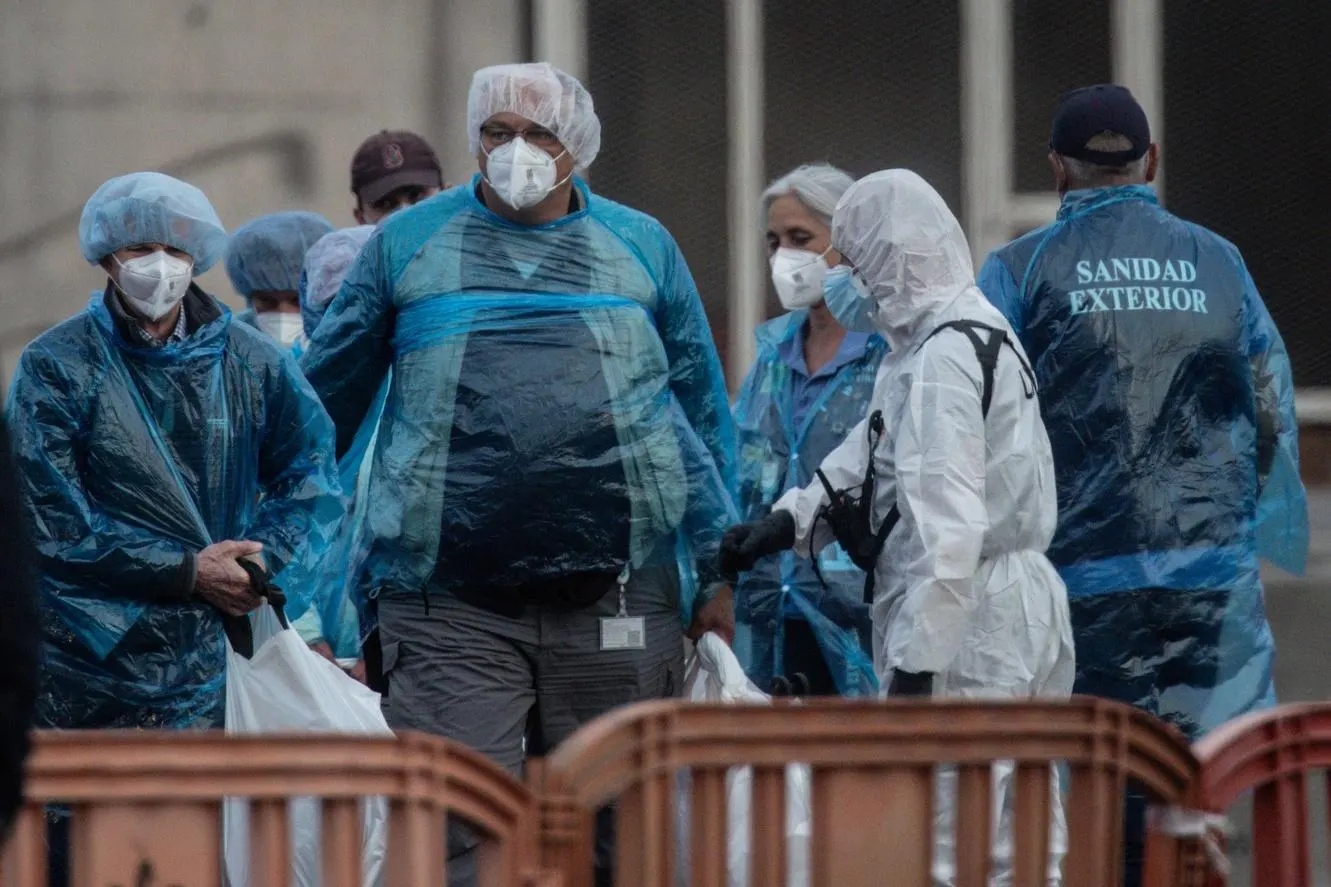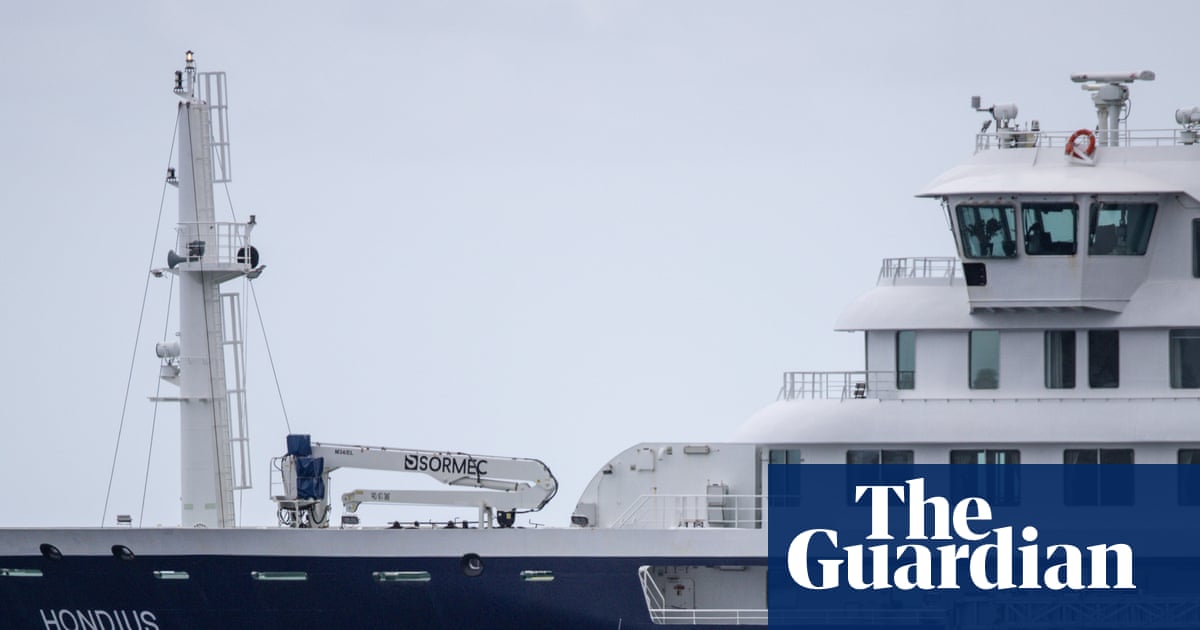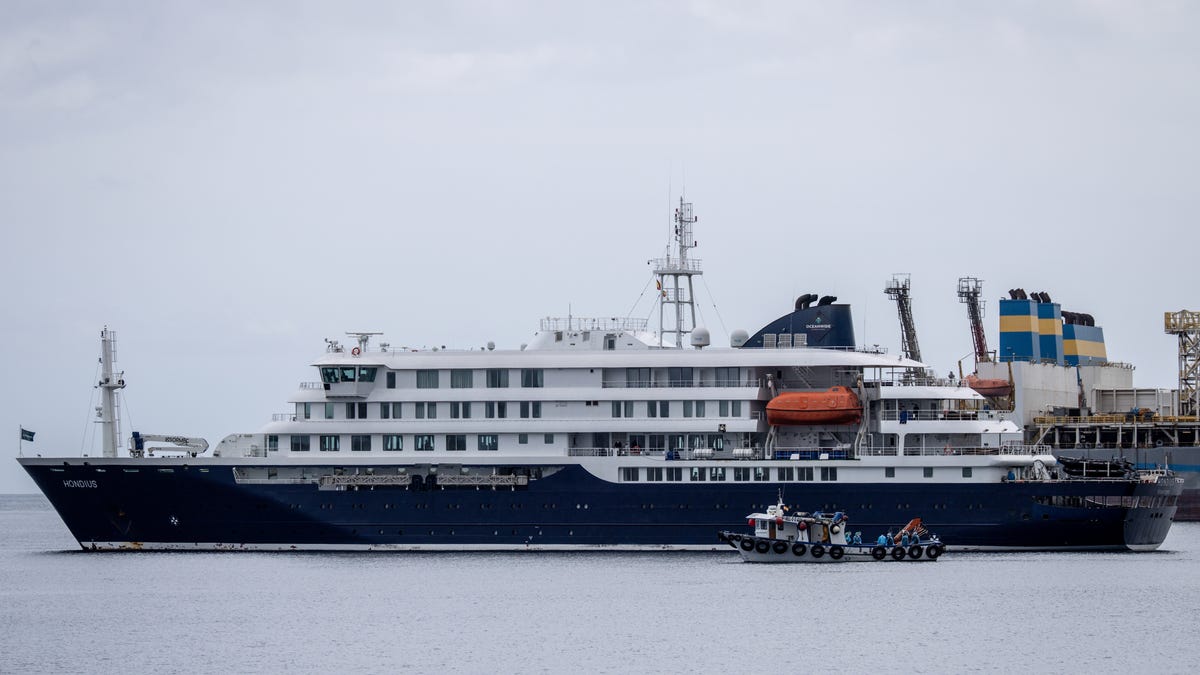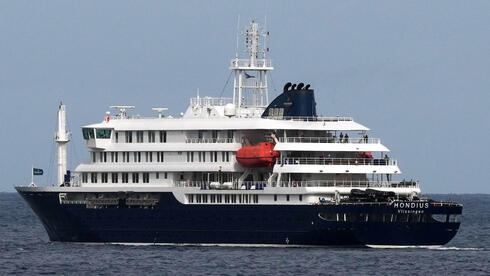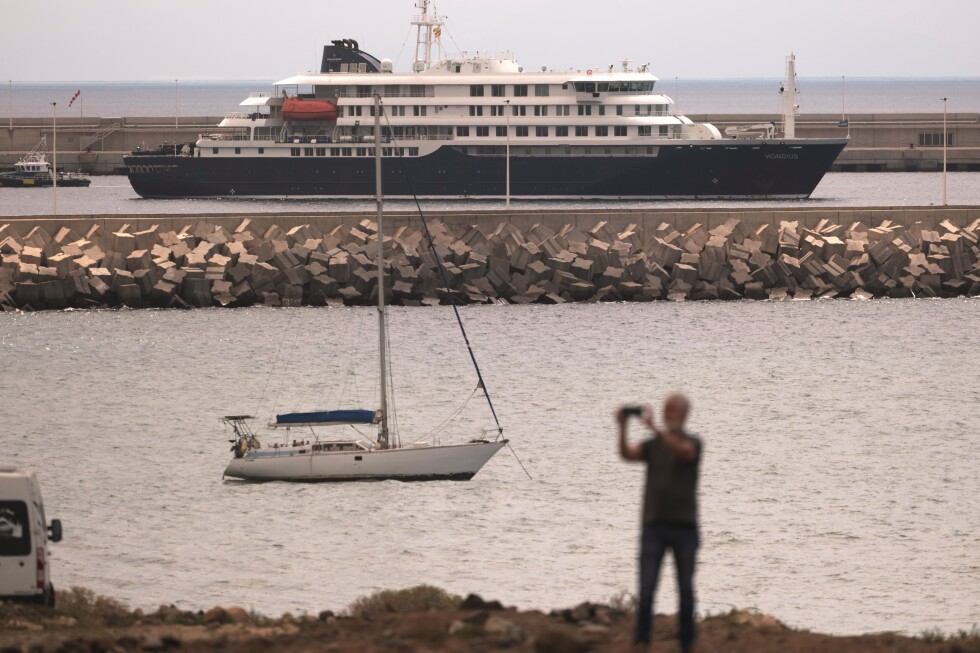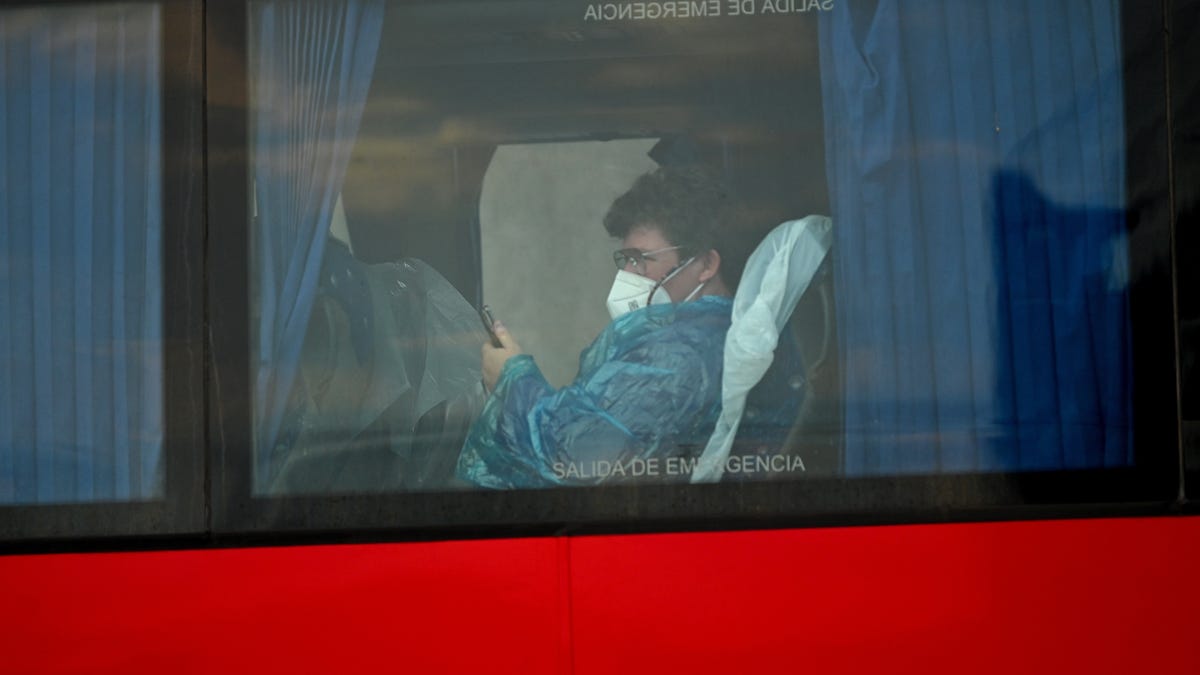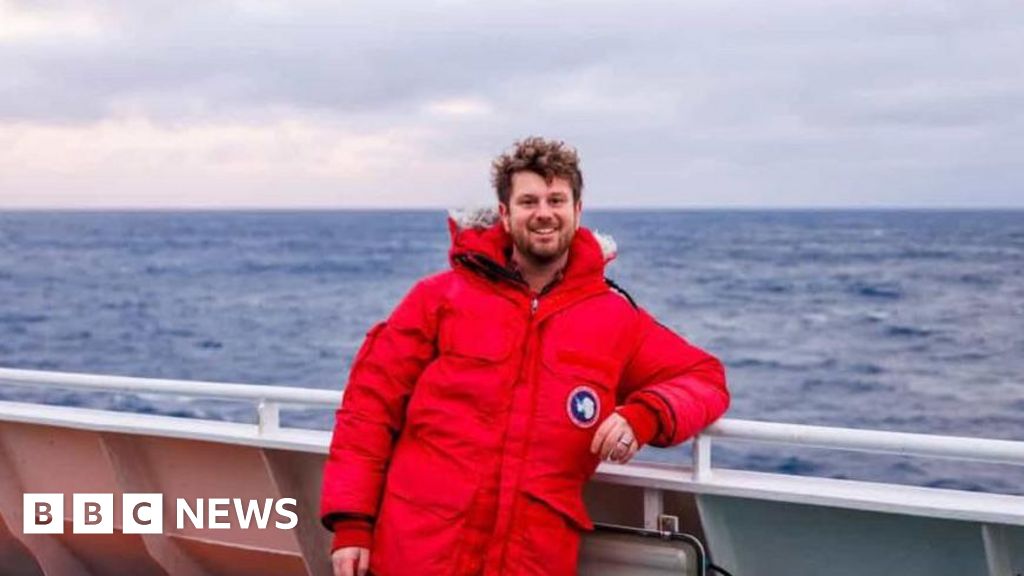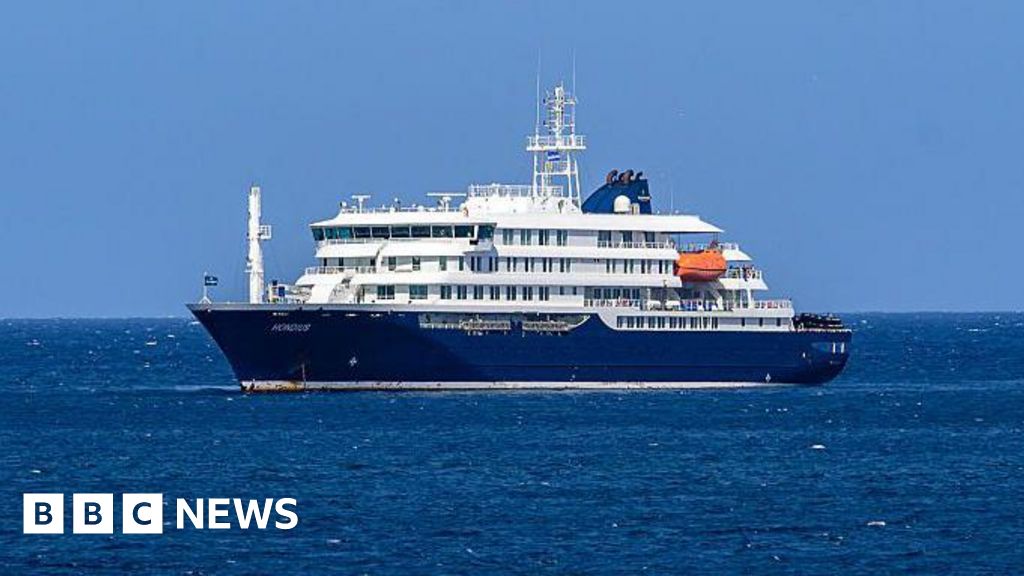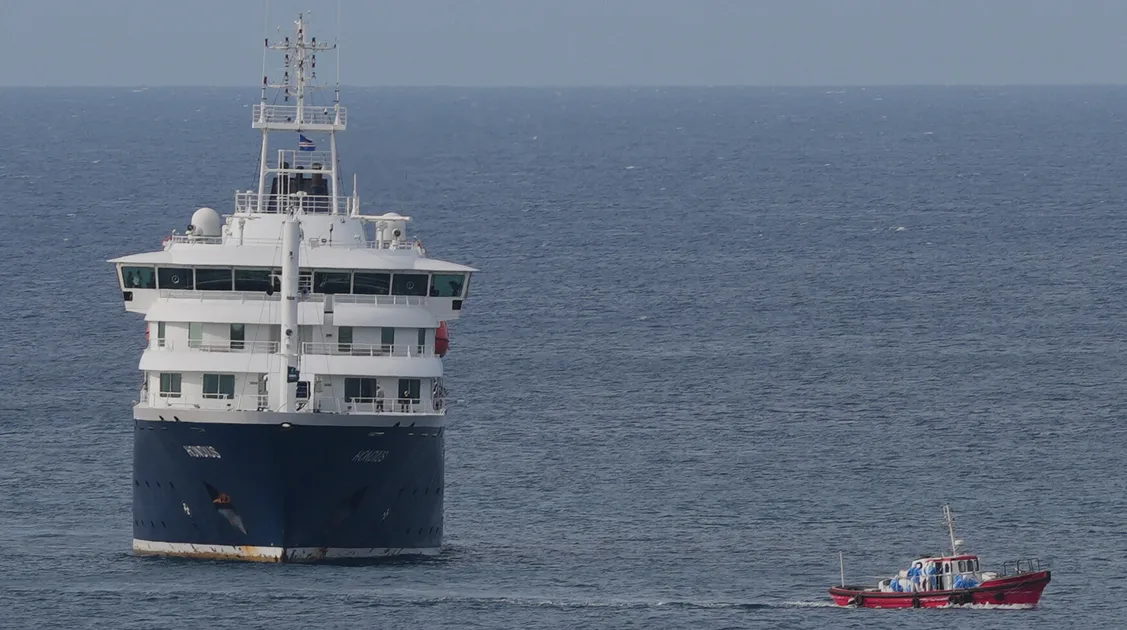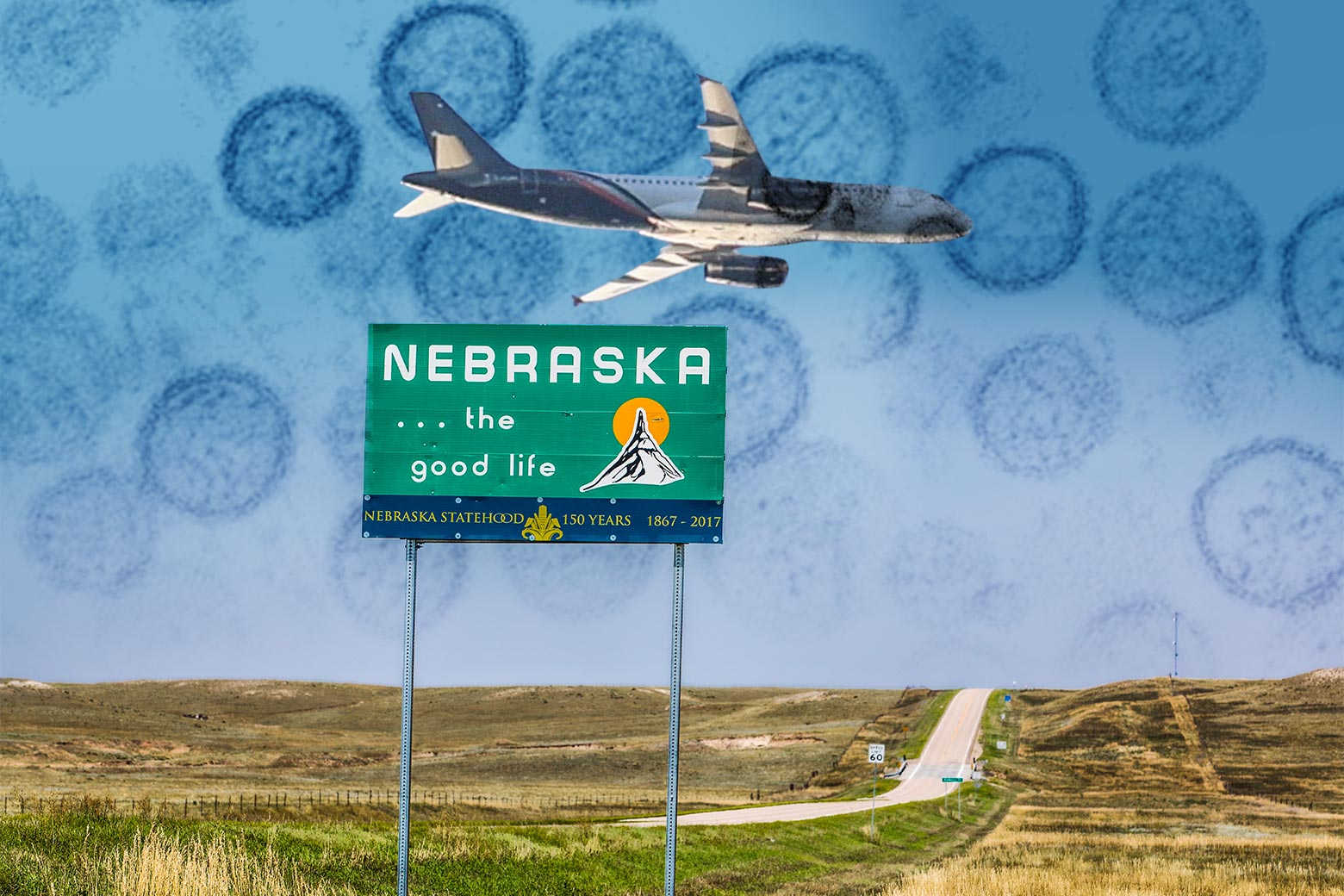
Imagine embarking on an international cruise vacation and ending up landlocked in the middle of America. That’s what happened to 16 Americans who were aboard the Dutch cruise ship MV Hondius in April, where a hantavirus outbreak has so far resulted in 11 reported cases and three deaths. The U.S. citizens from that cruise are now in isolation at the University of Nebraska Medical Center in Omaha—mostly as a precaution after potential exposure, although one patient has shown symptoms and is being tested to confirm whether they have the disease. Another patient in quarantine is making reels about the experience for followers of his Instagram travel account.
That introduction might feel vaguely familiar, because it kind of is. In 2020, Nebraska hosted 13 Americans who had been exposed to the then-novel COVID-19 on a Japanese ship. During the 2014 Ebola epidemic, the UNMC treated some of the first Ebola patients in America. Why a hospital in Nebraska, of all places? “We are prepared for situations exactly like this,” said Michael Ash, the CEO of Nebraska Medicine, in a statement about the hantavirus outbreak.
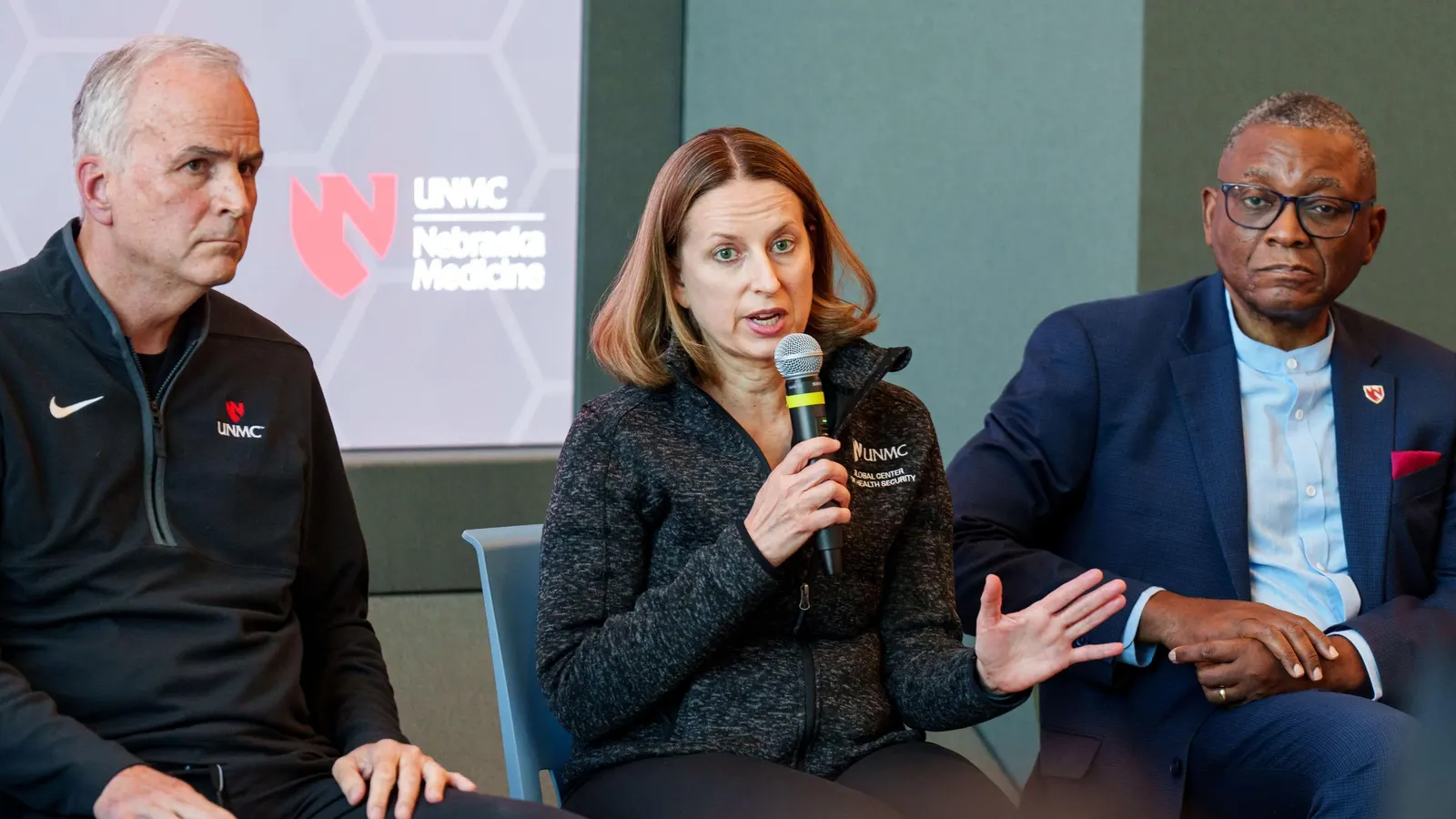
UNMC has been preparing for “high-consequence” infectious diseases—as they are ominously called—basically nonstop for two decades. The UNMC Biocontainment Unit opened in 2005 under the direction of physician Philip Smith, in response to post-9/11 fears of bioterrorist attacks and the 2003 outbreak of SARS. Smith trained a team of experts and insisted that the resources of the unit be kept available—unused, ready, and prepared for true emergencies—for almost 10 years. In 2014, his vision was vindicated; the unit successfully treated its first Ebola patients. The staff “knew that it was imminent” from the number of American healthcare workers who’d gone to help in West Africa, Angela Hewlett, the unit’s current medical director, told me. They were ready and leaped into action.