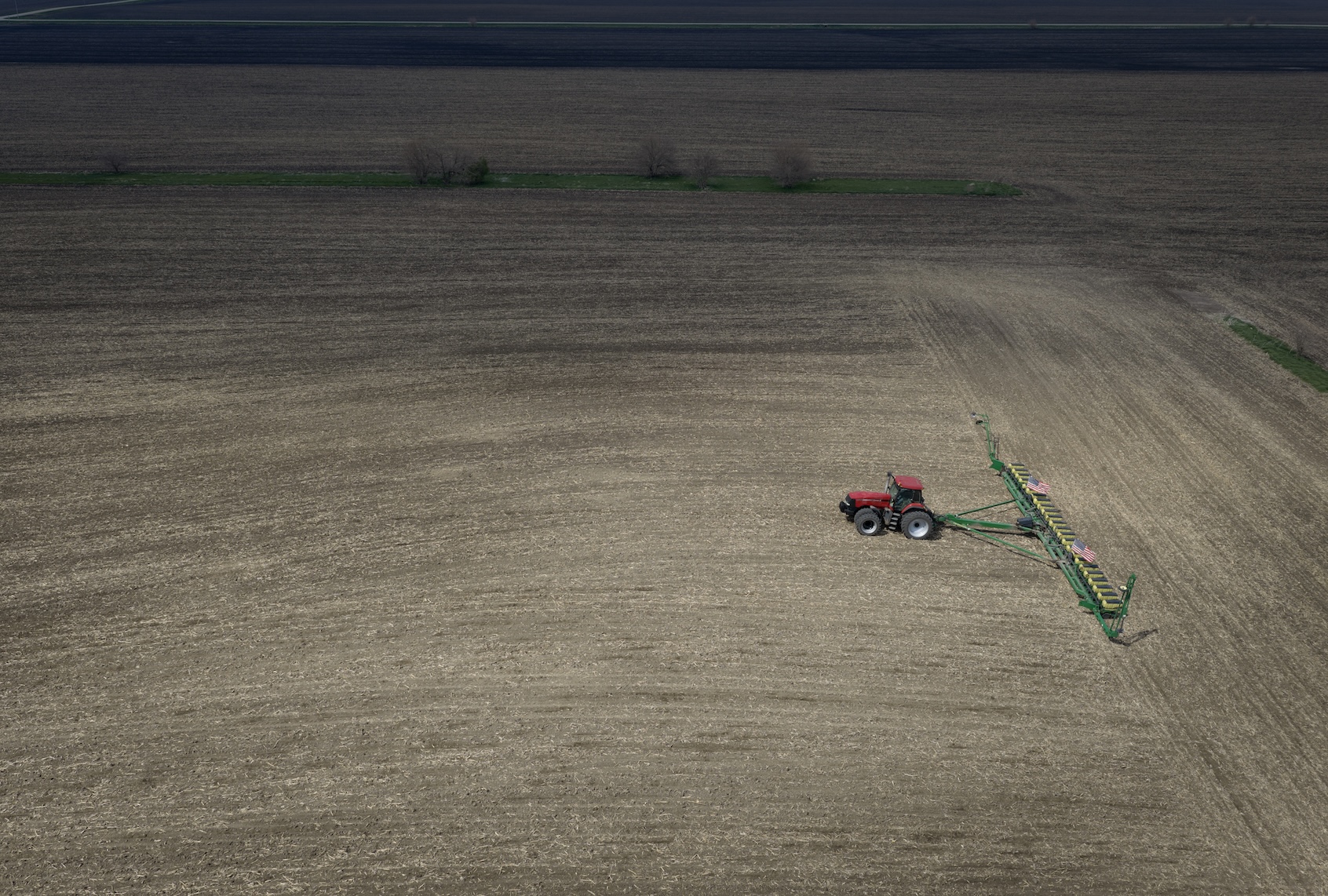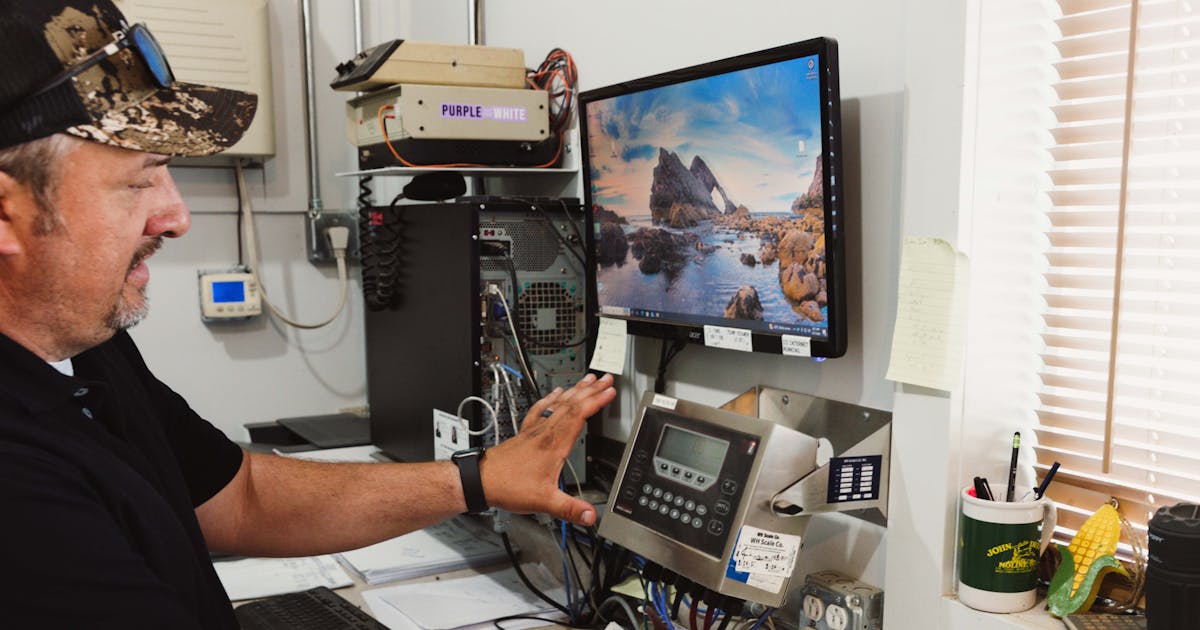
Brett Neibling leaned against the door of his small office space, facing the array of computers and instruments that controlled several mechanical functions on his farm. The room was little more than an air-conditioned box, with scattered stools and a whiteboard on one wall. One of his farm dogs, a brown Labrador and known menace, idled outside the door.
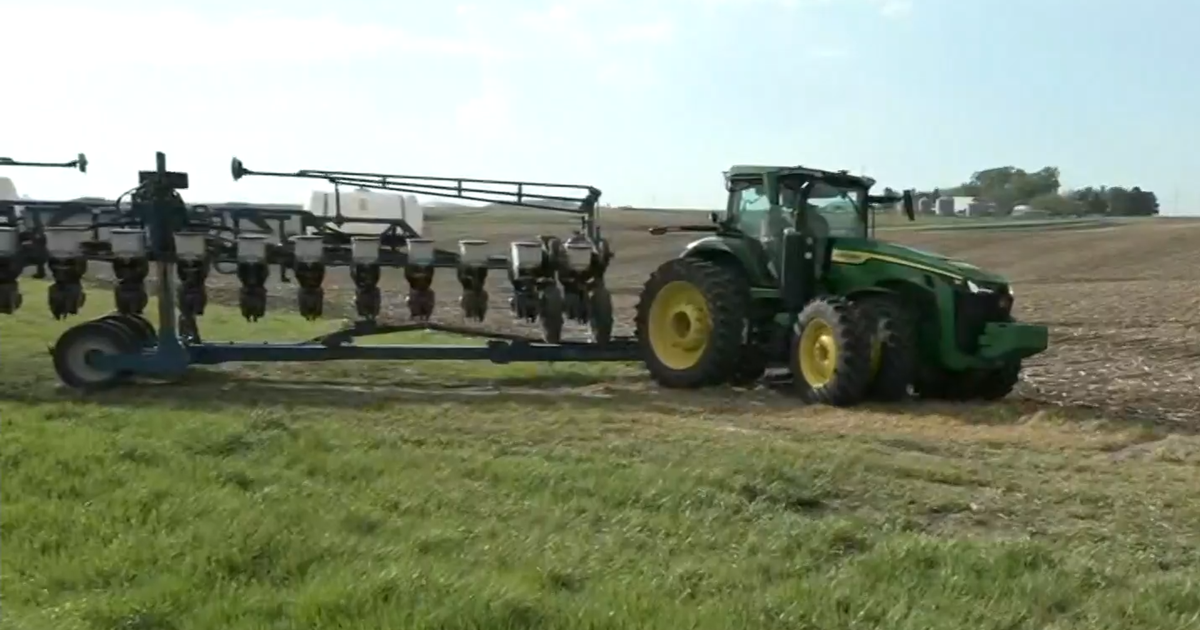
His roughly 2,500-acre farm in Highland, Kansas, in the northeast corner of the state, functions because of the equipment in this room. A machine to Neibling’s right facilitated movement of harvested crops into specific grain bins, while one to his left controlled the drying of corn, a necessary preparation before it could be sold. The office has another purpose: It is where Neibling calculates how to keep his family-run farm afloat.
Soybean farmers have been hit particularly hard during President Donald Trump’s second term. The global trade war the president launched shortly after returning to office last year resulted in massive retaliatory duties on U.S. commodities from a number of major consumers, notably China. The Iran war has only made things worse: The closure of the Strait of Hormuz, a vital global shipping channel, in March led to a massive spike in oil and fertilizer costs.