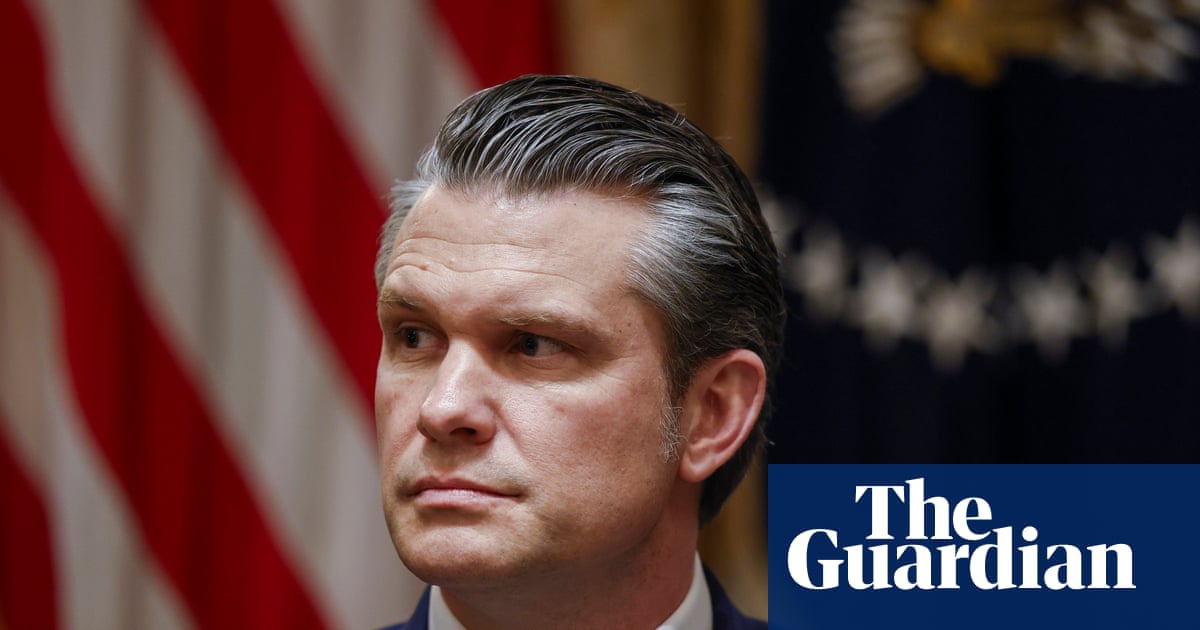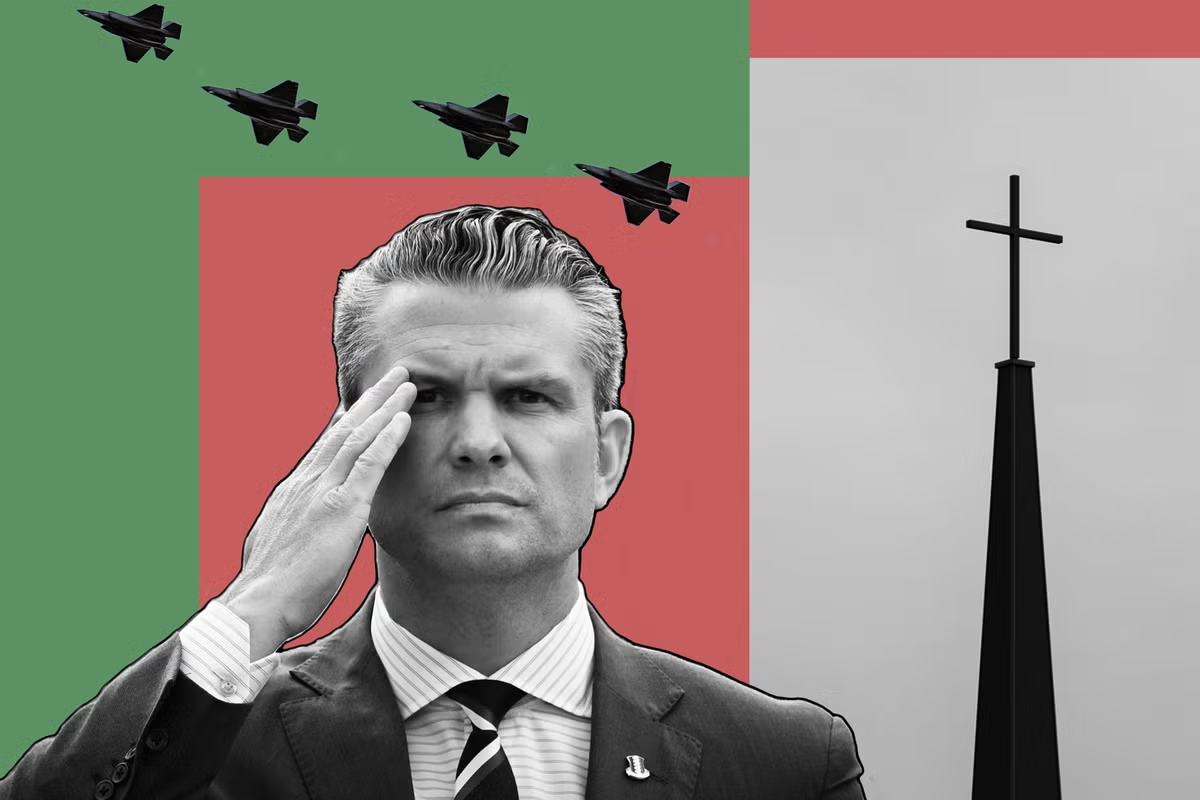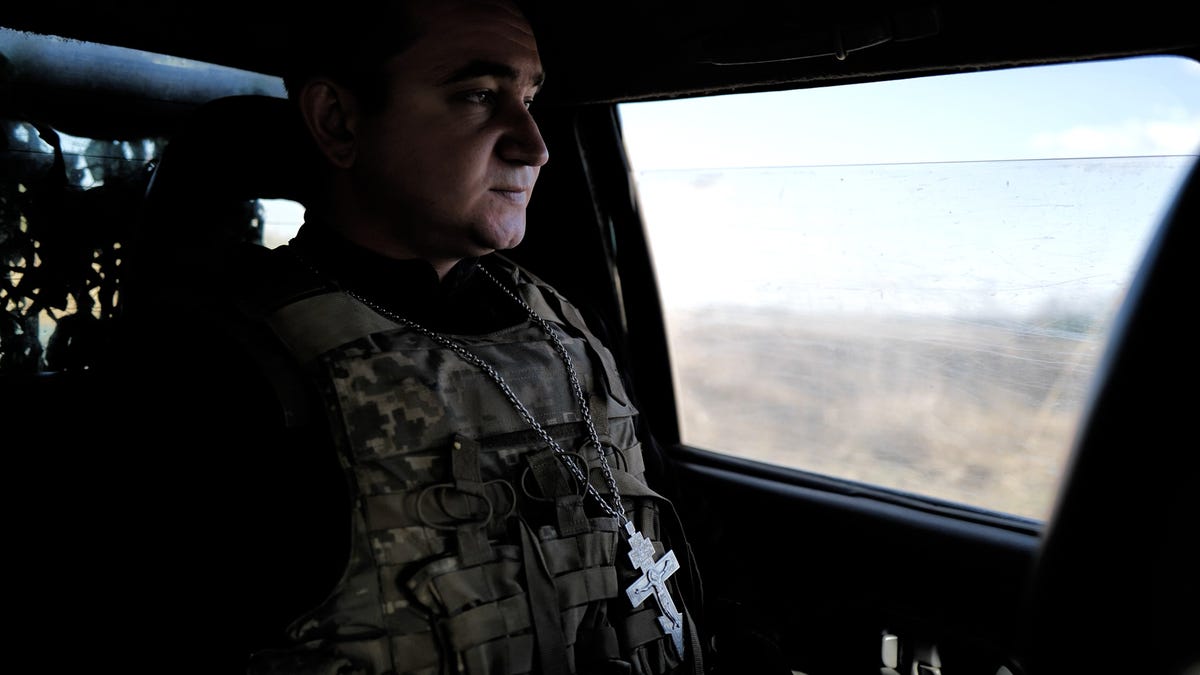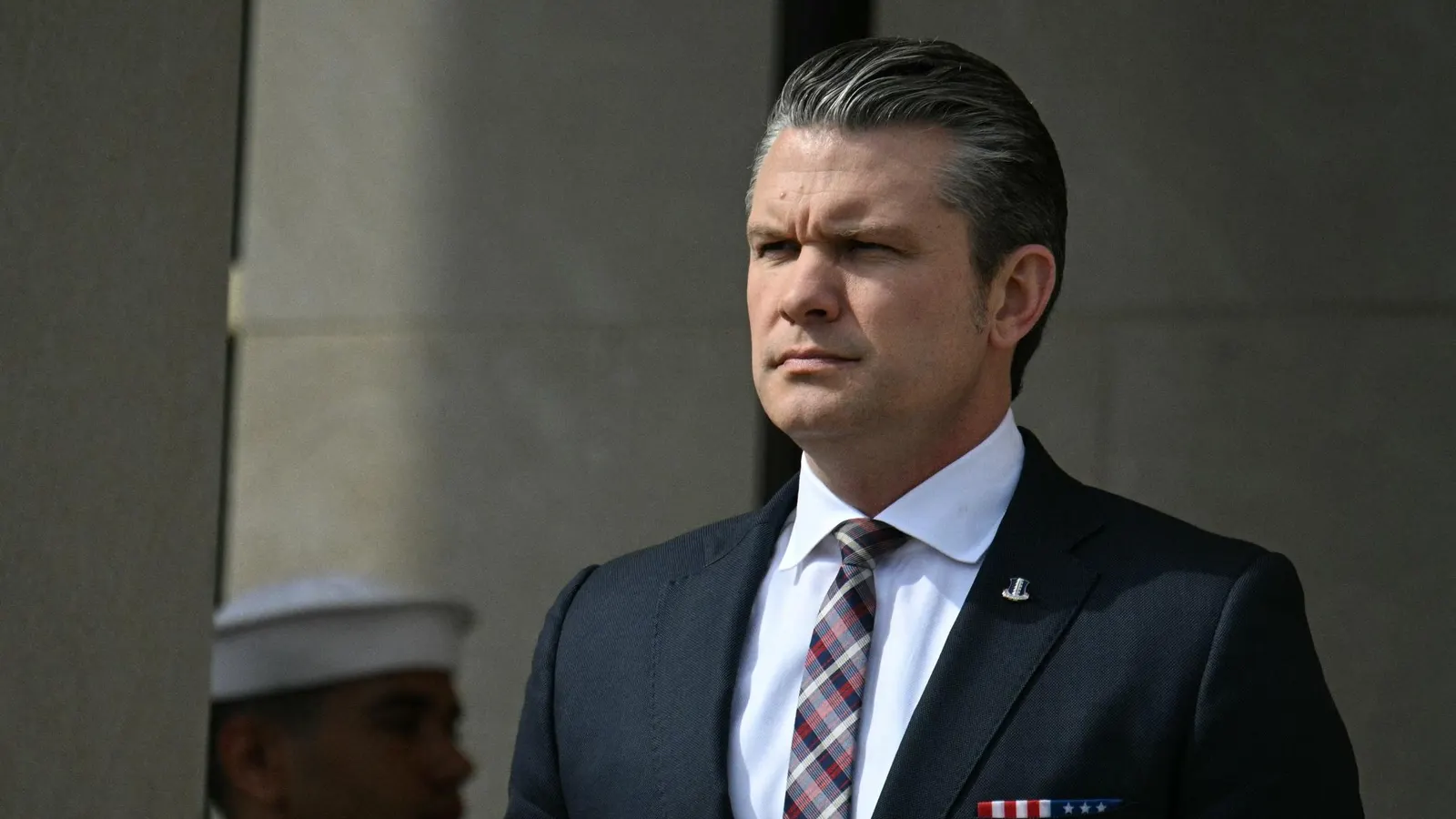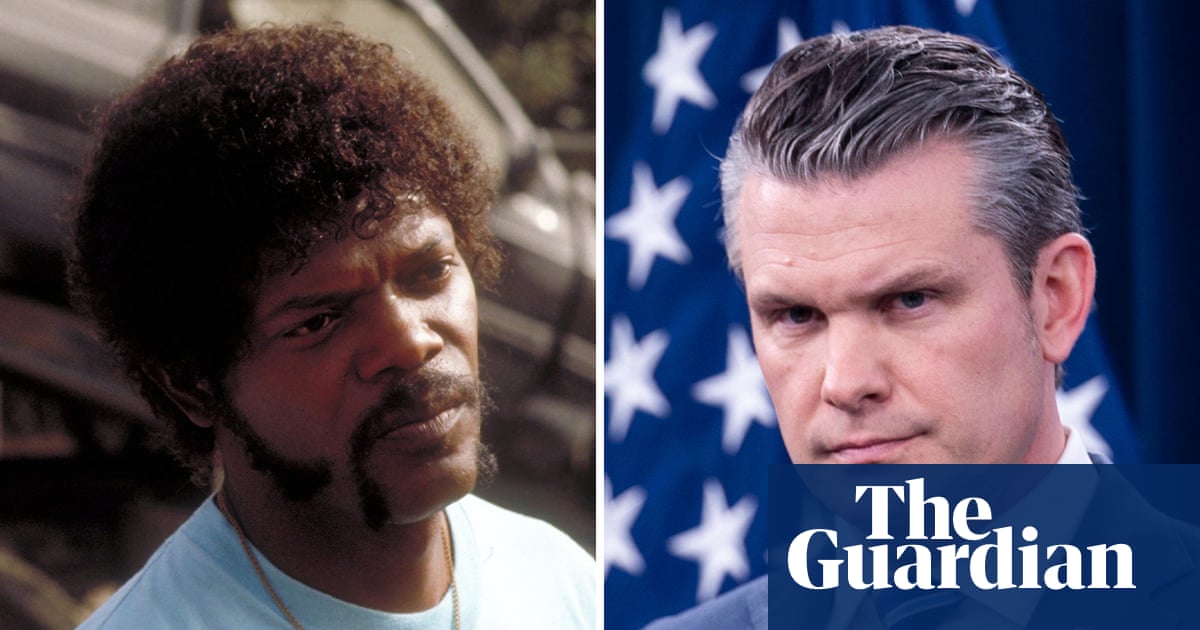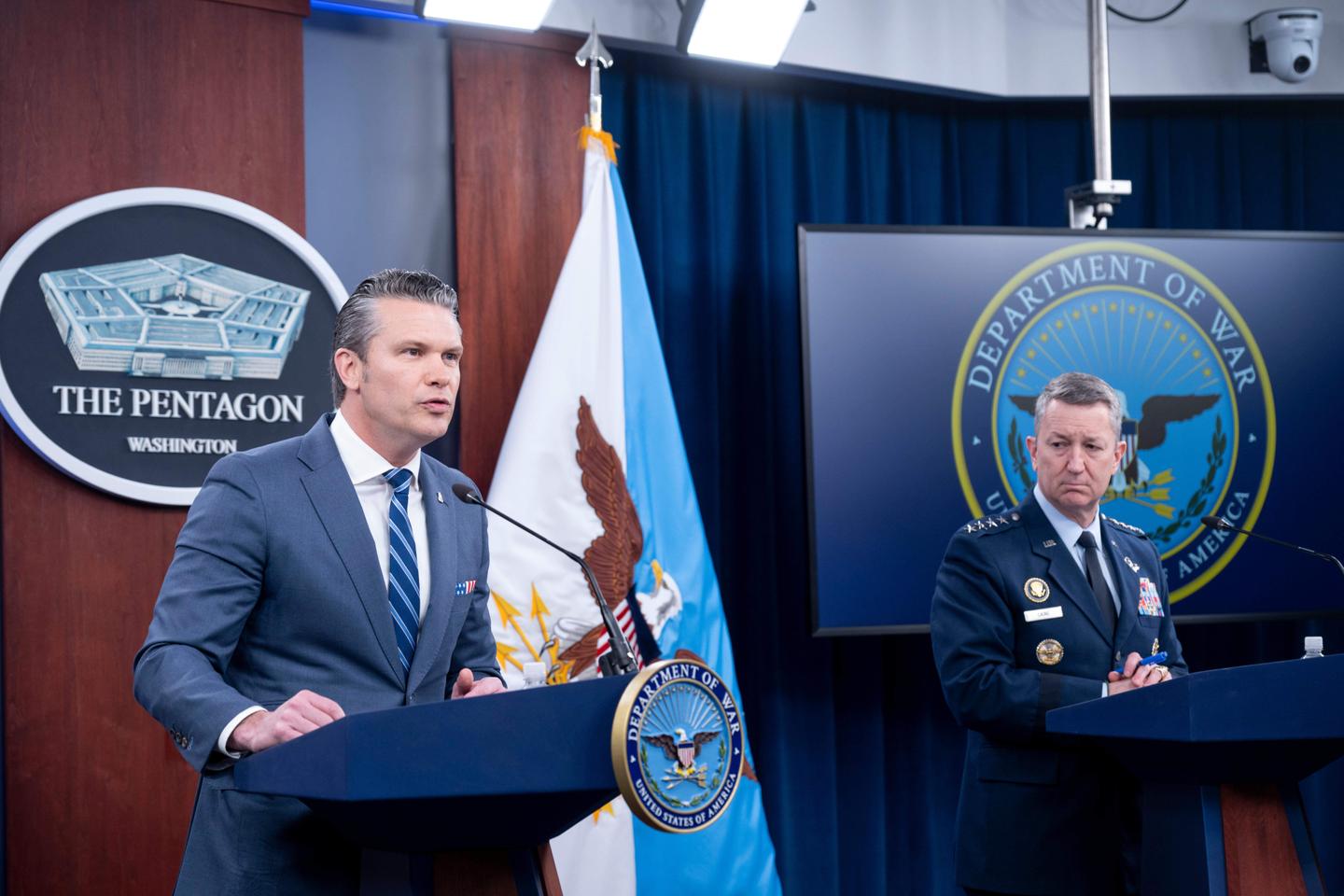
In an April press conference, Defense Secretary Pete Hegseth led a prayer for the mission to rescue U.S. airmen downed in war on Iran. He invoked Ezekiel 25:17—vowing, “I will strike down upon thee with great vengeance and furious anger”—though much of the prayer was adapted from a monologue by Samuel L. Jackson’s hit man character in Pulp Fiction. A month earlier, reports had emerged of hundreds of noncommissioned officers complaining that they’d been told by their commanders that the war was part of God’s plan, and that President Donald Trump was “anointed by Jesus to light the signal fire in Iran to cause Armageddon and mark his return to Earth.”
It’s tempting to write off such utterances as just another deranged aspect of Trump’s second term, but religious zealotry has proved a useful tool of control for military leadership going back centuries, says Jasper Craven. His book, God Forgives, Brothers Don’t: The Long March of Military Education and the Making of American Manhood, examines the ways in which brutality and blind loyalty within the armed forces have informed our traditional notions of masculinity.
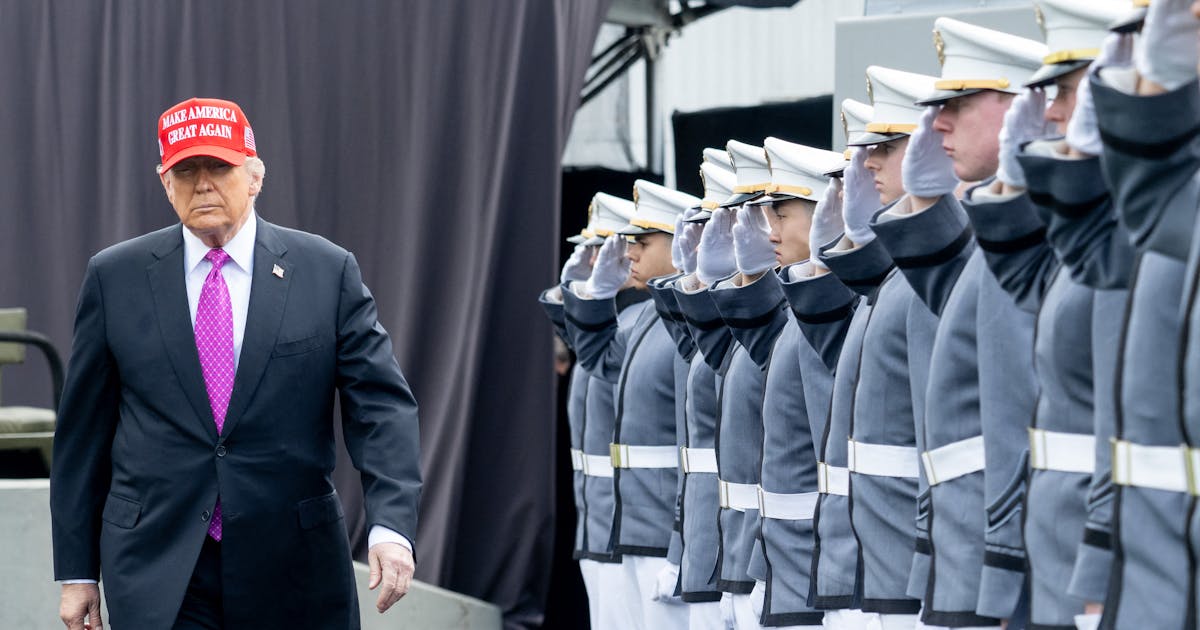
In fact, Craven writes, early nineteenth-century West Point superintendent Samuel Thayer believed that “Christianity could serve as a powerful binding agent for his military project, an easily imported belief system that would at once form resilience and motivation in his boys and help them elide the major moral questions at the heart of the burgeoning imperial project to which they belonged.”