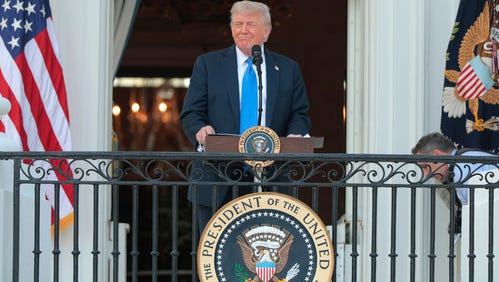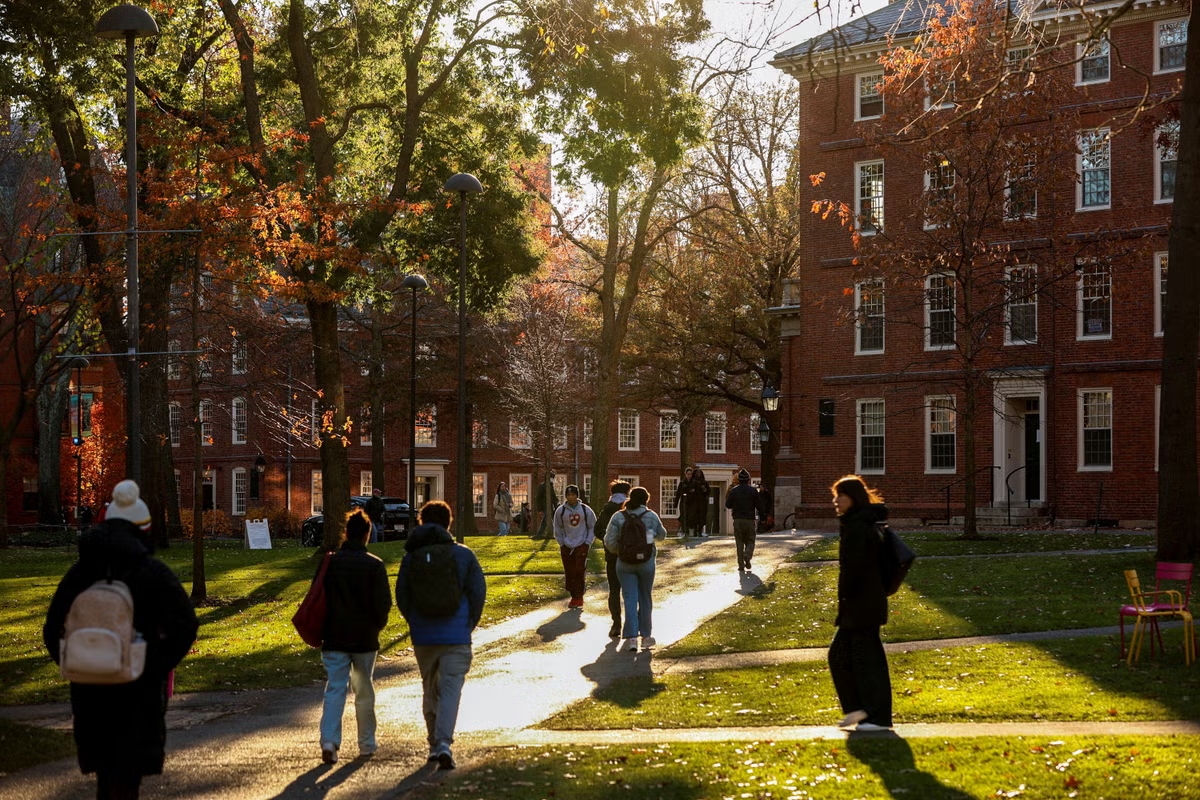
U.S. President Donald Trump’s decision this summer to ban travel to the United States by citizens of 12 countries, mostly in Africa and the Middle East, and to restrict travel by citizens of seven other countries has upended numerous students’ plans and may put the country’s longtime higher education leadership role in jeopardy, scholars and other experts say.
Four Arab countries—Libya, Somalia, Sudan and Yemen—are among the dozen nations subject to full travel bans. Three other Muslim-majority nations, Afghanistan, Chad, and Iran, are also on the full-ban list, along with Eritrea, whose population is roughly split between Muslims and Christians. Also subject to full travel bans are Republic of the Congo, Equatorial Guinea, Haiti, and Myanmar.
The seven countries facing partial travel bans are Burundi, Cuba, Laos, Sierra Leone, Togo, Turkmenistan, and Venezuela. Citizens of these countries cannot come to the United States permanently or apply for certain visas.
The new restrictions, announced on 4 June in a directive called Presidential Proclamation 10949, are the latest in a series of steps President Trump has taken during his second term to curtail the number of foreign students studying in the United States and to punish elite institutions like Columbia and Harvard Universities that he perceives as bastions of “leftist” ideology in academia. His administration has also revoked thousands of student visas and tried to deport foreign students involved in pro-Palestine protests on U.S. campuses.