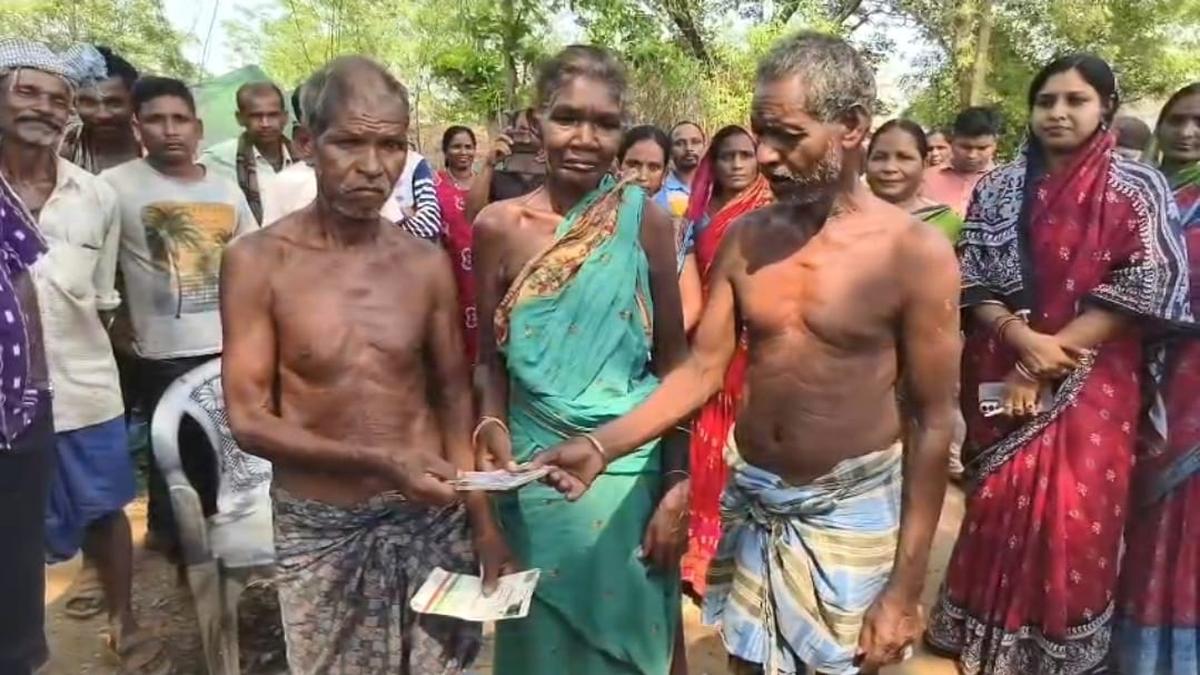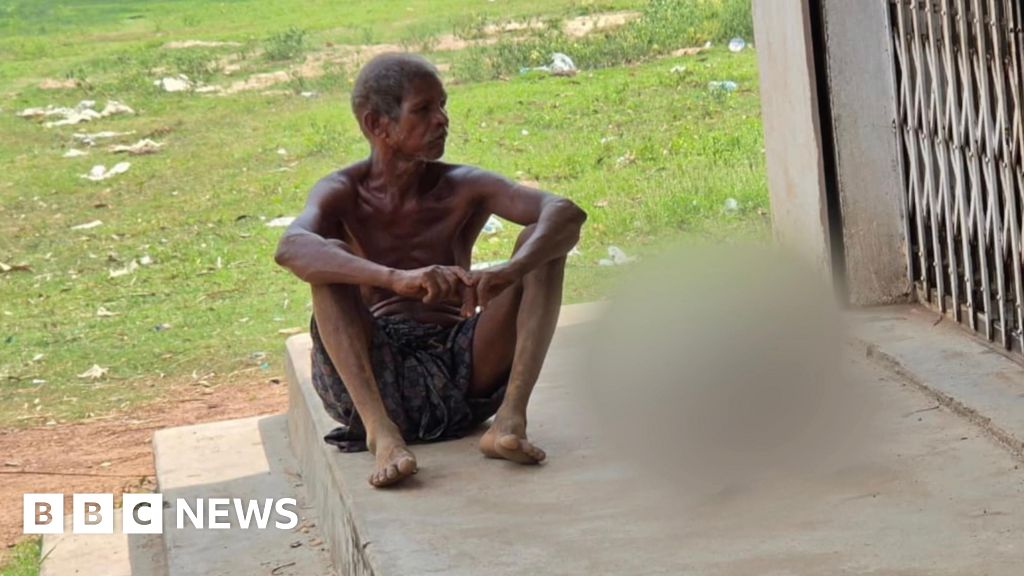
The image of Jitu Munda carrying the exhumed remains of his sister on his shoulder to a bank in Odisha’s Keonjhar district will haunt India for a long time. Not because it was merely a story of how the poor are normally treated. What made this episode benumbing was that every institution of the State — and society itself — appeared to watch the spectacle, as it unfolded, with complete moral apathy.
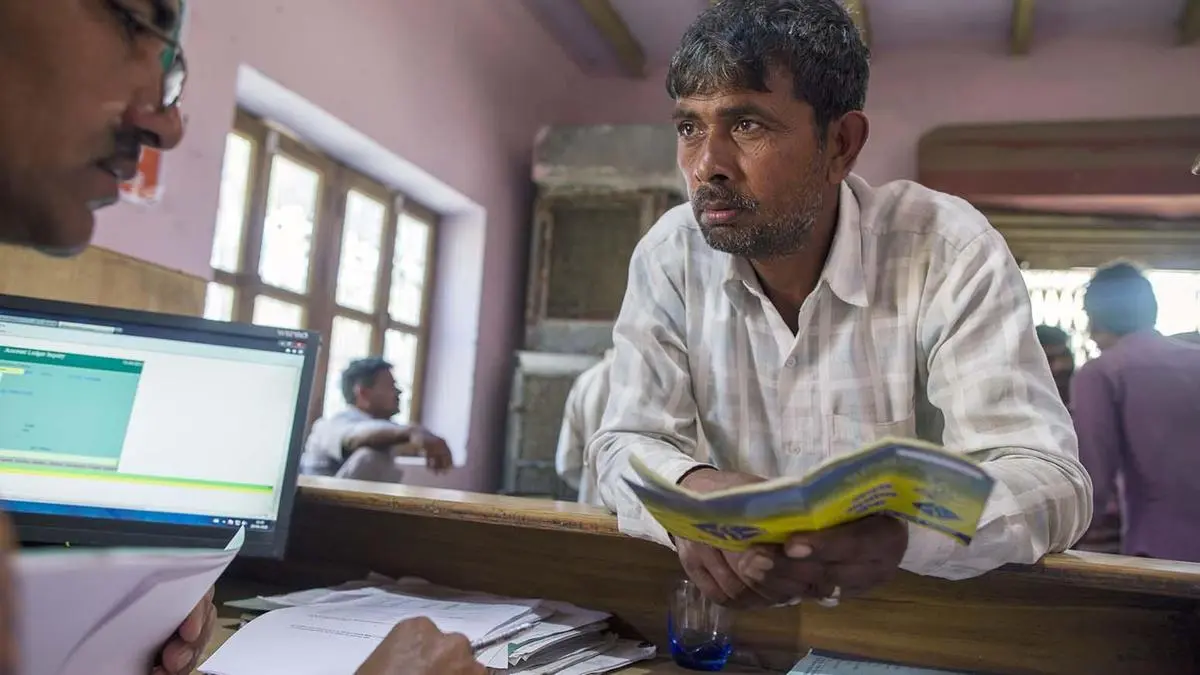
Jitu Munda had walked to a regional rural bank branch seeking access to the modest savings left behind by his sister, Kalra Munda. Actually, the greater tragedy lay in what followed.
After the bank and the police intervened, he walked back with the same burden on his shoulder. No ambulance arrived. No police vehicle was offered. No local official intervened. No one in the bank also thought it necessary to arrange at least the basic assistance of arranging a vehicle for Jitu and the body to go back home. The bank branch certainly possessed discretionary powers to sanction a small amount towards emergency support. The police officer standing beside an official vehicle could easily have stepped in. The Mussorie-trained babus in the district administration could have acted. But the “system” collectively looked away.