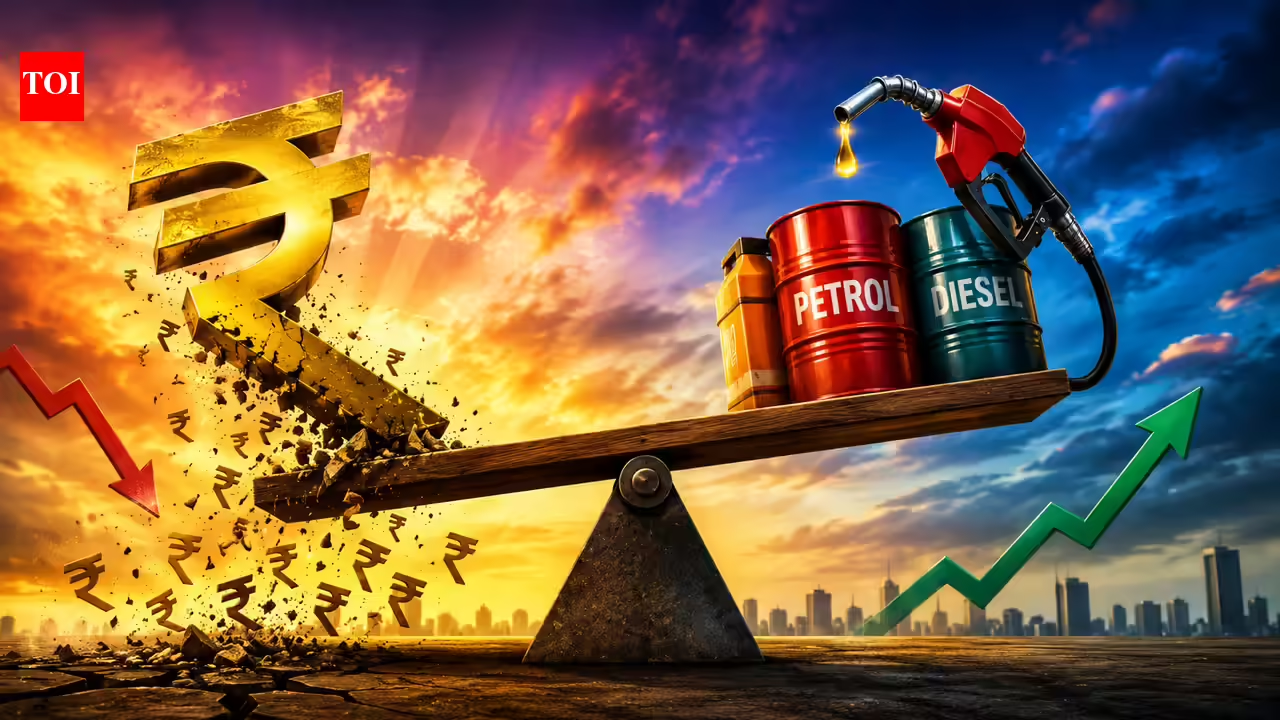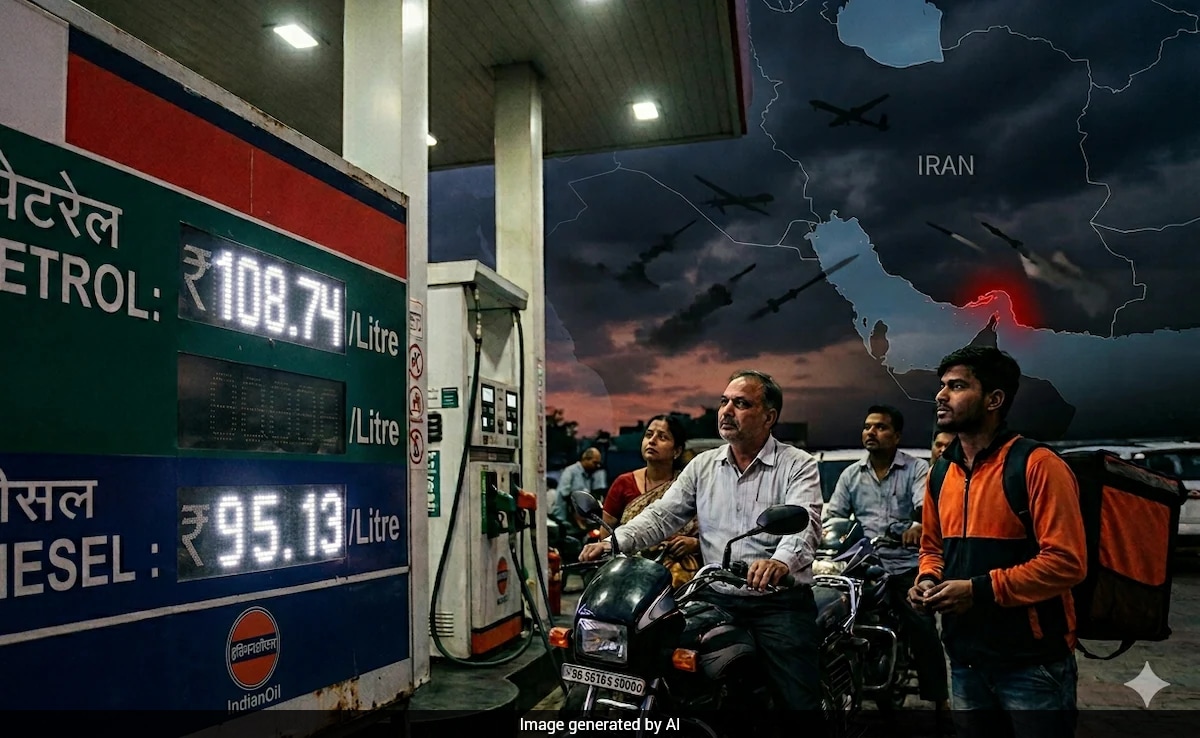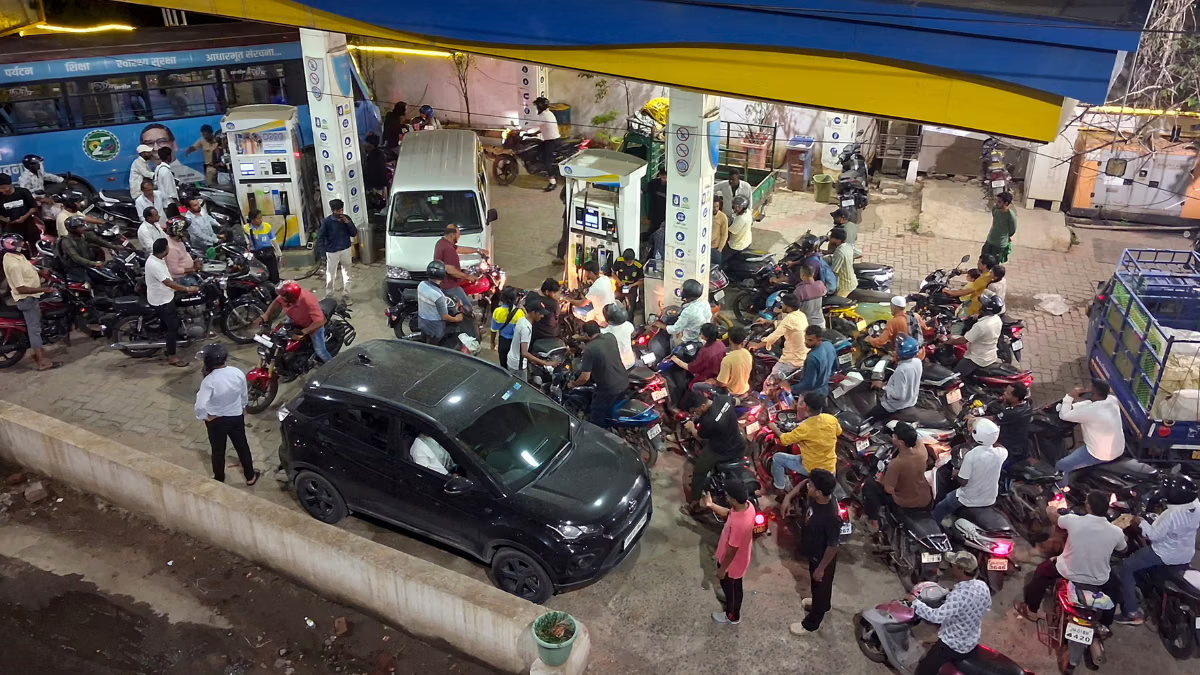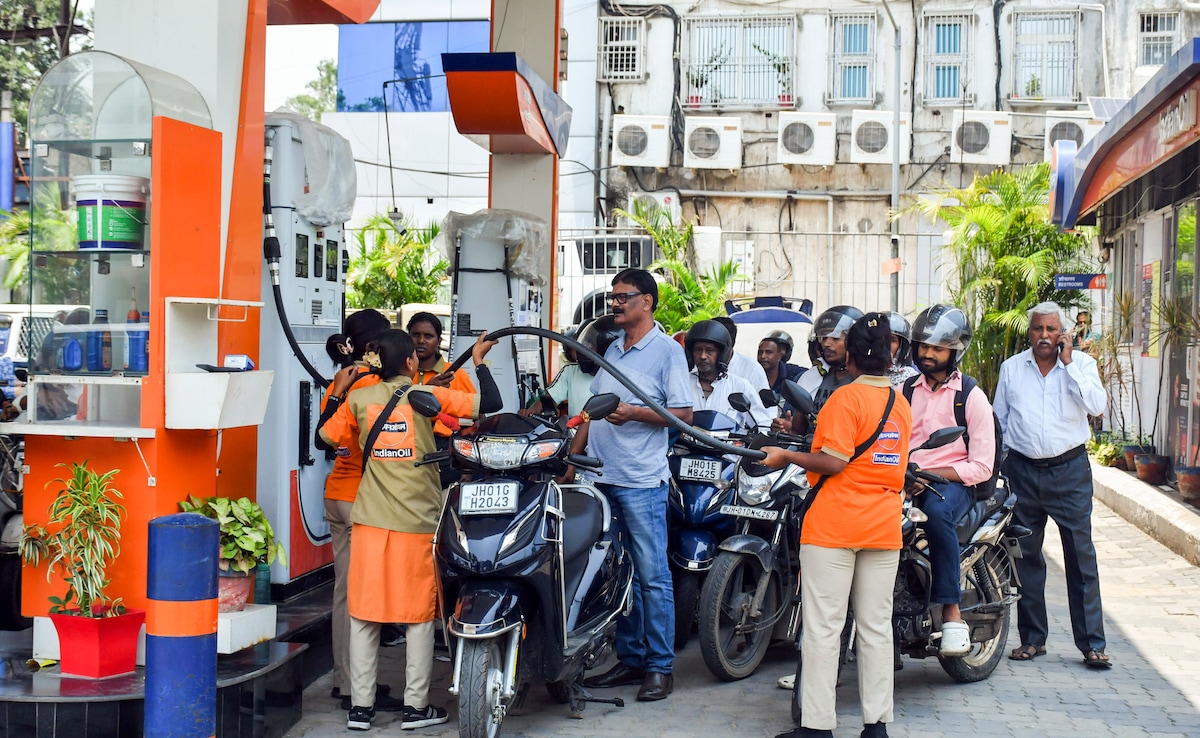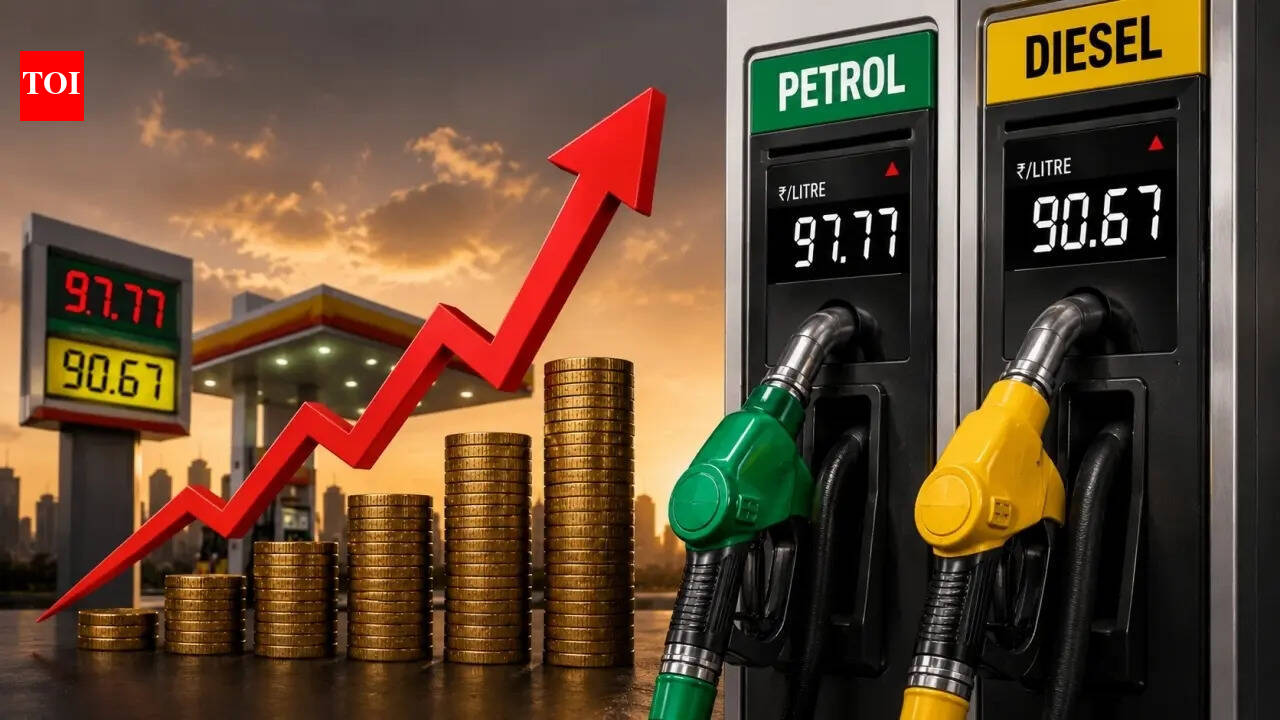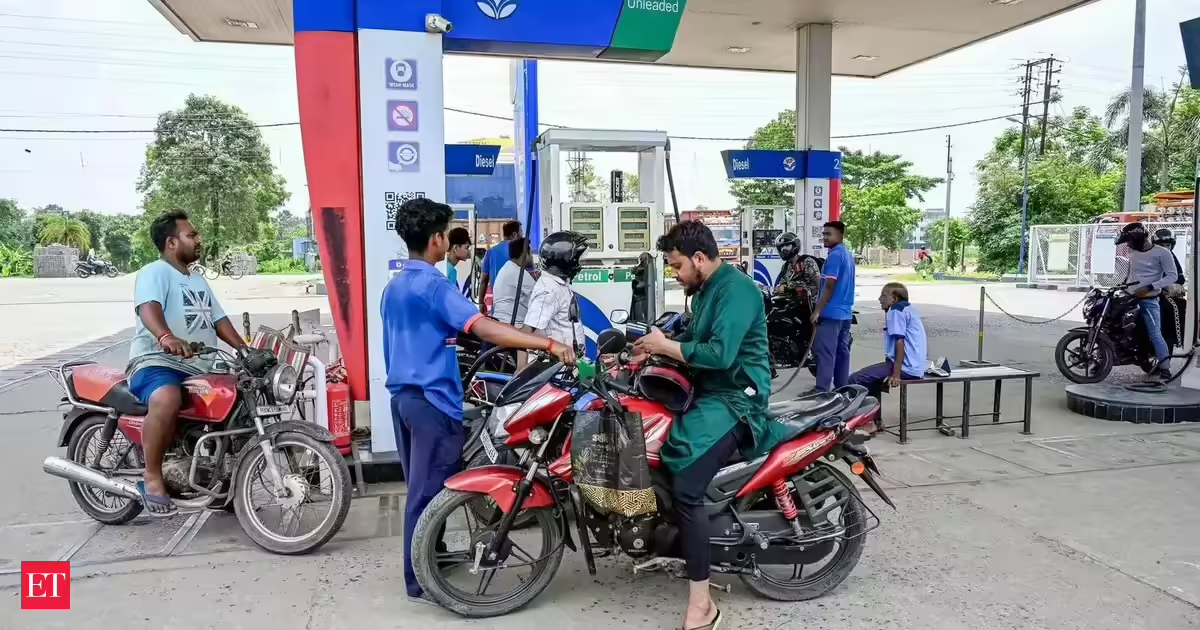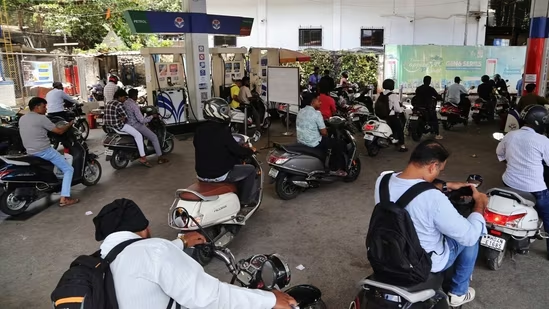
Explaining the price hike announced on Friday morning, the government asserted that while a full pass-through of the global oil shock would have required retail prices to skyrocket by 200-300 per cent, they are actively shielding the public from such extreme volatility. According to government sources, the state-owned oil marketing companies (OMCs) limited the increase to just ₹3 per litre for petrol and diesel. On a base price of approximately ₹95, this represents a modest 3.5 per cent adjustment, a move the government insists is designed to absorb the brunt of international price surges and protect citizens from the true market impact.
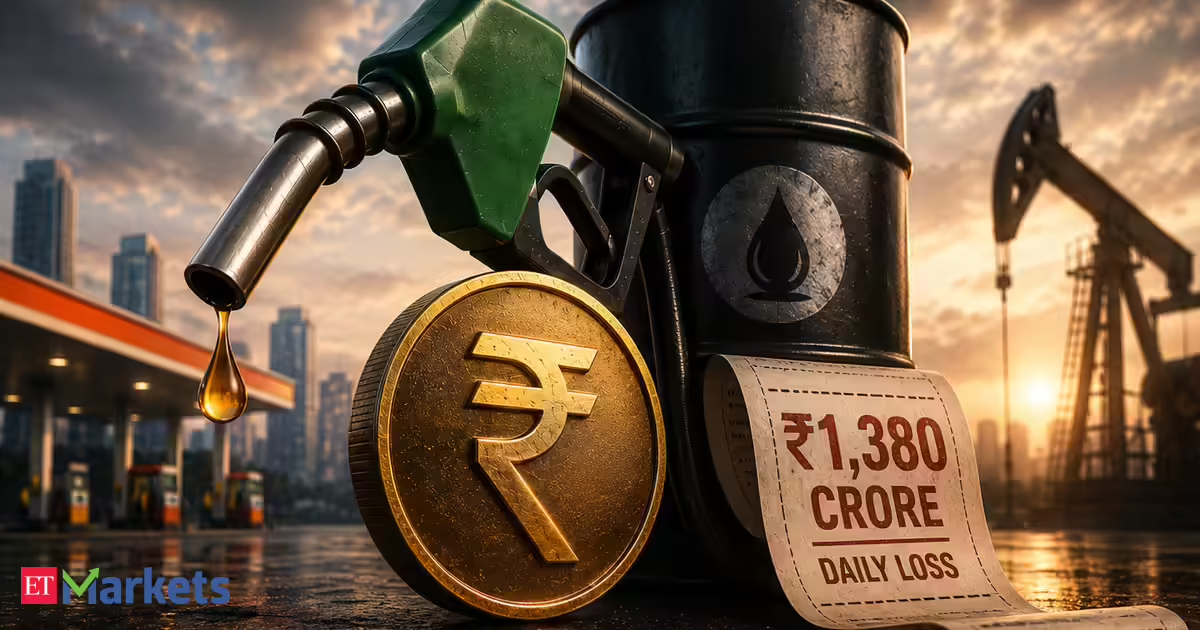
According to sources, OMCs and the government have been absorbing daily losses of approximately ₹1,000 crore (totaling over ₹1 lakh crore per quarter) to ensure pump prices stay unchanged. Under-recoveries stand at around ₹26 per litre on petrol and ₹81.90 on diesel (before the hike of ₹3), a source said. He also informed that government has already taken a hit by lowering excise duty on petrol and diesel by ₹10 a litre, which will have a revenue implication of ₹1 lakh crore during current fiscal year.
Another source emphasised that the government asking for voluntary consumption cuts is much better than the alternative: massive price increases. India is experiencing a “massive twin drain” with crude oil imports costing ₹12-15 lakh crore yearly and gold imports surging to ₹6 lakh crore. India imports approximately 80-85 per cent of its crude oil requirements. “Every $10 rise in the price of a barrel of crude adds $13-14 billion to the country’s import bill. Because petrol and diesel demand in India is relatively price-inelastic, passing on the full price shock would require a 200–300 per cent price hike,” he said.