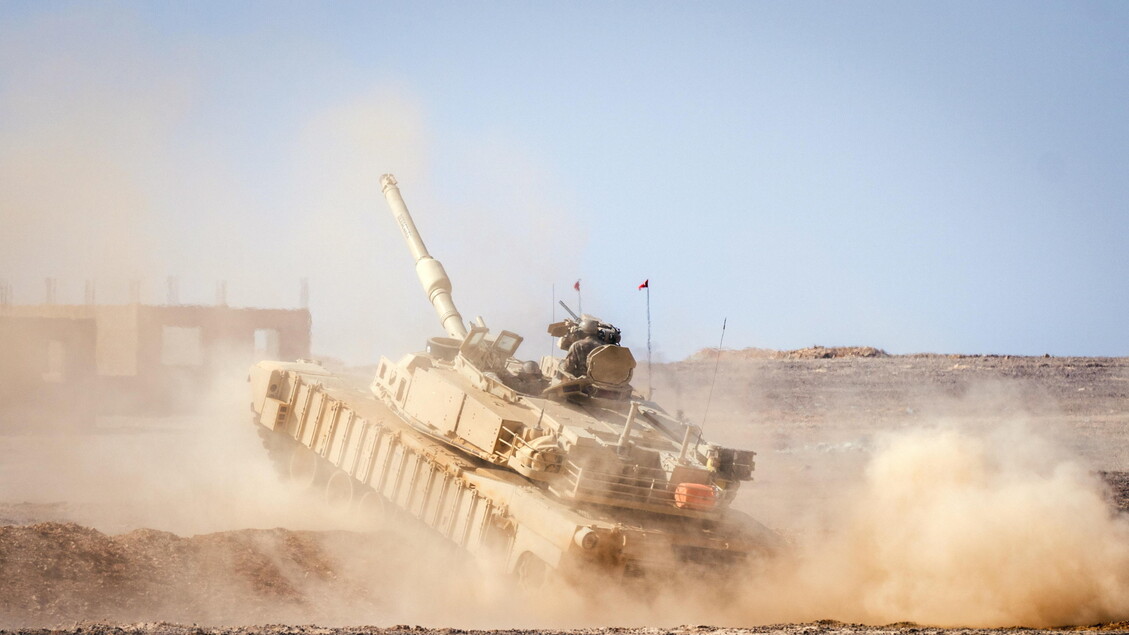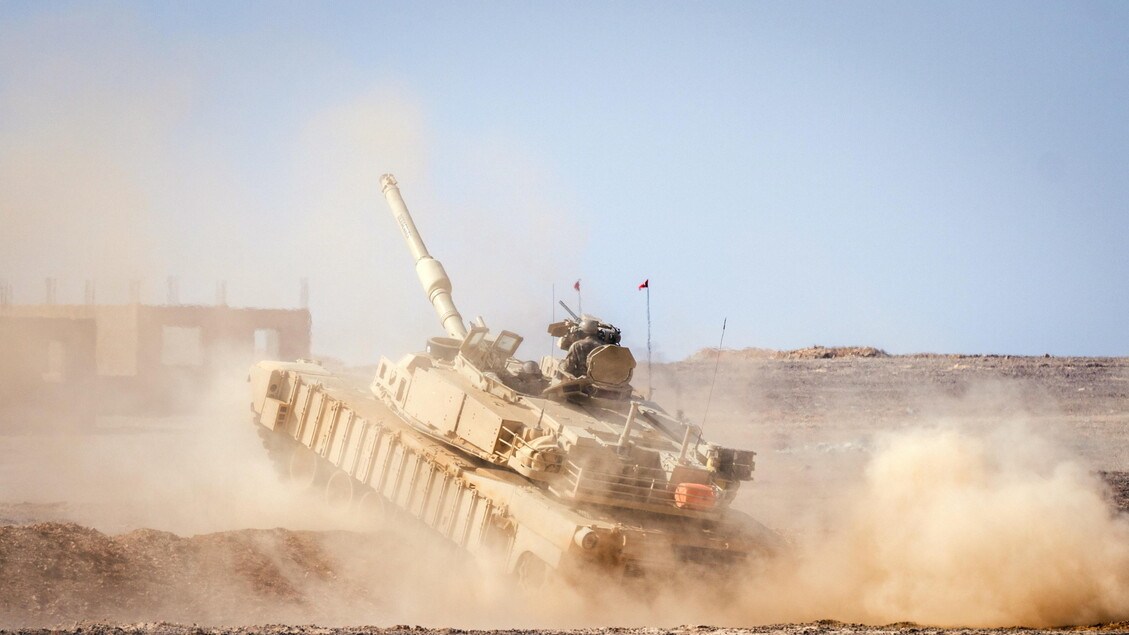
The European Union and NATO are moving forward with a large-scale plan to enable the rapid deployment of military forces across Europe, aiming to reduce logistical bottlenecks that currently slow down troop and equipment transfers between member states.
European Transport and Tourism Commissioner Apostolos Tzitzikostas announced at a conference in Athens that both institutions have agreed on a €100 billion infrastructure initiative designed to establish what is being described as a “military Schengen.” The system would function in a similar way to the EU’s internal free-movement zone, but would apply specifically to armed forces, military vehicles, ammunition, and heavy equipment.
Under the plan, around 500 strategic infrastructure points across Europe would be constructed or upgraded over the next three to four years. These “hot spots” are intended to ensure that military units can move quickly across borders during crises, exercises, or security emergencies without being slowed by administrative procedures or technical obstacles.
At present, military mobility in Europe is often delayed by a combination of regulatory approvals, differing railway standards, and infrastructure limitations such as weak bridges or roads that are not designed for heavy armored vehicles. The new framework is intended to address these gaps and significantly reduce response times in the event of a military threat.