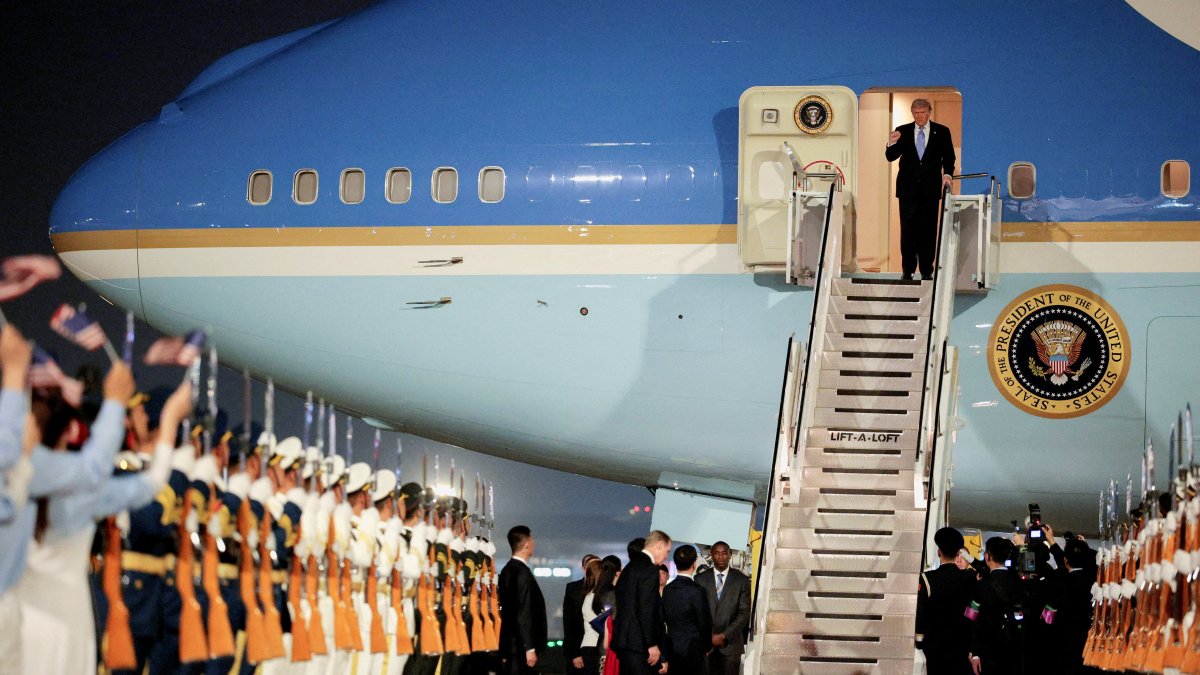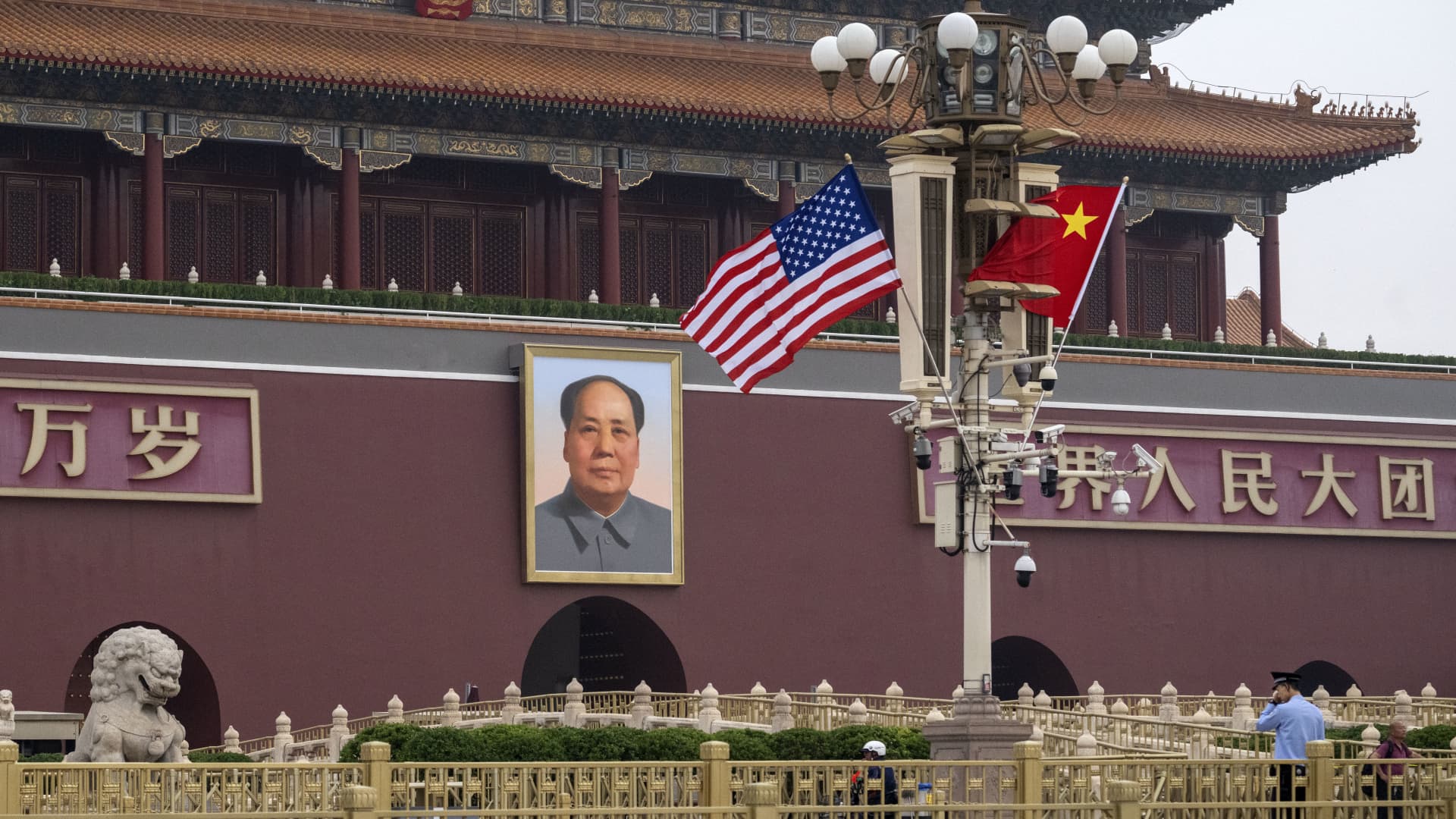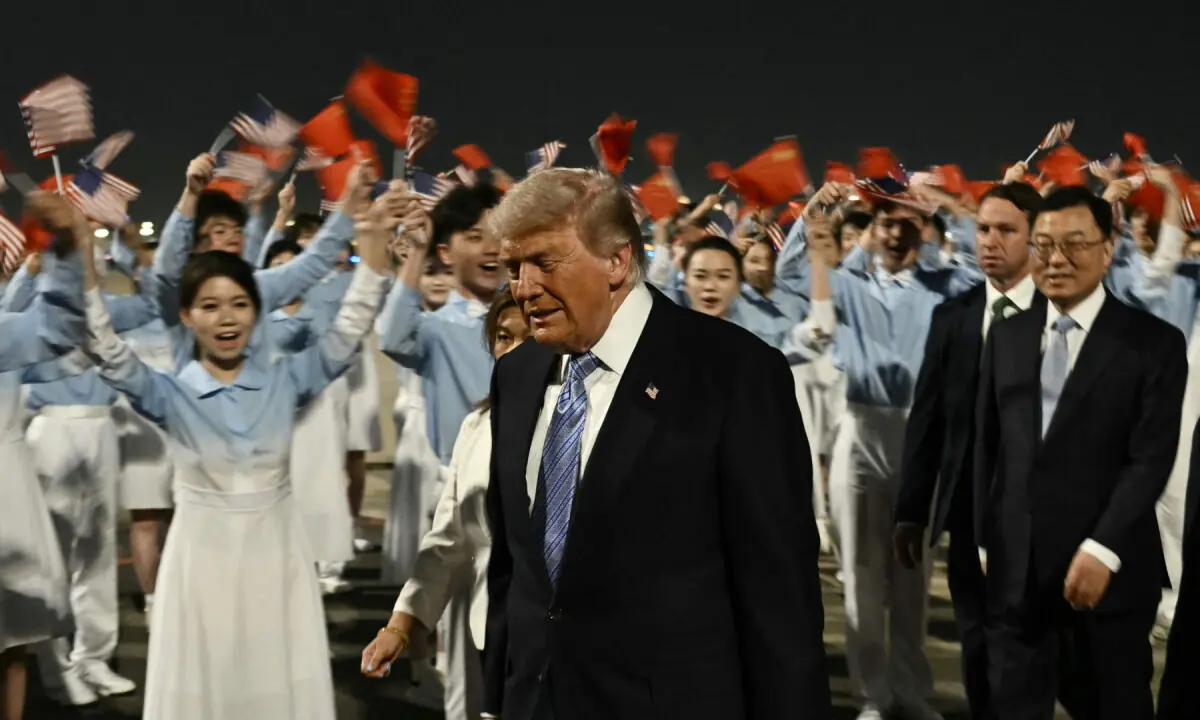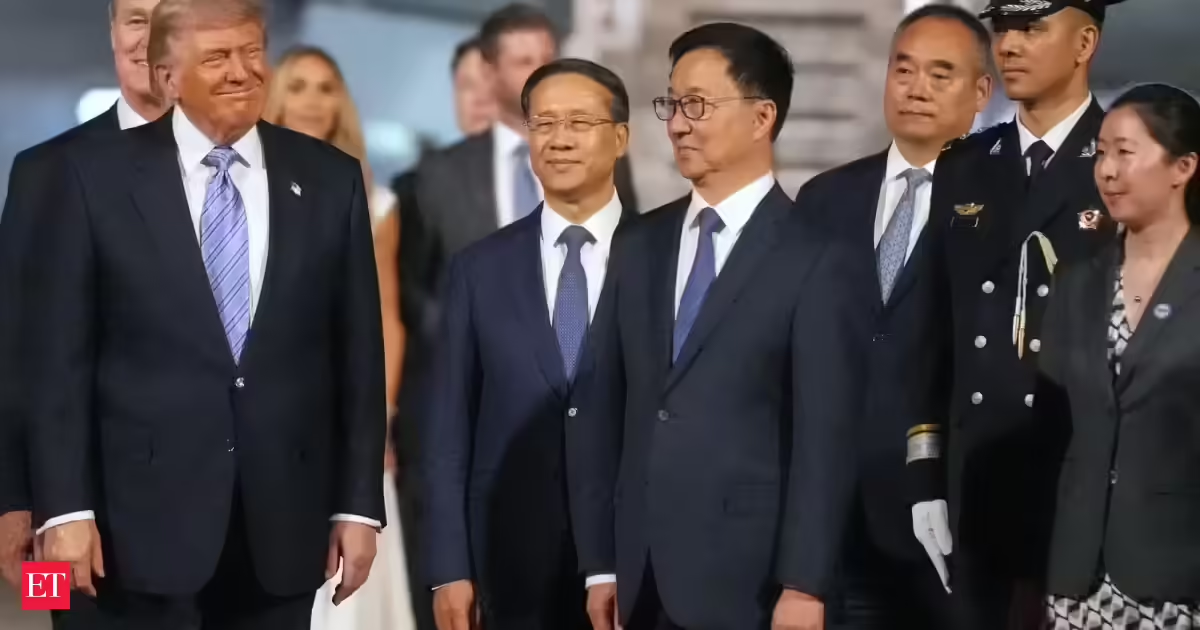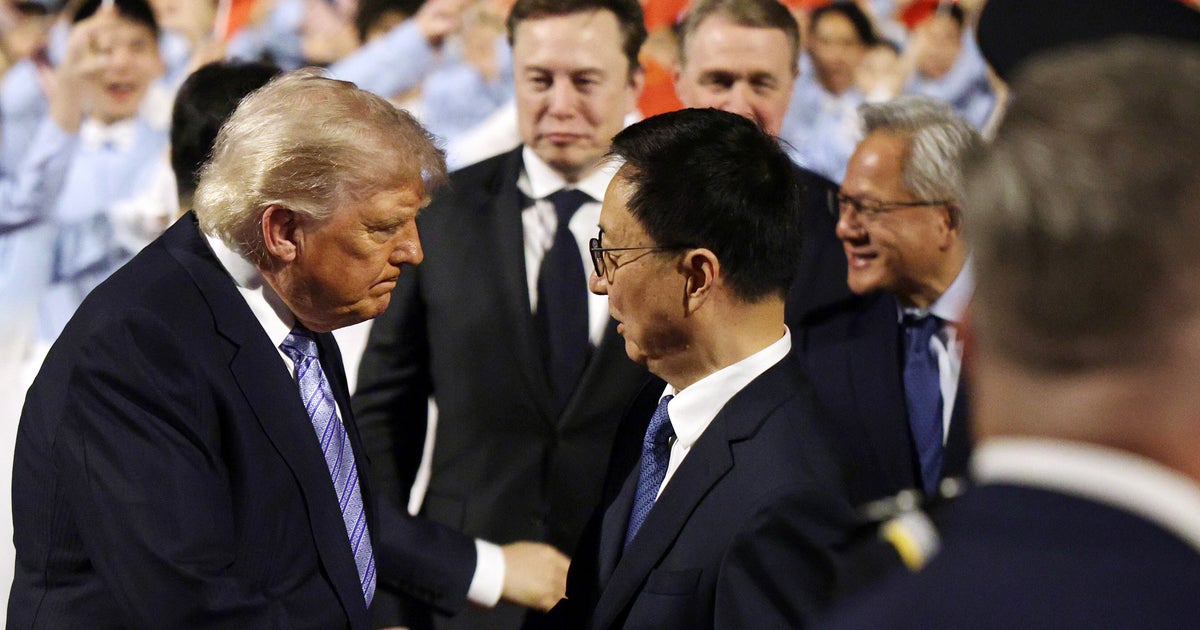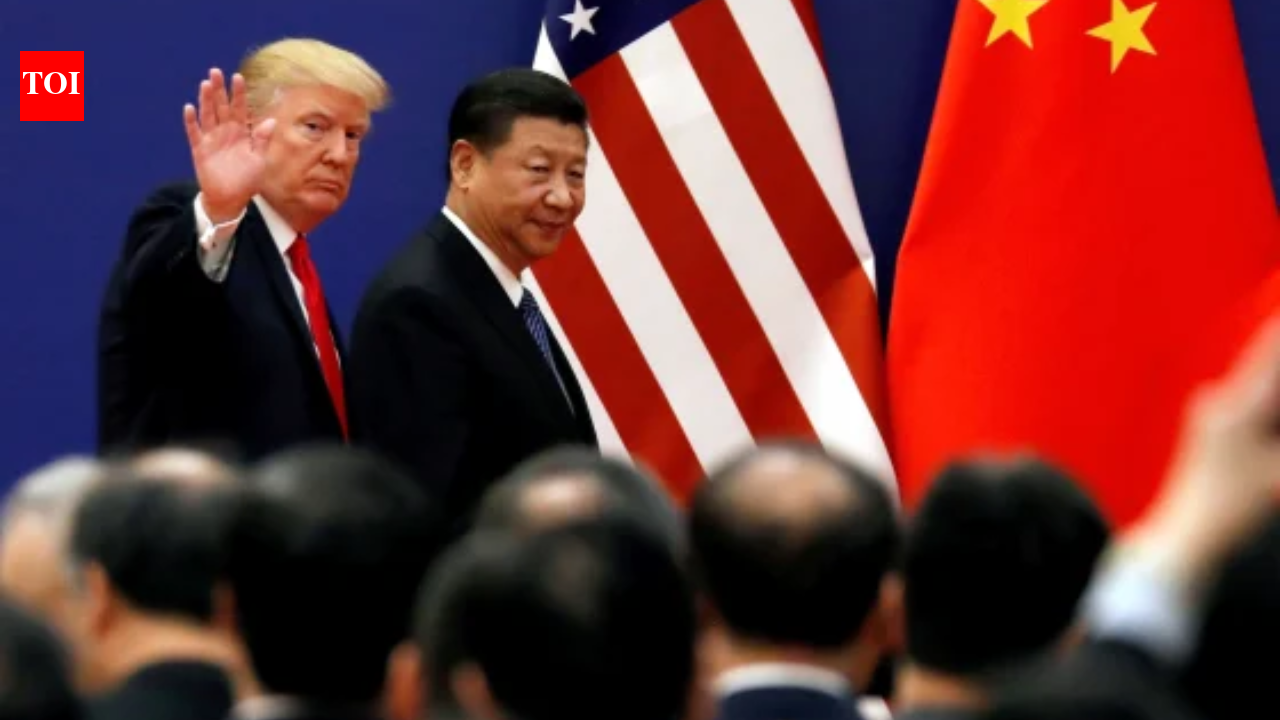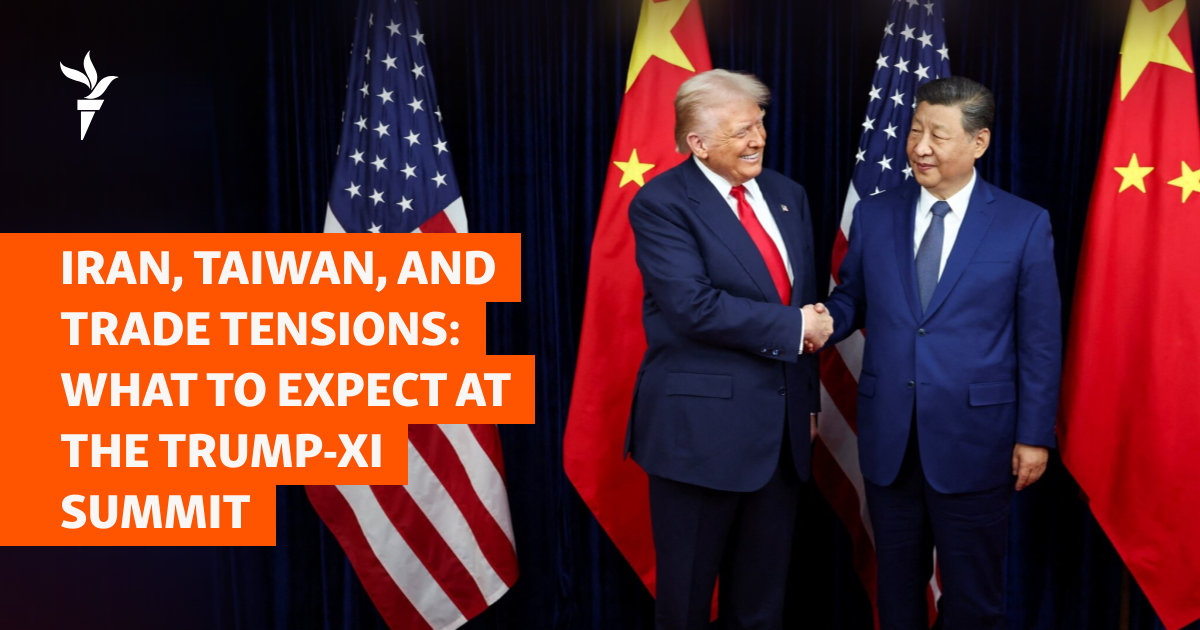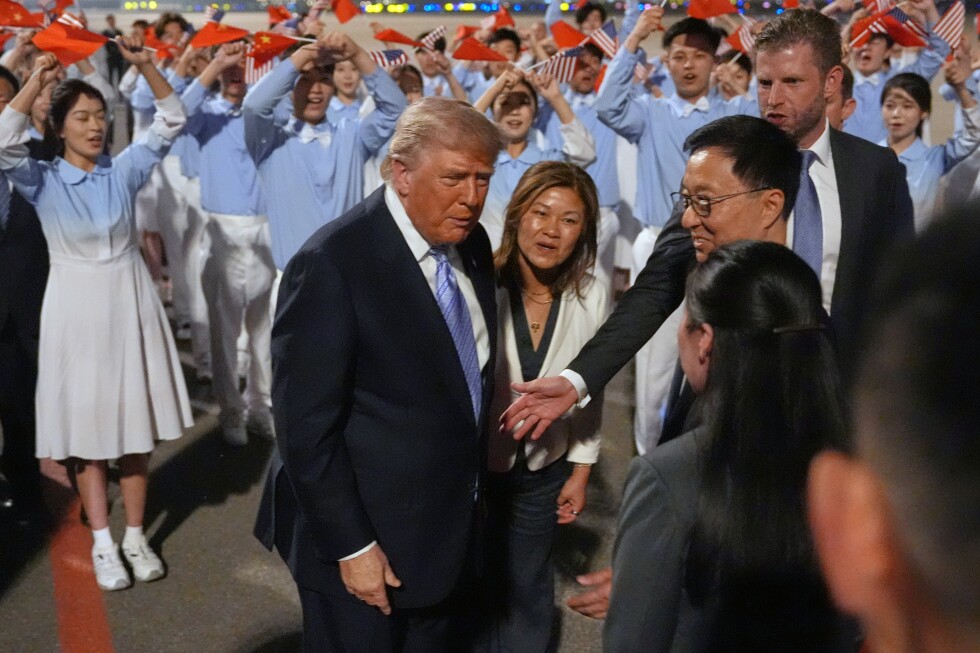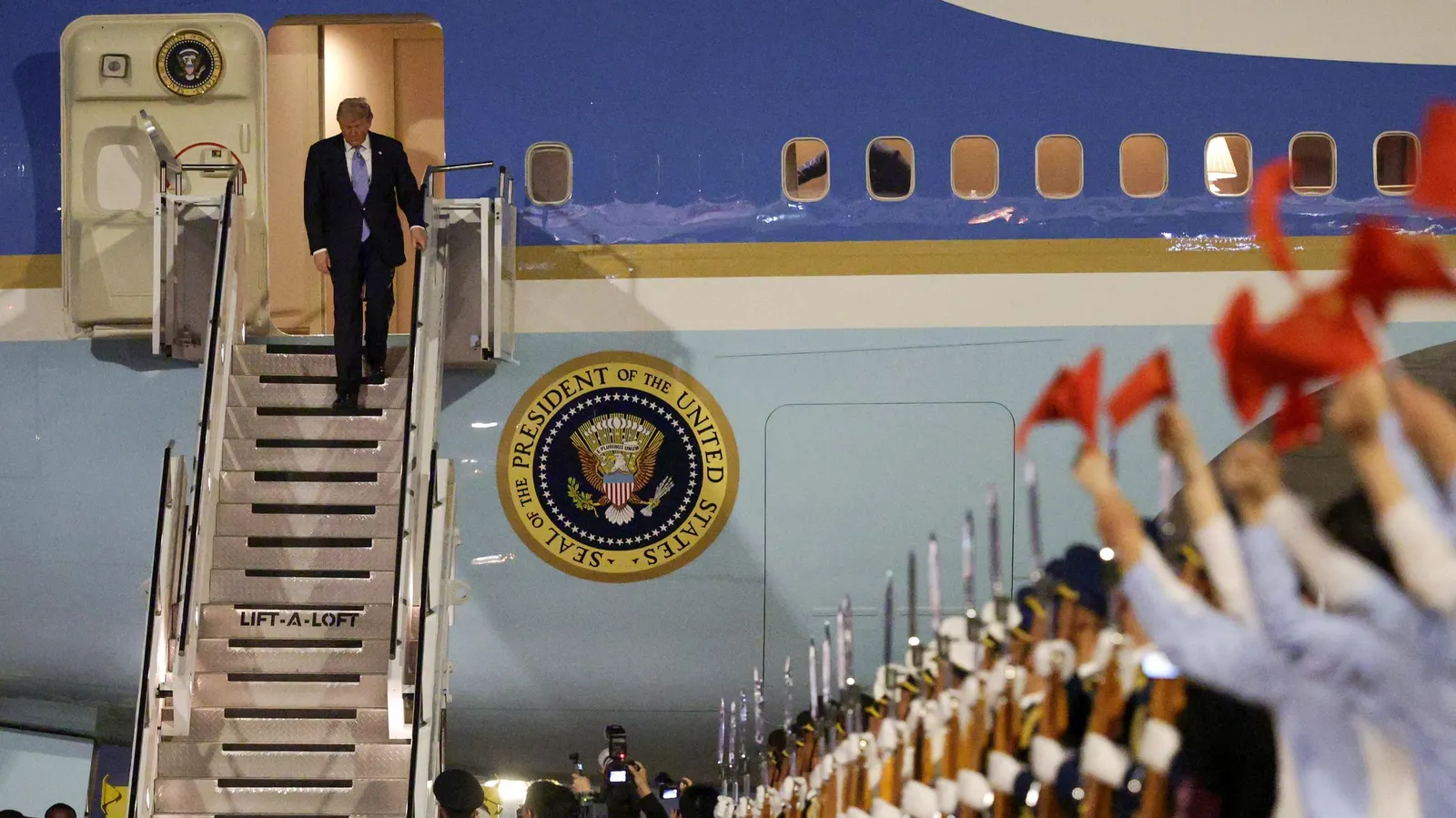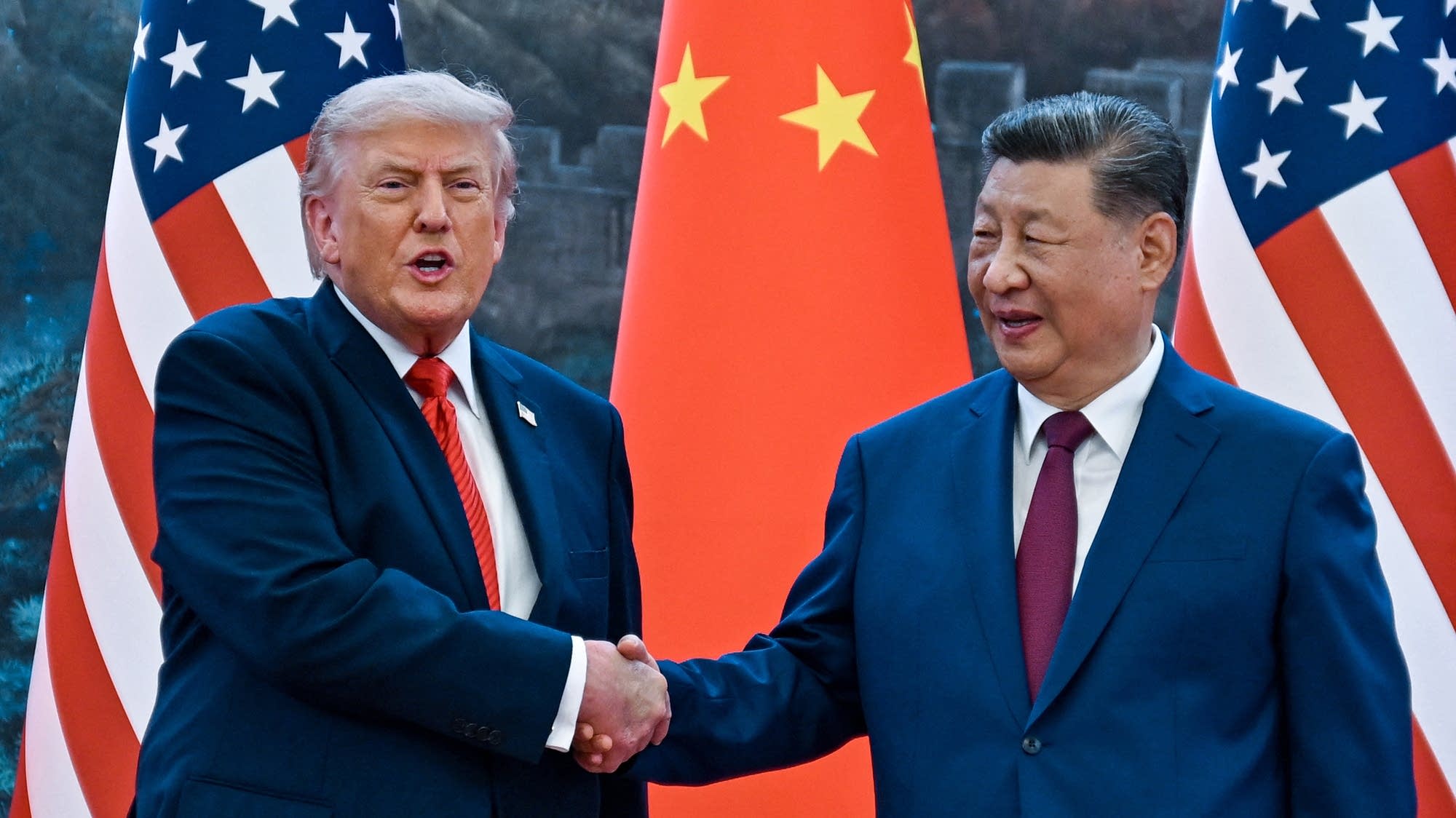
Airforce One touched down in Beijing on Wednesday for two days of highly anticipated talks between President Donald Trump and China’ s President Xi Jinping. The pair are expected to discuss trade, the Iran war and Chinese direct investment in the United States, among other topics. Adam Posen is president of the Peterson Institute for International Economics. He spoke with “Marketplace” host Kai Ryssdal about what to expect from the meetings. Below is an edited transcript of that conversation. Kai Ryssdal: Let me get right at it. Who needs this meeting to go well more, the president or President Xi? Adam Posen: President Trump needs it more by far. And you can see that from the body language, the carrying with him a whole bunch of U.S. corporate CEOs, the sort of plaintive tone. I mean, in the end, the U.S. will survive, even if the meeting falls apart, obviously. But going into the meeting, Trump is the petitioner.Ryssdal: Last time you and I spoke, there was all kinds of chatter from the White House and from Secretary Bessent at Treasury about decoupling this economic relationship, which, you know, would be challenging, given that they're the two biggest economies in the world. But I did notice that last night, the President was out on his socials talking about reopening China and getting things back on track, in essence. And that sounds very 1990s engagement-ish to me.Posen: Yeah, it does with his particular tone, and it is clearly an about face from the posturing that the U.S. government under Trump, a bit under Biden and again, under the last year of Trump has done. I think it's a good move, if done properly, with proper regard for national security and dependencies, with some calling out China for misbehaviors, but ultimately, it was pretty destructive. Let me make one more point. My colleague at Peterson, Chad Bown, has pointed out that if you look under the hood, the share of U.S. imports from China has plummeted from 25% to 7%. And there are two important parts of that. First is that huge shift in the amount of imports we get from China has made absolutely no difference in a positive way to U.S. manufacturing, and if anything, it's increased inflation. The second thing is that huge shift only leaves you with the stuff we can't substitute for, like rare earths, like pharmaceutical components. So, you know, recoupling from here only makes sense.Ryssdal: You know, I will see your Chad Bown, of whom I am a huge fan, and we're going to have him on when his book drops here in a couple of weeks, months, whatever it is. But, but I will see your Chad, and raise you foreign direct investment. The President talks about wanting to have Chinese factories on American soil, but foreign direct investment from China into the United States is way down as well. So there is, there are some hurdles here, right to this, to this reopening and reconnecting.Posen: Absolutely. And I think, Kai, that the President is right to be emphasizing foreign direct investment. It was foolishness to say they didn't want that. I mean, if the Chinese are going to, quote-unquote steal technology, which, to some degree, their officials do. It's done through computer means, through surreptitious means, through active bribing and spying in the U.S. Meanwhile, if we actually get foreign direct investment into the U.S., we actually get some technology transfer from them inherently, and we win over some of these potential spies. Same thing with getting these Chinese students into the U.S. It's a win-win. But you're right on the facts. It's down like 90% since before COVID.Ryssdal: So I'm sure you saw the headlines this morning that President Xi had said to President Trump, as they were discussing things, that Xi hopes that we can avoid the United States and China can avoid the Thucydides Trap. Now, I confess I go look that one up, because it's been a long time since I've studied that stuff, but it's basically the conflict that arises when a rising power like China takes on, in every possible way, the established power of the United States. So you're not a political scientist, but you've been around the block a couple of times. Frame that for me, in the context of the global economy and the competition that exists now between these two powers.Posen: Well, what's key about the Thucydides Trap, which is, as you say, Kai, it's about having a rising power get into a conflict with established power, in part because the established power is worried that if they let the rising power continue to rise, they'll lose. And there is that sense in some parts of Washington, but in the economic sphere, for all the rhetoric, Chinese ability to inflict threats on the U.S. economically can be pushed back against if, A, we provide more value to the Chinese so they have more dependence on us, more incentive to play along. And, B, as long as we're collaborating with the whole world economy to discipline China, and this is not what we've been doing. And I think what President Xi is indicating is not peaceful intentions, not nice and kind words, but I think a realistic view that the world is a worse place if U.S. and China are in economic conflict, and ultimately that if he thinks time is on his side, he doesn't have to do anything right now. And that's the other key point about economics. It's never irreversible the way it might be, say, in a military advantage. There is no end point.
What to expect from Trump's visit to China
Adam Posen, President of the Peterson Institute for International Economics, talks about what to expect from President Trump’s meetings with President Xi Jinping of China this week.
944 words~4 min read