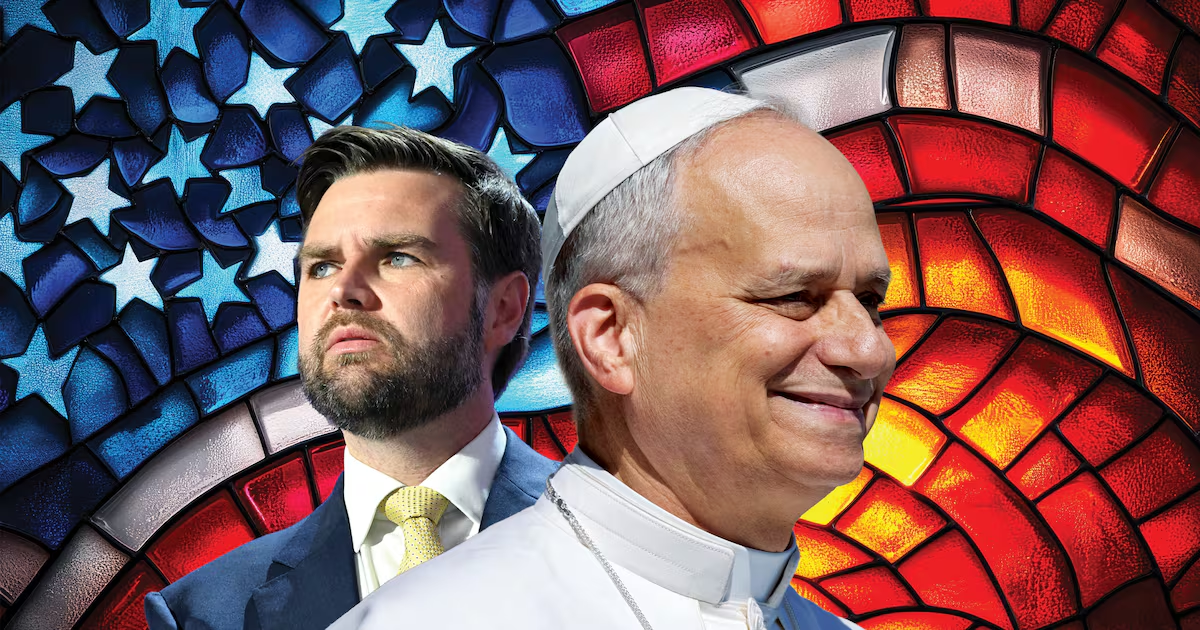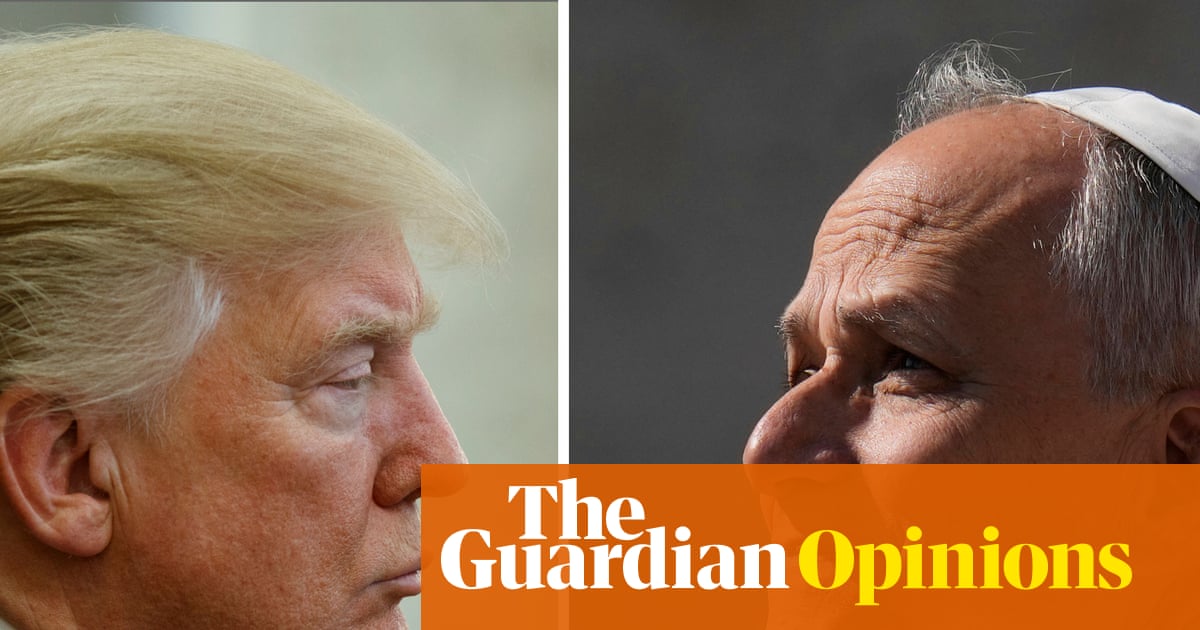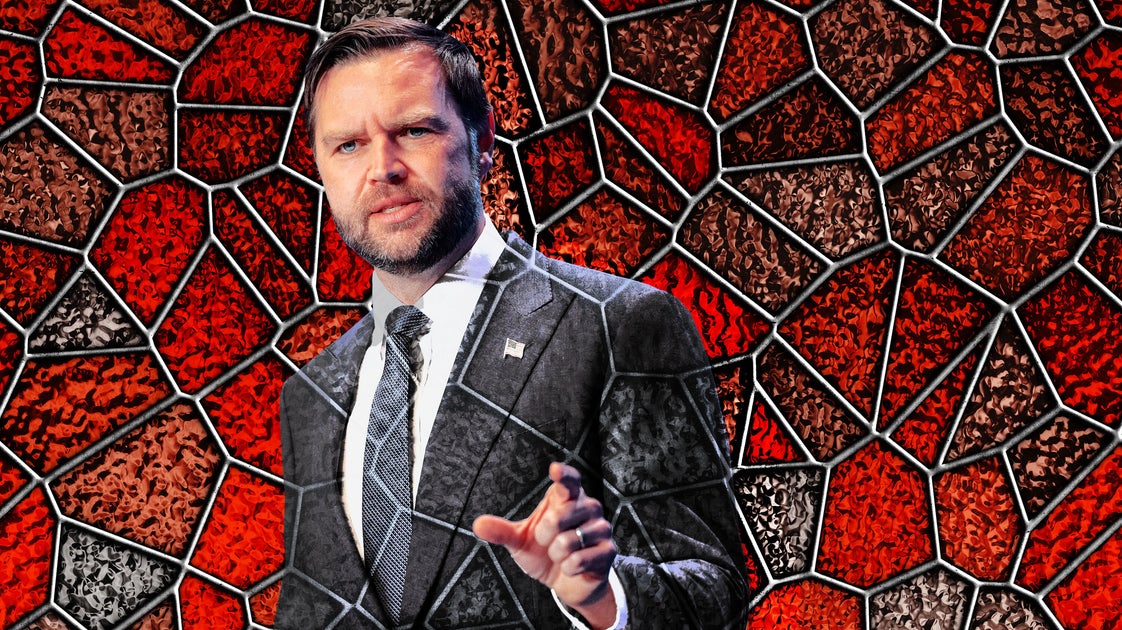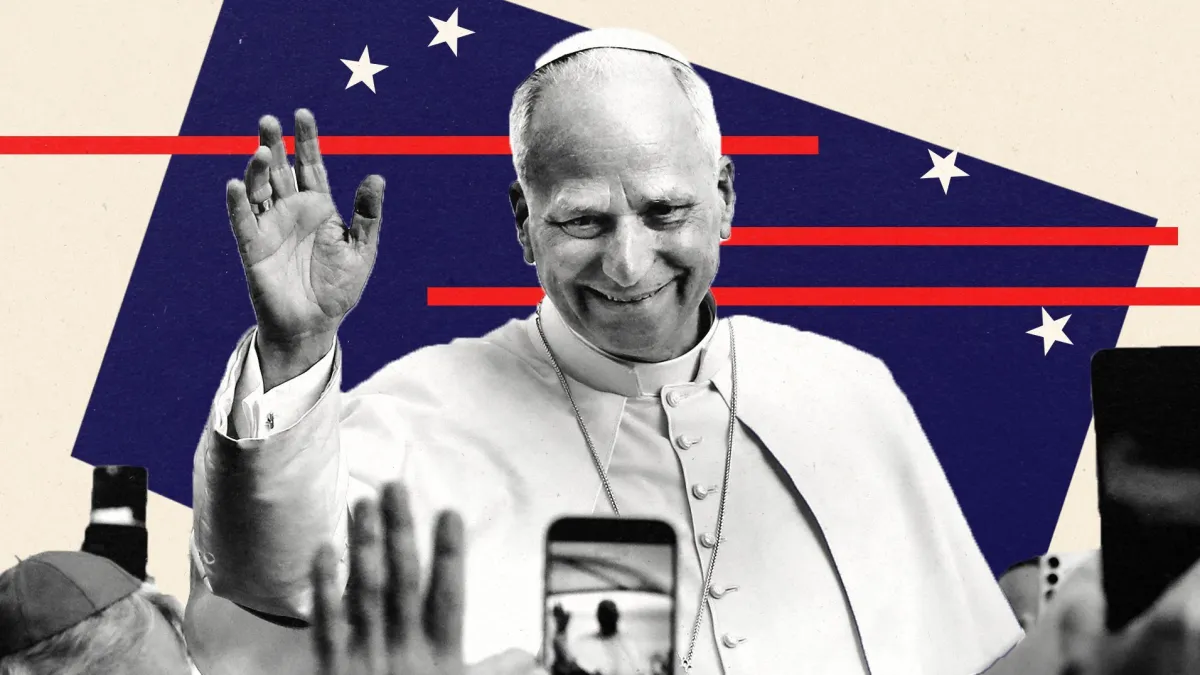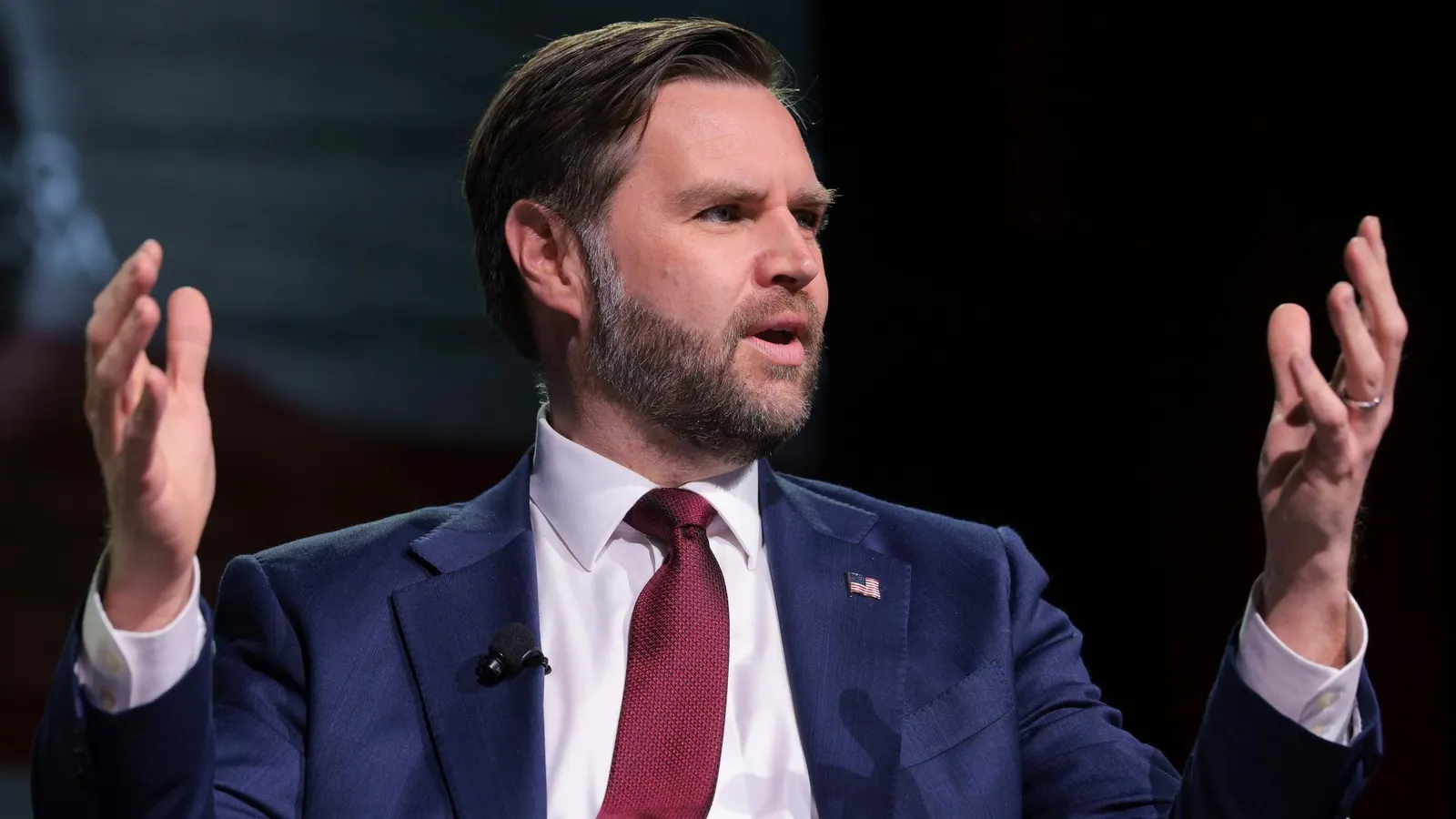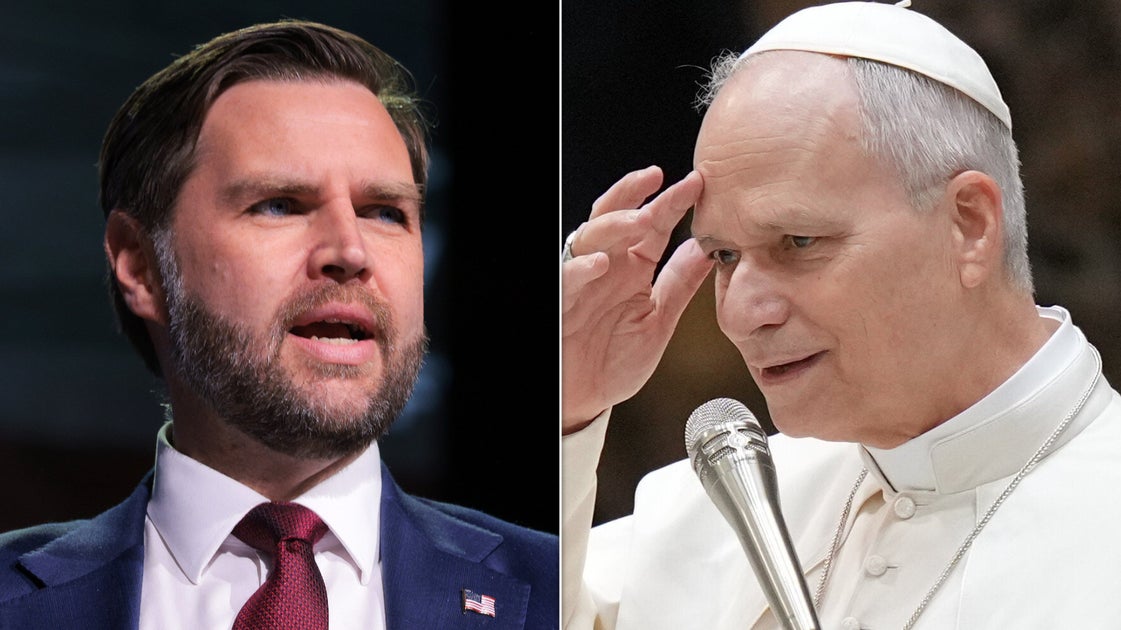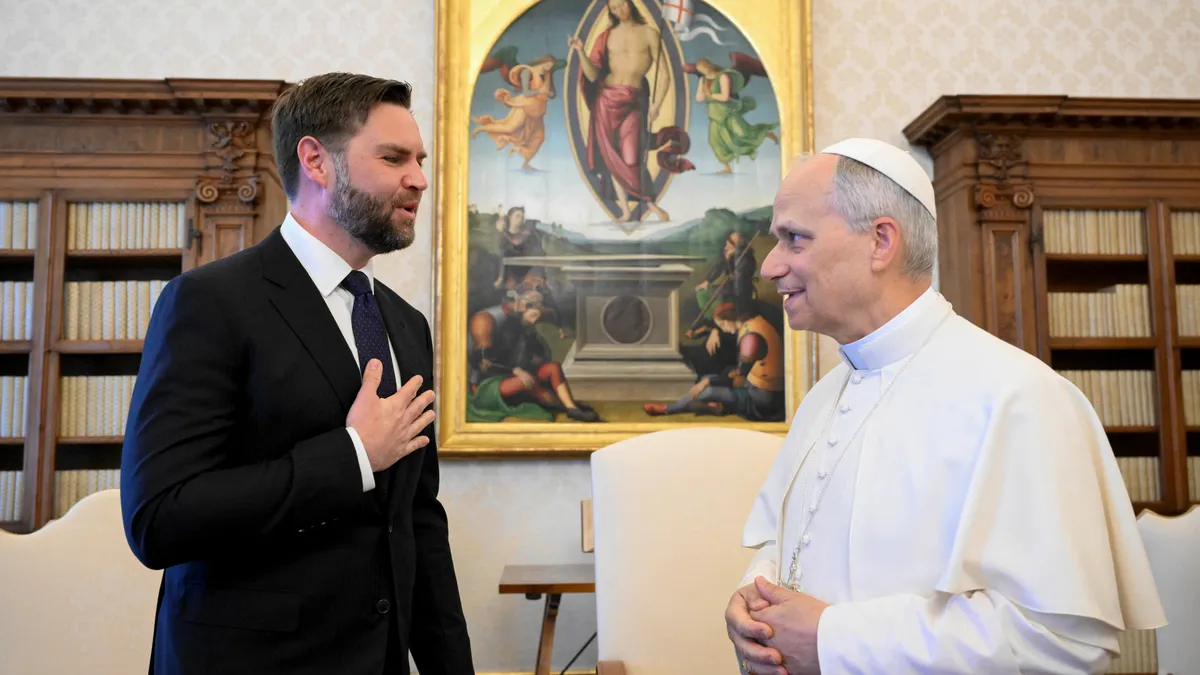
The recent scuffle between Pope Leo XIV and the Trump administration, Vice President J.D. Vance in particular, reveals a great deal about the role faith principles play in shaping (and not shaping) those in public life. This ugly episode confirms what our era has been teaching us: America would be far healthier if more of our leaders were faithful to principles instead of partisanship, pique, or personal ambition.
For those of us born and raised into the Catholic Church, it’s tough to separate the teachings of the faith from the views we hold as adults. When your parents and extended family members are Catholic and when you’re going to weekly Mass and Sunday school, you are continuously, if subtly, shaped by the church’s principles and practices.
Sure, my ego wants to believe that I’m pro-life, favor school choice, support a strong civil society, and feel a duty to serve the public thanks to my reason. But the truth is I was formed by a religious tradition. And this particular religious tradition has values informed by centuries of scholarship and on-the-ground experience with the human condition and the challenges of public life.
No one could memorize all of the church’s social teachings, but a “cradle Catholic” has a lifetime of homilies, Bible readings, confirmation classes, and service projects to fall back on. Together, they give us a sense of the faith’s unbending commitment to the disadvantaged, its protectiveness of innocent human life, and rules about individuals’ interdependence and responsibilities. We also have a sense of humility: We know that the church’s positions existed long before us and don’t bend to our preferences. We come to know that the church earned its wisdom the hard way: Over the course of 2,000 years, it has dealt with countless monarchs, faced down dictators, provided aid to the poor and the sick, run hospitals and schools, witnessed the rise of democracy and the fall of empires, and experienced the costs of totalitarianism and war.