China’s industrial policy has become one of the most consequential and contested topics in global economic governance. As policymakers around the world reach for industrial policy to navigate hardening geopolitical tensions, fracturing supply chains and accelerating green and digital transitions, they would benefit from first understanding what China’s model has and hasn’t achieved.
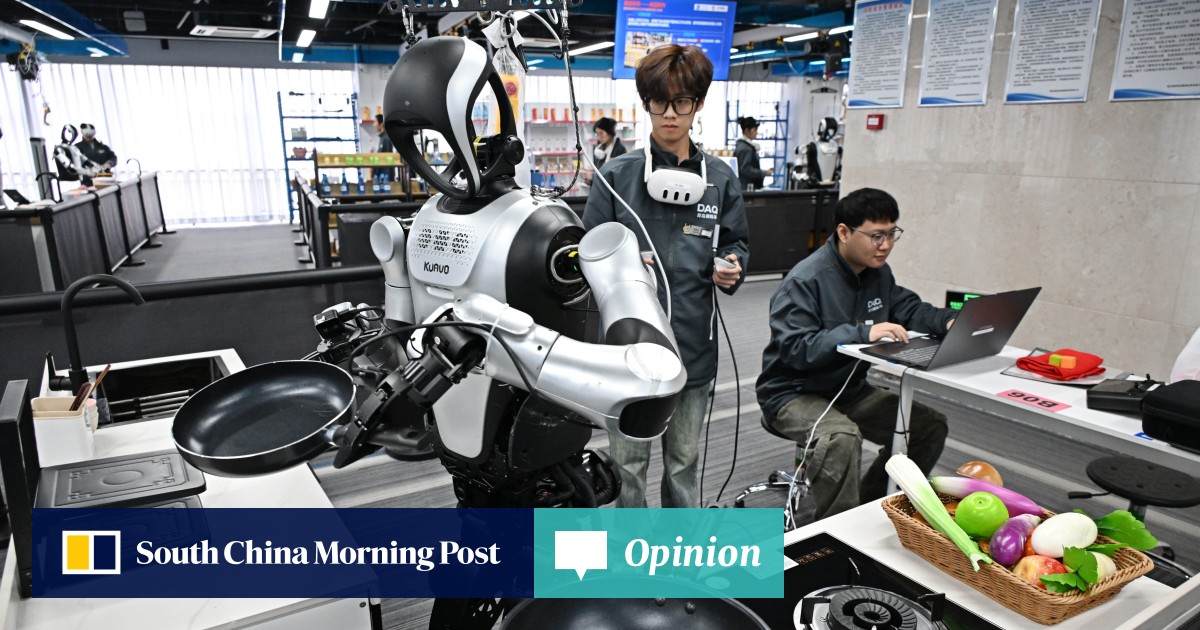
The most important lesson is epistemic. Policymakers’ knowledge about China’s industrial policy is largely incomplete. Policy responses are often driven by what is most visible — subsidies directed at cutting-edge sectors like electric vehicles (EVs), semiconductors and green hydrogen. But this is only the tip of the iceberg. Beneath the surface lies the more consequential side of Chinese state support — subsidies flowing to mature, declining and inefficient sectors, the bulk of which are channelled to state-owned enterprises. That is where the structural inefficiencies of China’s model are concentrated and where the real fiscal cost accumulates.
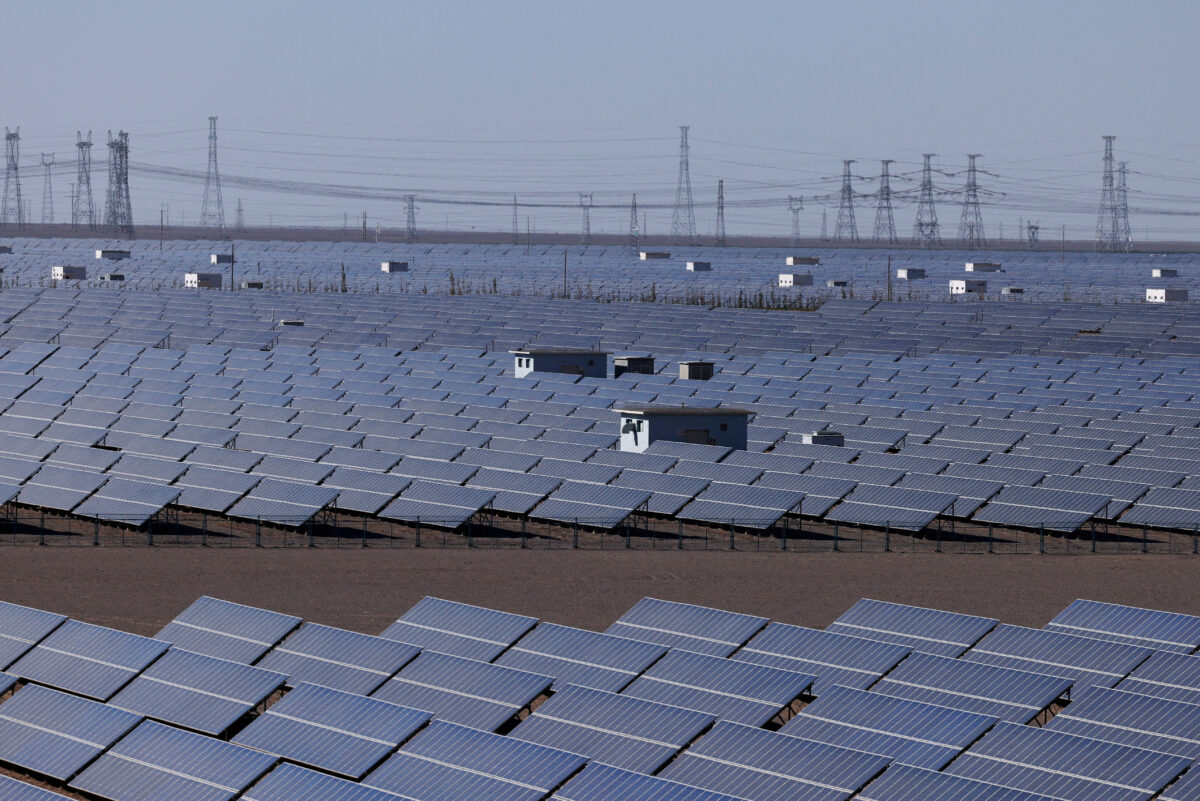
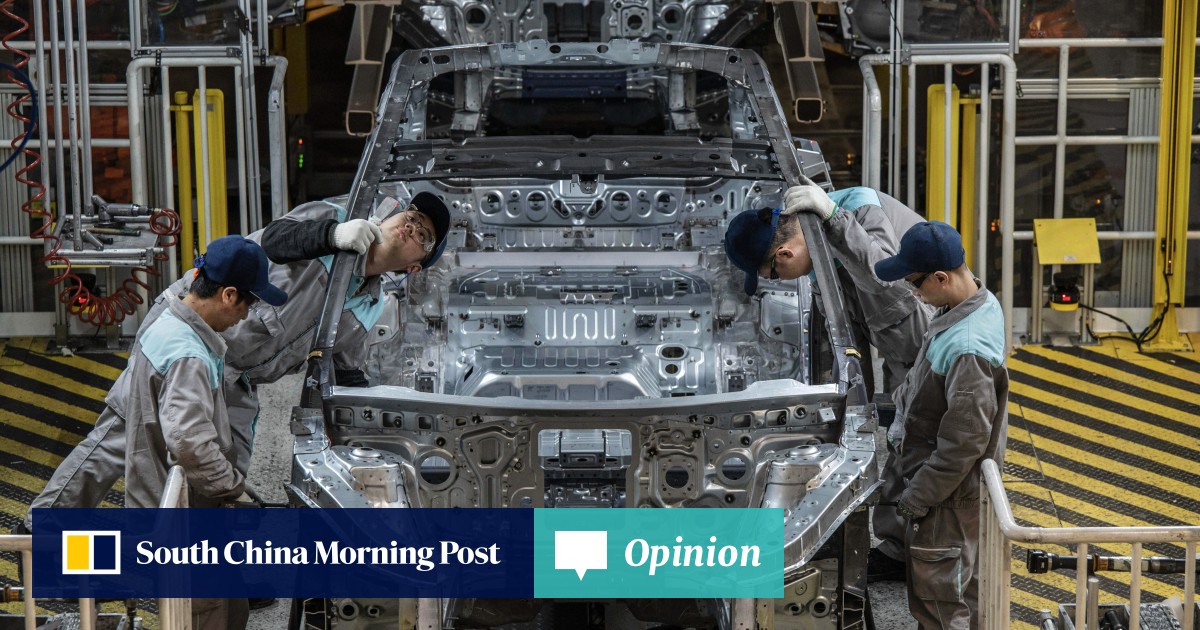
While China’s industrial policy success should not be viewed uncritically, the counternarrative that sees it as little more than a corrective to distortions created by state capitalism is overly simplistic. In sectors like EVs and solar where China now leads, Beijing’s intervention played a genuinely developmental role. Government-guided funds, preferential public procurement, national standards-setting and patient financing through policy banks mobilised private investment, accelerated supply chain integration and enabled Chinese manufacturers to achieve economies of scale at remarkable speed.