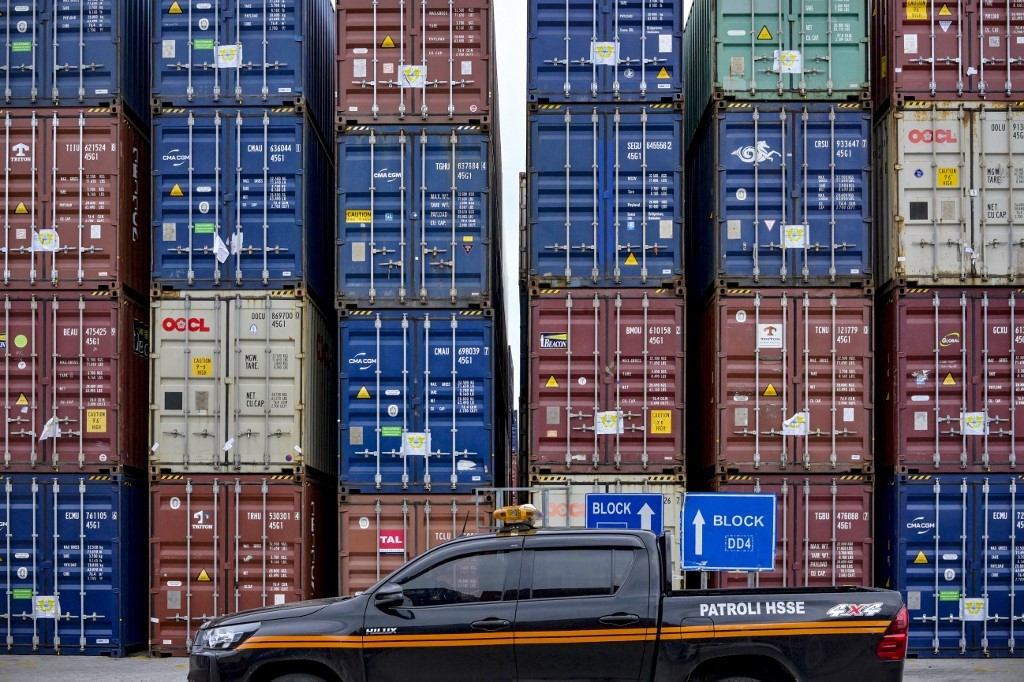
Indonesia’s logistics sector continues to lag behind regional peers. The country’s Logistics Performance Index (LPI) stands at 3.0, lower than Singapore, Malaysia, Thailand and Vietnam, while its road quality also trails most peers except Vietnam. Logistics costs remain relatively high, at more than 10 per cent of GDP, above those of Southeast Asian peers, including Thailand, Vietnam, Malaysia and Singapore
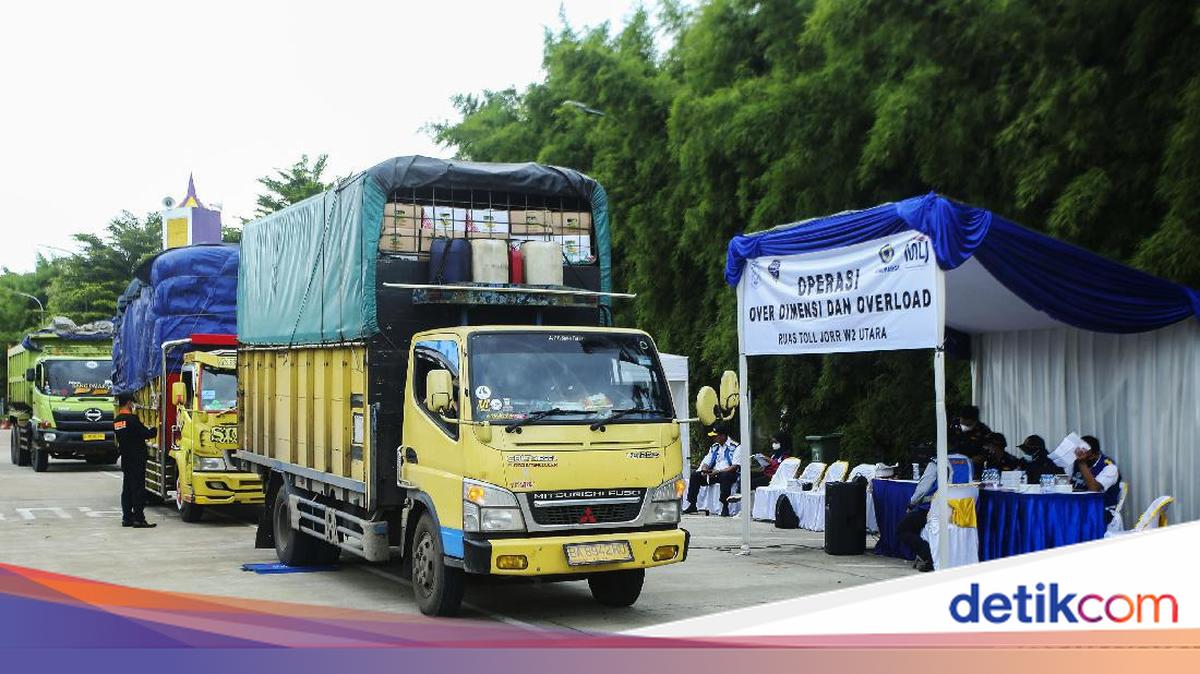
As part of efforts to strengthen Indonesia’s logistics system, the government plans to enforce a ban on over-dimension and over-load (ODOL) trucks, commonly known as the Zero ODOL policy, from 2027. Though the policy has had a clear legal basis since the enactment of Law No. 22 of 2009 on Road Traffic and Transportation, its enforcement — initially scheduled to begin in 2017 — has been repeatedly delayed amid opposition particularly from drivers and small-scale logistics operators.
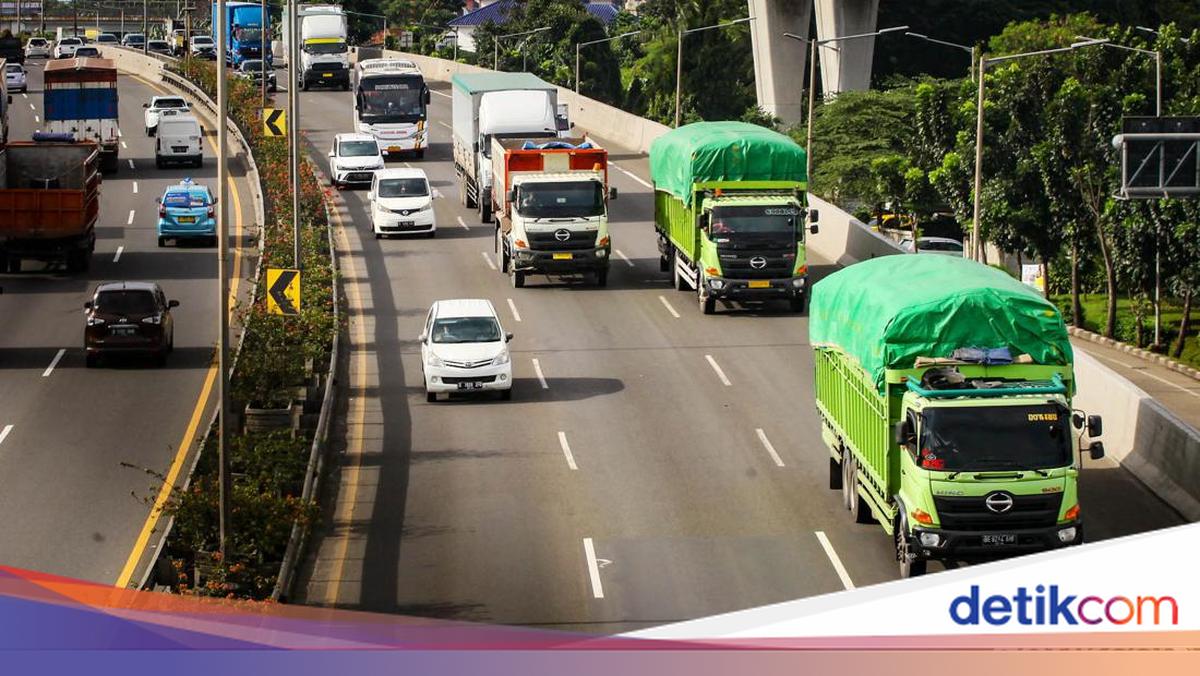
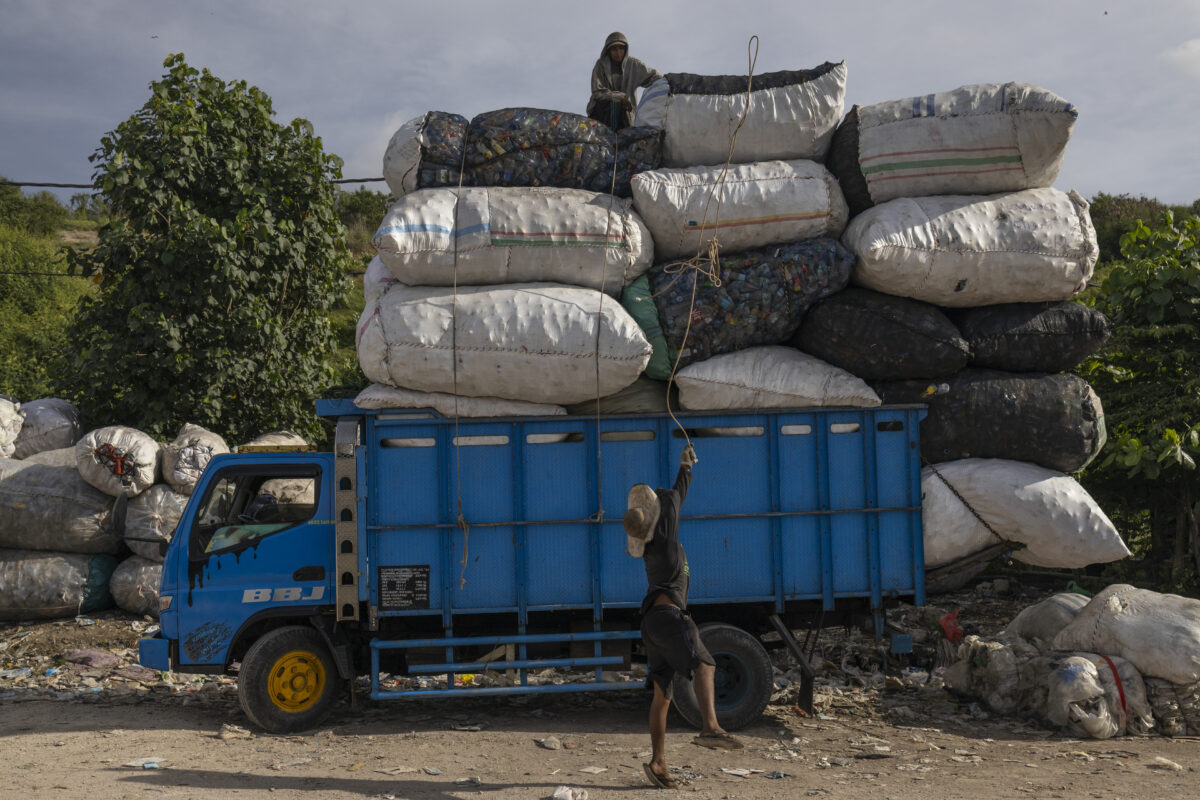
With an estimated prevalence of 37.78 per cent on highways, ODOL trucks contribute to road damage and traffic accidents. Overloading also generates negative externalities including increased travel times and operating costs and disrupted supply chains, which persistently elevate logistics costs.
Overloading has a clear logic. Operators face pressure to overload to secure payment and remain competitive, while users prioritise low transport costs, creating a race to the bottom in the absence of effective constraints. Yet many countries have encountered similar challenges and developed good practices to address truck overloading, offering valuable lessons for Indonesia.