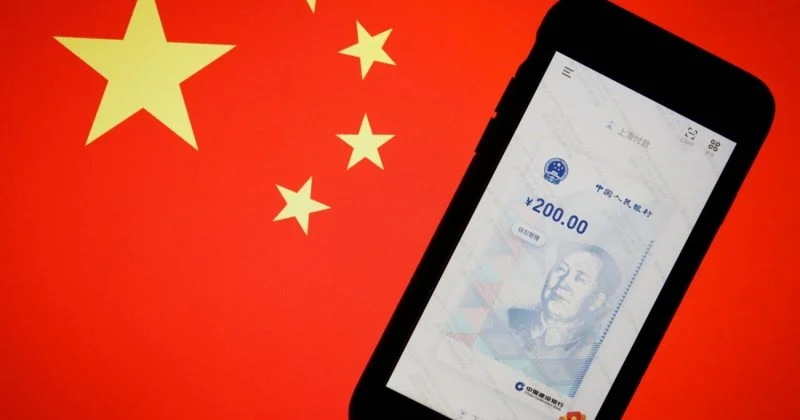
On 6 February 2026, the People’s Bank of China and seven other Chinese government agencies issued a new notice on risks related to virtual currencies. The document reiterates that virtual currencies do not enjoy the same legal status as fiat money and that related business activities remain illegal within China.
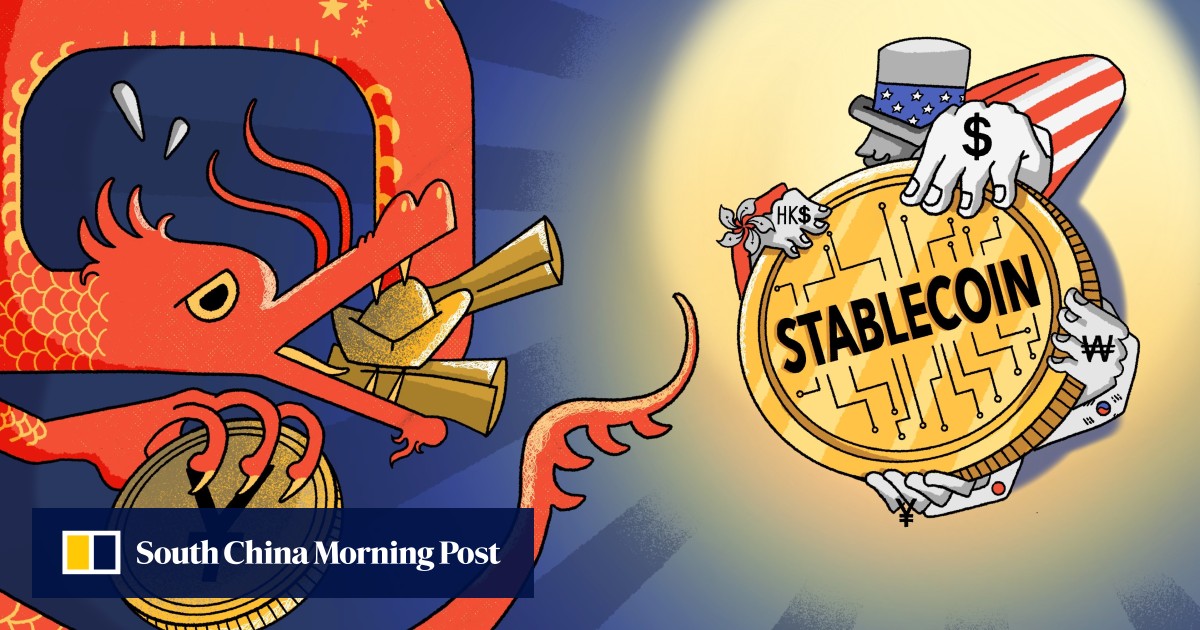
It also specifies that no entity, domestic or overseas, may issue offshore stablecoins pegged to the renminbi (RMB) without the prior consent of the Chinese authorities.
To read this as a routine restatement of existing restrictions would understate its significance. The notice builds on China’s 2021 virtual currency restrictions and, for the first time, brings RMB-linked offshore stablecoins and tokens linked to real-world assets within the regulatory perimeter. It sharpens those boundaries amid renewed domestic speculative activity and a fast-changing external policy environment, and suggests that Beijing is tracking Washington’s digital-currency moves closely.
The US approach to digital money shifted markedly in 2025. Executive Order 14178, signed by US President Donald Trump on 23 January 2025, directed federal agencies to ‘promote and protect the sovereignty of the United States dollar’ through ‘lawful and legitimate dollar-backed stablecoins worldwide’. At the same time, the order prohibited the issuance of a central bank digital currency (CBDC).