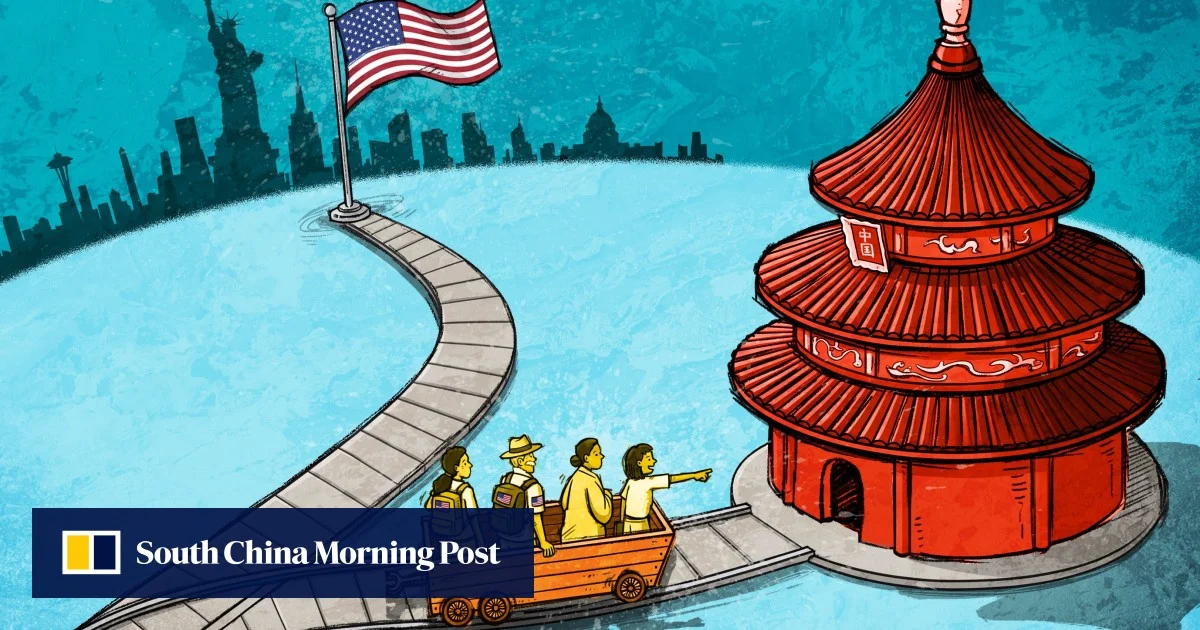
Xi Jinping’s 2023 pledge to invite 50,000 young Americans to China over five years should be read against a China-U.S. educational exchange landscape that has become increasingly uneven and more politically visible. According to Open Doors, 265,919 Chinese students studied in the United States in 2024-25. By contrast, the latest available figure for American study abroad in China was 1,749 students in 2023-24, down from more than 11,600 in both 2017-18 and 2018-19.
The two figures are not perfect mirrors of one another because Chinese enrollment in the United States and American study abroad in China measure different kinds of mobility. Nevertheless, they point in the same direction. China and its nationals continue to have a large educational presence in the United States, while the American educational presence in China was always lower – and has recently weakened sharply.
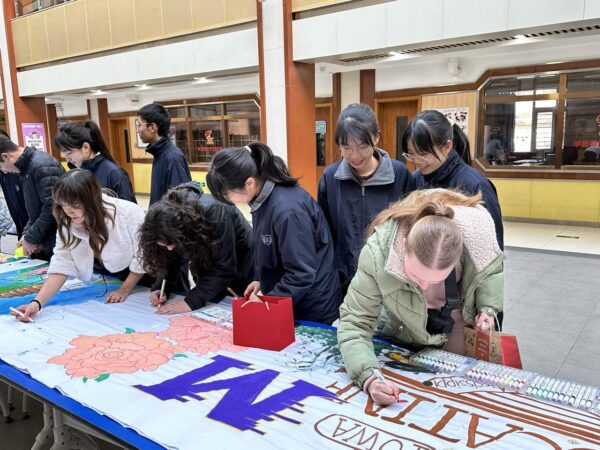
At an initial glance, Xi’s 50,000-youth initiative looks like an effort to repair the remaining channels of contact: more travel, more exchange, and more young people meeting one another after years of pandemic disruption and geopolitical suspicion. There is truth to that. A student who travels from New York or Washington, D.C. to China may have an experience that is personally enjoyable, intellectually useful, and difficult to substitute.