Read The Diplomat, Know The Asia-Pacific
Myanmar’s military regime wants the world to believe it is changing. It is not.
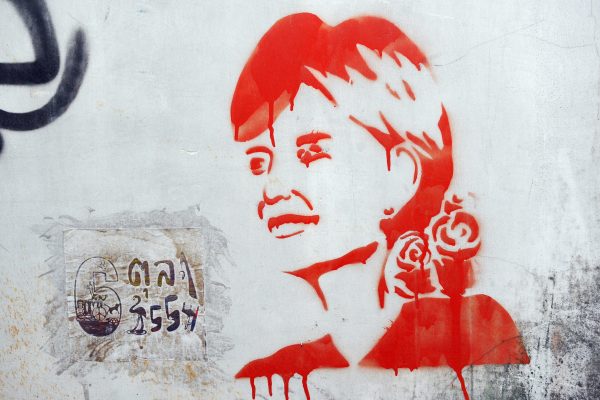
A stencil of Myanmar’s Aung San Suu Kyi on a wall in Bangkok, Thailand.
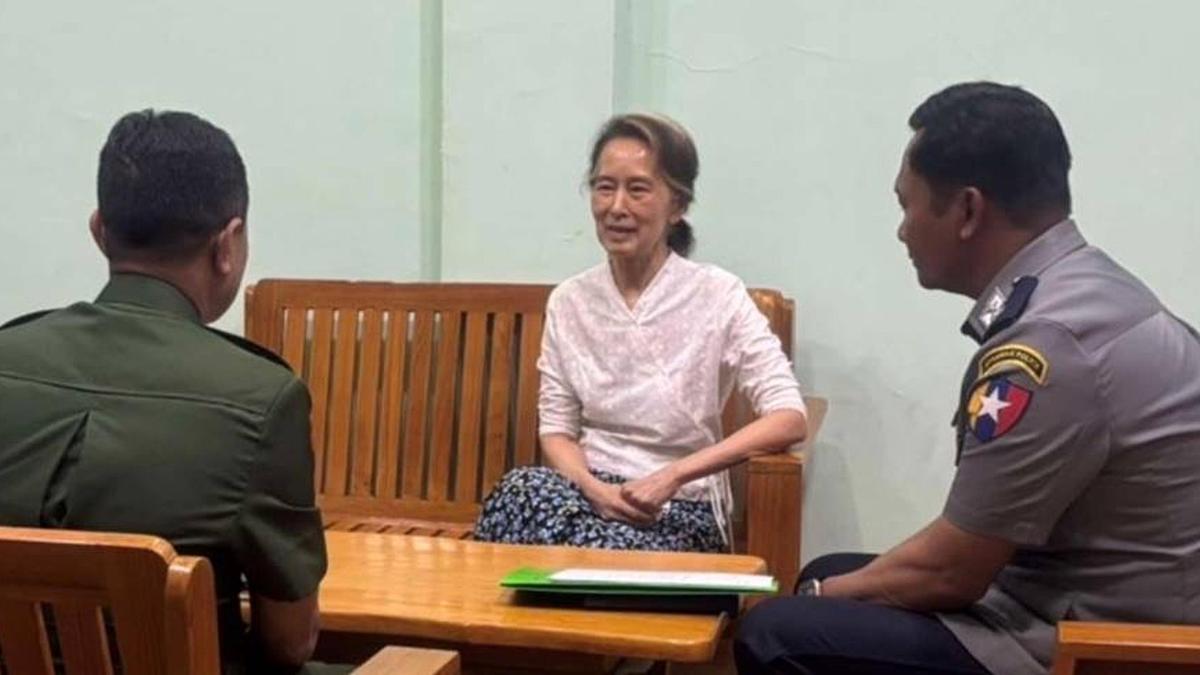
On April 30, on the occasion of Vesak Day, Myanmar’s military junta – now recast as a civilian government under President Min Aung Hlaing, the general who led the 2021 coup – announced a partial sentence reduction for ousted leader Aung San Suu Kyi and her transfer from prison to house arrest. Two weeks earlier, on New Year’s Day, ousted President Win Myint was released. These gestures followed a tightly controlled multi-phase election in December and January and a political reshuffle that installed Min Aung Hlaing as a “civilian” president after he shed his uniform.
To some observers, this sequence may suggest the first steps towards democratic reform. In reality, it is part of a well-worn script. Myanmar’s generals have long relied on cosmetic change to win international acceptance while retaining absolute power. This latest version of the charade is even less convincing than those that came before.