More than four decades ago, Chinese leaders strategized that radical openness on one island could lead to reunification with another.
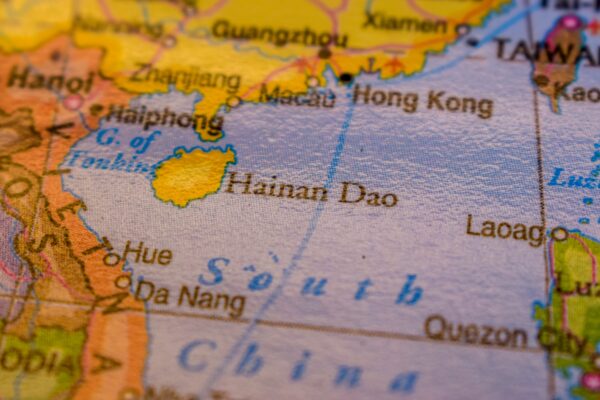
Now, as cross-strait relations roil both politics in Taipei and the Sino-American relationship, Beijing has revived a decades-old dream: an island-sized free trade zone on Hainan Island. Top Communist Party officials and intellectuals have long hoped that such a zone might transform “China’s second largest island” into a mainland-controlled version of Hong Kong and lure Taiwan back into the fold.
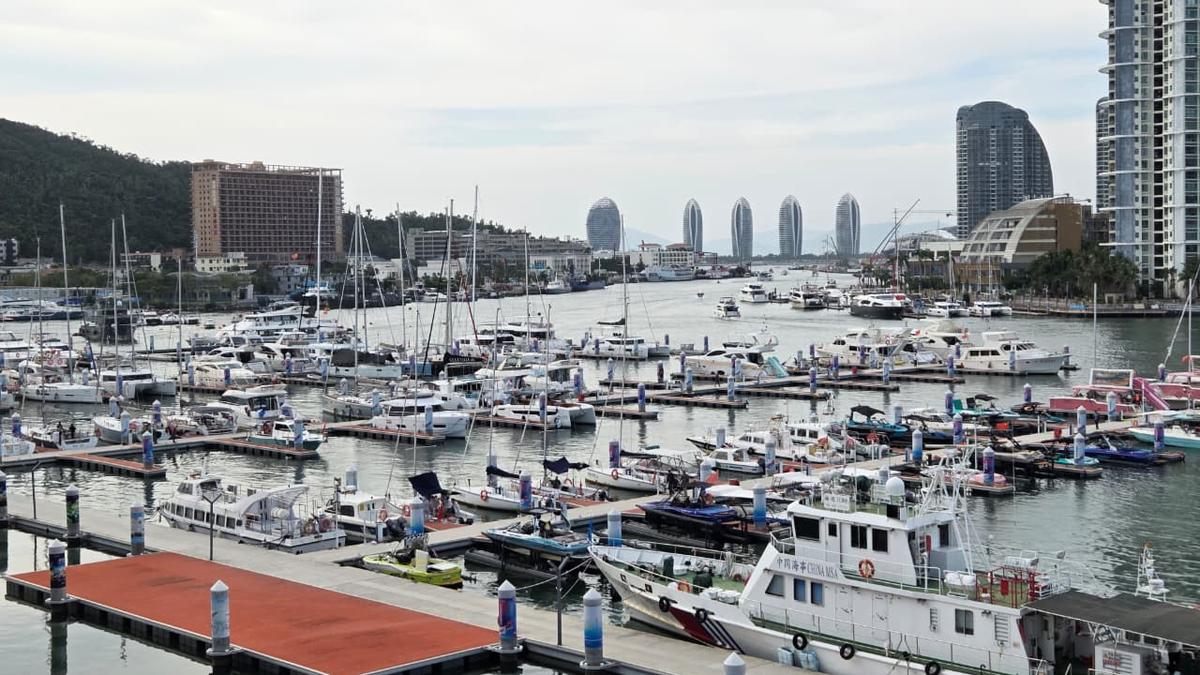
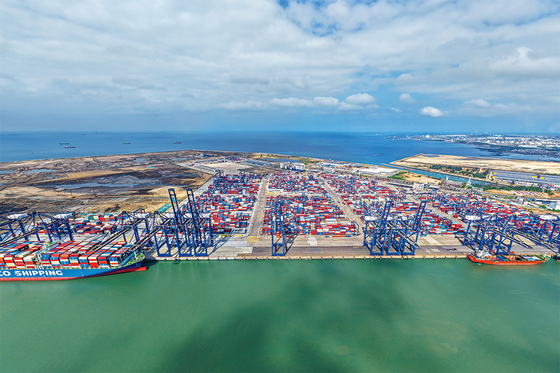
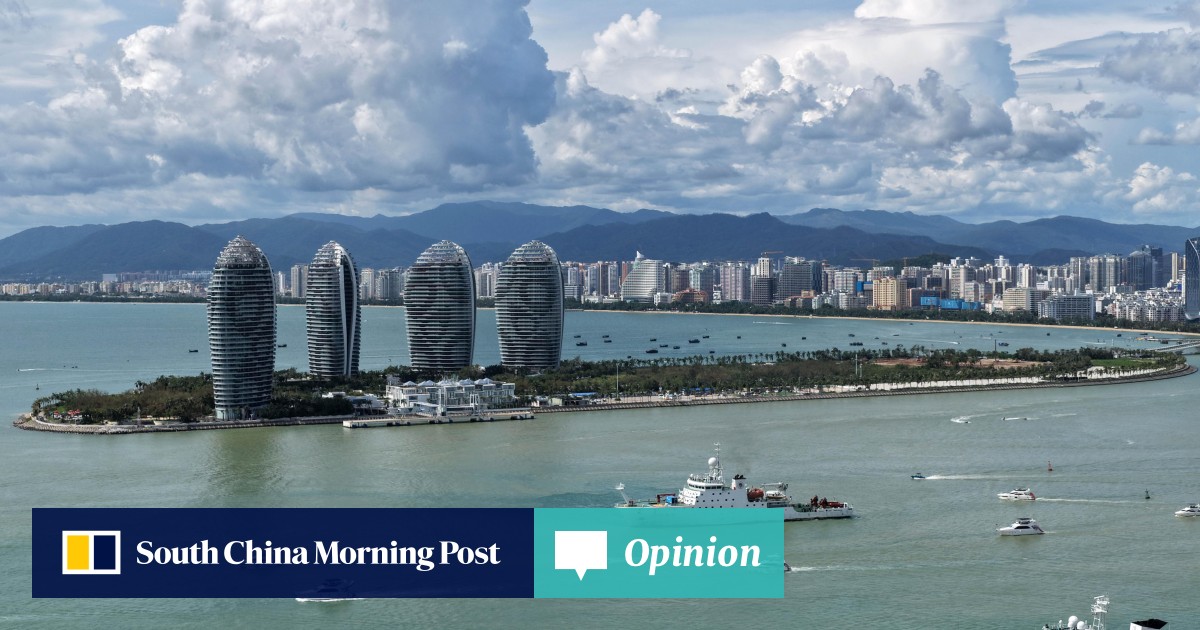
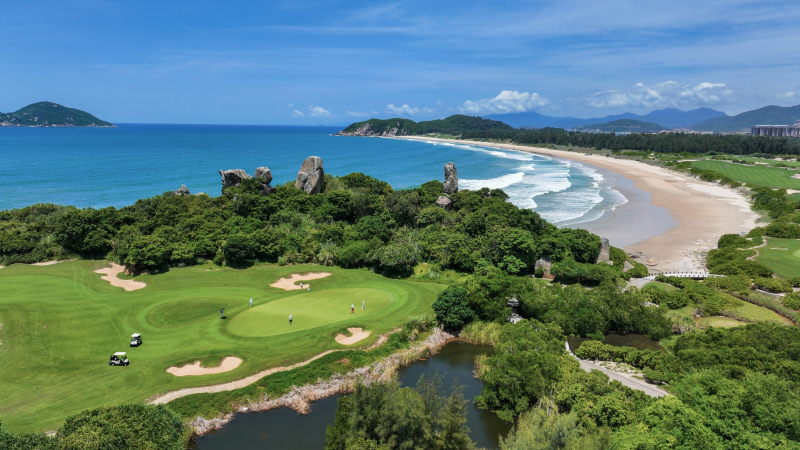
Hainan is today engaged in what may be China’s most radical economic experiment since Beijing established the country’s first Special Economic Zones in the mid-1980s. In December 2025, Hainan, which is perhaps now best known as a tropical tourist destination for domestic and Russian tourists, was cleaved off from mainland customs rules in a move to make the island the world’s largest free-trade port. What appears to be a technocratic trade reform, however, has deep roots in an earlier geopolitical gambit that sought to reshape the relationship between China and Taiwan by using Hainan as a political and economic showcase. The idea was to leverage geographic and cultural similarities to create economic interdependence between the two islands and accelerate peaceful “reunification.”