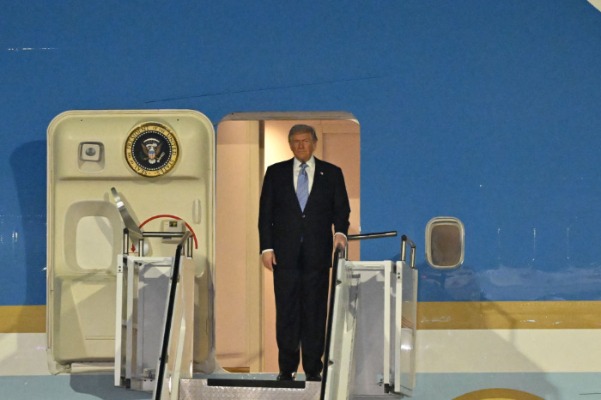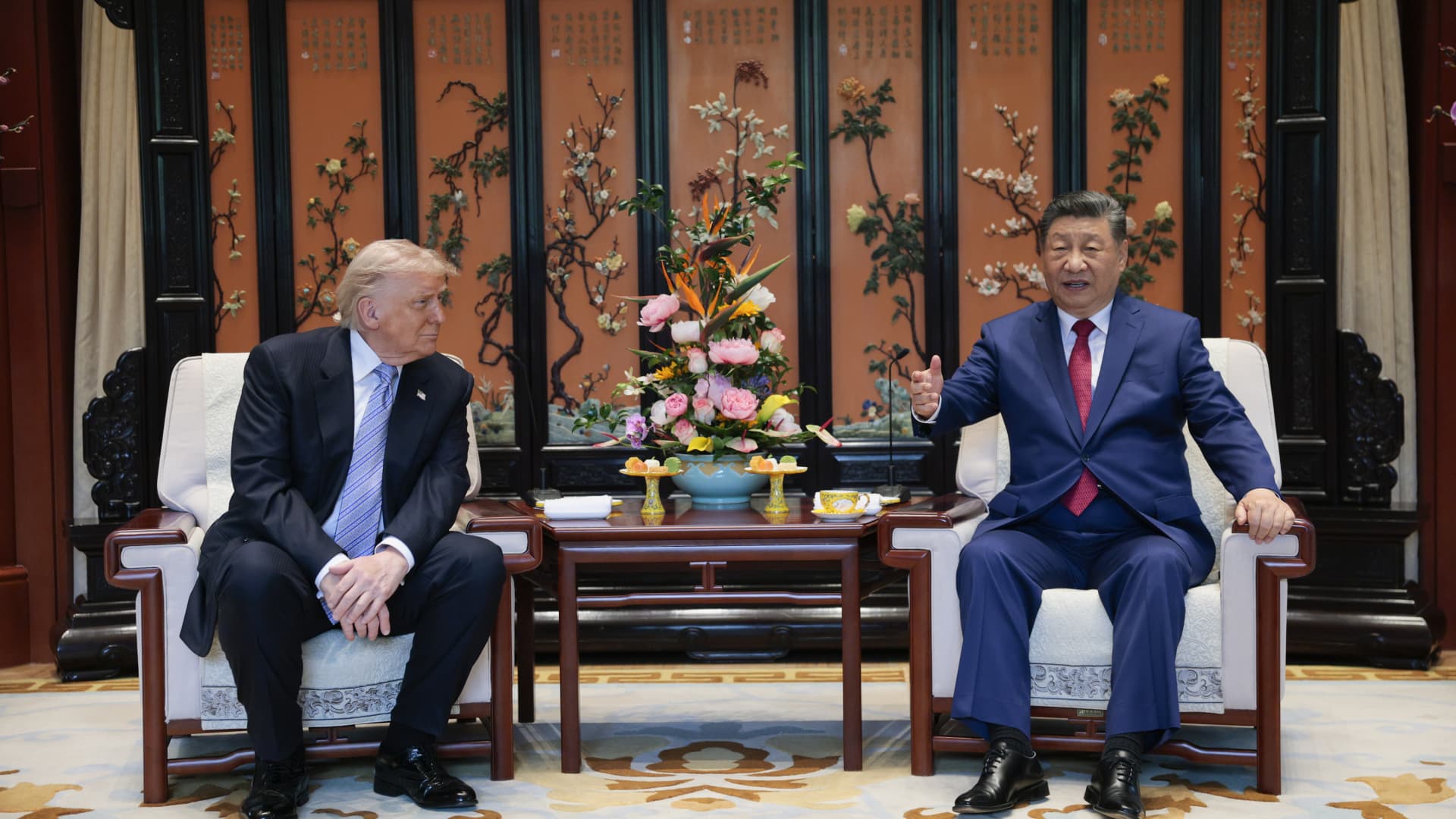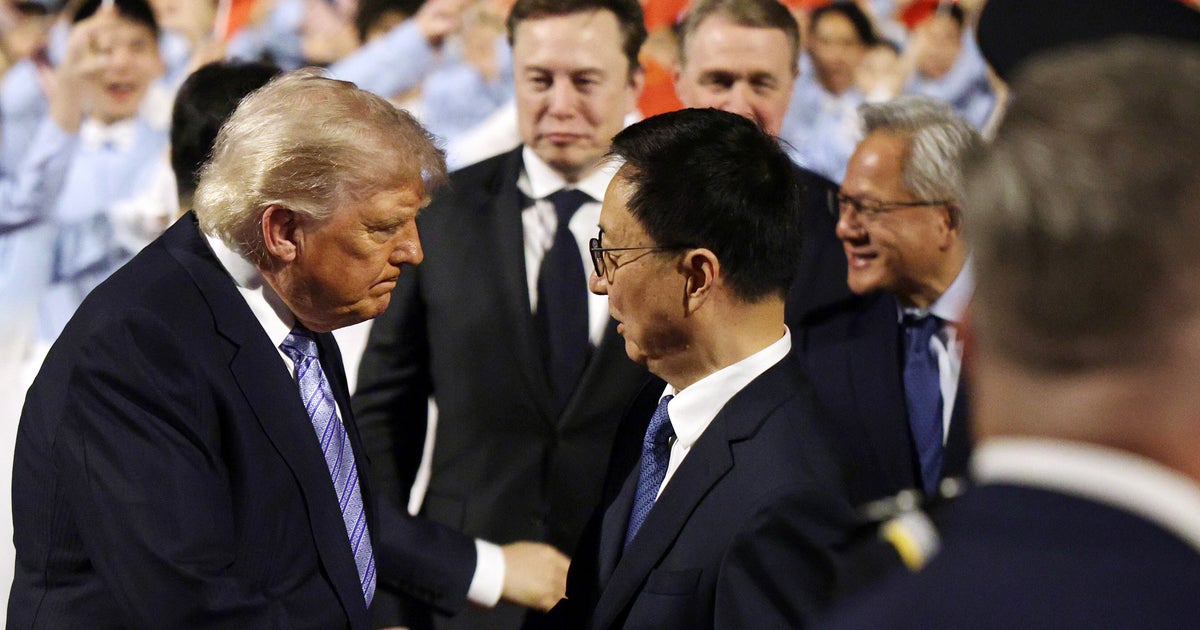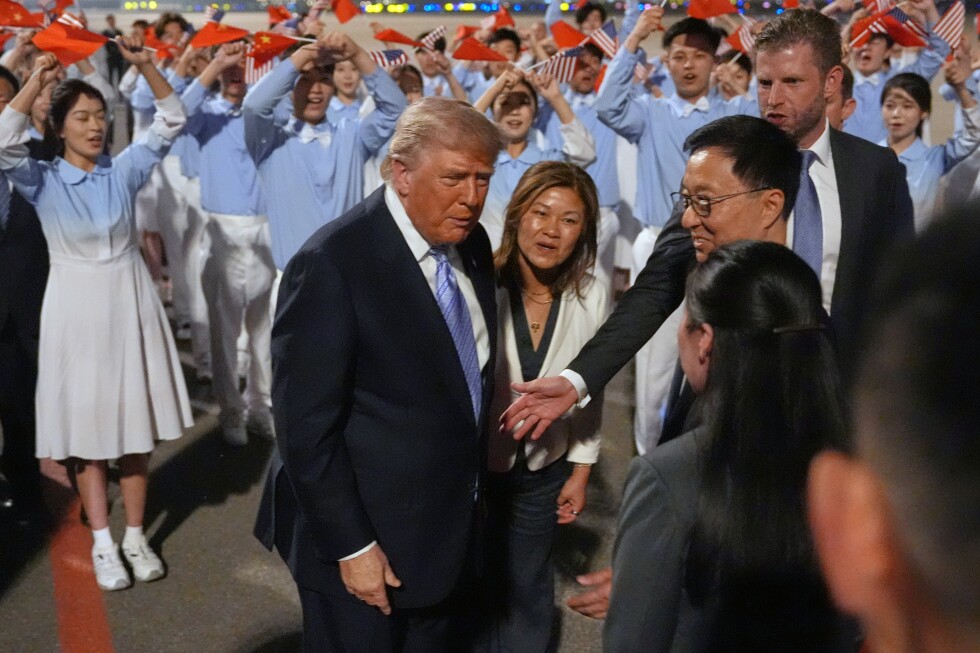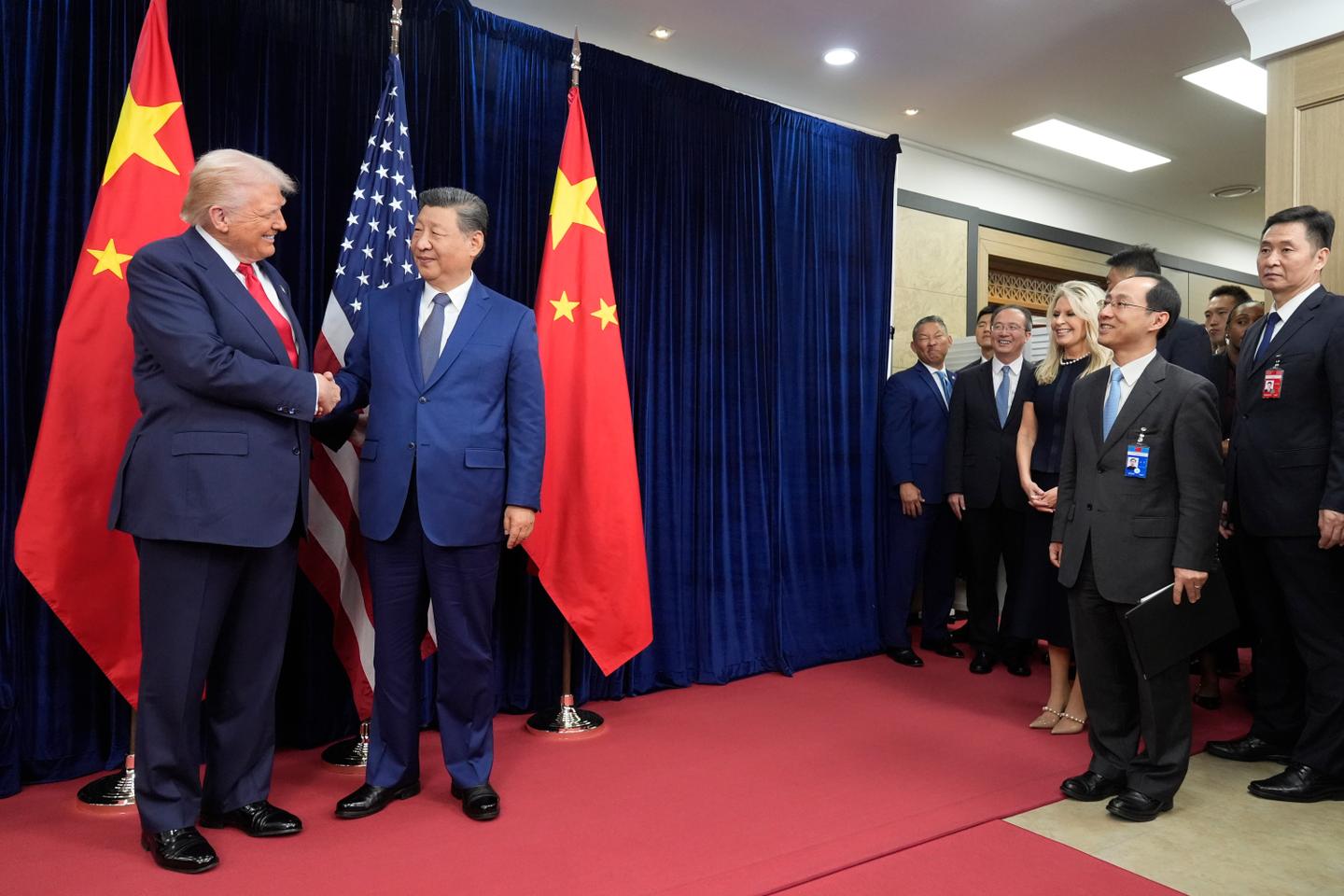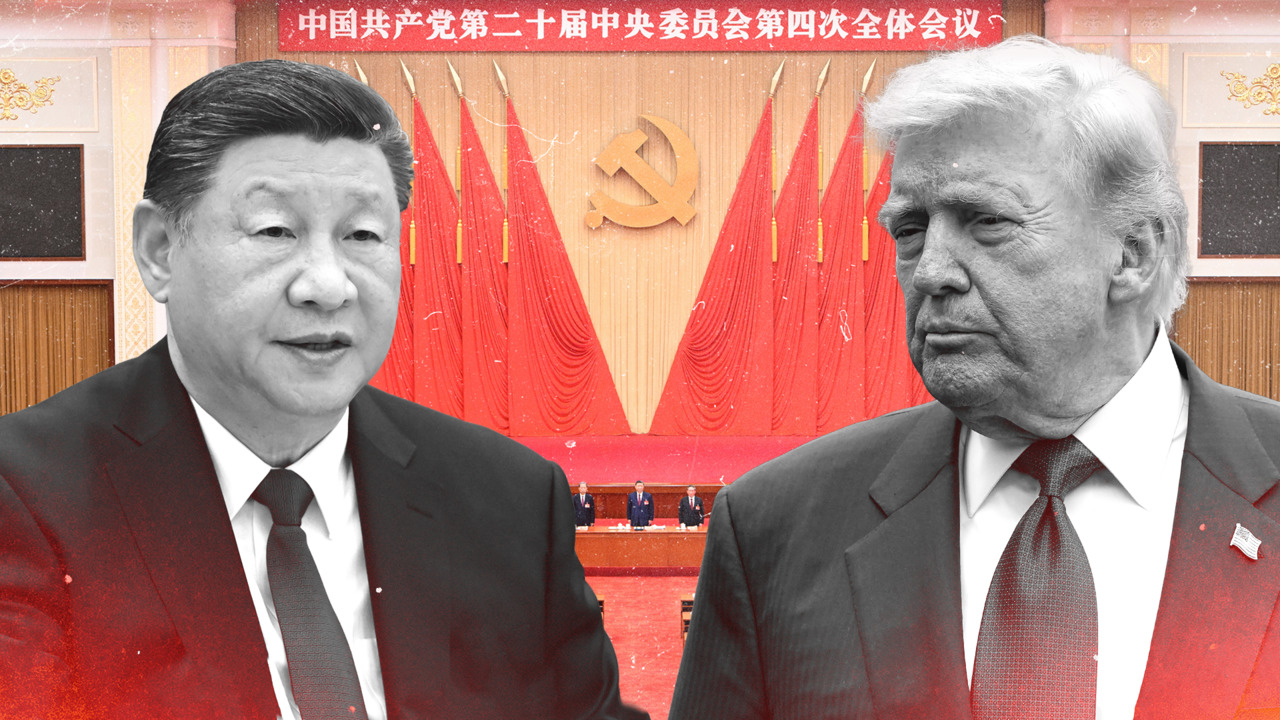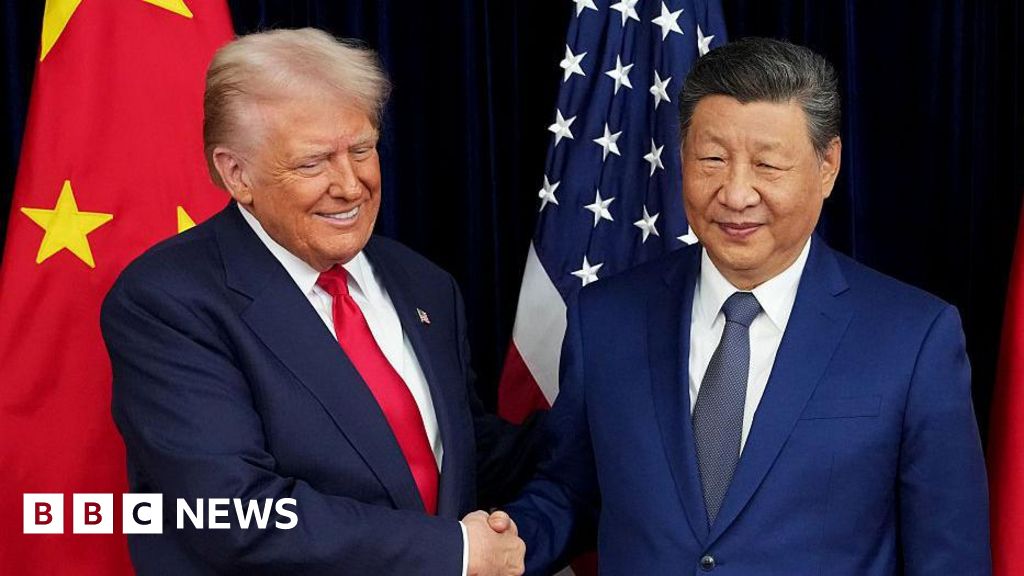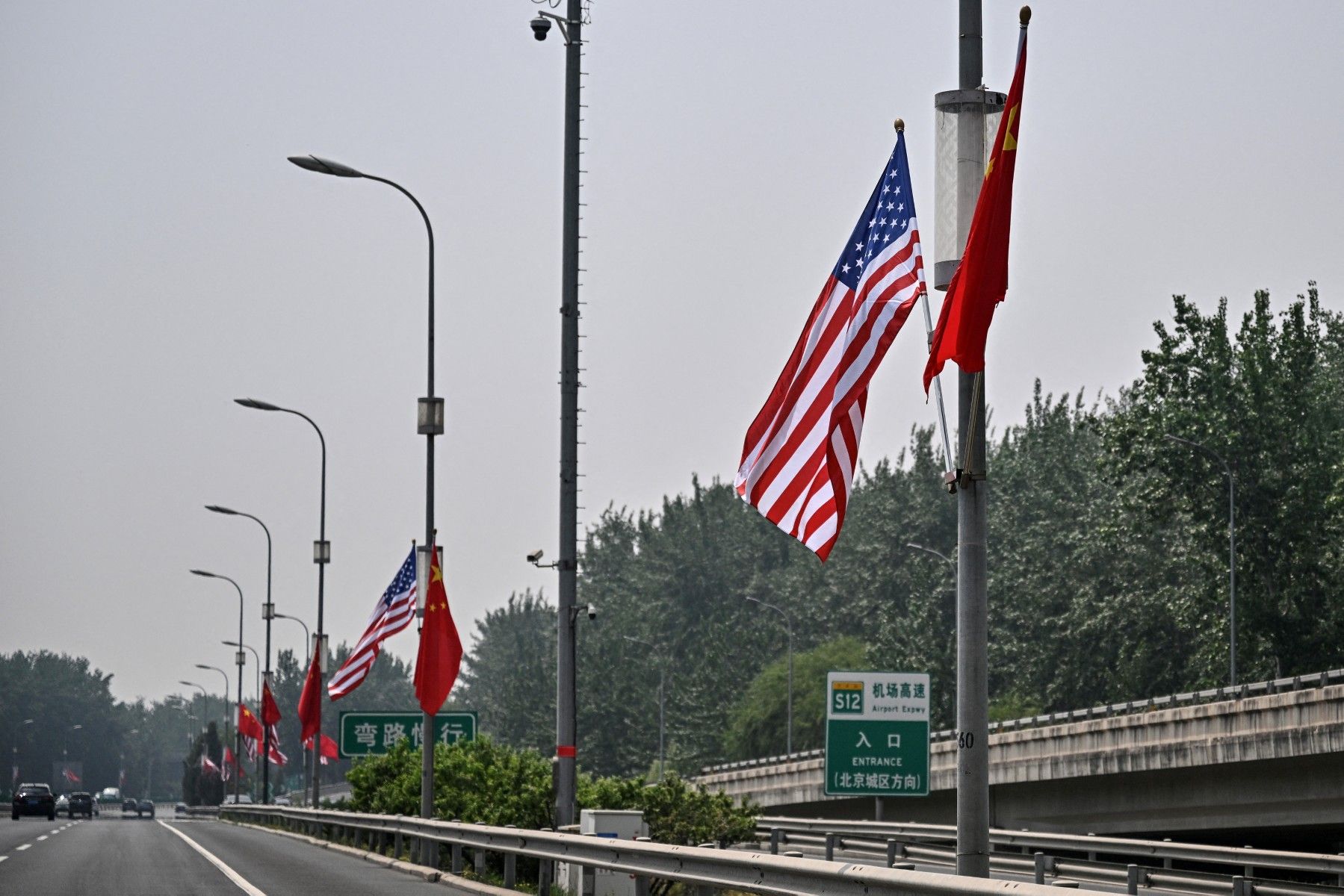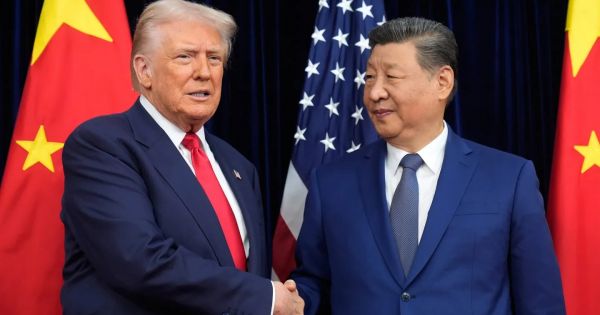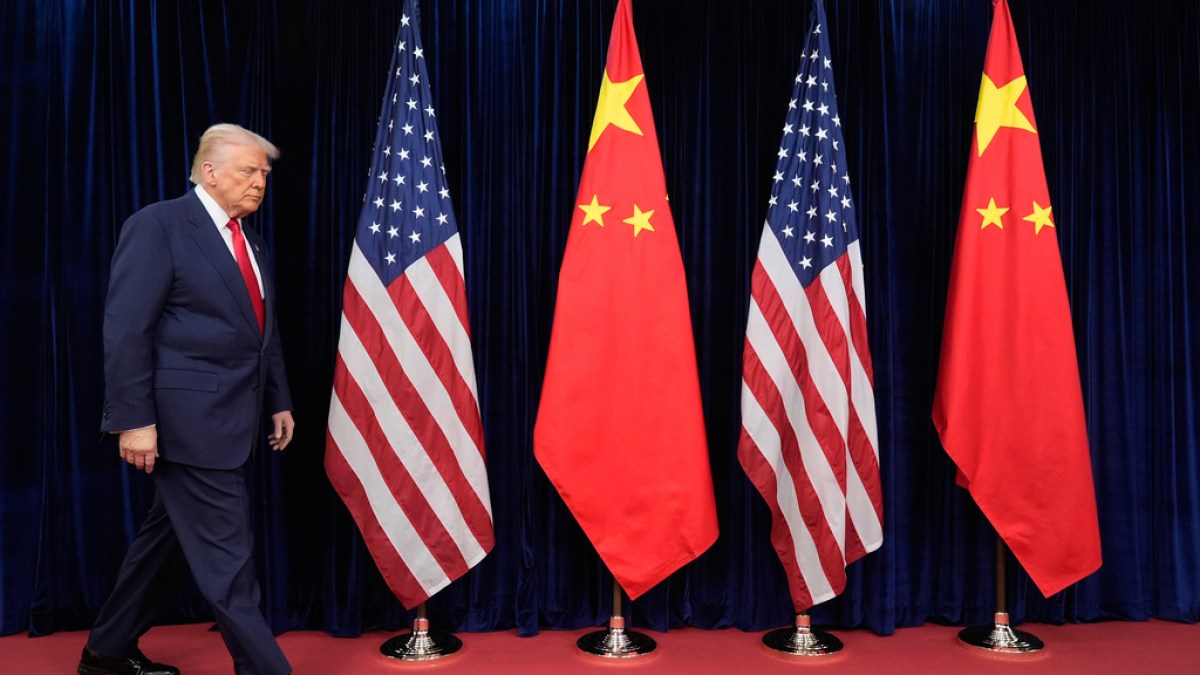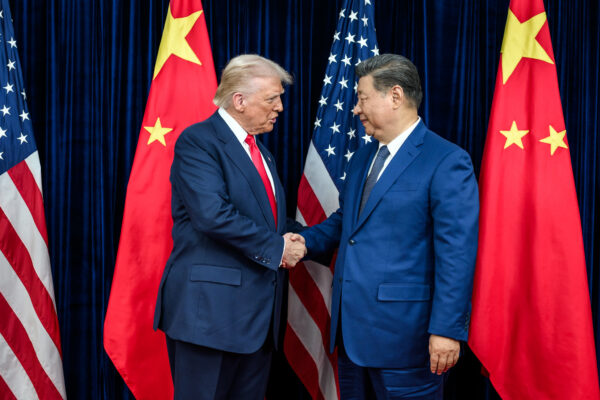
On May 11, Beijing announced that U.S. President Donald Trump would visit China from May 13 to 15 – just two days before his summit with President Xi Jinping was due to begin.
Trump had publicly confirmed his visit dates back in March. For months, Beijing’s public response remained deliberately noncommittal: “China and the United States are in communication regarding U.S. President Donald Trump’s proposed visit.” Preparatory diplomacy continued in the background, including a bipartisan congressional visit to Beijing that raised issues likely to feature in Trump’s agenda: market access for U.S. firms, Boeing aircraft sales, tariff relief and agricultural purchases.
Beijing’s delayed confirmation was a calibrated response to a transactional president who treats diplomacy less as institutional statecraft than as deal-making theater. Trump had floated a two-day visit; China announced three days. Whether driven by protocol, bargaining or both, the extra 24 hours carried political meaning: if Trump was coming to Beijing, he would do so on China’s agenda.
That choreography reflects Beijing’s broader approach to Washington under Trump’s second administration: do not initiate, do not refuse, and do not compromise. Do not initiate, because Beijing has no interest in rewarding Trump’s instinct for diplomatic theater and agenda-setting spectacle. Do not refuse, because shutting the door on a guest is not China’s style, and keeping the door open preserves diplomatic flexibility. Do not compromise, because national security, the One China principle, and technological sovereignty remain non-negotiable.