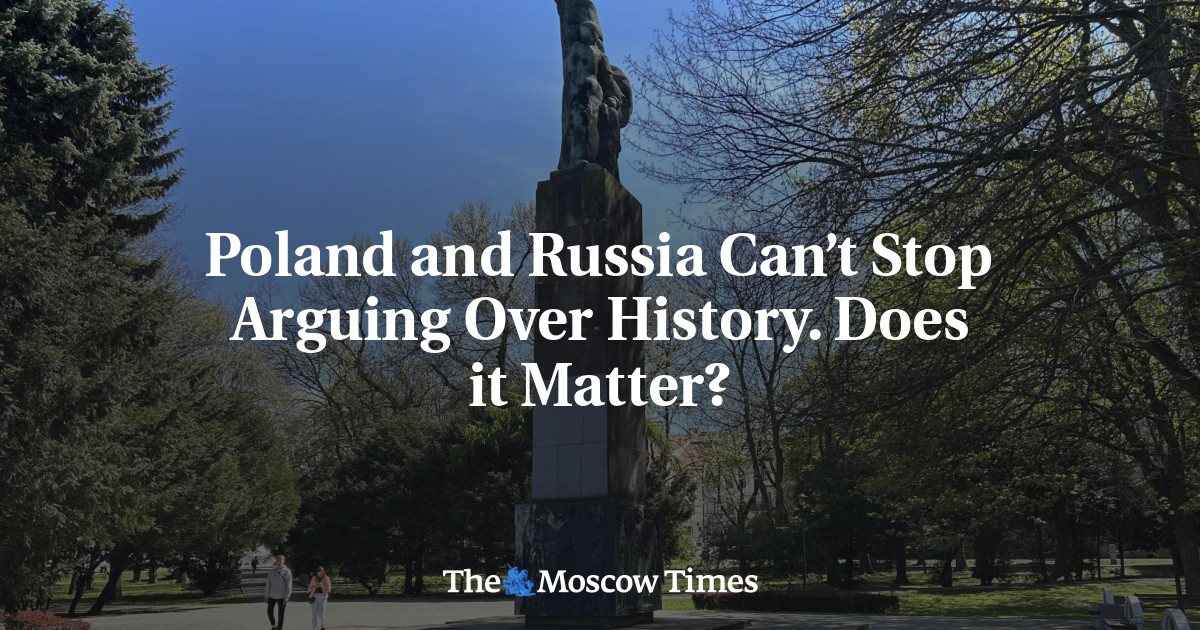
RZESZÓW, Poland — In a quiet park in the center of this southern Polish city, tourists stop to read a plaque commemorating the lives lost in a “1,000-year struggle for freedom” and gaze at the communist-era monument it’s attached to.
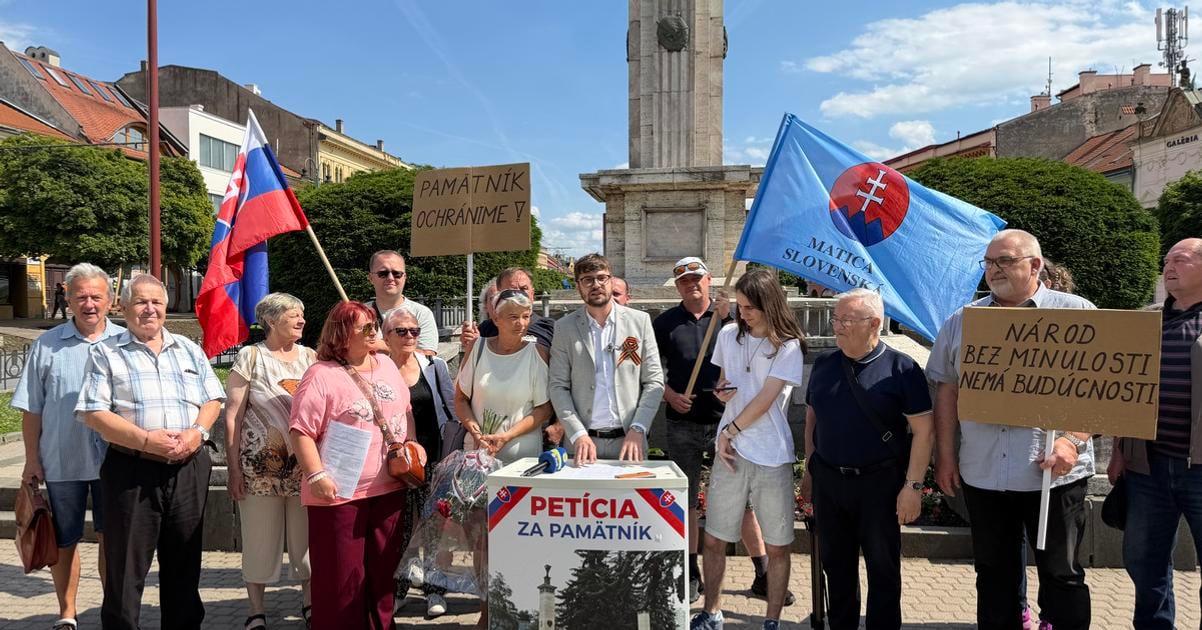
In a few months, the monument — an obelisk depicting soldiers frozen in the valor of battle — might be gone. Authorities want to either demolish it or disassemble it and move the parts to a museum and military cemetery.
The relevance of these things to Poland’s relations with its greatest adversary, Russia, is completely invisible until you realize two things: the memorial commemorates the Red Army, and it’s part of a larger Polish effort to reframe Russia’s place in the country’s history.
More than 80 years after they occurred, the events of World War II are still hotly debated in Russia and Poland. For all their bitter differences, the countries can’t seem to escape the fact that they are locked in the same struggle over who gets to define the past.
In Poland, former Soviet liberators have for years been seen as oppressors. In Russia, Poles are made out to be a longstanding enemy.