For over a century, the authorities in Russia have been trying to create a new faith, an “opium of the people” to keep the country in line.
First, the Bolsheviks tried to create a pantheon of communist gods and heroes. Then, Stalin realized that it would be a good idea to recruit Orthodox leaders into the KGB, thereby putting the Russian Orthodox Church at his service. Later, President Vladimir Putin improved on this by making the church a mouthpiece for the Kremlin.
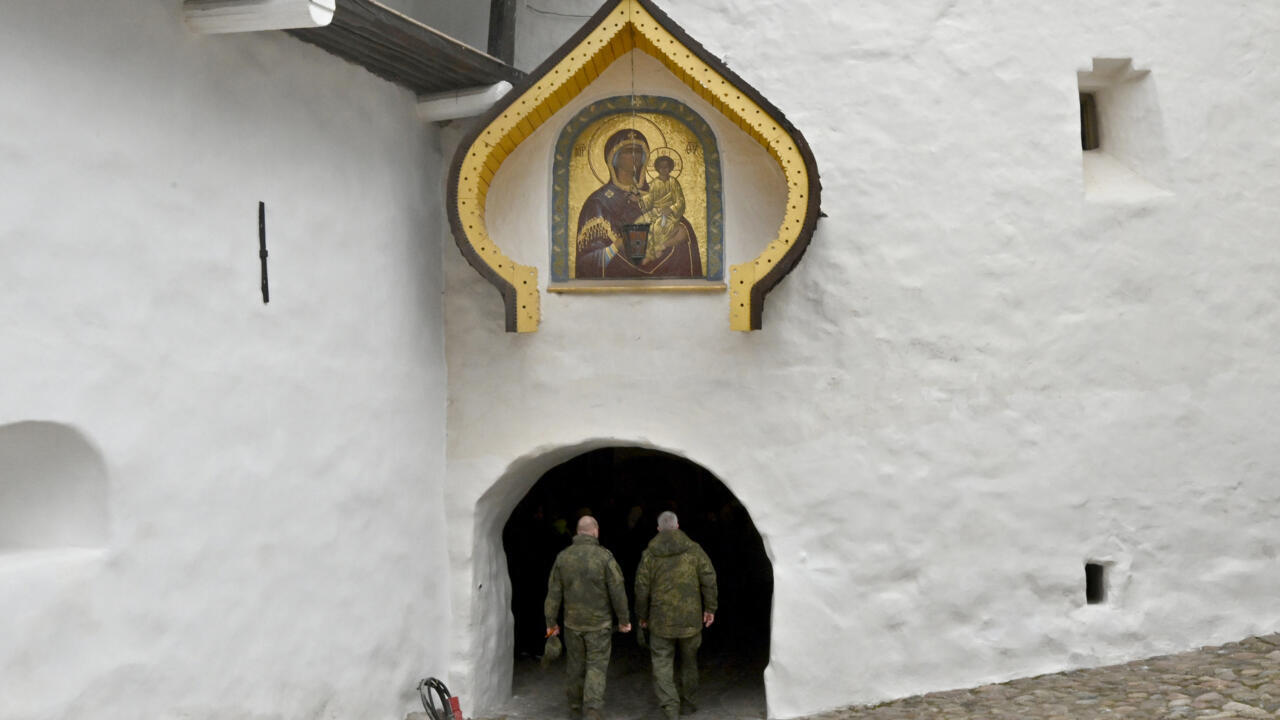
But a real religion through which the country could be controlled never emerged. People did not believe in communism for long. Attendence at loyalist Orthodox churches looks to be driven by peoples attachment to rituals, like being splashed with holy water at Epiphany or having their eggs and kulich cakes blessed at Easter, than actual beliefs. They have no actual faith despite continuing efforts to awaken some kind of sacred, but loyalist, feelings among the population continue.
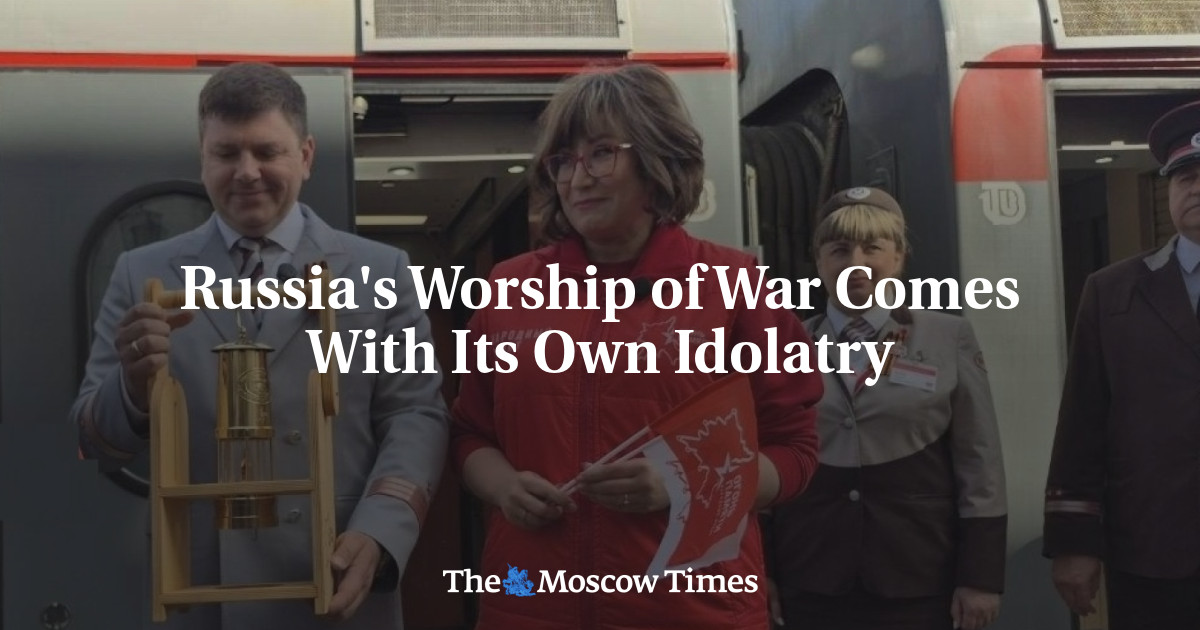
From May 5 to May 9 — Victory Day — activists from the pro-Putin People’s Front movement transported the “Flame of Memory” across Russia and some friendly countries abroad. They lit votive lamps from the Eternal Flame at the foot of the Kremlin’s walls and took them to Kazan, Volgograd, Krasnoyarsk, Novorossiysk and even New Delhi, where they were used to light local flames.