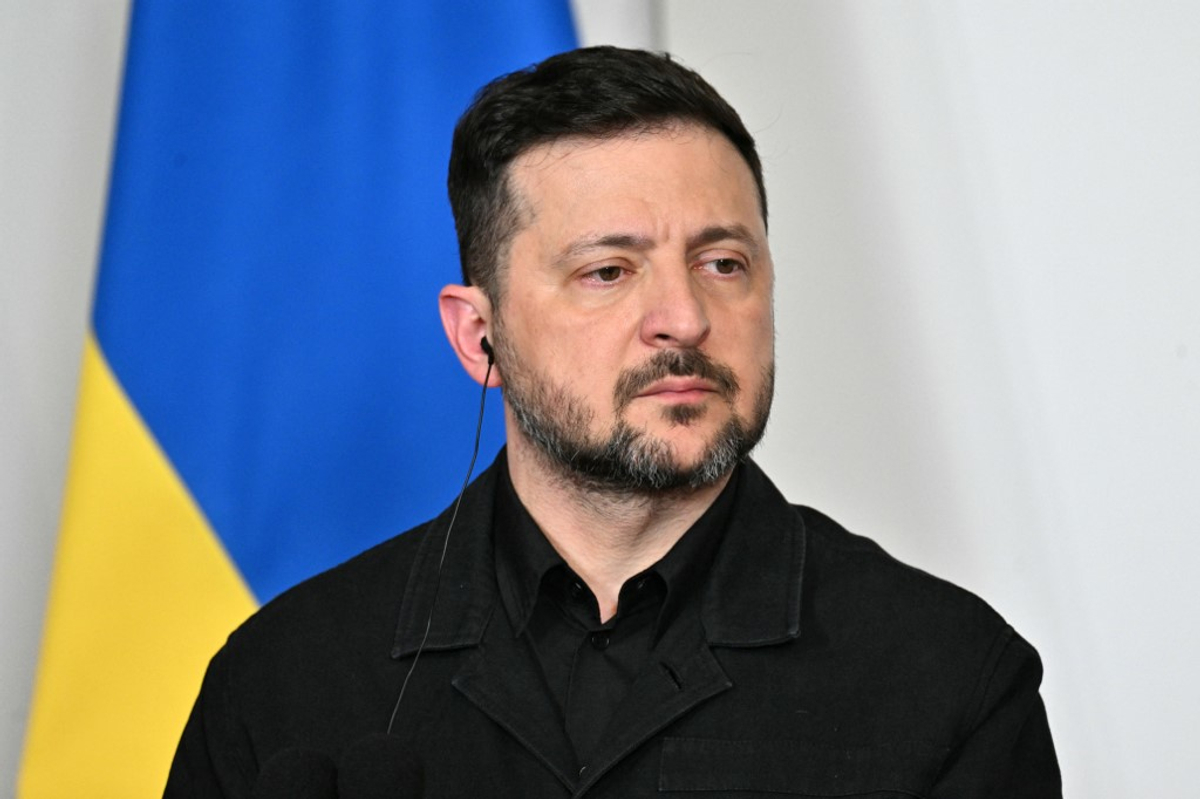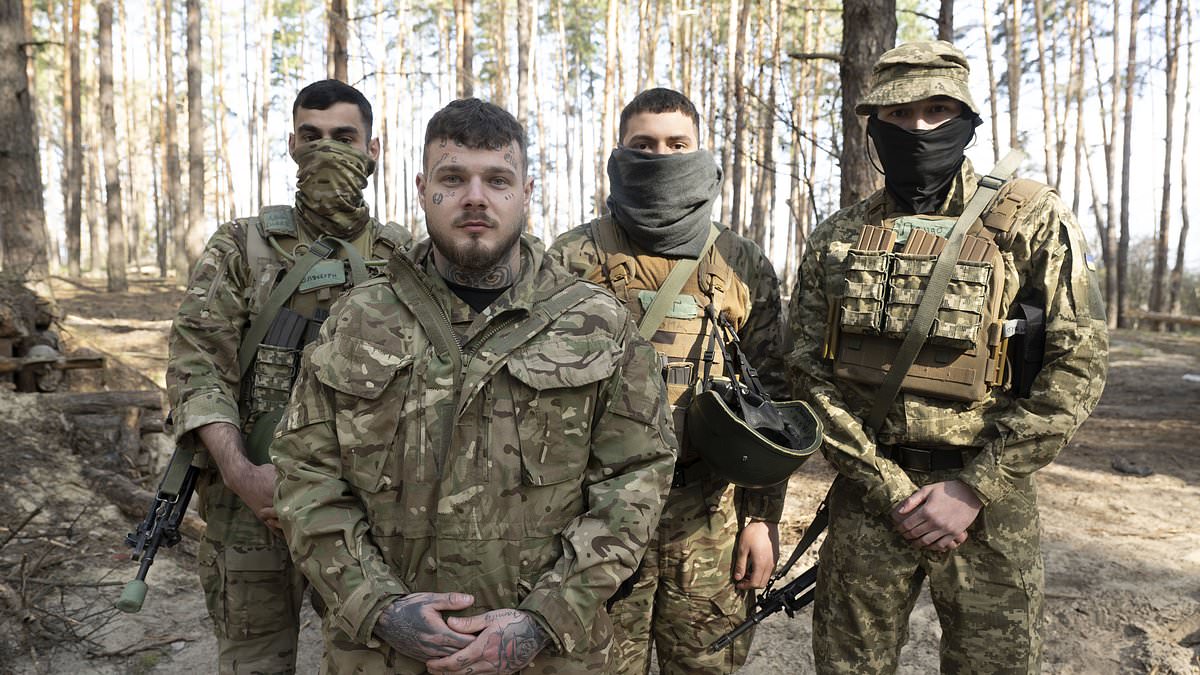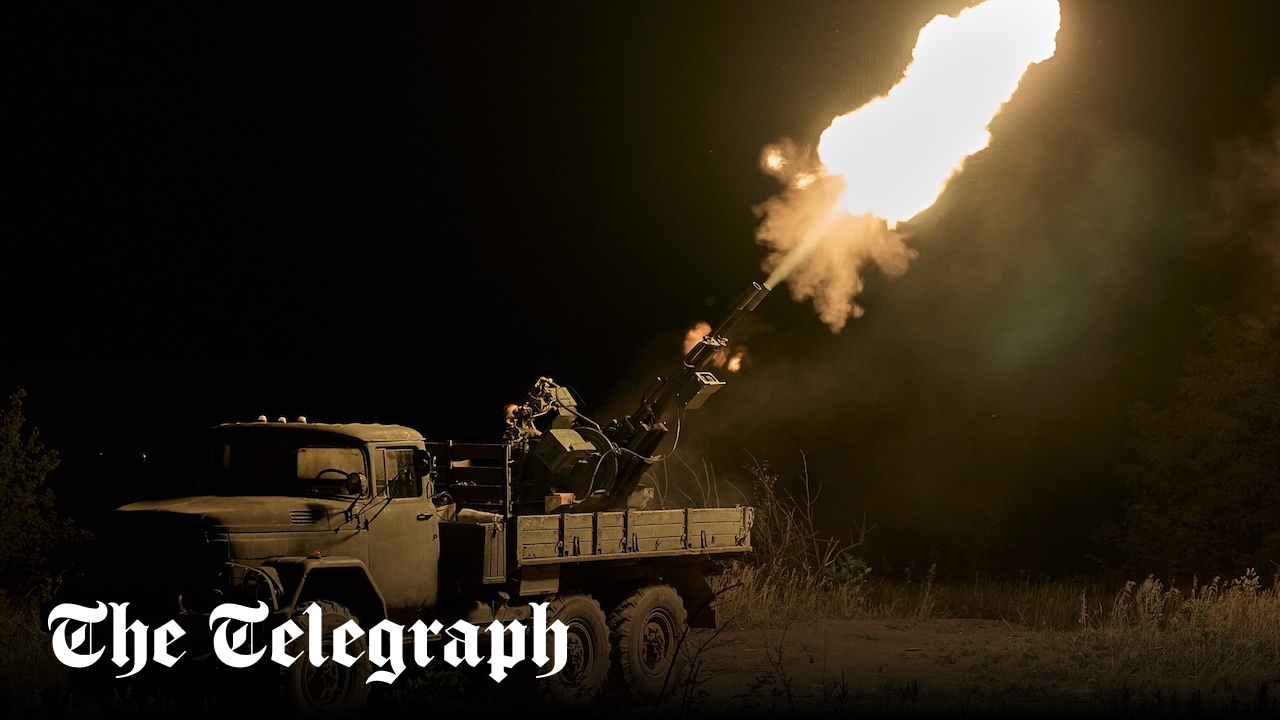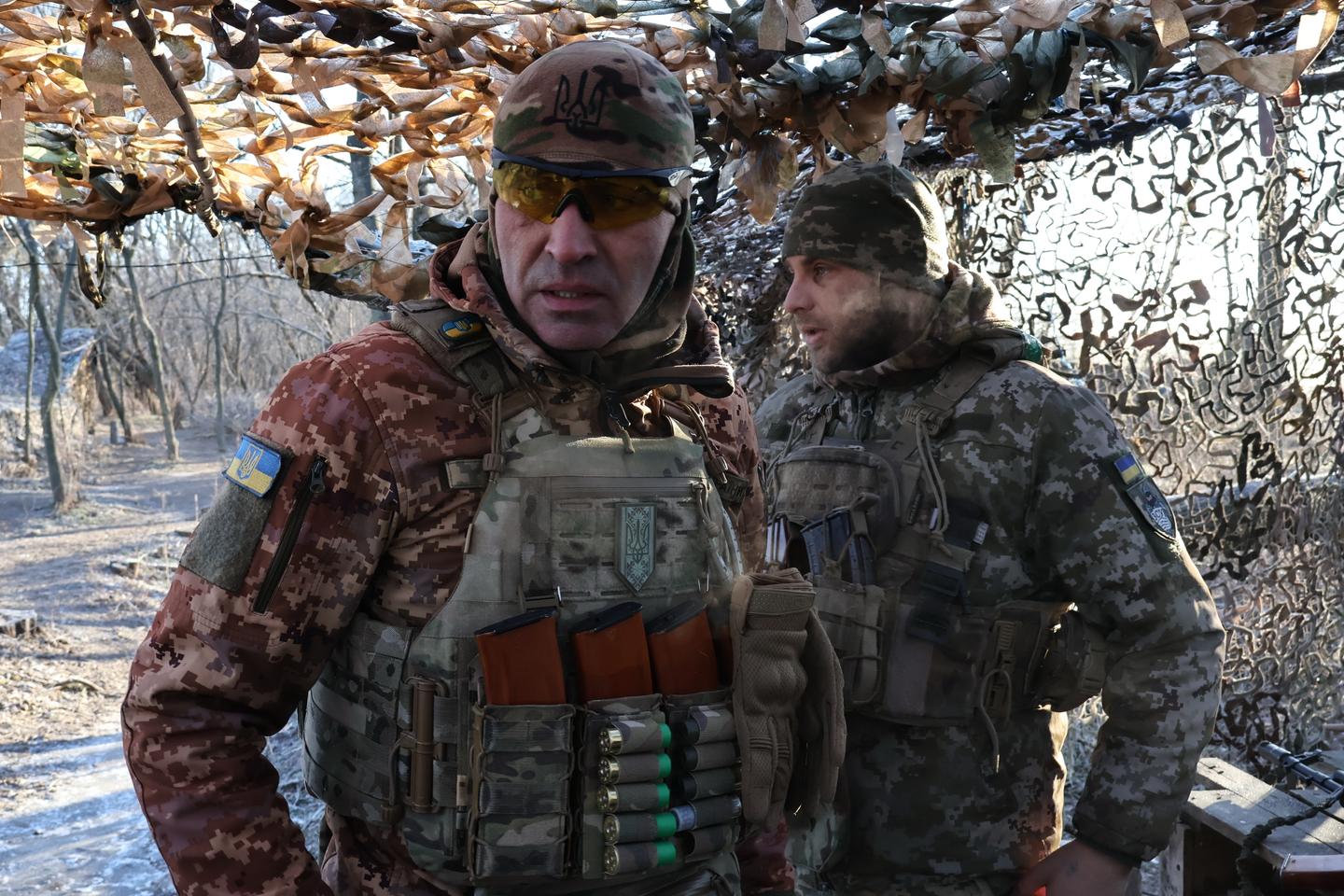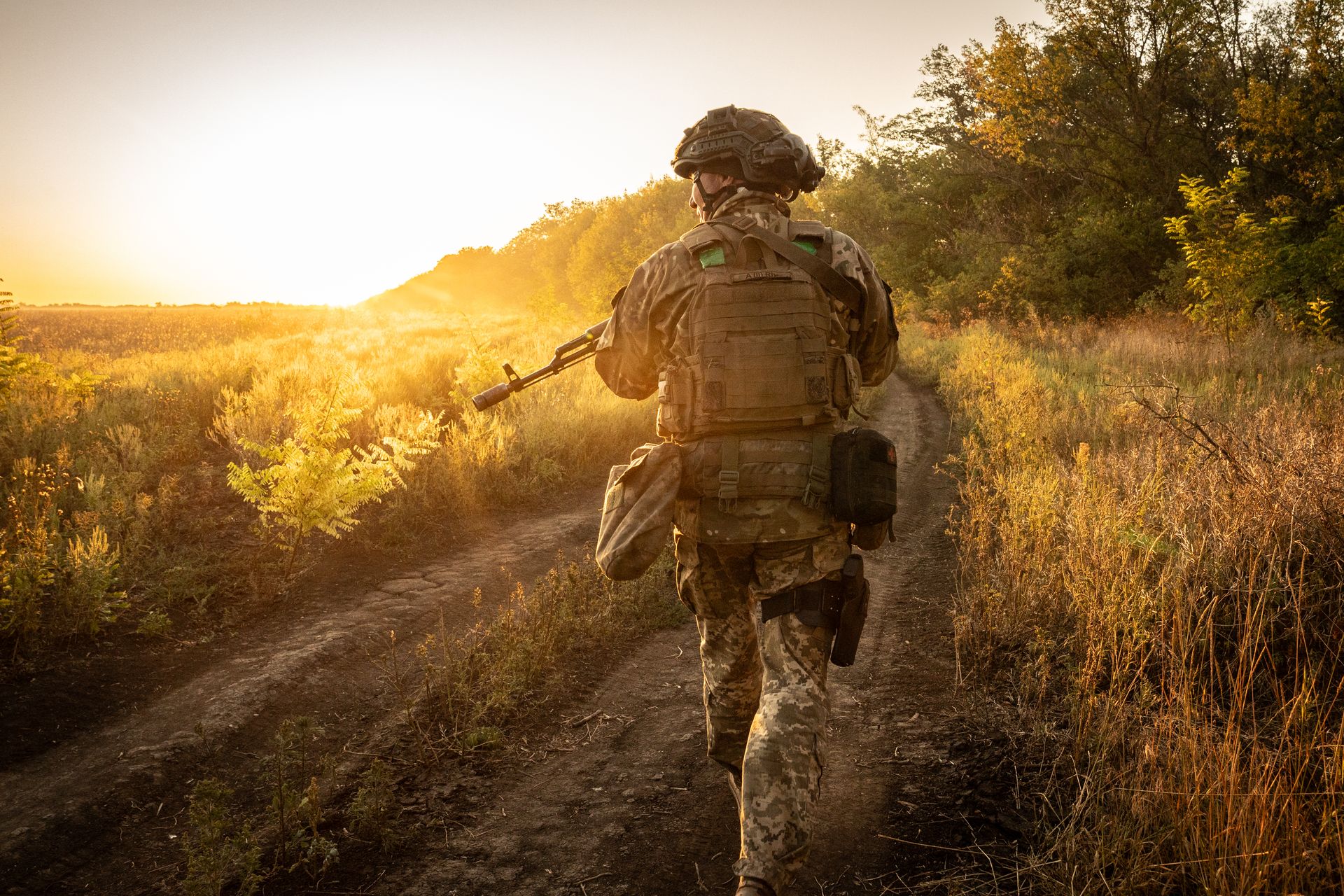
A Ukrainian soldier of the 148th Artillery Brigade walks along a dirt road at sunrise toward a position in Dnipropetrovsk Oblast, Ukraine, on Sept. 4, 2025. (Patryk Jaracz / The Kyiv Independent)Secrecy was paramount. Not even some of the high-ranking commanders who would be taking part knew of Ukraine's upcoming counterattack in southeastern Ukraine."Everything here was done secretly, so very few people knew about it," Vadym, a battalion commander with the 110th Mechanized Brigade who goes by his callsign "Lighthouse," said at a command post in Zaporizhzhia Oblast. Vadym had heard rumors about the operation, but only believed "something was brewing" after seeing an increase in the amount of equipment being brought in. Nothing was left to chance. Details of the operation were withheld from soldiers until the last minute. Those planning it even considered the possibility that girls some of the soldiers were chatting with online could in fact be Russian Federal Security Service (FSB) agents fishing for information, according to two of the top commanders in the 148th Artillery Brigade of the Air Assault Forces."It was kept to as small a circle as possible," Oleh, the chief of staff for the brigade's Artillery Reconnaissance Division, who goes by his callsign "Falcon," told the Kyiv Independent.Oleh, chief of staff of an artillery reconnaissance battalion in the 148th Artillery Brigade, who goes by his callsign "Falcon," inside the unit’s command post in Dnipropetrovsk Oblast, Ukraine, on April 7, 2026. (Patryk Jaracz / The Kyiv Independent)Oleh said only around 10 people out of more than 2,000 in his brigade were informed about two weeks prior to the operation.The task was simple on paper — retake land occupied by Russian troops in late 2025 before they had the chance to dig in further and fortify their positions.In practice, the task was complex and fraught with risk.The ObjectiveA few weeks after the operation began, Ukraine's President Volodymyr Zelensky and Commander-in-Chief Oleksandr Syrskyi would be lauding the success of the ongoing "counteroffensive." Zelensky claimed Ukraine had liberated over 400 square kilometers (around 154 square miles) of Russian-occupied territory in the east of Zaporizhzhia and Dnipropetrovsk oblasts as of March, thwarting Moscow's anticipated efforts to mount a spring and summer offensive, a significant claim made as peace talks stalled.Syrskyi said Ukraine captured more territory in February than Russia occupied over the same period, praising the result as the highest gains since the start of the cross-border incursion into Russia's Kursk Oblast in summer 2024.Ukraine's winter/spring counterattack operation of 2026. (Nizar al-Rifai / The Kyiv Independent).The validity of such statements would be contested — a lot of the territory remains in a highly contested "gray zone," which neither side controls, with a highly porous front line, overlapping positions on the ground, and both friendly and enemy drones dominating the skies.But for the Ukrainian troops on the ground, the grand statements of political theater were of little concern. They still had work to do — the advances and territorial claims could only be made after they'd headed out into the "gray zone," one of the most dangerous places on earth.PreparationIn an ever-more intensive drone war where both sides struggle to advance without being spotted from above, planning a counterattack operation is a tricky feat.Ukrainian military planners also had to weigh Russia's advantage in men and materiel, including drones, to avoid squandering limited assets exacerbated by a long-running manpower crisis. Around two weeks before the counterattack kicked off proper in late January, Oleh's 148th brigade was tasked with destroying the Russian artillery units that could devastate Ukrainian infantry trying to advance on the border between Zaporizhzhia and Dnipropetrovsk oblasts.
Inside a Ukrainian mission to liberate territory from Russian occupation
Secrecy was paramount. Not even some of the high-ranking commanders who would be taking part knew of Ukraine's upcoming counterattack in southeastern Ukraine. "Everything here was done secretly, so very few people knew about it," Vadym, a battalion commander with the 110th Mechanized Brigade who goes by his callsign "Lighthouse," said at a command post in Zaporizhzhia Oblast. Vadym had heard rumors about the operation, but only believed "something was brewing" after seeing an increase in the
3,342 words~15 min read